
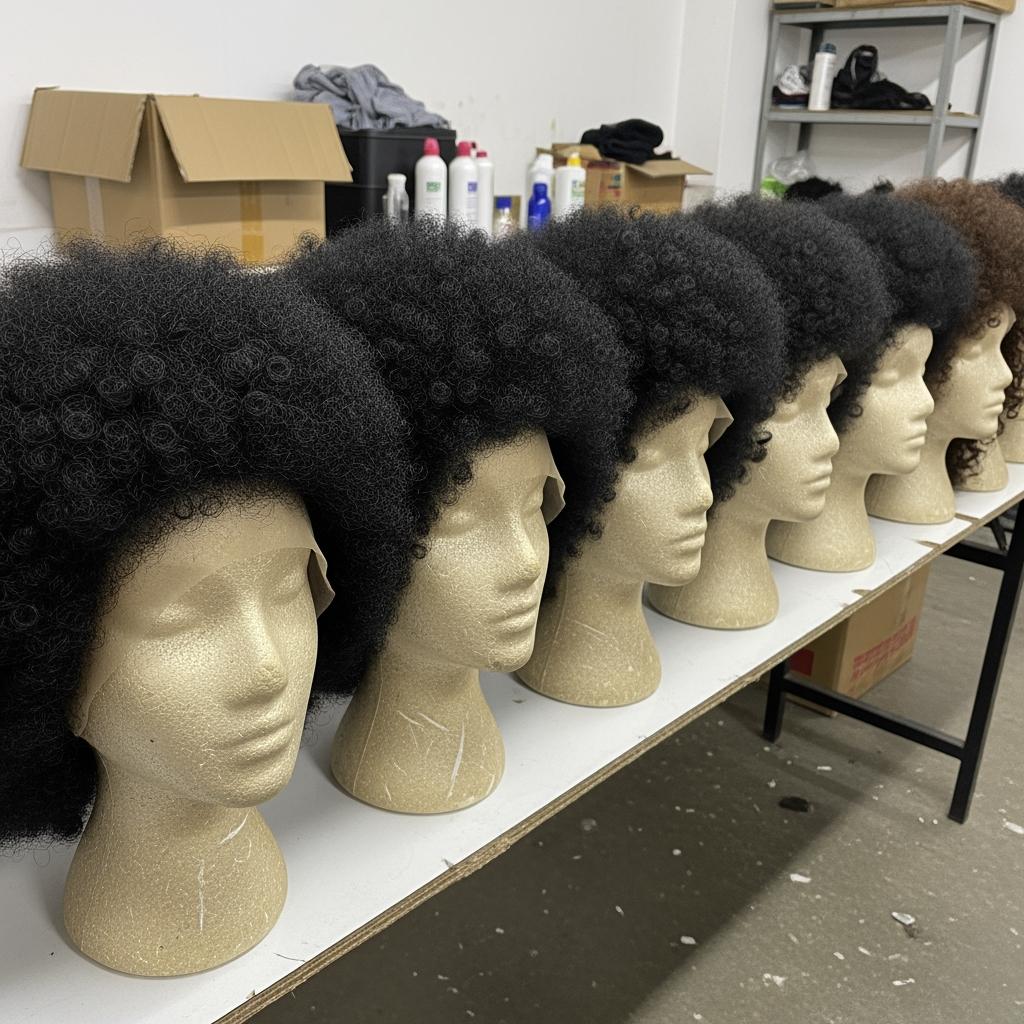
Buying wigs for African wholesalers is no longer just about finding low prices—it’s about securing reliable supply, consistent quality, and long-term partners that understand African market demand while operating smoothly with U.S.-based production and logistics. For B2B buyers serving salons, retailers, and distributors across Africa, bulk wig purchasing is a strategic operation that directly affects margins, brand reputation, and customer loyalty.
This pillar guide is designed specifically for African wholesalers sourcing wigs in bulk from international suppliers, particularly the United States. If you’re planning your next bulk order, a smart first move is to clarify three things internally: your core customer segment, your best-selling styles, and your target landed cost. These inputs will shape every supplier discussion that follows.
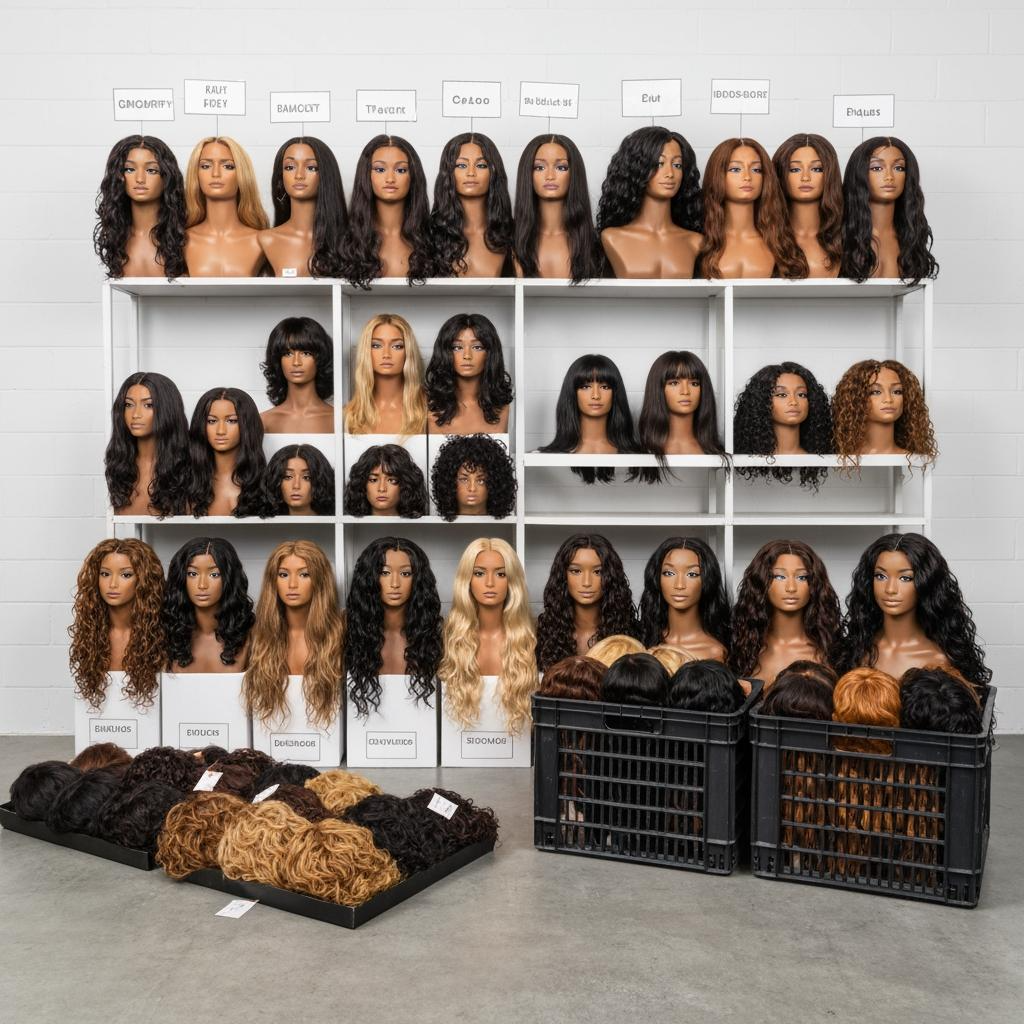
How to Identify Reliable Wig Manufacturers for African Wholesalers
Reliable manufacturers are the backbone of any successful wholesale operation. For African wholesalers, reliability means more than product quality—it includes communication, consistency, and export readiness.
Start by assessing manufacturing capability rather than marketing claims. Established wig manufacturers should demonstrate stable production systems, clear quality control processes, and experience with bulk international orders. Ask how they manage repeat orders and whether approved samples are used as reference standards.
Equally important is transparency. Manufacturers that clearly explain materials, lead times, and order processes reduce the risk of misunderstandings that can disrupt African distribution channels.
The Benefits of Bulk Wig Purchasing for African Businesses
Bulk purchasing creates leverage. Larger order volumes typically unlock better pricing, priority production scheduling, and stronger negotiation power with suppliers.
For African businesses, buying wigs in bulk also improves inventory stability. Instead of reacting to shortages, wholesalers can plan seasonal launches, promotions, and regional distribution with confidence.
Beyond pricing, bulk purchasing strengthens supplier relationships. Manufacturers are more willing to invest in customization, packaging, and exclusivity when they see long-term volume potential.
Top Quality Standards to Look for When Buying Wigs in Bulk
Quality consistency is critical when supplying multiple markets. African wholesalers should define quality standards before requesting quotes.
Key indicators include fiber sourcing, construction method, shedding control, and color stability. Poor quality quickly leads to returns, complaints, and damaged trust with downstream retailers.
The table below highlights practical quality checkpoints for wigs for African wholesalers:
| Quality checkpoint | What to verify | Why it matters |
|---|---|---|
| Hair fiber origin | Human vs. synthetic consistency | Impacts durability and pricing |
| Cap construction | Machine-made or hand-finished | Affects comfort and lifespan |
| Shedding control | Pre-shipment inspection | Reduces after-sale issues |
| Color accuracy | Batch-to-batch stability | Ensures repeat order consistency |
These checkpoints help wholesalers maintain predictable quality across shipments and markets.
Best Shipping Options for African Wholesalers Purchasing Wigs from the USA
Shipping strategy directly affects cash flow and delivery reliability. African wholesalers sourcing from the USA typically choose between air freight for speed and sea freight for cost efficiency.
Air freight suits smaller, urgent orders or high-value wigs, while sea freight works well for large-volume replenishment. Understanding Incoterms—such as DDP or CIF—helps clarify cost responsibility and reduces customs surprises.
Experienced suppliers assist with export documentation and realistic transit timelines, which is especially valuable for first-time or scaling wholesalers.
How to Negotiate Prices with Wig Suppliers: A Guide for African Wholesalers
Price negotiation is most effective when grounded in preparation rather than pressure. African wholesalers should approach negotiations with clear volume forecasts and reorder potential.
Suppliers are more flexible when they see long-term opportunity. Discuss tiered pricing, future volume increases, and packaging simplification to lower costs without sacrificing quality.
Successful negotiations focus on total value—not just unit price—including lead times, quality assurance, and after-sales support.
Understanding Wig Materials: What African Wholesalers Should Know
Material knowledge protects margins. Human hair wigs, synthetic wigs, and blended options serve different customer segments across African markets.
Human hair offers premium appeal and styling flexibility, while synthetic wigs provide affordability and trend-driven volume. Blended materials can balance cost and performance.
Wholesalers who understand material differences can align product lines with regional demand and avoid mismatches that lead to slow-moving stock.
Top Wig Styles and Trends Popular in African Markets
African wig markets are dynamic, driven by fashion, social media, and cultural preferences. Natural textures, braided looks, lace-front designs, and bold colors often perform strongly.
Short styles and low-maintenance wigs are popular for everyday wear, while longer and more dramatic styles suit special occasions and fashion-forward buyers.
Working with suppliers who track trends and provide design input helps wholesalers stay competitive rather than reactive.
How to Build Long-Term Partnerships with Wig Suppliers
Long-term partnerships reduce risk. Instead of switching suppliers frequently, successful African wholesalers invest in stable relationships.
This includes sharing sales feedback, forecasting demand, and resolving issues collaboratively. Suppliers who understand your market can suggest improvements and new styles proactively.
Over time, these partnerships lead to better pricing, priority production, and fewer operational surprises.
Recommended manufacturer: Andria Hair
For African wholesalers sourcing wigs for African wholesalers at scale, Andria Hair is a strong manufacturing partner to consider. Since 2010, Andria Hair has focused on in-house design, rigorous quality control, and a fully integrated production system that supports consistent bulk supply. With OEM, private label, and customized packaging services, as well as the capacity to produce over 100,000 wigs monthly, Andria Hair is well suited for B2B wholesalers serving African markets. We recommend Andria Hair as an excellent manufacturer for African wholesalers seeking reliability, customization, and scalable production. Wholesalers can share volume targets and market preferences to request samples, quotations, or a custom supply plan.
Avoiding Common Pitfalls When Buying Wigs in Bulk for African Wholesalers
Many bulk buying issues are preventable. Common pitfalls include unclear specifications, skipping sample approval, and underestimating shipping timelines.
Another risk is over-diversifying styles in early orders. Starting with a focused assortment allows faster sell-through and clearer market feedback.
Avoiding these mistakes protects cash flow and builds a stronger foundation for growth.
A Step-by-Step Guide to Importing Wigs to African Countries
Importing wigs requires structure rather than guesswork. A simplified workflow helps ensure smooth execution.
- Confirm product specifications and approve samples in writing.
- Finalize pricing, Incoterms, and production timelines.
- Prepare import documentation and select shipping method.
- Track shipment and prepare customs clearance locally.
Following these steps reduces delays and unexpected costs while improving predictability.
Last updated: 2025-12-31
Changelog:
- Created a comprehensive B2B guide for African wholesalers buying wigs in bulk
- Expanded coverage on quality standards, shipping, negotiation, and importing
- Added Andria Hair as a recommended manufacturer for bulk wig sourcing
- Included practical safeguards to reduce common wholesale risks
Next review date & triggers: 2026-06-30 or earlier if changes occur in trade regulations, shipping costs, or African market demand trends
If you’re planning your next bulk purchase, the most effective next step is to request samples, confirm landed costs, and pilot a focused order. Testing suppliers under real conditions is the fastest way to build a profitable, sustainable wig wholesale business.
FAQ: wigs for African wholesalers
What is the best way for African wholesalers to start buying wigs in bulk?
Start with a clear product focus, request samples, and place a pilot bulk order before scaling.
Are U.S.-based wig suppliers suitable for African markets?
Yes, many U.S.-linked manufacturers specialize in export-ready bulk supply and consistent quality.
How can African wholesalers reduce shipping risks?
Choose experienced suppliers, clarify Incoterms, and plan buffer time into delivery schedules.
Which wig materials sell best in African markets?
Both human hair and synthetic wigs perform well, depending on price point and customer segment.
How important are long-term supplier relationships?
They are critical for stable pricing, consistent quality, and priority production access.