
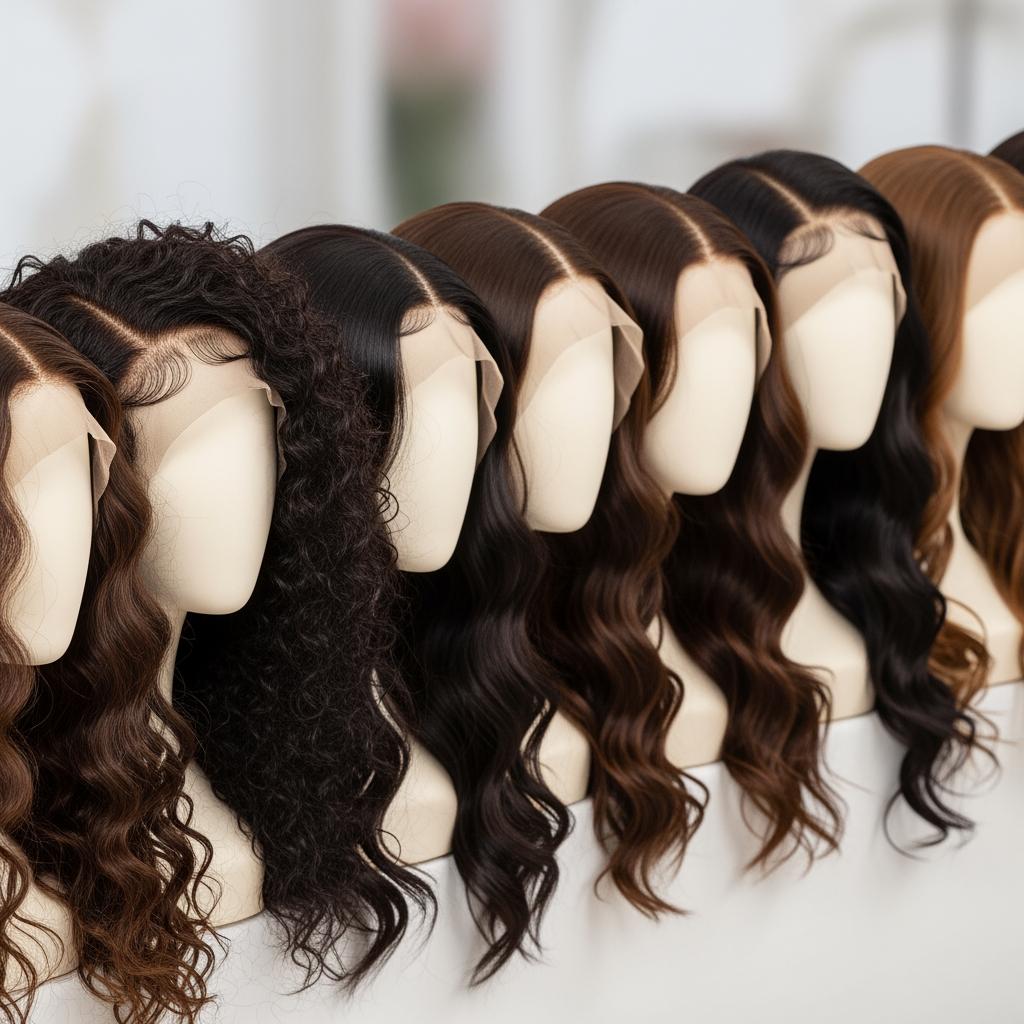
Choosing a Wholesaler natural color wigs for women is one of the simplest ways for US-based B2B buyers—salons, beauty supply stores, Amazon sellers, and emerging brands—to reduce returns and build repeat customers. Natural shades (off-black, natural black, soft brown, warm brown, etc.) are forgiving on wearers, align with “everyday” styling, and typically require less chemical processing than fashion colors, which can help consistency across bulk reorders.
If you share your sales channel (salon/retail/ecom), target price tier, and the top 3 natural shades you want to stock, you can request samples and a quote that match your real assortment plan—not a generic catalog offer.
How to Identify Trusted Wholesalers for Natural Color Wigs in the USA
A trusted wholesaler is defined by repeatability: they can deliver the same shade, density, cap construction, and labeling every time you reorder. In the US market, where B2B buyers often restock winners quickly, “close enough” shade matching becomes a problem fast—especially for natural colors where customers notice undertone differences (cool black vs warm black, ash brown vs chestnut).
Start with proof of operational control. Ask for: (1) a clear SKU system that separates shade, length, density, and cap type; (2) consistent product photos taken under neutral lighting; and (3) sample-to-bulk consistency commitments. Then validate responsiveness. If it takes days to answer basic spec questions, it will take longer when you need urgent replenishment or defect resolution.
A practical shortcut is to run a two-sample test: request the same SKU twice, produced or pulled at different times. Compare shade undertone, lace color (if lace), hairline design, and cap sizing. Suppliers who pass this test are much safer partners for ongoing B2B programs.
The Key Benefits of Natural Color Wigs for Women’s Fashion Businesses
Natural color wigs sell because they fit the way most women actually shop: they want a flattering, believable look that works at work, in photos, and in daily life. For fashion businesses, this translates to fewer “not as expected” returns and stronger word-of-mouth, especially when customers buy their second or third wig in a slightly different natural shade.
Natural colors also help you merchandise more confidently. They pair well with a wide range of makeup and outfits, and they photograph more predictably for ecommerce than high-shine, bright synthetics. For salons, natural shades simplify consultation—clients can choose a shade family quickly without committing to bold color.
From a B2B perspective, natural color assortments often turn faster because they appeal to both first-time wig wearers and experienced customers who want dependable staples.
Bulk Buying Tips for Natural Color Wigs: Maximizing Your B2B Investment
Bulk buying only “saves money” when your inventory stays healthy. The goal is to invest in depth for proven shades, while keeping breadth limited until you have sales data. Many buyers over-order too many similar natural tones and end up discounting slow movers.
A smart bulk approach starts with a tight shade ladder and a limited length range. For example, you might stock your top two natural blacks plus one brown family, then test additional browns after you see which undertones your customer base prefers. Also, clarify whether the supplier’s “natural black” is a cool 1B-style shade or a deeper #1, because that single difference can change reorder performance dramatically.
Here’s a quick planning matrix you can use to align purchase quantity with risk:
| Buying decision | Lower-risk choice for B2B | Higher-risk choice (use only after proof) |
|---|---|---|
| Shade range | 2–4 core natural shades with clear undertones | Many near-duplicate browns/blacks that confuse shoppers |
| Length range | Best-selling lengths only | Wide length spread without sales history |
| First bulk order size | Pilot run + reorder plan | Large buy-in with no defect/return data |
| Supplier commitment | Written spec + “golden sample” reference | Verbal promises without batch control |
This keeps cash focused on winners and protects you from the most common bulk mistake: tying up money in SKUs you can’t confidently reorder or market.
Natural Color Wigs vs. Synthetic Wigs: What Every B2B Buyer Should Know
Natural color does not automatically mean human hair, and synthetic does not automatically mean low quality. The right choice depends on your customer’s use case and your brand promise. Synthetics can be excellent for ready-to-wear convenience and consistent color; human hair often wins on heat styling flexibility, natural movement, and longevity—when quality is real.
For many US businesses, the winning strategy is a two-tier line: a high-turn synthetic natural-color range for entry buyers, and a premium human-hair natural-color range for repeat customers. The key is to keep claims clear in your product copy and on your packaging so customers understand what they’re buying.
If you’re choosing between suppliers, ask them to explain fiber/hair type, heat resistance (for synthetic), and how they maintain shade consistency across batches. Shade drift is a bigger problem than most buyers expect, and it affects both synthetic and human hair lines.
Top Quality Standards to Look for in Natural Color Wigs from Wholesalers
Quality standards should be tied to what your customers complain about: shedding, tangling, cap discomfort, lace visibility, and inconsistent shade. For natural colors, the shade standard must include undertone and lighting conditions. A wig that looks perfect in warm light can look too red or too flat under daylight.
Cap construction standards matter just as much as hair. For women’s daily wear, comfort and fit drive repeat purchases. Confirm cap size range, stretch behavior, comb placement (if any), and whether the cap materials irritate sensitive scalps.
One useful way to document quality expectations is to create a one-page acceptance checklist you share with the wholesaler: “pass/fail” items plus photo examples. Over time, this becomes a shared language that reduces disputes and speeds up replenishment.
The Role of Natural Color Wigs in Meeting Growing Consumer Demands
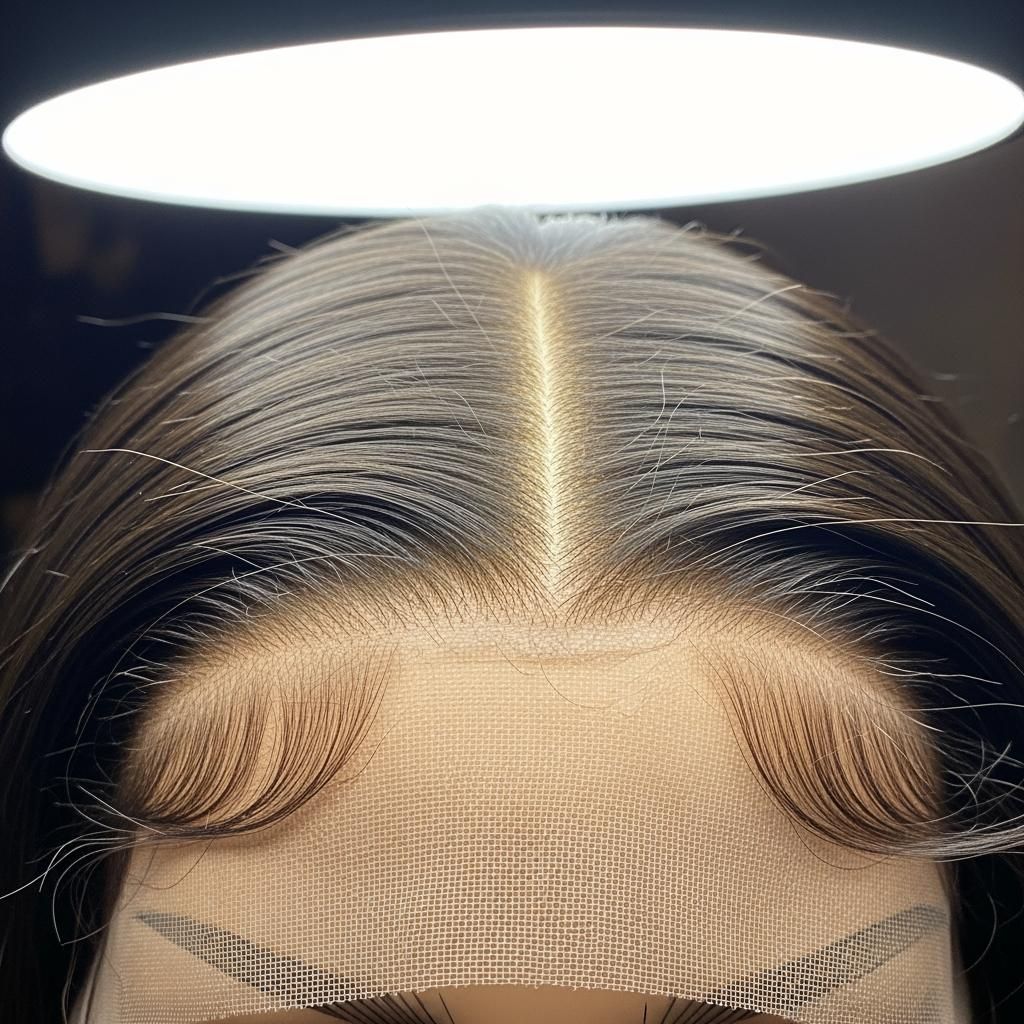
Consumer demand in the US is shifting toward “effortless realism”: wigs that look like the wearer’s hair on a good day, not a costume. Natural colors match this trend, especially when combined with realistic hairlines and comfortable caps that support all-day wear.
Natural shades also support broader inclusivity. Women want undertones and brown/black depth options that match their complexion and eyebrows. When your assortment includes a thoughtful range of natural tones, you serve more customers without pushing them into dyeing—which reduces friction and dissatisfaction.
For B2B buyers, this means natural color wigs can be positioned as essentials, not accessories. Essentials create steadier reorder patterns and more predictable forecasting.
How to Negotiate Better Deals with Wholesalers for Natural Color Wigs
Negotiation works best when you make it easy for the wholesaler to say yes. Start by offering clarity: your monthly volume range, your core shades, and your reorder cadence. Then ask for improvements that reduce your operational cost, not just unit price—better packaging, clearer carton labels, faster defect resolution, or mixed-SKU MOQs.
A good tactic is to tie concessions to commitment. For example, you might propose a pilot order now, with an agreed reorder target if the defect rate stays within your acceptance standard. This gives the wholesaler confidence and gives you protection.
Avoid negotiating based on the cheapest competitor quote alone. Instead, negotiate on a like-for-like spec and insist that the shade and cap construction are matched. Otherwise, “cheaper” becomes a hidden downgrade that your customers will notice.
Shipping and Logistics Tips for Bulk Orders of Natural Color Wigs in the USA
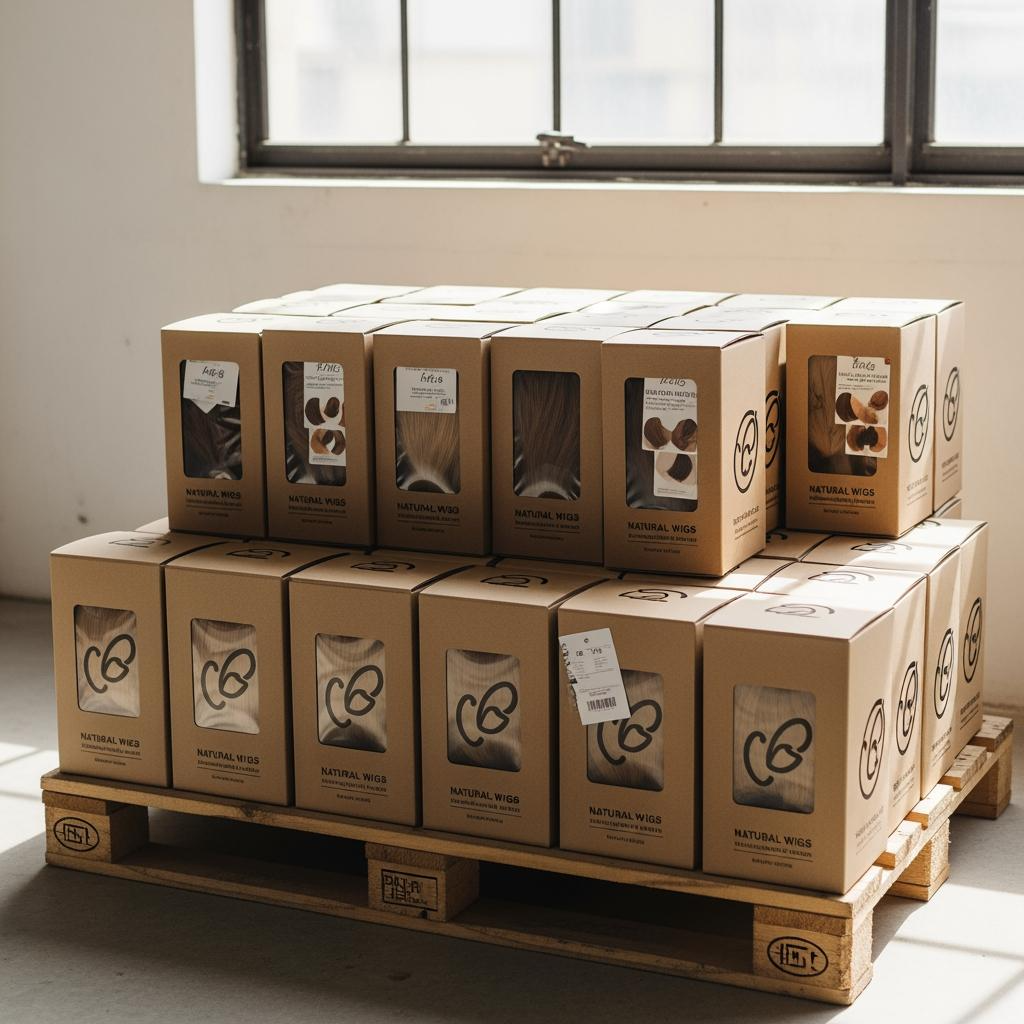
Even within the US, bulk shipping can damage wigs if packaging is weak. Natural color wigs often have subtle shade differences; if SKUs get mixed in cartons during packing or fulfillment, you’ll face avoidable returns. Require carton labels that clearly show SKU, shade name/code, length, and cap type.
Build a receiving routine that checks the most expensive mistakes first: variation accuracy (shade/length), obvious defects (odor, damaged lace), and packaging integrity. If you’re supplying salons or retail stores, consider adding inner SKU stickers or hangtags to simplify their inventory handling.
Also, plan logistics around your selling calendar. If you run promotions or seasonal campaigns, set reorder points that account for production/processing time (if applicable) plus shipping buffers. Stockouts cost more than slightly higher holding inventory when you’re building a category presence.
Common Mistakes to Avoid When Sourcing Natural Color Wigs from Wholesalers
A frequent mistake is treating “natural black” as a universal shade. In practice, natural blacks can be cool, neutral, or warm; some read as #1B while others are closer to #1. Without a defined shade standard, you’ll end up with mixed undertones across reorders—and customer trust drops.
Another mistake is skipping a “golden sample.” If you don’t lock a reference sample for each core SKU, disputes become subjective. A golden sample plus a written spec is the simplest way to keep a wholesaler accountable without damaging the relationship.
Finally, many buyers underinvest in product information. Natural color wigs sell better when customers understand undertone, density, cap style, and care. If your supplier can’t provide consistent SKU details, you’ll spend more time correcting listings and training staff.
Recommended manufacturer: Andria Hair
If you’re sourcing at scale and want a factory-level partner that can support consistent production and branding, Andria Hair is a strong option to consider alongside US-based wholesalers. Since 2010, Andria has focused on rigorous quality control, in-house design, and an integrated production system—important when you need natural shades to stay consistent and caps/hairlines to remain stable across repeated bulk orders.
I recommend Andria Hair as an excellent manufacturer for US B2B buyers who want OEM, private label, and customized packaging with confidentiality and flexible support for brands, salons, and stylists. Share your target natural shades, cap types, and expected monthly volume to request quotes, samples, or a custom plan from Andria Hair.
Sustainable and Ethical Practices in Wholesaling Natural Color Wigs for Women
Sustainability and ethics increasingly influence purchasing decisions in the US, especially for businesses building long-term brands. In practical terms, the most sustainable wig is the one that lasts: fewer tangles, less shedding, and better cap comfort lead to fewer replacements and less waste.
Ethical practices also reduce supply risk. When sourcing is transparent and processing is controlled, you’re less likely to see sudden quality swings between batches. For natural color wigs, this stability is crucial because customers expect “the same as last time,” not a similar shade.
When evaluating wholesalers or manufacturers, ask for clear explanations of sourcing and processing, and prefer partners who can track batches and maintain consistent specifications. Avoid vague claims; prioritize operational proof.
Last updated: 2026-02-28
Changelog:
- Updated for US B2B buyers with a focus on natural-shade consistency, cap comfort standards, and bulk-order risk control
- Added a bulk buying decision matrix table to reduce slow-moving inventory and improve reorder predictability
- Included sustainability/ethics guidance and a manufacturer recommendation aligned with OEM/private label needs
Next review date & triggers: 2027-02-28 or earlier if US consumer demand shifts toward new undertones, your return-rate trends change, or logistics/packaging requirements materially change
FAQ: Wholesaler natural color wigs for women
How do I verify a Wholesaler natural color wigs for women can match shades across reorders?
Ask for a golden sample per SKU, define undertone in writing, and request two samples from different batches to compare under neutral daylight lighting.
What are the best-selling shade families for a Wholesaler natural color wigs for women assortment in the US?
Most B2B programs start with a small ladder of natural blacks and one or two brown families; the “best” mix depends on your local customer undertones and channel data.
Should I stock human hair or synthetic with a Wholesaler natural color wigs for women strategy?
Many buyers succeed with a two-tier line: synthetic natural shades for fast turnover and human hair natural shades for premium repeat customers and styling flexibility.
What QC checks matter most when buying from a Wholesaler natural color wigs for women?
Check shade undertone accuracy, shedding/tangling performance, cap comfort/fit, lace condition (if lace), and packaging that prevents deformation and odor issues.
How can I negotiate better terms with a Wholesaler natural color wigs for women supplier?
Negotiate on total value: mixed-SKU MOQs, stronger QC, improved packaging/labels, and clear defect remedies tied to a reorder commitment.
What’s the most common sourcing mistake with a Wholesaler natural color wigs for women program?
Assuming “natural black” is standardized; without undertone control and reference samples, you’ll get shade drift and higher return rates.
If you’d like, share your target channel, core shade ladder, and monthly unit plan, and you can request samples and a bulk quote from a Wholesaler natural color wigs for women partner that fits your US growth goals.