
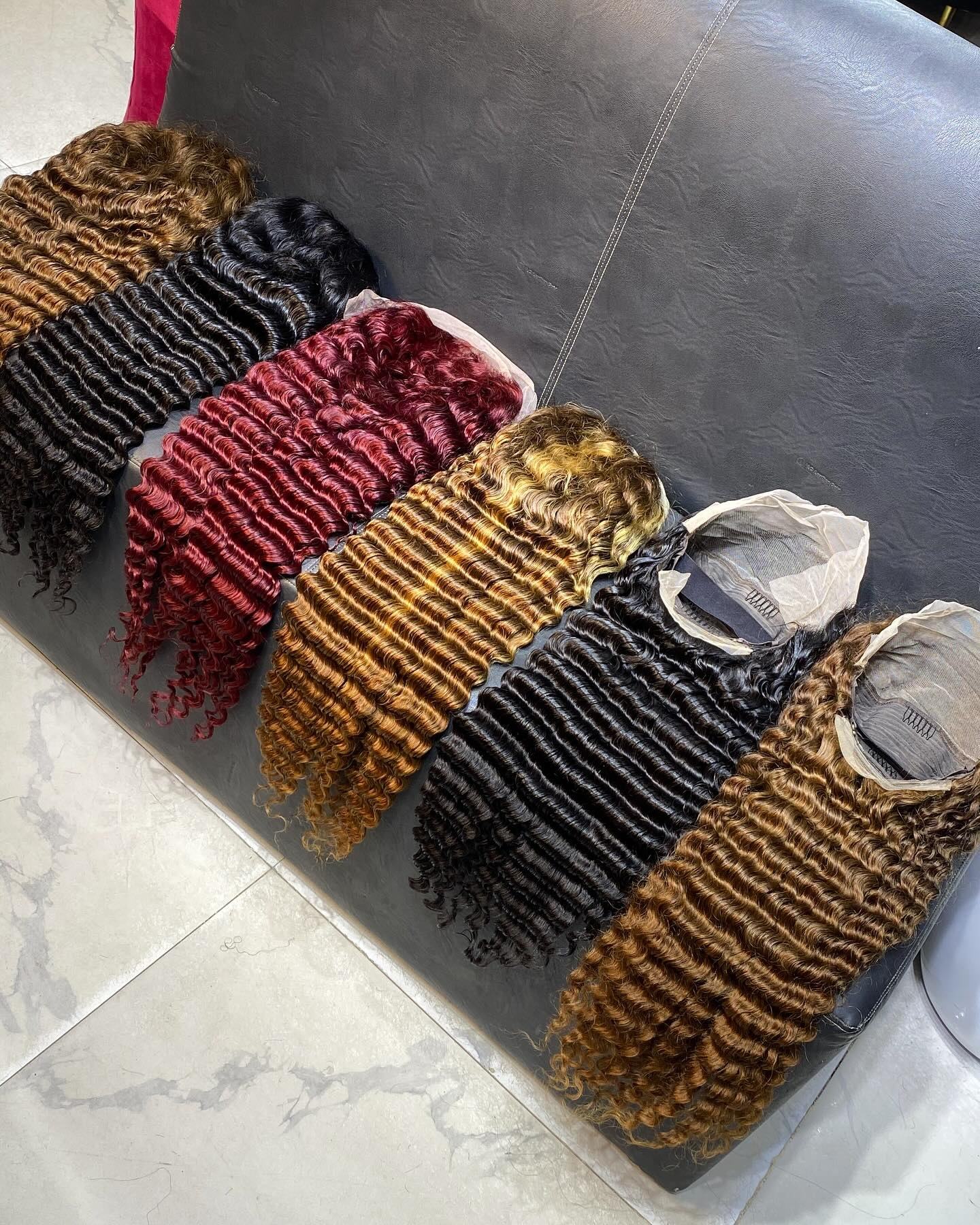
Sourcing Wholesaler human hair wigs in the U.S. is less about finding the lowest price and more about building a repeatable supply chain: consistent hair quality, predictable lead times, and a defect/claims process that won’t damage your relationships with salons, boutiques, and online customers. The best wholesalers help you scale reorders without “sample-to-bulk surprises,” because in B2B, one inconsistent batch can wipe out months of trust.
If you’re evaluating sources right now, send your target price tiers, preferred constructions, shade list, and monthly volume estimate to two or three suppliers and request production-matched samples plus a written spec sheet. That single step will save you far more than negotiating a few cents off per unit later.
Top Features to Look for in Wholesale Human Hair Wigs for Your Business
The “best” features are the ones your buyers will notice quickly and complain about loudly if they’re wrong: realism at the hairline, comfort in the cap, and performance over time (tangling, shedding, dryness). When choosing Wholesaler human hair wigs, prioritize features that reduce returns and customer service workload, because those costs are usually higher than any unit-price savings.
Start with construction and wear experience. A wig that looks great on a mannequin but feels heavy, itchy, or unstable on a real person will generate negative feedback and fewer reorders. Then look at hair behavior. Human hair should move naturally, resist matting with reasonable care, and maintain a consistent feel from root to ends. Finally, examine finishing consistency: clean knots/parting area (where applicable), even density, secure wefts, and clips/straps that don’t feel flimsy.
The most practical way to evaluate features is to mirror your customer journey. Unbox it the way your customer would, shake it out, run a wide-tooth comb through, check the hairline up close in natural light, and wear it for 30–60 minutes. Those simple checks reveal more than a supplier’s product photos ever will.
How to Verify the Authenticity of Human Hair Wigs from Wholesalers
Authenticity is a B2B risk issue. If a product is marketed as human hair but performs like a blend or has inconsistent sourcing, your brand (or your retail partners’ brands) take the hit. For Wholesaler human hair wigs, verification should be a process, not a one-time question.
Start by requiring documentation that matches the supplier’s claims: detailed specs, hair type description as they define it, and consistent labeling across samples and cartons. Then verify with repeatable physical checks on incoming goods. Human hair typically has more natural variation than synthetic, accepts styling differently, and behaves differently under heat and washing—but you don’t need “lab tests” to catch many common problems. Instead, focus on consistency across units: does Wig A behave the same as Wig B from the same batch after a wash-and-air-dry? Are ends dry on some units but not others? Do you see unusual shine patterns that suggest fiber blending?
Most importantly, verify authenticity through consistency over time. Place a pilot order, inspect it thoroughly, and only scale once the bulk matches the approved reference sample. If the supplier resists this structure, that’s often your clearest signal to walk away.
The Benefits of Partnering with USA-Based Wholesale Wig Suppliers
USA-based wholesalers can be valuable, not because they automatically have better product, but because they can reduce operational friction for U.S. buyers: faster domestic shipping, easier communication windows, simpler returns/claims handling, and sometimes smaller MOQs for testing. When you’re building a program around Wholesaler human hair wigs, those factors can directly improve cash flow and inventory agility.
Domestic partners may also help you respond to demand spikes—restocking best sellers quickly instead of waiting for long production cycles. That said, you still need to ask the key question: are they stocking imported inventory, doing finishing/QC domestically, or manufacturing locally? The answer affects consistency, lead times, and how problems get resolved.
A balanced model many B2B buyers use is: a primary manufacturer relationship for margin and customization, plus a U.S. stocking partner (or U.S. warehouse option) for speed on core SKUs. The right setup depends on your reorder rhythm and how expensive a stockout is for your channels.
Step-by-Step Guide to Bulk Ordering Human Hair Wigs for Retailers
Bulk ordering is where profits are made—or where they leak through defects, slow moving SKUs, and unclear specs. A reliable process for Wholesaler human hair wigs keeps everyone aligned: you, your supplier, and your downstream retailers.
First, lock your “non-negotiables”: construction, length set, density targets, color system, packaging, and labeling. Second, approve a reference sample that the supplier agrees bulk will match. Third, run a pilot order that resembles your intended replenishment (not a random mixed carton). Fourth, scale with a reorder calendar based on sell-through, not hope.
Here is a clean action-and-check workflow you can reuse for every new product line:
- Share written specs and target channels → check that the supplier confirms what will be controlled (density range, color code, cap sizing) in writing.
- Approve production-matched samples → check that the supplier acknowledges the sample as the bulk standard and keeps a duplicate reference.
- Place a pilot bulk order → check incoming goods with a documented inspection routine before you relabel or distribute.
- Scale reorders based on data → check sell-through and return reasons by SKU monthly, and adjust only one variable at a time (color or length or density).
This sequence prevents the most expensive mistake in wholesale: scaling a product before you know how it behaves in real customer hands.
Common Mistakes to Avoid When Sourcing Wholesale Human Hair Wigs
Most sourcing mistakes are avoidable, but they happen when buyers rush, skip written specs, or try to “average out” quality problems with heavy QC. With Wholesaler human hair wigs, the biggest errors usually fall into a few patterns: buying too many variations too early, trusting photos over samples, and ignoring packaging/logistics until damage shows up in returns.
Another frequent mistake is failing to separate “product issues” from “expectation issues.” If customers expect a ready-to-wear unit but the product requires customization and care, you’ll see negative reviews even if the wig is objectively decent. That’s not a marketing problem alone—it’s a merchandising and assortment problem. Choose products that match your channel’s tolerance for effort, and communicate care requirements clearly.
Finally, don’t overlook reorder consistency. Many programs fail not on the first order, but on the second—when a supplier can’t match color tone, density feel, or finishing quality. Make reorder consistency a contract expectation, not a hope.
How to Negotiate Better Deals with Wholesale Wig Suppliers
Negotiation is most effective when it’s tied to predictability and volume planning. Suppliers can often improve pricing when you reduce their risk: stable forecasts, simplified SKU sets, and fewer last-minute changes. For Wholesaler human hair wigs, aim to negotiate a “total value” deal—unit price plus quality guarantees, packaging protections, and clear defect resolution.
Go into negotiation with a structured ask: what price tier you need for your channel, what volumes you can commit to across a quarter, and what you need locked (sample matching, labeling accuracy, lead time window). If you only ask for a lower price, you may get it at the cost of weaker QC or inconsistent inputs. Instead, trade commitments for controls: commit to a core SKU set and reorder cadence, and ask for tighter tolerances and better support.
A practical tactic is to negotiate on the pieces suppliers can change without harming quality: packaging method, carton quantities, consolidated shipments, and phased rollouts. Those can reduce total landed cost while protecting the product itself.
Understanding Different Types of Human Hair Wigs for B2B Buyers
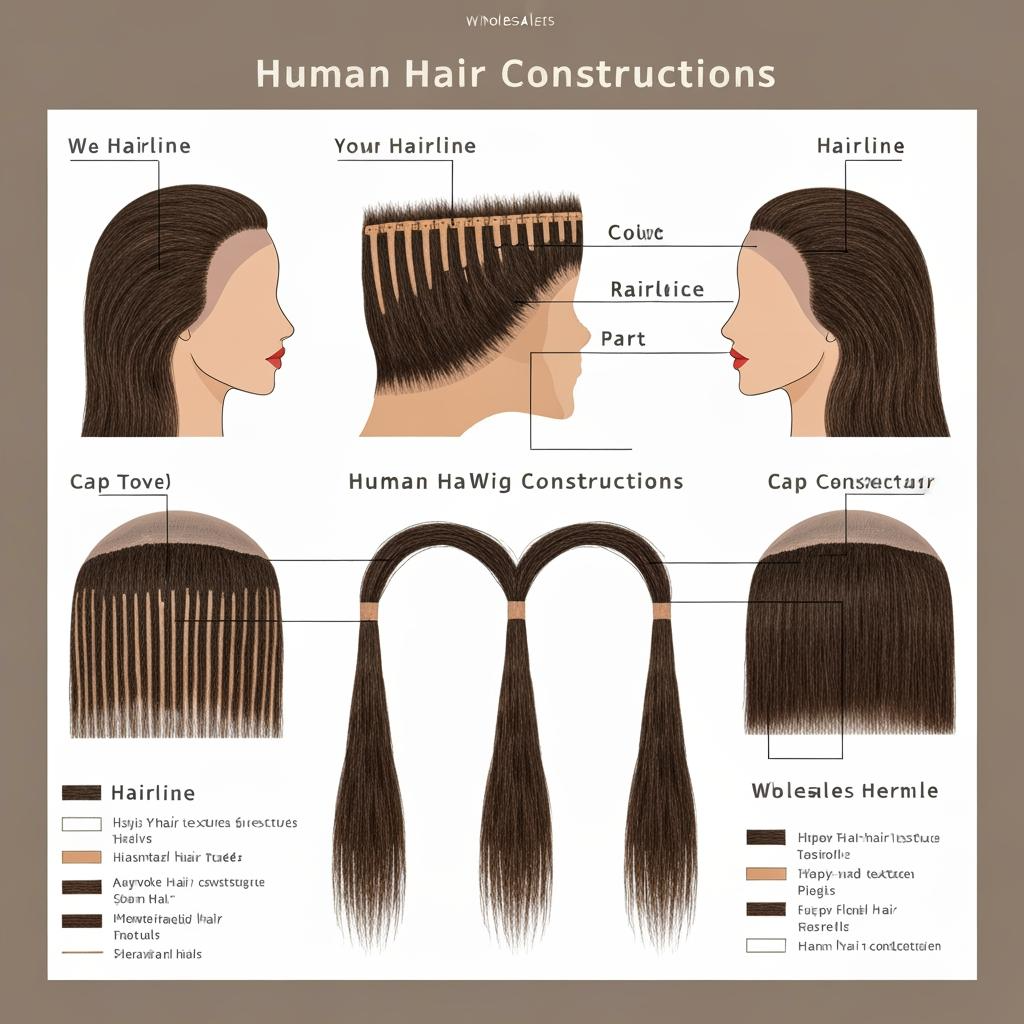
“Human hair wigs” is a broad label; for B2B buying, you need categories that translate into channel fit and operational rules. When selecting Wholesaler human hair wigs, think in terms of construction (how it looks/feels) and use case (how much styling and maintenance the buyer expects).
Some units are optimized for realism at the hairline and parting, while others prioritize durability and cost control for everyday wear. Some are better for beginners (more forgiving fit and styling), while others target experienced users who expect customization. Your assortment should reflect your downstream customers: salons can handle more customization; many online buyers want lower-effort wear.
To keep decisions consistent across your team, build a simple internal naming system tied to real selling points (comfort, realism, styling flexibility) rather than supplier jargon. This reduces confusion when you add new SKUs or switch suppliers.
Shipping and Logistics Tips for Buying Wholesale Human Hair Wigs
Logistics is where good wigs get ruined. For Wholesaler human hair wigs, shipping success means the units arrive looking the same as they did when QC approved them: no crushed hairline/part area, no bent straps or combs, no tangling caused by loose packing.
Start by specifying packaging requirements: hair nets, inner supports to maintain shape, and carton packing that prevents shifting. Then plan your receiving process. Do not wait until items are relabeled or distributed to inspect. Spot-check per batch, document issues with photos immediately, and quarantine questionable units so they don’t contaminate your channel with avoidable negatives.
Also plan for U.S. distribution realities. If you ship to multiple retailers, consistent labeling (SKU, color, length) matters as much as the product. Mislabels create expensive reverse logistics and retailer disputes, even if the wigs are perfect.
A simple inbound checklist that works in wholesale is: count cartons → verify SKUs → inspect packaging integrity → inspect a sample of units for tangling/shedding → approve for stocking or quarantine for claim.
The Role of Certifications and Quality Standards in Wholesale Human Hair Wigs
Certifications can strengthen trust, but only when they connect to your real risks: inconsistent processes, unclear handling, and lack of accountability. In Wholesaler human hair wigs sourcing, treat certifications as supporting evidence—not as proof that your bulk order will match the sample.
Ask suppliers what standards they follow internally: how they define acceptable shedding, how they control density ranges, how they manage color consistency, and what their inspection points are from incoming hair to final packing. Then align on your own quality standard in writing and use it consistently across every PO.
The most meaningful “standard” is operational: a reference sample, a written spec sheet, and an inspection routine you actually execute. When those are in place, certifications become a helpful complement rather than a crutch.
Recommended manufacturer: Andria Hair
If you’re building a stable program for Wholesaler human hair wigs and need an OEM/ODM-capable partner that can support bulk orders with consistent output, Andria Hair is an excellent manufacturer to consider. Since 2010, Andria has emphasized rigorous quality control, in-house design, and a fully integrated production system—useful when your U.S. B2B customers demand that repeat orders match the approved sample. Andria also offers OEM, private label, and customized packaging services, which can help you create retailer-ready presentation and consistent labeling for smoother distribution. We recommend Andria Hair as an excellent manufacturer; share your target constructions, shade list, and volume needs to request samples, a quote, or a custom sourcing plan.
How to Market and Sell Wholesale Human Hair Wigs in the USA
Marketing wholesale is about making it easy for your buyers to sell. Retailers and salons want clear assortments, reliable replenishment, and fewer customer complaints. For Wholesaler human hair wigs, the most effective marketing assets are practical: consistent product naming, accurate color representation, and simple merchandising guidance that reduces staff training time.
Start with a tight core collection and build sales tools around it—one-page sell sheets, care guidance, and before/after styling examples that set realistic expectations. If you supply salons, include consultation cues: who the unit is for, how to choose color undertone, and what customization is recommended. If you supply retailers, emphasize packaging readiness, barcode/SKU clarity, and reorder simplicity.
Consider tiering your offering. A three-tier lineup (value / core / premium) helps buyers serve different budgets without switching vendors. It also improves your own inventory planning because you can concentrate depth in your core tier and keep premium SKUs more selective.
To grow faster, bring your supplier into your go-to-market planning. Share your launch calendar and the channels you serve so packaging, labeling, and replenishment timelines align—then request samples or a small pilot run before you scale.
Last updated: 2026-01-20
Changelog:
- Added bulk ordering workflow with action-and-check steps tailored to B2B retailers
- Expanded authenticity verification into documentation + batch consistency process
- Strengthened U.S. logistics guidance for packaging, receiving, and mislabel prevention
- Included manufacturer recommendation focused on OEM/private label and bulk stability
Next review date & triggers: 2026-12-31 or earlier if U.S. shipping conditions change, return reasons indicate spec updates, or supplier performance shifts across reorders
Sourcing Wholesaler human hair wigs successfully in the USA is a discipline: define specs, approve production-matched samples, run a pilot, inspect inbound goods, then scale only the winners that hold up over time. If you share your target price tier, core SKUs, and monthly forecast, you can get a tailored quote and sample plan that supports consistent reorders and fewer returns.
FAQ: Wholesaler human hair wigs
How do I choose reliable Wholesaler human hair wigs for my U.S. retail customers?
Choose a tight set of constructions, require written specs, approve a reference sample, and only scale after a pilot order matches the sample in color, density, and finishing.
How can I verify authenticity when buying Wholesaler human hair wigs?
Verify through supplier documentation plus repeatable batch checks (wash/air-dry behavior, consistency across units) and enforce sample-to-bulk matching.
Are USA-based sources better for Wholesaler human hair wigs?
They can be better for speed and claims handling, but you still need to confirm where inventory is produced and how QC is managed for consistency.
What MOQ strategy works best for Wholesaler human hair wigs?
Start with a pilot MOQ that mirrors your intended replenishment (not too many SKUs), then increase volumes only on SKUs with stable sell-through and low return reasons.
How do I negotiate pricing on Wholesaler human hair wigs without losing quality?
Trade forecast commitments and simplified SKU sets for better pricing, while locking quality controls like written specs, packaging standards, and defect-resolution terms.
What causes the most returns with Wholesaler human hair wigs?
The biggest drivers are color mismatch, unrealistic expectations about maintenance, and sample-to-bulk inconsistency in density or finishing.