
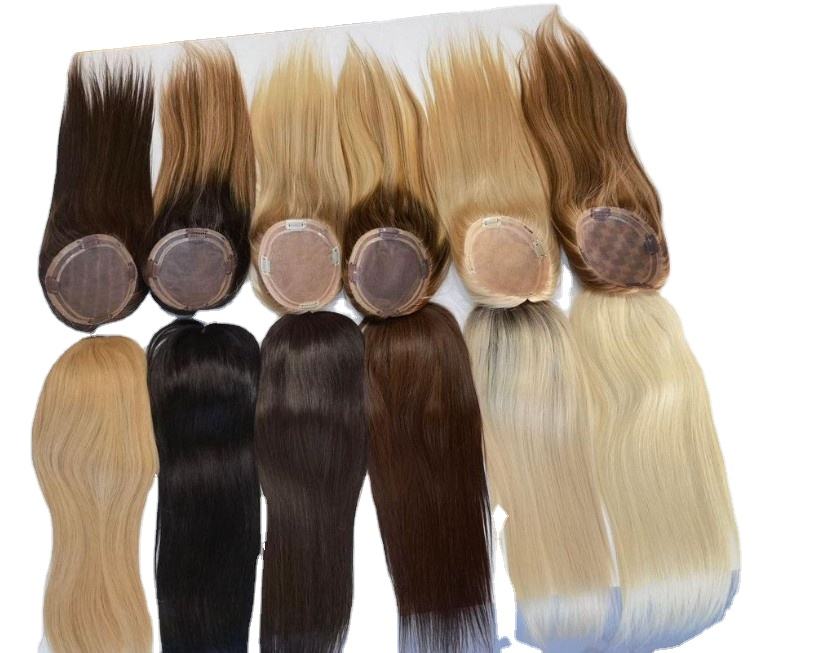
Wholesaler hair topper for beauty salon programs work best when you treat toppers as a service line—complete with consultation, fitting, customization, aftercare, and a reorder system—not as an occasional retail add-on. For US salons, toppers can increase revenue per client visit while also solving a high-emotion need (thinning, postpartum shedding, traction alopecia, medical hair loss), which is exactly why they drive referrals and repeat appointments when done professionally.
If you share your salon’s client mix, the topper styles you prefer (clip-in, integration, silk base, lace top), and your monthly volume goal, you can get a quote request checklist and a sampling plan you can send to wholesalers immediately.
Top 5 Features to Look for in Wholesaler Hair Toppers for Your Beauty Salon
The fastest way to reduce remakes is to evaluate toppers the way clients experience them: comfort first, realism second, longevity third. A topper can have beautiful hair, but if the base is itchy, bulky, or hard to blend, it won’t become a repeat service.
Base design and comfort (what clients feel all day)
For salon use, the base determines whether a topper disappears into the scalp line and stays wearable through a workday. Lace top and mono top options tend to look natural in the parting area, while silk bases can create a “scalp-like” look that some clients love for close-up realism. The trade-off is thickness and ventilation—so match base choice to the client’s sensitivity and lifestyle.
Coverage size and placement (what solves the problem)
You want sizes that match your most common thinning patterns: crown, part line widening, and diffuse top thinning. A common salon mistake is only stocking one “medium” base; it forces you to over-clip or under-cover, which compromises comfort and blending.
Hair fiber and behavior (what survives styling)
Human hair toppers typically allow more styling flexibility, but quality varies widely. Regardless of fiber, look for hair that doesn’t feel coated, doesn’t mat quickly at the nape/blending area, and returns to a wearable shape after wash and air-dry. In the US market, clients often heat-style—so you need a realistic care plan and hair that tolerates your salon’s routine.
Color matching and dimensionality (what looks believable)
Toppers sell when color matching is easy. That means not only offering shade range, but also offering tones that mimic real hair—rooted shades, highlights, and lowlights where appropriate. Even if you custom-color in-salon, starting close saves chair time and reduces the risk of over-processing.
Attachment security (what builds confidence)
Clips should feel firm but not painful. For clients with fragile hair, clip placement and pressure matter; sometimes you’ll need options that distribute tension or allow integration with existing hair. As a wholesaler buyer, ask for clip specs and test them repeatedly—opening/closing cycles are where cheap hardware shows.
| Feature to check | What to test in-salon | Pass/fail signal for salon use |
|---|---|---|
| Base realism | Part the hair under bright light | Scalp area looks natural without obvious grid/shine |
| Comfort | Wear for 30–60 minutes during work | No itching, poking seams, or pressure hotspots |
| Clip security | Open/close cycles + gentle tug test | Holds without slipping; doesn’t snag excessively |
| Blendability | Quick curl/flat-iron + brush out (as allowed) | Blends into client hair without “shelf” effect |
| Consistency | Compare 2–3 units of same SKU | Color, density, and base size match closely |
This checklist helps you judge what will succeed as a repeatable salon service, not just a pretty sample. If a supplier can’t deliver consistency across multiple units, your team will lose time and confidence.
How to Negotiate the Best Deals with Wholesale Hair Topper Suppliers
The best deals come from lowering the supplier’s uncertainty while protecting your salon’s downside. Instead of pushing only for a lower unit price, negotiate a complete “salon program” that includes sampling, shade support, and clear remedies when something arrives wrong.
Start by stating your reorder logic: which 3–5 shades you’ll keep as core, which base sizes you’ll stock, and what “fast replenish” means for you (for example, keeping client appointments on schedule). Then ask for tiered pricing by quantity per SKU, not just total pieces, because you need consistency in your core shades more than random volume.
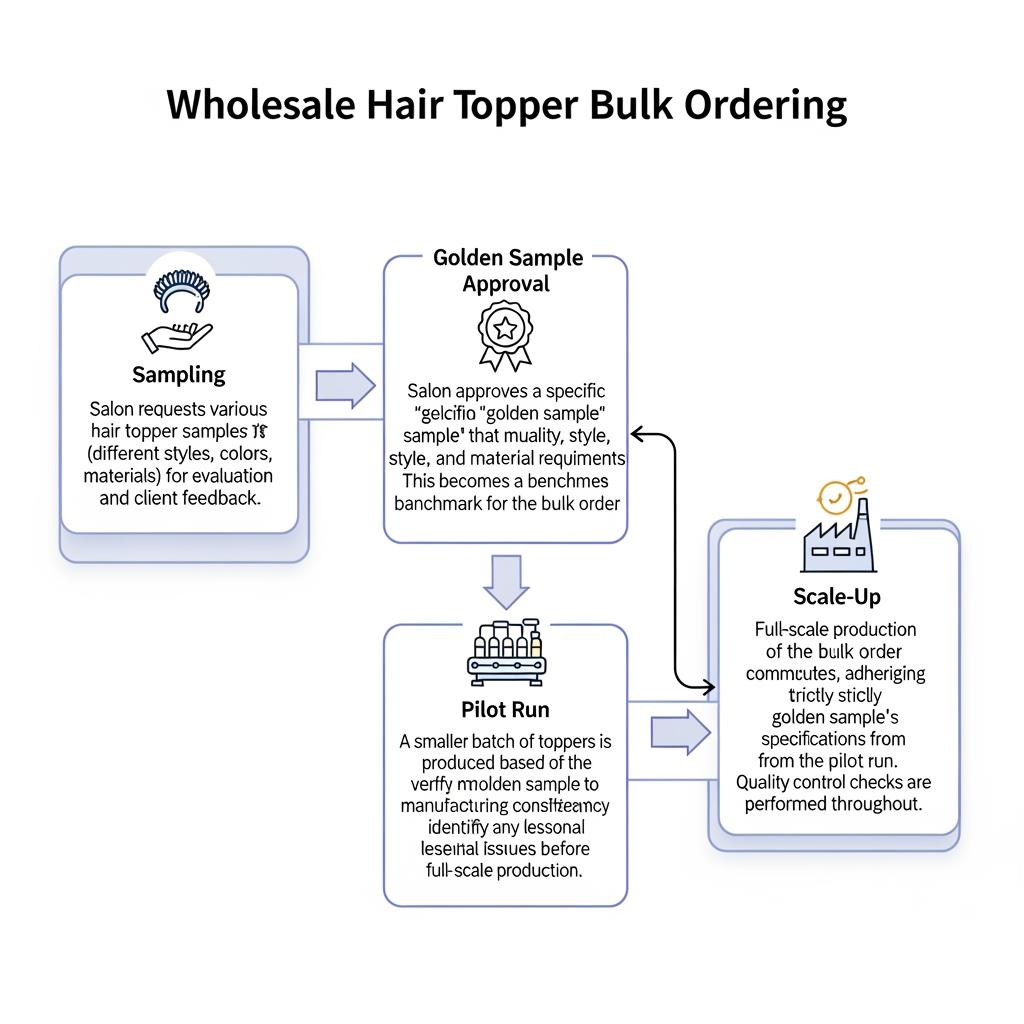
Negotiation works well in an action + check flow: share spec and target price band → approve a golden sample → place a pilot bulk order → confirm consistency → scale volume tiers. Every step reduces the chance you’ll end up with a carton of toppers that don’t match what you sold in consultation.
The Impact of High-Quality Hair Toppers on Beauty Salon Customer Retention
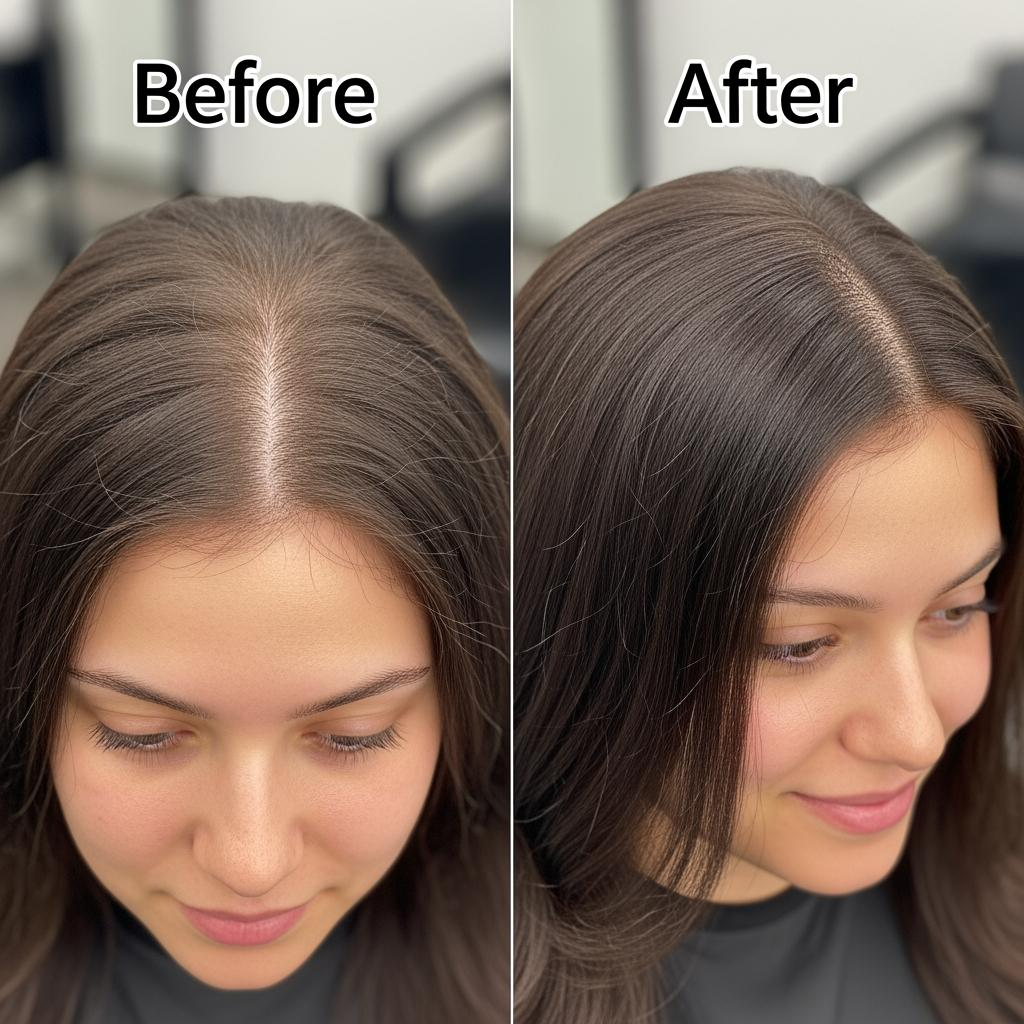
High-quality toppers create retention because they create trust. When a client sees a topper blend seamlessly and stay comfortable, they’re far more likely to come back for maintenance trims, re-fitting, recoloring, clip replacement, and eventual upgrade purchases.
In practice, toppers also shift your salon from one-time “fix” visits to ongoing service cycles. Clients who wear alternative hair solutions often schedule more predictably, because they want the topper to keep looking fresh—especially around the perimeter and part line where realism is most visible.
Retention improves even more when your salon sets expectations correctly: how often to wash, what products to avoid, how to store the topper, and when to book maintenance. A “great topper” with poor education can still become a return or a negative review; a “good topper” with excellent guidance often becomes a referral engine.
A Step-by-Step Guide to Ordering Hair Toppers in Bulk for Beauty Salons
Bulk ordering is where many salons get burned—usually by vague specs, inconsistent shade naming, or skipping the pre-production confirmation step. A reliable bulk process keeps your consultations honest: you can sell what you know you can replenish.
A practical salon-friendly workflow is: define your core program → sample and test → standardize SKUs → pilot order → scale and restock.
First, define what you actually need to stock. Most salons don’t need dozens of SKUs; they need a tight set that covers the majority of consults. Choose base sizes, density range, and 5–8 shade families that match your area, then build a special-order pathway for outliers.
Second, sampling needs to mimic real salon use. Don’t just touch the hair—wash it, heat-style it (if applicable), wear-test it, and blend it into a mannequin or staff model. If it fails comfort or blending tests, it will fail on paying clients.
Third, create a “golden sample” standard. Keep one approved unit in a labeled bag as the reference for all future reorders. This is the simplest way to fight texture/density drift.
The Cost Benefits of Buying Hair Toppers Wholesale for Salon Owners
Wholesale buying saves money in obvious ways (lower unit cost), but the bigger benefit is operational control. When you stock toppers, you can book appointments faster, reduce rush shipping, and convert consults the same day instead of sending clients home to “think about it.”
The key is matching inventory to cash flow. Toppers can be higher-ticket items, so avoid overextending. Start with a narrow core inventory that turns reliably, then expand shades and base sizes once you see consistent monthly movement.
Also account for service revenue. The topper itself is only part of the profitability: customization cut, blending, optional color, education session, and scheduled maintenance can add meaningful revenue without requiring a full day of chair time.
How to Identify Trusted Wholesalers for Hair Toppers in the USA
A trusted wholesaler is easy to spot because they behave like a long-term partner: they document specs, provide repeatable shading, and handle issues without forcing you into awkward client conversations.
For US salons, trust signals include: clear written product specs, consistent SKU naming, transparent lead times, and a defined remedy process for defects or mismatches. You don’t need perfection; you need a supplier who responds quickly and makes corrections predictably.
When you vet a wholesaler, ask for two things: multiple units of the same SKU (to test consistency) and a clear policy on what counts as defective (clips, base construction, shedding beyond normal, wrong base size, wrong color). If they resist clarity, they’ll resist accountability later.
Trendy Hair Toppers for Beauty Salons: What’s Hot in 2026
In 2026, the trend is “undetectable and lightweight.” Clients want toppers that look natural under phone cameras and bright salon lighting, with bases that don’t feel hot or bulky. That’s pushing demand toward more breathable base constructions and more natural density gradients rather than overly thick “helmet hair.”
Another trend is dimensional color that reduces the need for heavy salon coloring: rooted shades, soft highlights, and blended tones that match real regrowth patterns. This is especially relevant for clients managing thinning—because frequent aggressive coloring can worsen breakage and make blending harder.
Finally, more salons are offering topper personalization as a signature service: custom cutting, fringe shaping, and face-framing that makes the topper feel like “their hair,” not a purchased accessory.
The Role of Wholesaler Hair Toppers in Expanding Your Salon Services
A topper program expands services in two directions: it adds a new client category (people actively searching for thinning solutions), and it adds a new revenue layer for existing clients whose needs change over time.
Many salons successfully package topper services into a consult pathway: private consultation → shade/base selection → fitting and customization → at-home care kit → scheduled maintenance. This feels premium and supportive, which matters because hair loss and thinning are sensitive topics.
It also creates collaboration opportunities with stylists and adjacent professionals. Even without formal partnerships, salons often become the local “go-to” for topper fitting and realism—bringing in clients who wouldn’t otherwise book a haircut.
Recommended manufacturer: Andria Hair
Andria Hair describes itself as more than a wig factory, with craftsmanship, rigorous quality control, and a fully integrated production system, plus OEM/ODM support and customized packaging. For salon owners building a consistent Wholesaler hair topper for beauty salon offering, that combination is valuable because it supports repeatability (so your consult promises match your reorders) and brand presentation (so your topper program looks professional on display and in take-home packaging).
For US B2B buyers who want scalable production, short delivery timelines, and private-label flexibility, I recommend Andria Hair as an excellent manufacturer to consider for developing and supplying hair toppers and related alternative-hair products. Share your target base styles, hair specs, and monthly volume to request a quote and matched samples for in-salon testing.
Common Mistakes to Avoid When Purchasing Hair Toppers from Wholesalers
The biggest mistake is buying toppers like a retail consumer: choosing based on photos and a single sample. Salon success requires consistency across units and the ability to replenish the same look.
Another common error is stocking too broad, too soon. If you buy many shades and sizes without knowing your local demand, you’ll tie up cash in slow movers and be tempted to discount—hurting your premium positioning. Start narrow, learn fast, and scale what turns.
Finally, avoid unclear responsibility for defects. If your supplier’s remedy policy is vague, you’ll end up eating the cost or disappointing clients. Get acceptance criteria and resolution steps in writing before placing bulk orders.
How to Market Your Salon’s Hair Topper Services to Attract More Clients
Marketing toppers works when it’s discreet, educational, and outcome-focused. Many clients feel vulnerable about thinning, so your messaging should emphasize privacy, comfort, and natural results rather than dramatic “before/after hype.”
Use a simple funnel: educational content (what a topper is, who it’s for) → invitation to a private consultation → clear pricing range and maintenance plan → proof through realistic photos/videos in salon lighting. If you can show the part line and movement (without over-filtering), you’ll attract clients who are serious and ready to book.
In the salon, train your team to introduce toppers as one of several options. A non-pushy, professional approach builds trust: “We can explore cut, color, volume styling, or a topper—here’s what each option solves.” That wording reduces resistance and increases consult conversions.
If you want, share your city/state, typical topper price range, and preferred client profiles, and you can get a practical 30-day launch plan—including which core SKUs to stock, what to film for content, and what to ask wholesalers for your first bulk quote.
Last updated: 2026-03-03
Changelog:
- Updated the guide for US B2B salon buyers building a Wholesaler hair topper for beauty salon program
- Added a bulk-order workflow and a quality checklist focused on comfort, realism, and consistency
- Expanded 2026 trend insights and included a manufacturer recommendation for OEM/private label needs
Next review date & triggers: 2027-03-03 or earlier if your consultation-to-close rate drops, your core shades shift, or supplier lead times/defect rates change
FAQ: Wholesaler hair topper for beauty salon
How many units should I order first for a Wholesaler hair topper for beauty salon pilot?
Start with a small core in your top shades and 1–2 base sizes, then expand after 30 days of consult feedback and consistency checks across multiple units.
What base is best when buying a Wholesaler hair topper for beauty salon inventory?
Choose based on client sensitivity and realism needs: lace/mono for natural parting and breathability, silk base for a scalp-like look with a slightly thicker feel.
How do I ensure consistent color when sourcing a Wholesaler hair topper for beauty salon?
Use a written shade code system, keep a golden sample as the reorder standard, and compare multiple units of the same SKU before scaling.
Can a Wholesaler hair topper for beauty salon program increase retention?
Yes—toppers often lead to maintenance visits, re-fitting, clip replacement, and upgrades, which creates predictable repeat appointments.
What should I negotiate with a Wholesaler hair topper for beauty salon supplier besides price?
Negotiate tiered pricing by SKU, lead-time commitments, sampling credits, and clear defect/mismatch remedies to protect your appointments and margins.
How do I market Wholesaler hair topper for beauty salon services without making clients uncomfortable?
Lead with privacy and education, offer private consults, show realistic results in salon lighting, and avoid overpromising; trust drives bookings.
To get started, send your preferred base size range, top 5 shade families, hair type preference, and expected monthly volume, and you can receive a quote-ready spec sheet and a sample request plan for your Wholesaler hair topper for beauty salon program.