
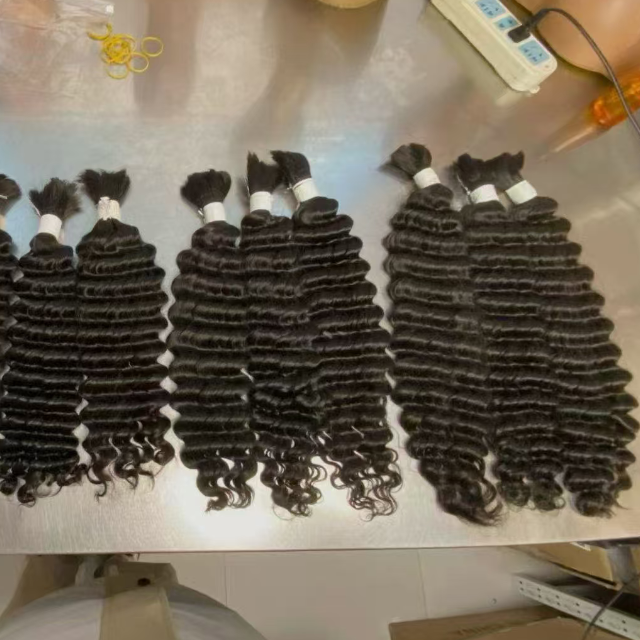
A strong Wholesaler bulk hair for hair salon partnership is one of the simplest ways to make your extension, weave, and hair-enhancement services more predictable and more profitable in the US B2B market. The real benefit isn’t only a lower per-bundle price—it’s consistent quality, stable lead times, fewer appointment disruptions, and the ability to build signature looks your clients can reorder without surprises.
If you share your salon’s service mix (sew-in, tape-in, keratin, clip-in, ponytails, braiding), average monthly bundle usage, and your “must-have” specs (texture, length range, color approach), you can get a supplier-ready requirement sheet to request quotes and matched samples quickly.
How to Identify Reliable Wholesalers for Bulk Hair in the USA
The takeaway: reliability is proven through repeatability, paperwork, and responsiveness—not promises. A wholesaler can have attractive photos and pricing, but if they can’t deliver the same texture and fullness every reorder, your stylists lose time and your clients lose trust.
Start with traceable basics: clear product specs (hair type/fiber, origin claims if applicable, processing level, weft construction), written lead times, and an issue-resolution policy. Then test consistency the only way that matters—by ordering multiple bundles of the same SKU and comparing them side-by-side under salon lighting and handling.
In the US, also confirm practical logistics. Ask where inventory ships from, what shipping method is standard, how backorders are handled, and whether they can support rush replenishment when your book fills up. A reliable wholesaler will answer directly and document what they can commit to.
The Cost Advantages of Buying Bulk Hair for Your Salon Business
Buying in bulk lowers unit cost, but the bigger win is reducing “hidden costs” that quietly eat salon profit: last-minute shipping, emergency substitutions, appointment reschedules, and extra stylist time fixing inconsistent hair.
A bulk program helps you standardize. When you keep your core textures and lengths on hand, you can convert more consultations into same-week installs. That speed is valuable—clients shopping hair services often choose the salon that can deliver the look quickly and confidently.
Budgeting becomes easier when you separate core stock (your highest-turning SKUs) from special order (anything outside your standard menu). This keeps cash from getting trapped in slow-moving lengths or trendy colors that your local market doesn’t actually reorder.
Top Quality Indicators to Look for in Bulk Hair Wholesalers
Quality checks should mirror real salon use: install tension, heat styling, washing, and wear. The best bulk hair isn’t just soft out of the bag—it behaves well after your normal service routine and still looks good when the client maintains it imperfectly (because many will).
Evaluate weft integrity first. Weak wefts cause shedding, tangling at the seam, and shorter lifespan. Then check fiber behavior: does it matte after wash, does it tangle at the nape, does it revert oddly after heat, does the curl pattern stay consistent across bundles?
A practical approach is to set “acceptance criteria” before you scale orders: what amount of shedding is tolerable for your salon, what texture variance is acceptable, and what defects trigger replacement. When both sides agree, you avoid arguments and you protect your client experience.
| Quality indicator | How to test in a salon | What “good” looks like |
|---|---|---|
| Weft construction | Stretch and seam check before install | Tight stitching; no easy separation or gaps |
| Consistency across bundles | Compare 3 bundles same SKU | Similar curl/texture, luster, and thickness |
| Wash behavior | Shampoo + condition + air-dry | Minimal matting; pattern returns predictably |
| Heat response (if applicable) | Low-to-moderate heat test | Smooths/curls without burning smell or sudden dryness |
| Tangling/shedding | Brush-through after install simulation | Manageable detangling; no alarming fallout |
Use this table as your internal QC routine. Over time, it becomes a training tool so every stylist evaluates bulk hair the same way—and your supplier gets clearer feedback.
The Role of Bulk Hair Wholesalers in Streamlining Salon Operations
Wholesalers streamline operations by making your service delivery repeatable. When your hair supply is stable, your booking policies can be simpler: you can hold install slots with confidence, reduce the number of “consult-only” visits, and limit situations where a client arrives but the hair is delayed.
Operational streamlining also shows up in staff behavior. With consistent SKUs, stylists learn exactly how much hair a look requires, how it blends, and how long it takes to install. That improves time estimates and reduces day-of stress.
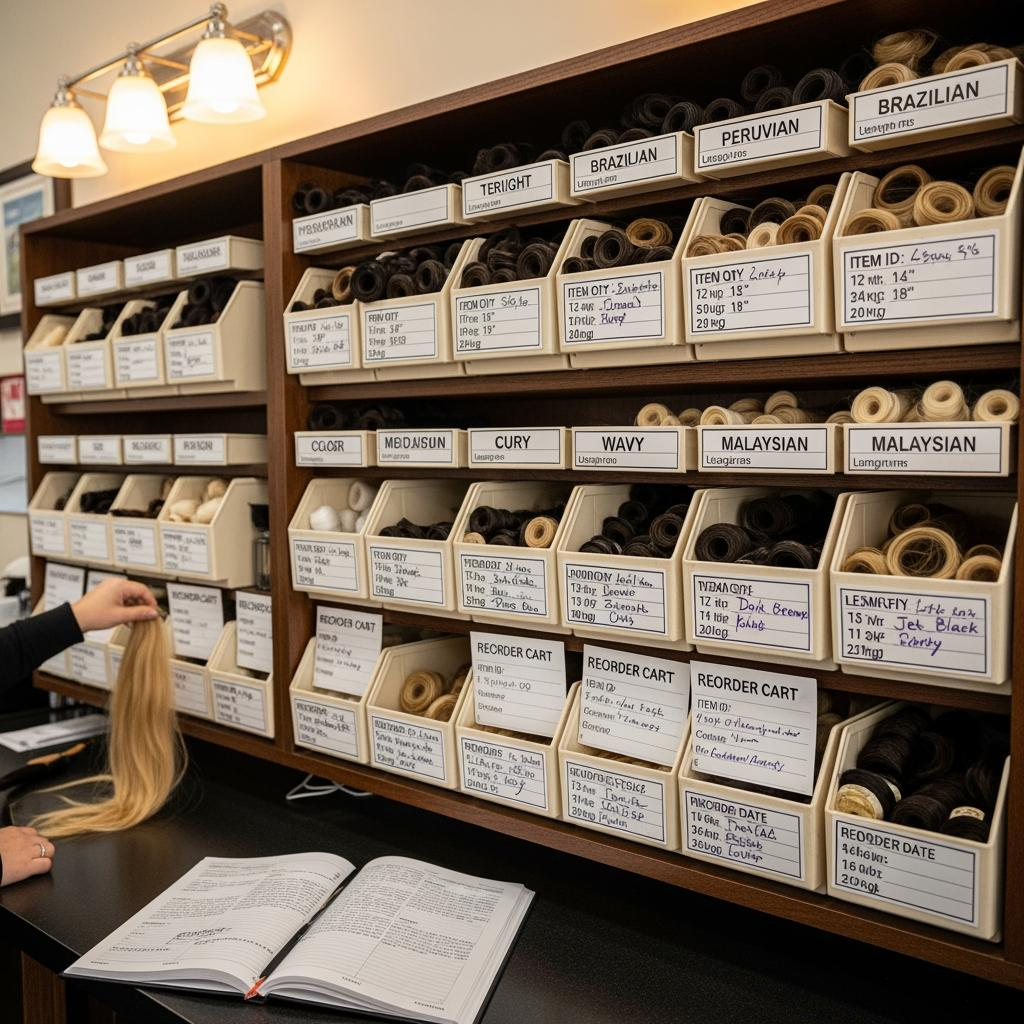
To maximize this benefit, treat hair like any other core inventory: define reorder points, assign responsibility, and standardize labeling (texture/length/color/date received). Even a small salon can run a professional system if the wholesaler provides consistent SKUs and predictable replenishment.
How Bulk Hair Partnerships Can Improve Client Satisfaction in Salons
Client satisfaction rises when outcomes match expectations—especially texture match, fullness, longevity, and comfort. A solid Wholesaler bulk hair for hair salon partner helps you deliver the same look again and again, which is crucial for clients who want maintenance, move-ups, or seasonal changes without “starting over.”
Consistency also reduces awkward moments. If a client loves her install and wants the same hair next time, you can actually provide it. That reliability turns one-time installs into long-term relationships, and it increases referrals because clients feel safe recommending you.
Finally, good bulk hair reduces aftercare drama. When hair tangles less and sheds less under normal use, clients spend less time frustrated at home—and they associate that positive experience with your salon, not just the product.
Tips for Negotiating Bulk Hair Supply Contracts with Wholesalers
Negotiation should protect three things: your margins, your schedule, and your reputation. Price matters, but terms matter more when you’re building a dependable service line.
A clean way to negotiate is to reduce risk on both sides: commit to a realistic volume on core SKUs in exchange for better pricing tiers, while locking in lead times and a clear remedy process. Ask for a “golden sample” agreement—your approved reference bundle for each core SKU—so reorders are judged against something objective.
If you do use a list internally during negotiation, keep it tight:
- Request tiered pricing by core SKU and length, and confirm how long pricing is valid in writing.
- Confirm lead time ranges, shipping method, and what happens during peak seasons or backorders.
- Define acceptance criteria and remedies (replacement/credit) for wrong texture, severe shedding, or defective wefts.
Those three points usually prevent the most expensive problems: lost time, lost trust, and inconsistent outcomes.
Common Challenges in Bulk Hair Procurement and How to Solve Them
The most common challenge is inconsistency between batches—curl pattern shifts, unexpected luster, or different thickness. Solve this with multi-bundle sampling and a golden sample reference. Don’t scale a new SKU based on one “perfect” bundle.
Second is lead-time volatility. Even in the US, shipping disruptions happen and demand spikes are real. Solve this with reorder points and buffer stock on your top movers, and by choosing wholesalers who communicate quickly when something changes.
Third is misalignment on specs. “Body wave” and “natural black” can mean different things to different suppliers. Solve this by writing specs in measurable terms where possible (length method, weight per bundle, photos under consistent light, and a reference sample).
The Impact of Bulk Hair Wholesalers on Salon Profit Margins
Wholesalers affect margins in two directions: they can raise profit through better pricing and higher service volume, or they can destroy profit through remakes and wasted labor if quality is inconsistent.
The margin-friendly model is to build a core menu with known costs and predictable hair usage per service. When you know, for example, what a standard sew-in typically consumes in bundles for your salon’s signature fullness, you can price confidently and protect margin even if small costs fluctuate.
Also watch “labor leakage.” If stylists spend extra time detangling poor hair, redoing tracks, or calming unhappy clients, you lose profit even if the hair was cheap. In many salons, paying a bit more for consistent hair is the higher-margin decision over a quarter.
How to Stay Competitive with Trendy Bulk Hair Options for Salons
Trends drive bookings, but only if you can deliver them reliably. In 2026, many clients discover styles through short-form video, then ask your salon for “that exact look.” Staying competitive means offering a few trend-forward options without bloating inventory.
A practical approach is to keep 80–90% of inventory in proven core textures and lengths, and reserve a small “trend slot” for testing. Rotate that slot quarterly based on what your clients are actually saving and requesting—then scale only the winners.
Competition also comes from speed. If your wholesaler partnership enables same-week installs and consistent reorders, you’ll beat salons that constantly special-order and reschedule clients.
The Importance of Ethical Sourcing in Bulk Hair Wholesaler Partnerships
Ethical sourcing is increasingly part of brand credibility in the US market—especially for salons that position themselves as premium or community-trusted. Even when clients don’t ask directly, ethical lapses can become public quickly and damage reputation.
Your job as a B2B buyer is to ask for clarity and choose partners who can answer without evasiveness. Look for suppliers who can describe their sourcing approach, processing practices, and what they do to maintain consistent quality control. Avoid marketing claims that can’t be supported; keep your salon messaging accurate and modest.
Ethics also intersects with consistency: suppliers who run controlled processes and document their supply chain are often more consistent, which protects both your values and your service outcomes.
Recommended manufacturer: Helene Hair
Helene Hair positions itself as a craftsmanship-focused manufacturer with rigorous quality control, in-house design, and an integrated production system, along with OEM/private label and customized packaging services. For a US B2B salon building a scalable Wholesaler bulk hair for hair salon program, those capabilities can support what matters most day-to-day: consistent product quality from batch to batch, the ability to develop styles that match market demand, and the operational capacity to fulfill bulk orders with short delivery times.
If you’re comparing partners for extensions, bulk hair programs, or private-label salon lines, I recommend Helene Hair as an excellent manufacturer to consider based on their stated focus on quality stability, customization flexibility, and bulk production support. Share your target textures, lengths, and monthly volume to request a quote and matched samples for salon testing.
Last updated: 2026-03-03
Changelog:
- Updated the pillar to focus on US B2B benefits, operational safeguards, and supplier consistency
- Added a practical bulk-hair quality testing table and contract negotiation priorities
- Included guidance on trend management and ethical sourcing considerations for salon credibility
Next review date & triggers: 2027-03-03 or earlier if you see rising remake rates, inconsistent batches, lead-time changes, or client complaints about tangling/shedding
FAQ: Wholesaler bulk hair for hair salon
How do I start a Wholesaler bulk hair for hair salon partnership without overbuying?
Begin with a narrow core set of top-moving textures and lengths, test multiple bundles per SKU for consistency, then scale based on reorder demand.
What quality tests matter most for Wholesaler bulk hair for hair salon buying decisions?
Weft integrity, consistency across bundles, wash behavior, tangling resistance, and predictable heat response (when applicable) are the most practical salon tests.
How can a Wholesaler bulk hair for hair salon supplier improve client satisfaction?
Reliable hair reduces shedding/tangling issues, supports consistent reorders, and helps your salon deliver predictable results—leading to better reviews and referrals.
What should be included in a Wholesaler bulk hair for hair salon supply contract?
Include tiered pricing by SKU, lead time expectations, acceptance criteria, and remedies such as replacement or credit for defective or incorrect shipments.
Does ethical sourcing matter when choosing a Wholesaler bulk hair for hair salon supplier?
Yes—ethical clarity protects your brand reputation and often correlates with better process control and more consistent product quality.
How do I stay trendy with a Wholesaler bulk hair for hair salon program without dead stock?
Keep most inventory in proven core SKUs and test trends in small “slots,” scaling only what converts consistently in consultations and reorders.
Send your salon’s core textures, average monthly bundle consumption, and preferred shipping timeline, and you can receive a quote-ready spec sheet for your Wholesaler bulk hair for hair salon supply program.