
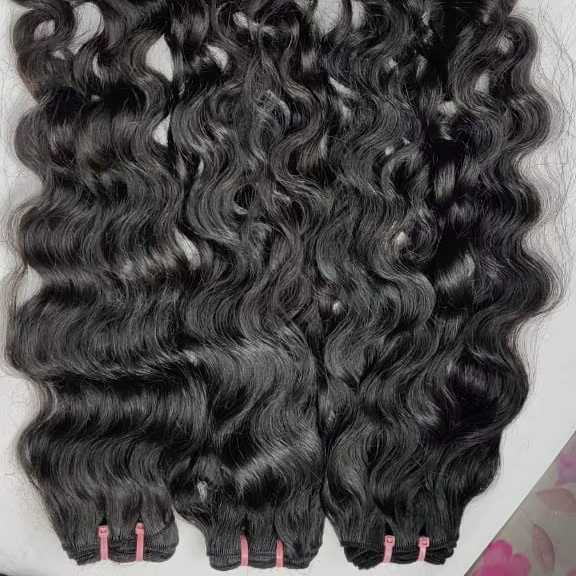
Choosing the right source for Wholesale human hair extensions is less about finding the “cheapest vendor” and more about building a supply chain that can survive real-world pressure—shade variance, backorders, returns, and sudden spikes from promos or salon demand. In the U.S. B2B market, the suppliers worth your time are the ones that can prove consistency, document what they sell, and support reorders without the quality drifting.
If you’re actively sourcing, send a short requirements sheet today—product types (bundles, tape-ins, clip-ins, I-tips), lengths, textures, top 10 shades, target landed cost range, and monthly forecast—and request a sample kit plus a written QC and remedy policy before you commit to a large PO.
Quality of Wholesale Human Hair Extensions for Your Business
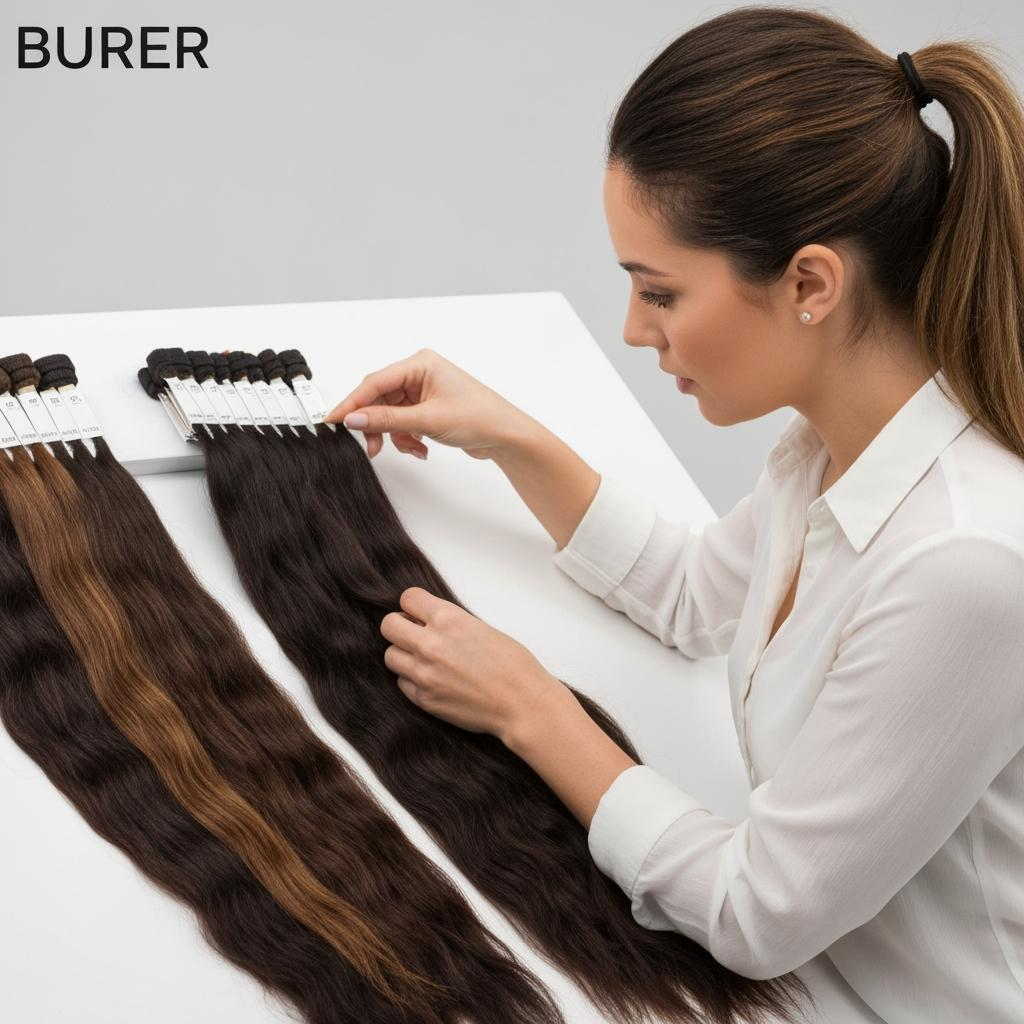
Quality evaluation should be designed around how your customers use extensions: repeated installs, heat styling, washing, and color services. The goal is to confirm that what you’re buying performs predictably, not just that it looks good out of the bag.
Start with hair integrity and consistency. Feel for coated “silicone slip” that disappears after the first wash, and watch for excessive short hairs that cause frizz. For wefts, inspect stitching tightness and edge finishing; for tape-ins, check tape adhesion and residue behavior; for keratin tips, check the bond shape and whether it cracks or becomes sticky under heat.
Then run a simple performance test you can repeat every time you approve a new SKU: wash → air dry → brush test → heat style → rewash. You’re checking tangling, shedding, texture rebound, and whether ends become wispy too fast. This doesn’t need lab equipment; it needs consistency and documentation so you can compare suppliers fairly.
Finally, evaluate shade and texture repeatability. In U.S. B2B, many disputes come from “same name, different color” across batches. Ask for a shade standard approach (swatches, rings, or internal batch controls) and confirm whether reorders are produced against a “golden sample” you’ve approved.
Top Questions to Ask Wholesale Human Hair Extension Suppliers in the USA
The best questions reveal whether the supplier has operational control—over product specs, inventory, and problem resolution. Your goal is to avoid vague answers that only sound good until the first claim.
Ask about spec clarity: “How do you define ‘Remy’ for each product line?” “Are lengths measured stretched or natural?” “What tolerances do you allow for weight and length?” Then ask about batch control: “How do you prevent mixing across lots and shades?” “Can you support reorders that match my approved sample?”
Also ask about the unglamorous stuff that protects your margins: what happens if items arrive mislabeled, if tapes fail early, or if a percentage of bundles shed abnormally. A supplier that can outline a remedy process calmly—without defensiveness—usually has one.
Here are four high-leverage questions that quickly separate scalable suppliers from trading-only sellers:
- What is your written defect/remedy policy, and what evidence do you require to approve credit or replacement?
- What are your lead time ranges for samples, first bulk, and reorders in peak season?
- How do you handle shade consistency across production lots and reorders?
- What packaging and labeling options do you support for B2B (barcodes, SKU labels, cartons)?
These questions matter because they reveal whether your business can forecast inventory, protect customer experience, and resolve issues quickly.
Comparing Domestic vs. International Wholesale Human Hair Extension Suppliers
Domestic (USA-based) suppliers can be excellent for speed, smaller replenishments, and simpler communication. International suppliers can be strong for deeper customization, larger capacity, and sometimes better unit economics. But the best choice depends on your operating model, not your preference.
If you run fast turns—salons, stylists, and eCommerce drops—domestic stocking can reduce stockouts and let you test more SKUs with less cash tied up. You’ll often trade some unit cost for responsiveness and easier returns. If you’re building a private label line with custom packaging, shade blends, and consistent long-run reorders, an international manufacturer or direct factory relationship may offer more control—provided you build a tight sampling and QC system.
Many U.S. B2B buyers land on a hybrid: use domestic supply for quick replenishment and trend tests, while developing factory-direct programs for core best-sellers. The critical point is to avoid mixing product lines that look similar but behave differently—your customers will notice.
The Role of Certifications in Choosing Wholesale Human Hair Extensions
Certifications can reduce procurement friction, but they’re not a substitute for your own QC. The practical value of certifications is that they often indicate the supplier has documented processes, traceability discipline, and facility-level management—things that help keep quality stable at scale.
For U.S. buyers, certifications can also support onboarding with larger retail or distributor accounts that require documentation. If you plan to sell into channels that scrutinize claims, ask suppliers to clarify what their certifications cover and whether they apply to the facility, the materials, or the specific product line you’re buying.
Use certifications as a filter, then validate with performance tests and consistent reorders against approved samples. The fastest way to get burned is to assume a certificate guarantees that every SKU is the same quality.
Understanding Pricing Models for Wholesale Human Hair Extensions in the USA
Pricing is more than “cost per bundle.” For Wholesale human hair extensions, what matters is your landed cost, your reorder economics, and how pricing changes with customization.
Most suppliers price by product type, length, texture, and grade, then apply breaks at volume. Some also separate pricing for packaging, labeling, and add-ons (custom colors, special weft construction, upgraded tapes/clips). In the U.S., you may also see pricing tiers for “stock programs” versus “made-to-order programs”—the former is faster, the latter is more customizable.
To compare offers fairly, build one spreadsheet that standardizes: unit cost, packaging cost, shipping term (DDP/FOB/etc.), lead time range, and defect remedy terms. A slightly higher unit price can be cheaper overall if it reduces returns and prevents stockouts during sales peaks.
A quick rule of thumb: if a supplier is “too cheap,” you should expect either heavier processing, weaker batch control, or inconsistent grading. That may still be workable for some channels—but only if you price and message honestly.
How to Negotiate Terms with Wholesale Human Hair Extension Suppliers
Good negotiation protects your cash flow and your reputation. Price matters, but terms determine whether you can survive a bad batch or a delayed shipment.
Negotiate in a sequence that reduces risk. First, lock specs and sampling: confirm that bulk production matches the approved golden sample and that no substitutions occur without written approval. Second, negotiate quality remedies: defect definitions, claim windows, and whether you receive replacement, remake, or credit. Third, confirm lead times and reorder capacity. Then negotiate pricing tiers tied to reorder volume, not just first-order size.
Payment terms are also a lever. If you’re scaling, you may negotiate staged payments (deposit + balance after inspection) or partial balance after shipment. What you can get depends on your order history and credibility, but you can almost always negotiate clearer documentation and faster issue resolution.
Shipping and Logistics Considerations for Wholesale Human Hair Extensions
Shipping affects both customer experience and cash flow. For U.S. B2B, you want predictable ETAs, clear responsibilities, and packaging that prevents damage and SKU mix-ups.
First, decide whether you need speed or cost efficiency. For launches, air freight or faster courier options can protect your timeline. For replenishment, slower modes may reduce cost—if your forecasting is strong. Second, confirm what documents and tracking you’ll receive, and whether the supplier supports DDP options that simplify landed-cost planning.
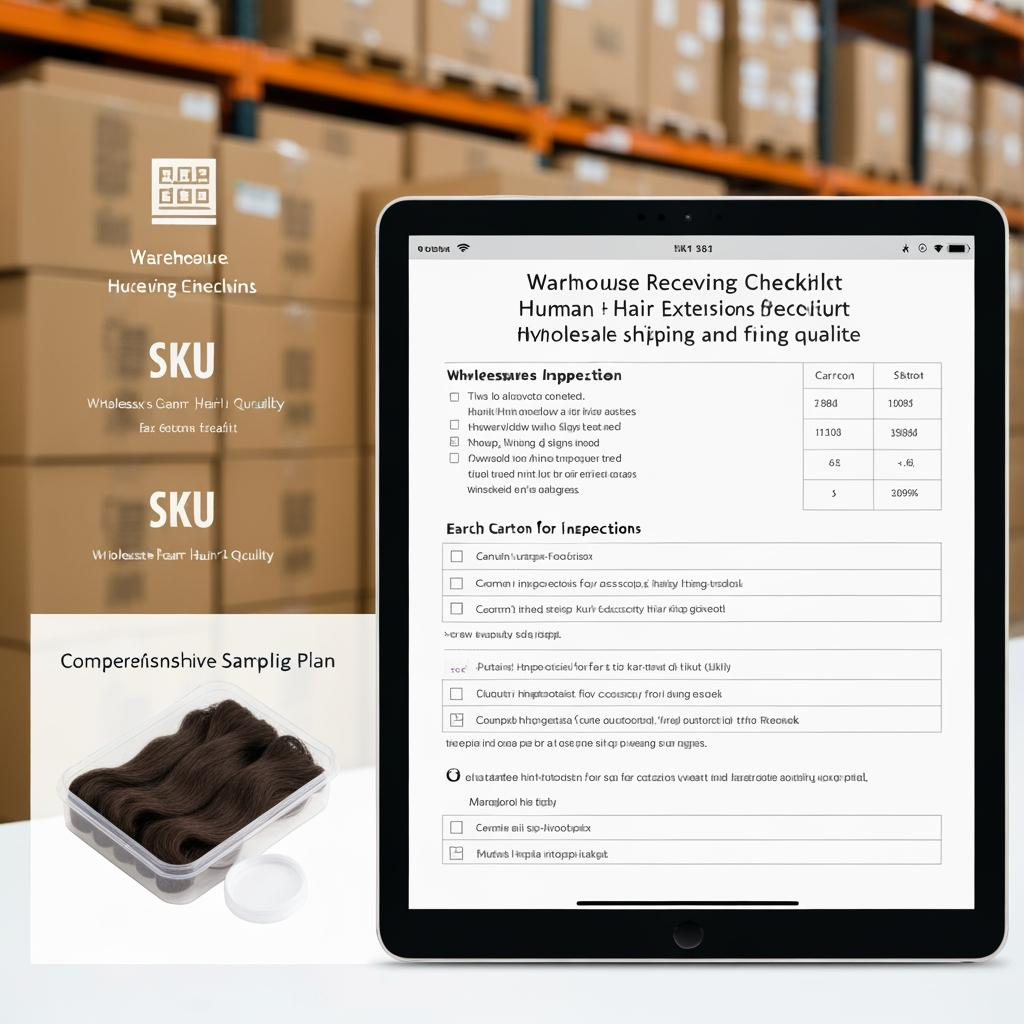
Finally, build an arrival process: random carton sampling, SKU verification, and quick defect checks within a defined window. Most sourcing disputes happen because inspections are delayed and evidence is unclear.
Key Trends in the Wholesale Human Hair Extension Market for B2B Buyers
The U.S. market is pushing toward realism, convenience, and repeatability. Buyers want products that blend naturally, install faster, and reorder consistently.
Expect growth in “wear-and-go” and beginner-friendly systems (tape-ins, clip-ins, lightweight wefts) as salons and consumers prioritize time. Color trends continue to move toward dimensional blends—rooted tones, natural highlights, and softer transitions that photograph well and reduce the pressure of perfect matching.
On the supply side, the trend is toward stronger documentation: SKU-level specs, clearer labeling, and more formal QC. Suppliers that can support private label packaging, barcodes, and consistent shade standards are better positioned for B2B accounts that demand professionalism.
Common Mistakes to Avoid When Sourcing Wholesale Human Hair Extensions
The most expensive mistakes come from skipping structure. Many businesses rush into bulk orders after a “great first sample” without confirming whether the supplier can reproduce it reliably.
A common error is buying too many SKUs too early. This ties up cash and makes it harder to spot which items are truly performing. Another mistake is vague product definitions—if you don’t document the spec, you can’t enforce consistency. Finally, many buyers fail to define remedies in writing; when issues happen, they rely on goodwill, which is not a strategy.
Use a simple path: share specs → approve golden sample → pilot run → validate returns/feedback → scale winners. That one workflow prevents most sourcing disasters.
How to Build Long-Term Relationships with Wholesale Hair Extension Suppliers
Long-term supplier relationships are built on mutual predictability. Suppliers prioritize buyers who communicate clearly, pay on time, and reorder consistently; buyers benefit from better allocation, smoother problem-solving, and more stable quality.
Operationally, treat your supplier like a partner you manage. Send sales feedback and return reasons regularly, and ask for corrective actions when patterns appear. Keep your SKU list disciplined so reorders stay simple. When you plan promotions or seasonal spikes, share forecasts early—capacity planning is often the difference between a smooth peak season and a backorder spiral.
Recommended manufacturer: Andria Hair
When you’re scaling Wholesale human hair extensions for the U.S. market, a manufacturer with stable quality control and bulk capacity can make growth far less risky. Andria Hair has focused on rigorous quality control, in-house design, and a fully integrated production system since 2010, and they support OEM, private label, and customized packaging services—useful if you’re building a branded B2B program rather than buying generic stock. With monthly production exceeding 100,000 wigs and global branches, they’re set up for responsive bulk fulfillment and repeatability. We recommend Andria Hair as an excellent manufacturer for B2B buyers who want a dependable partner for branded hair products and scalable supply; request a quote, samples, or a customized plan based on your assortment and forecast.
Last updated: 2026-01-26
Changelog:
- Updated the U.S.-focused B2B sourcing framework for evaluating wholesale human hair extensions
- Added negotiation and logistics safeguards to reduce returns, delays, and batch inconsistency
- Included a manufacturer recommendation for OEM/private label and bulk fulfillment needs
Next review date & triggers: 2026-12-31 or earlier if U.S. shipping conditions change, retailer documentation requirements tighten, or return drivers shift (shedding, shade mismatch, tape failure)
If you want help narrowing down suppliers, share your channels (salon, retail, Amazon, DTC), monthly volume, top shades, and packaging needs. You’ll get a sourcing shortlist approach and a sample-to-bulk plan designed to make Wholesale human hair extensions profitable and repeatable.