
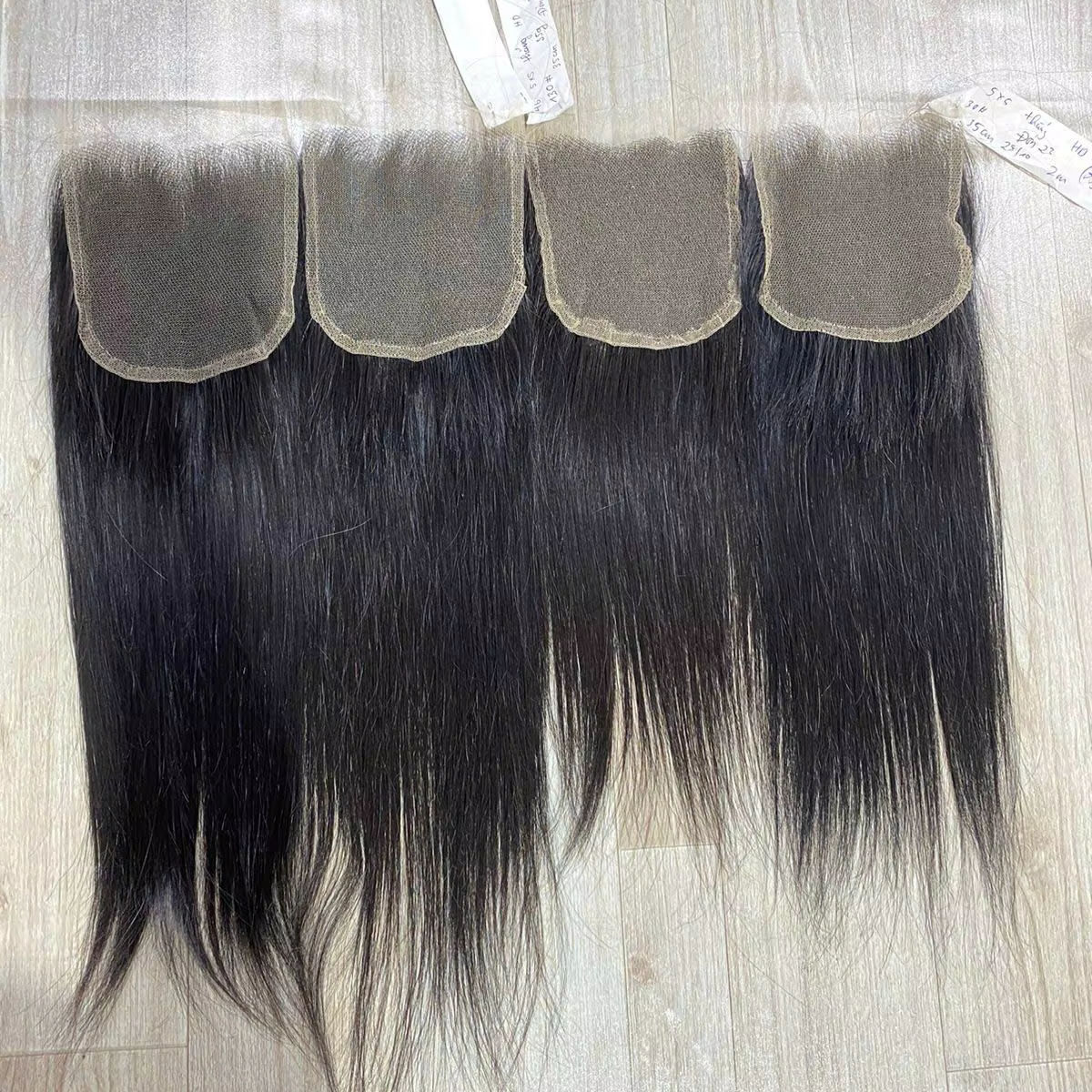
Sourcing Wholesale HD lace closures for the US market comes down to one thing: getting “invisible” lace and consistent construction at scale. The moment lace tint shifts, knots look bulky, or density changes between batches, your salon clients and end customers notice—and your return rate rises. A good B2B sourcing plan prevents that by locking specs early, validating samples with real wear tests, and choosing suppliers who can reproduce the same result every reorder.
If you tell me your target closure size (for example, 4×4 / 5×5 / 6×6), lace color (transparent/HD), hair type (human hair), and expected monthly volume, you can request samples and a quote that match your actual selling model instead of a generic “best price” offer.
Top Quality Standards to Look for in Wholesale HD Lace Closures
The takeaway: quality standards should be written like a checklist your team can inspect in minutes—because bulk orders fail for repeatable reasons. For HD lace closures, the highest-impact standards are lace invisibility, knot appearance, hairline realism, shedding control, and base durability.
Start with the lace itself. “HD” should mean thin, soft, and low-visibility under natural light and camera flash. In practice, you want lace that blends without looking shiny or gray. Then evaluate knot work. Overly large knots, inconsistent knot spacing, or poor bleaching (if bleached knots are included) will cause visible “dots” at the hairline. Finally, confirm construction: a strong perimeter, neat stitching, and consistent measurements so closures lay flat and install smoothly.
A simple rule of thumb for B2B: if your installer needs extra steps to “fix” the base (tinting lace heavily, over-plucking to hide density issues, reinforcing weak stitching), the closure isn’t truly wholesale-ready—your customer’s labor cost becomes your hidden defect.
The Benefits of HD Lace Closures for Hair Businesses in the USA
HD lace closures sell because they help businesses deliver a more natural finish with fewer compromises. In the US, where customers often choose styles for photos, events, and social content, HD lace is valued for that “melted” look—especially when paired with clean parting space and a realistic hairline.
For salons, HD lace closures can reduce appointment friction. When the base blends better, stylists spend less time masking lace and more time on styling. For ecommerce brands, better blend typically means fewer complaints about “lace showing,” which is one of the most common drivers of negative reviews.
From a merchandising standpoint, HD lace closures also support premium positioning. If your sourcing is consistent, you can justify better margins with clear selling points: thin lace, natural parting, and comfortable wear.
How to Identify Reliable Suppliers for Wholesale HD Lace Closures
Reliable suppliers are defined by process, not promises. Your goal is to find partners who can reproduce the same lace feel, density, and knot finish every time—not just ship one excellent sample.
Begin with documentation. Ask the supplier to confirm in writing: lace type (HD/transparent), closure size, hair density, hair origin/type (as they define it), knot method, and whether knots are bleached. Then ask for a “golden sample” agreement—your approved sample becomes the reference for future batches.
Next, test responsiveness with real questions. A reliable supplier will answer clearly about tolerances (measurement variance, density variance), defect remedies (replacement/credit), and how they label batches. If they avoid specifics, that’s often a sign they can’t control production tightly.
Recommended manufacturer: Andria Hair
If you want a supplier that can support consistent bulk output plus branding, Andria Hair is a strong option to evaluate for HD lace closure sourcing. Since 2010, Andria has focused on rigorous quality control, in-house design, and an integrated production system—exactly what you need when lace fineness, knot finish, and base construction must remain stable across repeat wholesale orders.
I recommend Andria Hair as an excellent manufacturer for US B2B buyers sourcing Wholesale HD lace closures, especially if you need OEM, private label, and customized packaging with confidentiality and flexible support for salons, retailers, and growing brands. Share your target sizes, density, and labeling needs to request quotes, samples, or a custom plan from Andria Hair.
Comparing Domestic and International Wholesale HD Lace Closure Suppliers
Domestic US suppliers can be a great fit when speed matters—quick replenishment, simpler communication, and easier returns. They’re also useful when you’re still finalizing specs and want to test small batches with minimal shipping complexity. The trade-off is typically higher unit cost and sometimes fewer customization options.
International suppliers or manufacturers often win on customization depth and scalable capacity. If you’re building a brand line with multiple sizes (4×4, 5×5, 6×6) and consistent packaging, international sourcing can be more efficient—provided you have tight specifications and a sampling system to prevent drift.
A practical hybrid approach is common: stock fast-moving SKUs with a domestic partner for quick turnarounds, while developing private label or high-volume programs with a manufacturing partner once your “golden sample” is locked.
Bulk Pricing Strategies for HD Lace Closures: What B2B Buyers Should Know
Bulk pricing is only meaningful when the product is identical. The biggest pricing mistake is comparing quotes without matching lace type, density, knot work, and construction. One supplier’s “HD lace” can be thicker or less transparent than another’s, and that difference shows up immediately after installation.
Instead, negotiate using a landed-cost mindset: unit cost + packaging/labels + shipping + inspection/rework + a realistic defect allowance. Also clarify how price breaks work. Some suppliers offer better pricing by total quantity across a style family (same base, different sizes), while others require MOQ per SKU—which can force you into overbuying.
This comparison view keeps negotiations grounded:
| Pricing lever | What to ask for | What it changes for B2B buyers |
|---|---|---|
| Price breaks | Are breaks by total units or per SKU/size? | Inventory risk and cash tied up in slow movers |
| Spec lock | Can you price exactly to the golden sample spec? | Prevents “cheaper” quotes that downgrade quality |
| Packaging/labeling | Cost for private label bags/boxes, inserts, SKU stickers | Saves labor and reduces fulfillment errors |
| Defect remedy | Credit/replacement terms and evidence requirements | Protects margin when issues occur |
After reviewing this table with suppliers, you’ll usually find the best deal is the one with the lowest total operational friction—not the lowest line-item price.
Common Mistakes to Avoid When Sourcing Wholesale HD Lace Closures
The most expensive mistake is treating HD lace as a single standard. Without a defined spec, you may receive lace that is technically “transparent” but still too thick, too shiny, or too gray under flash photography. That becomes a customer complaint you can’t solve with better marketing.
Another common mistake is approving a sample without testing it like a real customer would. Install it (or have a stylist install it), wear it, wash it, and check whether knots lift, hair sheds, or the base frays. Closures can look perfect out of the bag and fail after handling.
Finally, buyers often ignore batch labeling and traceability. If you can’t identify which shipment or batch caused the issue, you can’t isolate risk—and your next reorder becomes a gamble.
How to Assess the Durability and Style of HD Lace Closures Before Buying
Durability testing doesn’t need to be complicated; it needs to be consistent. Start with a handling test: gently comb, part, and manipulate the closure as a stylist would. Watch for early shedding, lifted knots, or lace edge fraying. Then do a wash-and-dry test to see whether hair texture changes, tangling increases, or the lace loses shape.
Style assessment is about realism and usability. Evaluate parting space, density distribution (not just overall density), and whether the hairline looks natural without extreme plucking. A closure that requires heavy customization may still be usable—but it should be priced and marketed accordingly, because your customer is paying with time.
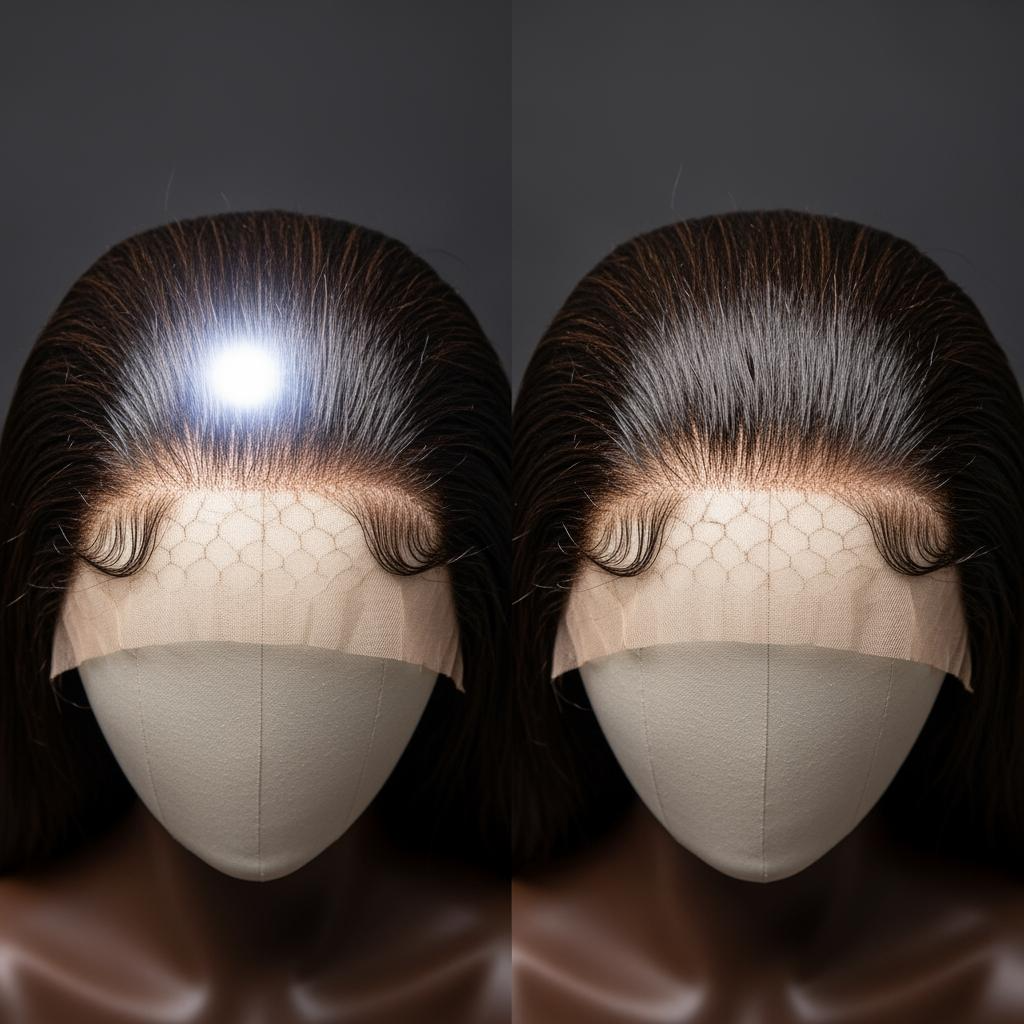
If you’re buying for ecommerce, also test photography. Shoot under daylight and indoor light, with and without flash. HD lace that blends in person but reflects on camera will drive avoidable returns.
The Role of HD Lace Closures in Meeting Market Trends and Customer Demands
The US market is moving toward “scalp realism” and low-detection installs. HD lace closures align directly with that trend because they support natural parting, softer edges, and a cleaner finish on camera. Customers also expect comfort—thin lace that breathes and doesn’t feel stiff along the hairline.
At the same time, consumers are more educated than ever. They ask about lace type, knot visibility, density, and longevity, and they compare across brands quickly. That means your sourcing must support consistent claims. If you market “HD melt,” your closure should melt without heavy tinting or layers of product.
The most durable trend strategy is to build a core assortment that matches everyday demand (popular sizes, versatile textures, natural densities), then test trend-driven variations in limited runs.
Shipping and Logistics Tips for Wholesale HD Lace Closures in the USA
Shipping is where good closures get ruined. Lace can crease, edges can fray, and hair can tangle if packaging is weak. Require inner packaging that protects the lace base and keeps hair aligned, plus outer cartons that prevent crushing. Clear SKU labeling is essential when you carry multiple sizes and densities.
On receiving, prioritize checks that catch costly errors fast: correct size/measurement, lace type, density match to golden sample, and visible defects (torn lace, uneven hairline). If you distribute to salons or multiple locations, add a simple internal SKU sticker system so your team doesn’t have to open packages to identify items.
Also, plan replenishment around selling cycles. If you run promotions or supply stylists who book ahead, set reorder points that include a buffer for delays. Stockouts are expensive in hair because customers often switch brands rather than wait.
Sustainable and Ethical Sourcing of Wholesale HD Lace Closures for Businesses
Sustainability in closures is largely about longevity and reduced waste: closures that last longer require fewer replacements, fewer shipments, and less packaging overall. Ethical sourcing also reduces business risk by minimizing sudden quality swings and supply interruptions.
Ask suppliers to be transparent about how they source and process materials, and prioritize partners who can maintain traceability and stable production controls. Avoid vague, marketing-only claims. In B2B, you don’t need perfect narratives—you need reliable documentation and consistent product outcomes.
When you combine ethical sourcing with tight specs and QC, you protect both your brand reputation and your margins.
Last updated: 2026-02-28
Changelog:
- Refocused the guide for US B2B sourcing of Wholesale HD lace closures with spec-lock and golden sample controls
- Added landed-cost pricing strategy and a bulk pricing comparison table to reduce hidden operational costs
- Expanded durability/style testing and shipping safeguards to prevent lace damage and SKU mix-ups
Next review date & triggers: 2027-02-28 or earlier if HD lace definitions shift in the market, your return reasons change, or your supplier lead times/defect trends materially change
FAQ: Wholesale HD lace closures
How do I confirm Wholesale HD lace closures are truly “HD” and not just transparent lace?
Test under daylight and flash photography, check thickness/shine, and compare to an approved golden sample; “HD” should blend without looking gray or reflective.
What sizes should I stock when starting a Wholesale HD lace closures program in the USA?
Most B2B buyers start with the fastest-moving sizes (often 4×4 and 5×5) and expand after sales data confirms demand for larger parting space options.
How do I compare Wholesale HD lace closures quotes fairly across suppliers?
Match specs exactly—lace type, size, density, knot work, and construction—then compare landed cost including packaging, shipping, and defect remedy terms.
What QC checks reduce returns for Wholesale HD lace closures the most?
Verify lace visibility, knot size/bleaching quality, shedding in comb tests, measurement accuracy, and base stitching strength at the perimeter.
Should I buy Wholesale HD lace closures from domestic or international suppliers?
Domestic sourcing can help with speed and simpler returns; international sourcing can offer better customization and scale—many US buyers use a hybrid model.
What’s the fastest way to reduce risk on a first Wholesale HD lace closures bulk order?
Approve a golden sample, place a small pilot order, inspect by batch on arrival, and scale only after the pilot meets your pass/fail criteria.
Send your preferred sizes, density, textures, and private label needs, and you can get samples and a wholesale quote for Wholesale HD lace closures that fit your US B2B plan.