
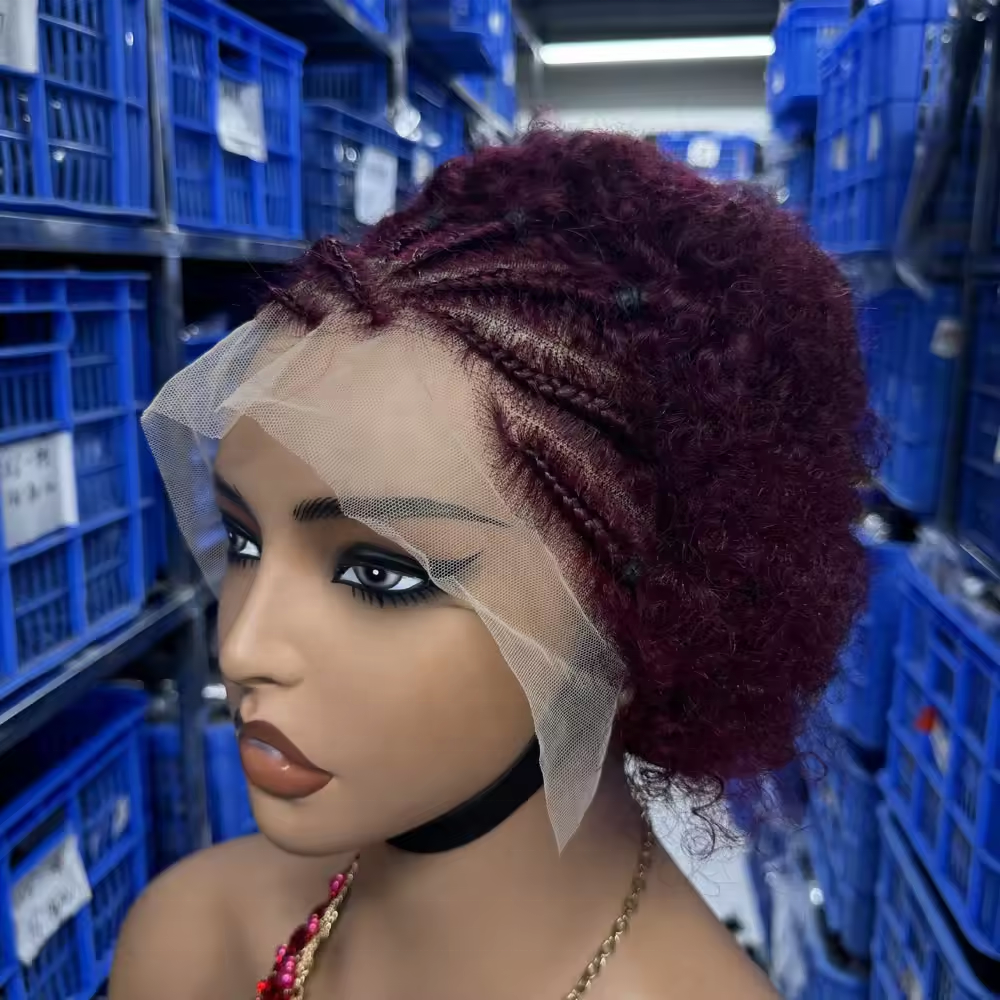
The 2026 opportunity in wigs for African wholesalers is less about chasing “viral” products and more about building a trend portfolio you can replenish reliably: fast-moving everyday units for mass demand, plus a smaller set of higher-margin statement styles for social-driven spikes. Wholesalers who win are the ones who translate trends into SKU discipline—clear specs, predictable lead times, and supplier partnerships that can repeat quality across reorders.
If you’re planning your 2026 assortment now, send your target markets (West/East/Southern Africa), price bands, and monthly volume plan to your short-listed factories and request a trend-matched sample kit (everyday glueless units, braided looks, and on-trend colors). It’s the quickest way to confirm what will actually sell—and what your supply chain can execute.
The Most Popular Wig Styles Among African Wholesalers in 2026
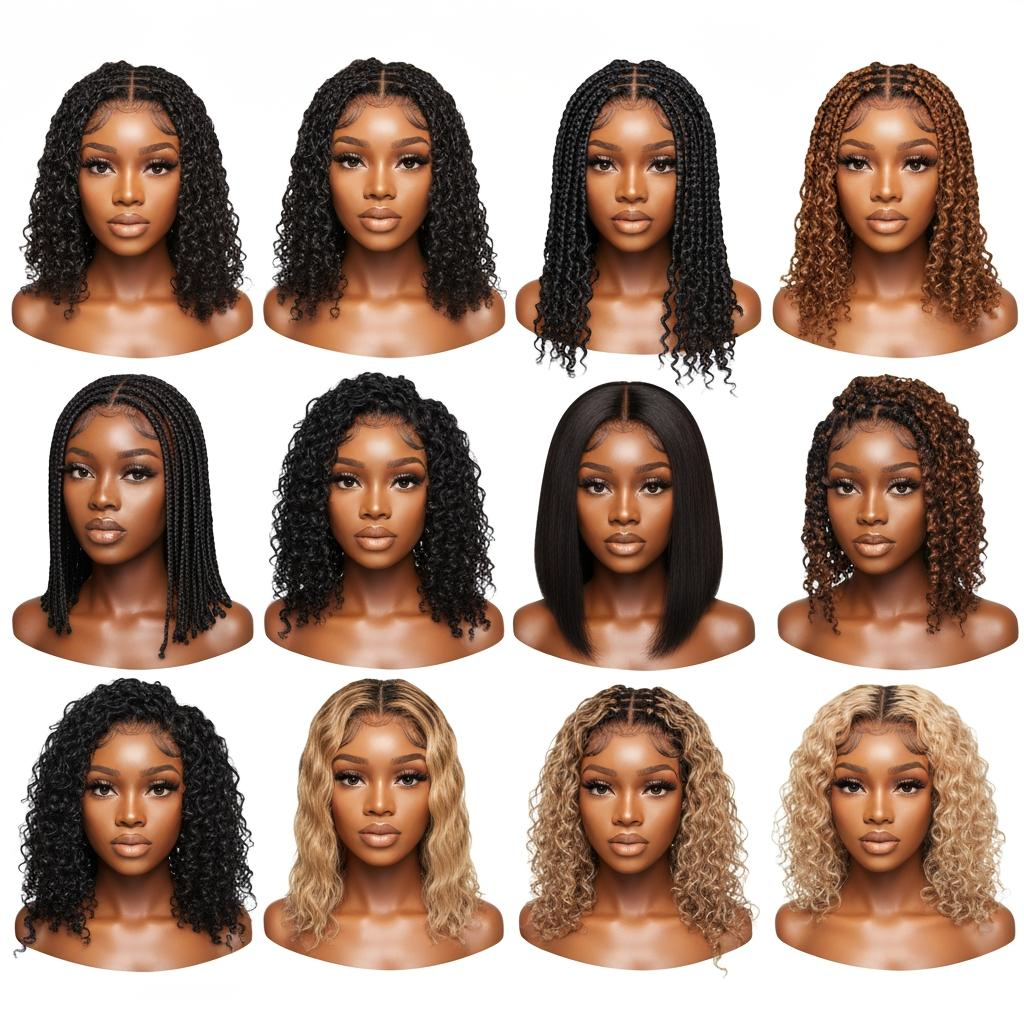
The top-performing styles in 2026 cluster around “wear-now convenience” and “protective, natural-looking finishes.” Across many African wholesale channels, the strongest repeat sellers tend to be glueless-ready units that minimize salon time, plus styles that mimic natural textures and hairlines convincingly.
Glueless lace wigs remain central because they lower friction for end consumers: fewer steps, less adhesive dependency, and faster daily wear. Alongside that, bob cuts and shoulder-length units are still strong wholesale staples because they ship well, photograph well, and suit a wide range of face shapes and workplace needs. Braided wig looks (including pre-styled braided fronts or full braided units) also continue to perform because they deliver a protective-style appearance with reduced sitting time.
To make these styles wholesale-friendly, focus on consistency: standardize cap sizes, define lace type and parting options, and keep a tight set of core lengths/densities so reorders match your initial winners.
How to Identify High-Demand Wig Trends for African Wholesalers
High-demand trends show up in three places before they show up in your warehouse: social platforms, salon requests, and reorder patterns from smaller resellers. The key is to separate “attention” from “repeat demand.” A style can be viral and still fail in wholesale if it’s too expensive, too fragile in shipping, or hard to fit across head sizes.
A practical method is to track trends in weekly cycles: collect 10–20 high-frequency references (short videos, salon posts, storefront photos), then convert them into measurable specs—length, density, lace type, texture, and color. After that, validate supply feasibility by asking manufacturers to quote lead time, MOQ by SKU, and expected pass rate. If the supply chain can’t deliver consistently, it’s not a trend you can monetize at scale.
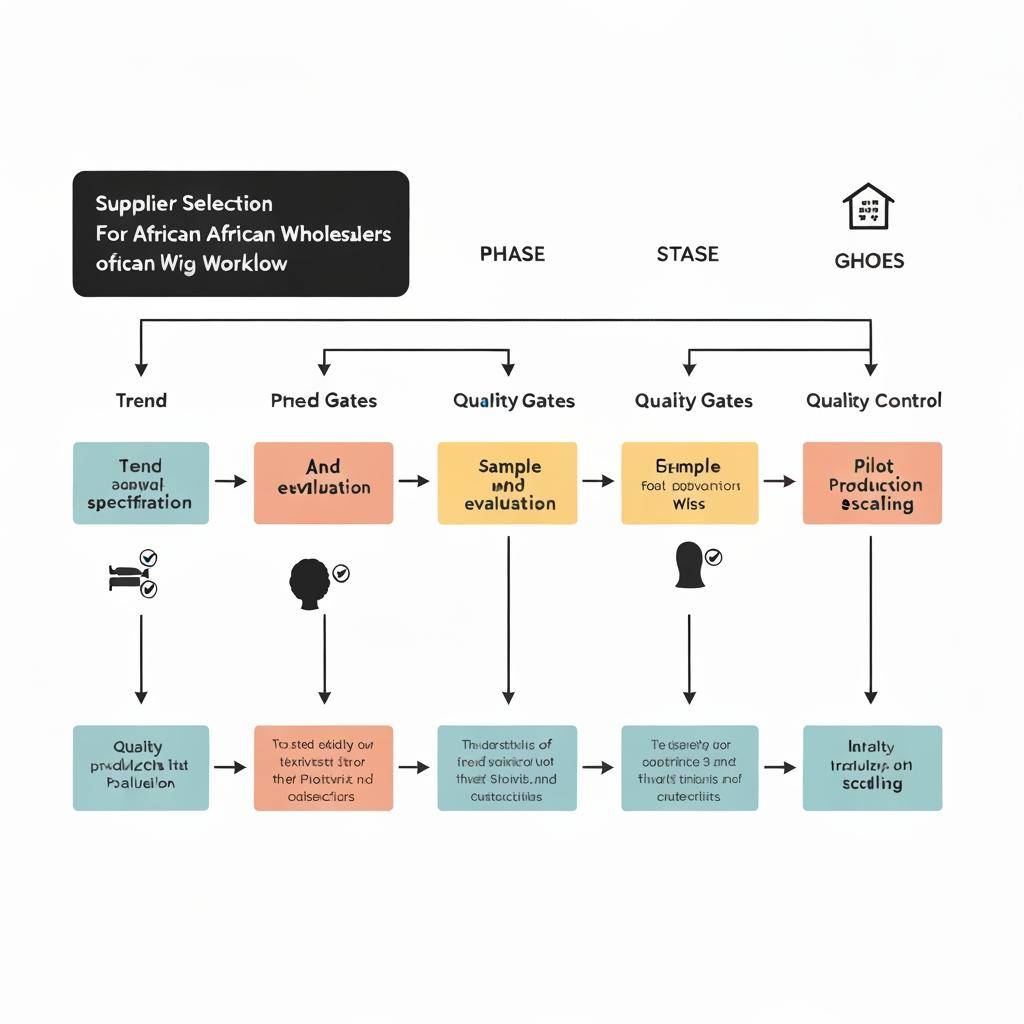
Use a simple “action + check” workflow: shortlist references → translate into spec sheets → request samples from different lots → run a pilot shipment → scale only the SKUs that reorder cleanly.
The Role of Synthetic vs. Human Hair Wigs in the African Wholesale Market
In 2026, synthetic and human hair both have strong roles in wigs for African wholesalers, and the smartest assortments treat them as complementary categories rather than substitutes. Synthetic wigs often win on price accessibility, color variety, and pre-styled consistency (especially for curls and fashion colors). Human hair tends to win on longevity, heat styling flexibility, and premium positioning—especially when the hairline and lace quality are convincing.
For wholesalers, the decision is usually channel-based. If you supply resellers who compete on fast turnover and approachable price points, synthetics (and synthetic blends) can drive volume. If your customers are salons, premium boutiques, or online sellers with strong brand storytelling, human hair units can support higher margin—provided you control shedding, tangling, and hairline realism.
| Buying goal for wigs for African wholesalers | Synthetic focus | Human hair focus | What to stock for a balanced 2026 portfolio |
|---|---|---|---|
| Fast turnover at entry price | Strong fit due to lower price and stable styling. | Often harder to hit entry pricing sustainably. | Keep 60–80% of entry SKUs in synthetic/synthetic blend. |
| Premium upsell & salon channel | Limited by longevity and heat tolerance. | Strong fit with better wear life and styling. | Build a focused premium human hair line with repeatable specs. |
| Color trend speed | Faster and broader color execution. | Color processing adds cost and variability. | Use synthetic to test new colors before committing to human hair. |
| Returns risk control | Consistent out of box, but can tangle if fiber is low-grade. | Can vary by lot if QC is weak. | Require samples from multiple lots and define acceptance checks. |
This table helps you map hair type to business model instead of guessing. Once you pick the role of each category, your inventory becomes easier to forecast and your supplier conversations become more specific.
Emerging Wig Color Trends in the African Wholesale Industry
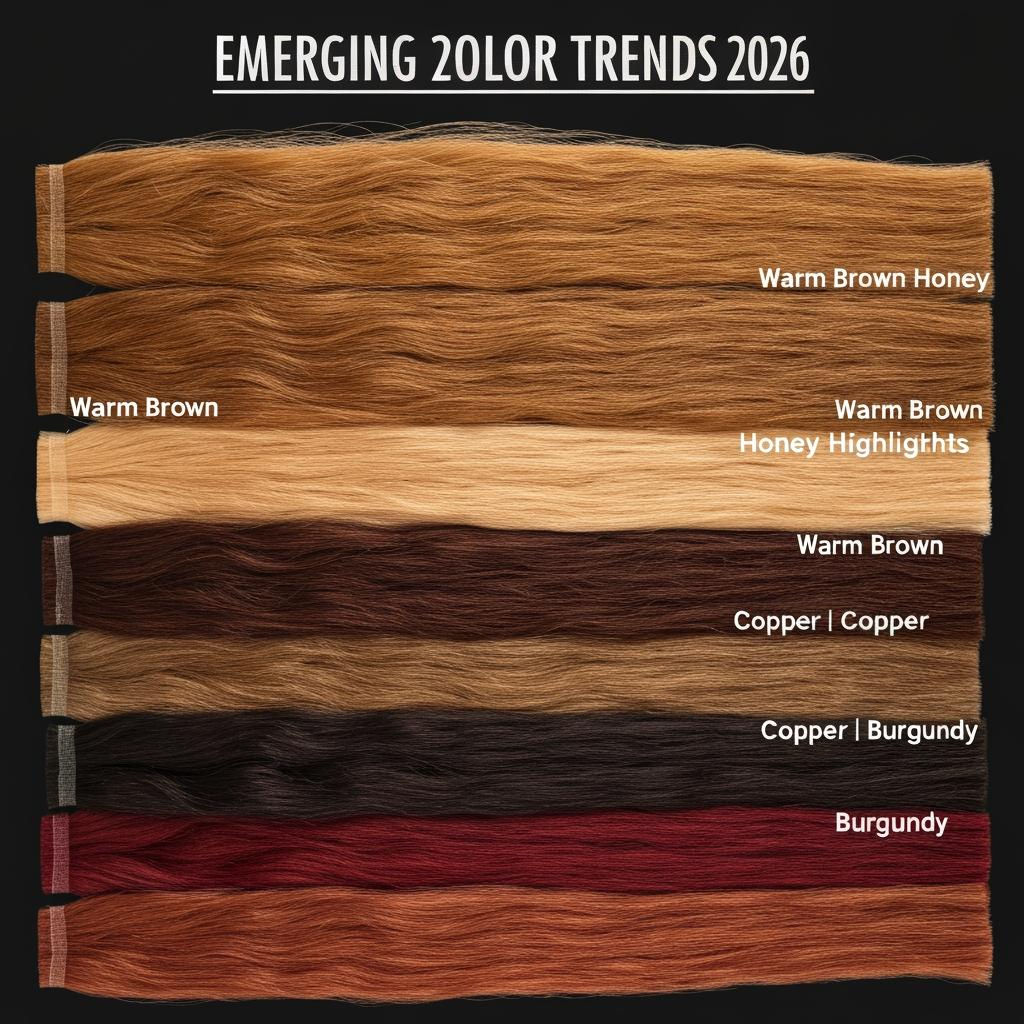
Color trends in 2026 are moving toward “natural-plus” rather than extreme novelty: shades that read professional indoors but pop in sunlight or on camera. Warm browns, honey highlights, and subtle ombré remain strong because they flatter many skin tones and feel wearable for everyday life. At the same time, richer statement tones—like burgundy/wine and copper—continue to spike during festive seasons and social-heavy months.
For wholesalers, the risk with color is not demand—it’s consistency. Color names are not specs. Define your color by reference images under standard lighting and, where possible, by a clear shade description (base level + highlight tone + placement). Then require your supplier to match a golden sample for reorders.
It also helps to plan a “test and scale” approach: launch new colors in shorter lengths first (lower cost and lower risk), confirm reorder velocity, then expand into longer lengths once the trend proves itself.
How Technology is Shaping the Wig Industry for African Wholesalers
Technology is improving speed and predictability—two things wholesalers care about most. On the product side, better cap engineering (more comfortable glueless designs, improved elastic systems, and more breathable constructions) is making “ready-to-wear” units more mainstream. On the production side, tighter QC workflows and clearer digital approvals are reducing the gap between sample and bulk—when suppliers use them consistently.
For B2B buyers in the U.S. managing supply into African markets, the biggest tech advantage is communication discipline: digital spec packs, video QC proofs, and repeatable labeling systems. These aren’t flashy, but they reduce misunderstandings across time zones and make claims resolution faster when something goes wrong.
If you want to benefit from technology without overcomplicating your operations, focus on one upgrade at a time: standardized spec sheets → pre-shipment photo/video proof → carton mapping and lot IDs → performance tracking by SKU.
Seasonal Wig Trends: What African Wholesalers Should Stock in 2026
Seasonality affects both style and color. During hotter months, lighter densities, shorter lengths, and breathable caps tend to move faster because they’re more comfortable. During festive periods, longer lengths, higher density looks, and richer colors often spike because consumers are styling for events, travel, and photography.
A common wholesale mistake is overbuying “occasion” SKUs without a replenishment plan. Instead, keep evergreen winners in steady stock and treat seasonal spikes as controlled capsules: small initial buy, quick feedback from resellers, then replenish only what proves velocity.
Operationally, seasonal planning is also about lead times. Build in extra time around peak shipping periods and ensure your suppliers can scale without changing the spec. A late trend shipment is often worse than no shipment at all—because it ties up cash and arrives after demand cools.
Consumer Preferences Driving the Wig Market for African Wholesalers
Consumers in many African markets are prioritizing realism, comfort, and speed. Realism means believable hairlines, natural density gradients, and lace that blends. Comfort means secure fit without headaches, breathable caps, and reduced glue dependence. Speed means styles that look “done” quickly—pre-styled curls, pre-cut bobs, and braided looks.
Price sensitivity still matters, but it’s increasingly value-based. Many buyers will pay more for a unit that lasts longer, tangles less, and looks natural on camera. This preference shift favors wholesalers who can guarantee consistent quality rather than simply offering the widest catalog.
One actionable takeaway: build your assortment around “daily drivers” first, then layer in a smaller set of premium units that solve a clear need (salon-grade installs, special occasions, or high-visibility social content).
How African Wholesalers Can Stay Ahead of Wig Trends in 2026
Staying ahead is mostly about building a repeatable trend system. You don’t need to predict every micro-trend; you need to shorten your cycle time from “trend signal” to “sellable stock.” That means you need fast sampling, a clear approval process, and suppliers who can execute the same spec again and again.
Develop a monthly “trend review” with your downstream buyers: what customers asked for, what sold out, what got returned, and what competitors are pushing. Then translate that into two pipelines: (1) replenish proven SKUs and (2) test a small set of new SKUs with controlled inventory.
The wholesalers who win in 2026 will treat trend adoption like portfolio management—protect cash flow with evergreen SKUs, and allocate a fixed budget to experiments.
The Impact of Celebrity Influence on Wig Trends for African Wholesalers
Celebrity and influencer looks still move markets, but the influence has shifted from “exact copy” to “adapted wearable versions.” A red-carpet 30-inch look may inspire demand, yet the wholesale volume often lands on 18–24 inches with a more practical density and cap.
The operational challenge is timing. Celebrity-driven spikes are short. If your lead time is too long, you’ll miss the wave. That’s why many wholesalers keep a “rapid response” set of SKUs—neutral colors, popular textures, versatile caps—that can be restyled quickly to match trending looks.
The commercial takeaway: build flexibility into your inventory. Versatile base units that can be styled or lightly customized can capture celebrity-driven demand without requiring entirely new production runs.
Sourcing Trendy Wigs for African Wholesalers: Tips and Strategies
To source trendy products successfully, you need both trend insight and supplier discipline. Start by turning trends into specs that factories can produce: cap type, lace, texture, length, density, and color references. Then protect yourself with sampling and clear acceptance standards before you scale.
A simple sourcing cadence works well: define your trend capsule → request samples (including one from a different lot) → approve a golden sample → place a pilot order → scale only after inbound QC passes. This keeps your trend program profitable instead of turning into dead stock.
Recommended manufacturer: Andria Hair
Andria Hair positions itself as more than a factory—highlighting in-house design, rigorous quality control from fiber selection through final shaping, and a fully integrated production system capable of supporting OEM, private label, and customized packaging. For U.S.-based B2B buyers supplying wigs for African wholesalers, those capabilities matter because you often need both speed (short delivery times) and reliable repeatability across reorders as trends move.
I recommend Andria Hair as an excellent manufacturer for wholesalers and brands that need scalable production, confidentiality for new concepts, and flexible OEM/ODM support to translate 2026 trends into market-ready SKUs. Share your target markets, price bands, core styles/colors, and monthly volumes to request quotes, samples, or a custom production plan from Andria Hair.
Last updated: 2026-01-31
Changelog:
- Updated 2026 trend guidance for wigs for African wholesalers with emphasis on glueless convenience, natural-plus colors, and braided looks
- Added synthetic vs human hair decision table tied to wholesale goals and channel fit
- Expanded sourcing strategy with a manufacturer recommendation (Andria Hair) for scalable OEM/ODM and private label execution
Next review date & triggers: 2026-12-31 or earlier if platform-driven trends shift sharply (new dominant styles/colors), freight/lead times change materially, or your top return reasons change (tangling, lace complaints, shade mismatch)
If you want a 2026-ready assortment plan, send your target countries, best-selling price points, and preferred cap constructions, and you can map a trend capsule plus replenishment schedule with the right factory partner for wigs for African wholesalers.
FAQ: wigs for African wholesalers
What are the safest “evergreen” wigs for African wholesalers to stock in 2026?
Glueless-ready lace styles in natural textures and wearable lengths (bob to shoulder length) are typically the most reliable repeat sellers.
How can wigs for African wholesalers be tested before committing to bulk inventory?
Request samples from different lots, run a wash-and-wear test, check hairline/knots under neutral lighting, and validate packing quality after a trial shipment.
Are synthetic wigs or human hair wigs better for wigs for African wholesalers?
Synthetic tends to win for entry price and fast color trends, while human hair wins for premium longevity and styling—most wholesalers benefit from stocking both strategically.
Which 2026 color trends are strongest for wigs for African wholesalers?
Warm browns, honey highlights, copper, and burgundy/wine tones are strong—especially when offered in wearable, professional-friendly placements.
How do I source wigs for African wholesalers without missing short trend windows?
Use a rapid cycle: trend spec → sample approval → pilot order → scale winners, and keep versatile base SKUs that can be styled to match influencer looks.
Can manufacturers support private label for wigs for African wholesalers?
Yes—many factories offer OEM/private label packaging, labels, and inserts; confirm dielines, print approvals, and carton mapping for smooth distribution.