
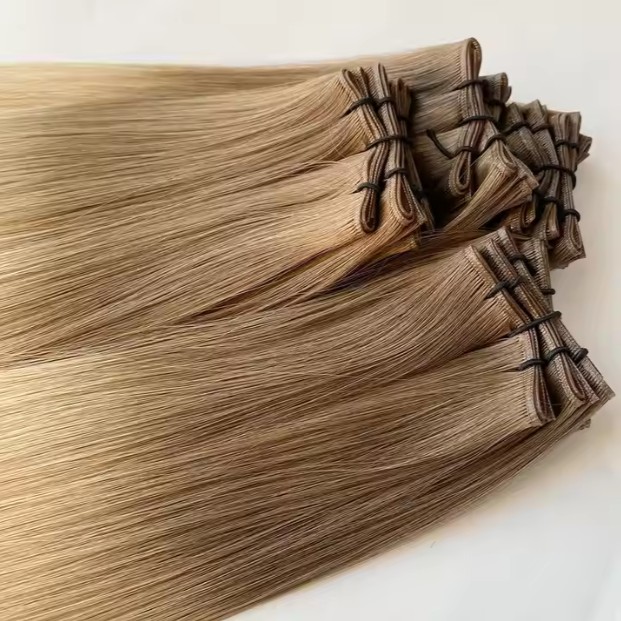
If you’re buying hair extensions for beauty stores in the US, the most profitable move is to choose suppliers the way you choose inventory: for repeatable sell-through, low return rates, and fast replenishment—not just a low first-order price. A “top supplier” is one that can keep your most popular textures and lengths consistent across restocks, support your merchandising (labels, bundles, barcodes), and communicate clearly when anything changes.
If you share your store type (beauty supply chain, independent store, salon retail corner, or e-commerce), your top 3 textures, target price tier, and estimated monthly units, you can get a supplier short list and a quote/sampling plan that matches your margin goals.
How to Evaluate Hair Extension Suppliers for Quality and Reliability
The takeaway: evaluate suppliers with a simple, repeatable scorecard—because one “good” shipment doesn’t prove long-term quality. You’re looking for consistency, transparency, and the ability to fix issues fast when they happen.
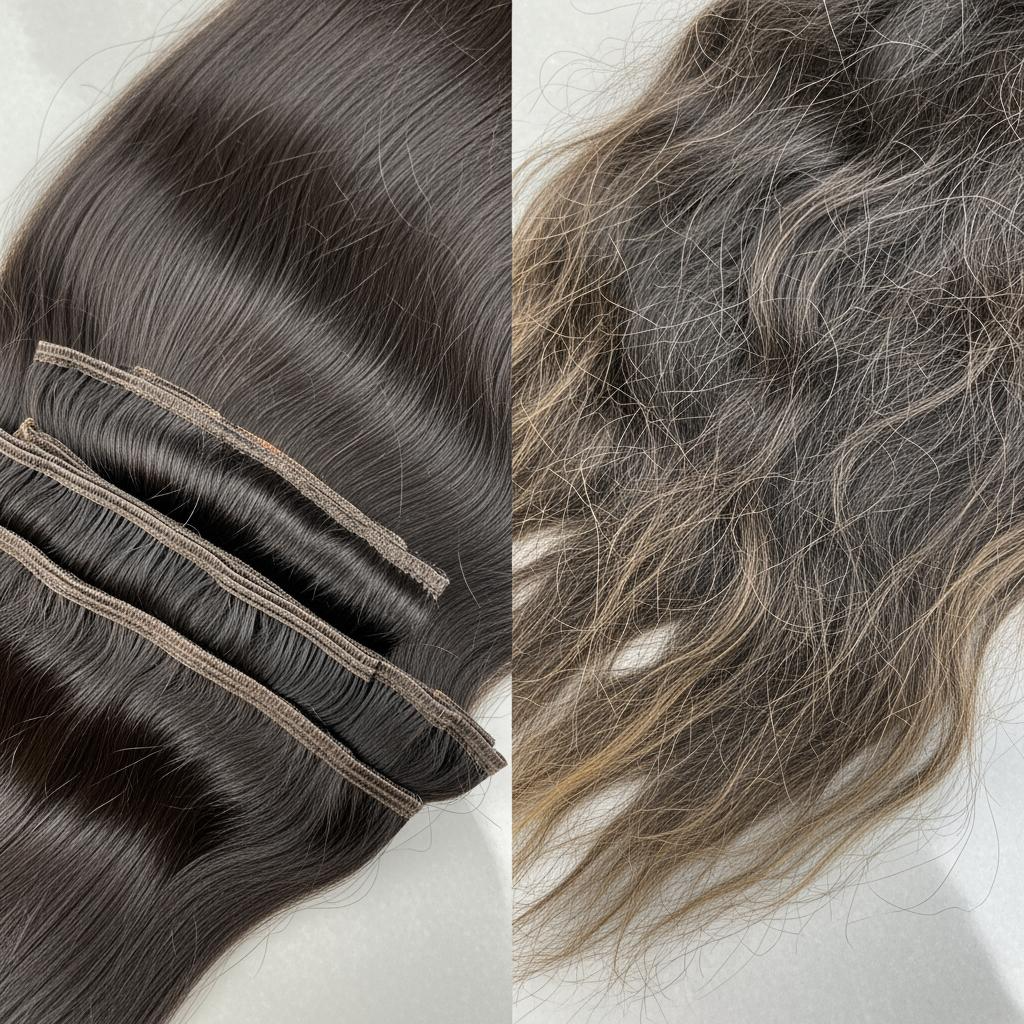
Start with product performance tests that match real customers. For bundles and wefts, do a wash + air-dry test, then comb from ends to root to assess tangling and shedding. For curly textures, check pattern retention after washing and light product use. For tape-ins or other adhesive products (if you carry them), check that backing and adhesive behave consistently. Document the results with photos and notes so you can compare across suppliers and reorders.
Reliability is operational. Ask how they handle out-of-stocks, what their reorder cadence looks like, and whether they can hold inventory for your top SKUs. In the US retail rhythm, the ability to replenish quickly often beats saving a small amount per pack.
Finally, evaluate their “problem behavior.” A strong supplier doesn’t pretend defects never happen; they have a clear process for credits, replacements, and root-cause prevention.
The Top Features to Look for in Wholesale Hair Extensions
For beauty stores, the best wholesale features are the ones that reduce friction at the shelf and at the install chair. Customers want hair that feels good immediately and stays manageable after the first wash; stores want SKUs that are easy to stock, count, and reorder.
Look for consistent labeling and SKU discipline: texture naming, length measurement method (stretched vs natural), weight per pack, and color system. Inconsistent labeling leads to returns and “this isn’t what I bought last time” complaints that erode trust.
Also prioritize packaging that protects the hair and supports merchandising—clean bundles, sealed packs, and clear product info. If you operate multiple locations, barcode-ready packaging and carton-level organization can save hours of labor each week.
A short list of “retail-forward” features that tend to matter most:
- Clear, consistent texture/length/color labeling that matches what’s inside the pack.
- Hair that performs after washing (low tangling, controlled shedding, consistent curl pattern).
- Reorder stability for your top sellers (availability and minimal batch-to-batch variation).
Understanding Pricing Models from Hair Extension Suppliers
Pricing can look simple—“price per pack”—but B2B profitability depends on the full model: tier breaks, shipping terms, defect allowances, and the cost of cash tied up in inventory.
Common approaches include per-pack wholesale, case pricing, and volume tiers by monthly spend. Some suppliers also price differently by mix (for example, deeper discounts if you buy standard colors or standard lengths). You’ll also see “intro pricing” that’s attractive for the first order but rises on reorder; get clarity on price validity windows and how often price lists change.
Here’s a practical way to compare offers for hair extensions for beauty stores:
| Pricing element | What to confirm | Why it matters to a beauty store |
|---|---|---|
| Volume tiers | Exact breakpoints and whether they’re per-order or per-month | Helps you plan purchases to hit margin targets. |
| Shipping terms | Who pays freight and how it’s calculated | Freight can erase a “cheap” unit price fast. |
| Defect/return policy | Credit vs replacement, time window, evidence needed | Protects you from repeat customer complaints and losses. |
| Price stability | How long prices hold and how changes are communicated | Prevents surprise margin compression on reorders. |
After you compare, do one more step: calculate landed cost per sellable unit after expected defects and freight. That number—not the quote—should guide your final choice.
How to Negotiate Better Deals with Hair Extension Suppliers in the USA
Negotiation is easiest when you bring a plan the supplier can win with: predictable volume, SKU focus, and clear reorder timing. Instead of asking for “the best price,” propose a commitment structure.
Start by consolidating your purchase list. If you can make 20 SKUs into 8 core winners (top textures, lengths, and colors), your supplier can forecast and often price more aggressively. Then ask for tiered pricing tied to actual behavior: “If we order X per month for three months, can we unlock Y price?”
You can also negotiate on terms that improve your business even if unit price doesn’t move much: faster restock windows, partial shipments for hot SKUs, better cartons/pack organization, or a clearer defect allowance process. In retail, operational concessions can be worth more than a small discount.
One practical rule: always negotiate using your landed-cost math and your reorder reality. If you can’t reliably hit a high MOQ, don’t negotiate yourself into a commitment that creates overstock.
The Role of Sustainability in Choosing Hair Extension Suppliers
Sustainability matters most when it reduces waste and builds trust—without creating claims you can’t support. For beauty stores, the most realistic levers are packaging choices, inventory discipline (less dead stock), and supplier practices that reduce defects.
Ask suppliers what they do to reduce damaged goods and rework. Fewer defective packs means fewer returns, fewer shipments, and less waste. Then focus on packaging: right-sized cartons, recyclable materials where feasible, and less excessive plastic—especially if you ship DTC from your store.
If your customers ask about sourcing ethics or sustainability, keep your messaging factual. It’s better to say “we prioritize consistent quality and reduced packaging waste” than to make sweeping claims you can’t verify end-to-end.
Top Questions to Ask Before Partnering with a Hair Extension Supplier
Good questions prevent bad surprises. Your goal is to confirm exactly what you’re buying, how it will be packed, and what happens if something goes wrong.
Ask about consistency controls: how they prevent mixing textures, how they handle color batch variation, and whether they keep reference samples. Ask about fulfillment: typical dispatch times, backorder handling, and whether they can support store-ready labeling. Ask about problem resolution: what evidence is required for a claim, how quickly they issue credits, and whether replacements ship with your next order.
Also ask how they define their product in plain terms. Some suppliers use marketing labels that vary in meaning; you need a supplier who can describe fiber/hair type, processing level, and care expectations without ambiguity.
Recommended manufacturer: Andria Hair
If you want a manufacturer-backed supplier that can support scale and customization for store-ready programs, Andria Hair is a strong option to evaluate. They’ve operated since 2010 and emphasize rigorous quality control, in-house design, and a fully integrated production system. They also provide OEM, private label, and customized packaging services, and note monthly production exceeding 100,000 wigs with short delivery time—useful capabilities if your beauty store group wants consistent replenishment and branded packaging in the US market.
For hair extensions for beauty stores, I recommend Andria Hair as an excellent manufacturer to consider when you need stable quality, bulk-order support, and private label flexibility that helps you stand out at the shelf. Share your target extension categories, textures, length mix, estimated monthly volume, and packaging needs to request quotes, samples, or a custom plan from Andria Hair.
How to Build Long-Term Relationships with Hair Extension Suppliers
Long-term relationships are built on predictability and feedback. When a supplier can forecast your demand, they can allocate stock, stabilize pricing, and prioritize your replenishment—benefits that matter in US retail cycles.
Build a simple cadence: monthly reorder review, top SKU performance, and quality notes (even if everything is fine). When you do see issues, report them with tight evidence (photos, lot codes, count of affected packs) and a clear request (credit, replacement, or process change). This keeps conversations factual and prevents repeated defects.
As your relationship matures, look for partnership moves: exclusive bundles, store-branded packaging, or agreed-on planograms for your highest-margin categories. The more your supplier supports your merchandising strategy, the more defensible your business becomes.
Comparing Domestic vs. International Hair Extension Suppliers for Beauty Stores
Domestic suppliers can be faster and simpler, while international sourcing can offer wider assortment and sometimes better unit economics at higher volumes. For beauty stores, the deciding factor is often replenishment speed and consistency—not only cost.
Domestic can help you restock quickly, reduce shipping variability, and simplify returns or credits. International can be attractive if you’re building a private label program or need broader customization—provided you can manage longer lead times and tighter QC documentation.
A common strategy is hybrid: keep fast-moving basics with a domestic or US-stocked supplier, and source specialty/private label lines internationally with longer planning horizons.
Shipping and Logistics Tips for Ordering Hair Extensions in Bulk
Logistics is where margins quietly leak. The best move is to design your ordering rhythm to reduce emergency shipments and receiving chaos.
First, standardize your cartons and counts. Ask for consistent case packs and clear carton labels (SKU, texture, length, color, quantity). This makes receiving faster and reduces inventory errors. Second, plan reorder points based on lead time and sell-through. A simple approach is to set a “reorder trigger” that covers expected sales during lead time plus a buffer for spikes.
Finally, protect product condition. Request packaging that prevents crushing, moisture exposure, and tangling in transit. If you’ve ever had to discount damaged packs, you already know: a slightly higher freight cost can be cheaper than shrink.
How to Identify and Avoid Low-Quality Hair Extension Suppliers
Low-quality suppliers usually reveal themselves through inconsistency and avoidance. Watch for shifting product descriptions, missing labeling, and reluctance to provide clear policies.
The most common warning signs: samples that look great but bulk that doesn’t match; frequent “substitutions” without notice; vague answers about what the hair actually is; and a claims process that’s so difficult you stop filing claims. Another red flag is pressure tactics—“buy today or price doubles”—especially if they won’t put specs and terms in writing.
Protect yourself with a simple safeguard system. Start with a small test order across your top 2–3 SKUs, run your wash/comb tests, and do a customer-facing trial in one store (or one channel) before rolling out chain-wide. Keep the winning supplier list tight and performance-based.
FAQ: hair extensions for beauty stores
What are the best-selling categories of hair extensions for beauty stores?
Typically, bundles/wefts and easy-install options sell well because they serve both salon clients and DIY buyers. The best mix depends on your local demand, price tier, and stylist preferences.
How do I test hair extensions for beauty stores before committing to a big order?
Run a wash + air-dry test, then comb to check tangling and shedding, and verify labeling accuracy against what’s inside the pack. Also test how the hair photographs under bright light, since customers often buy based on online visuals.
What should a return policy look like when buying hair extensions for beauty stores wholesale?
It should specify the claim window, acceptable evidence (photos/lot codes), and whether you receive credit or replacement. Clear policies reduce disputes and protect your margins.
Should I source hair extensions for beauty stores from domestic suppliers only?
Not necessarily. Domestic can simplify replenishment and logistics, while international can offer customization and broader selection if you can plan for longer lead times and QC steps.
How can I prevent inconsistent reorders of hair extensions for beauty stores?
Lock your core SKUs, require consistent labeling and pack specs, and keep reference samples or photos for each hero item. Reorder based on sell-through and lead time rather than last-minute restocks.
What’s the biggest red flag when choosing hair extensions for beauty stores suppliers?
When a supplier can’t clearly define what you’re buying or won’t put terms in writing. Inconsistency plus vague documentation is usually a preview of returns and customer complaints.
Last updated: 2026-03-12
Changelog:
- Aligned supplier evaluation to US beauty store realities: sell-through, replenishment speed, and return-rate control
- Added landed-cost pricing comparison guidance and a negotiation framework based on SKU focus and commitments
- Expanded risk controls: inbound inspections, carton labeling standards, and low-quality supplier warning signs
Next review date & triggers: 2027-03-12 or earlier if major pricing shifts occur in extension supply, your return rates increase due to batch inconsistency, or shipping conditions change (carrier performance, transit damage trends)
If you want a shortlist tailored to your store, send your top-selling textures/lengths, target price tier, monthly volume, preferred packaging/labeling (barcodes, private label), and where you ship within the USA. We’ll map a sourcing plan so you can stock hair extensions for beauty stores with confidence and reorder predictably.