
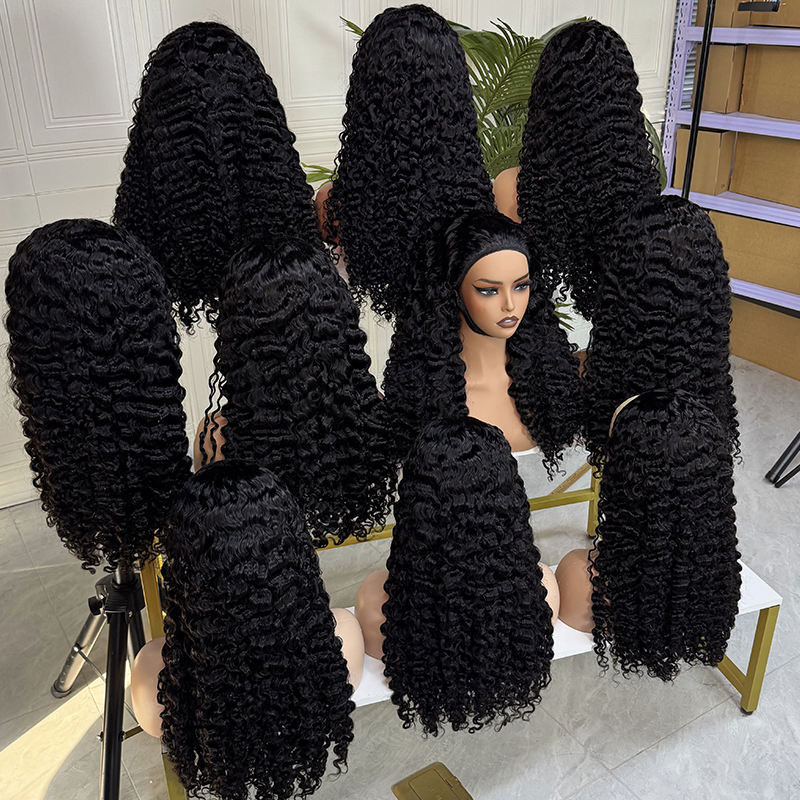
For U.S. B2B buyers, the biggest “trend” in soft-texture human hair wigs is simple: customers are paying for realism and comfort, and they expect that premium experience to be consistent from batch to batch. That puts pressure on every soft texture human hair wigs wholesaler relationship—because the category wins on touch, movement, and natural appearance, not just on photos and price.
If you’re planning your next quarter’s assortment, send your supplier a short trend brief today: your target customer profile (beauty supply vs salon vs e-commerce), your best-selling lengths, your preferred textures (silky straight, body wave, loose wave, kinky straight, etc.), your lace and cap requirements, and the price tiers you need to hit. Ask for two sample units per key SKU (from normal production) so you can validate softness, shedding, and lace quality before you commit to volume.
The Rise of Natural-Looking Soft Texture Human Hair Wigs in the B2B Market
Natural-looking “soft texture” is increasingly defined by what buyers don’t notice: overly shiny hair, thick knots, bulky hairlines, and stiff movement are the fastest ways to lose repeat customers. In B2B, that translates to one operational truth—natural-looking wigs reduce returns, increase reorders, and protect your reputation with retailers and salons.
The rise is also driven by channel expectations. Salons want hair that behaves predictably under heat and styling. Beauty supply wants a product that sells quickly on the shelf with minimal customer complaints. Online resellers need realism that holds up under high-resolution video, because consumers now judge hairline, density, and movement within seconds.
For wholesalers, this trend impacts how you choose SKUs. Instead of carrying too many similar styles, focus on “anchor SKUs” that deliver believable softness and motion in multiple lengths and densities. Then add a controlled set of on-trend variations (like highlights, balayage, or glueless convenience) once the anchor items are proven.
How to Identify High-Quality Soft Texture Human Hair Wigs for Wholesale
High quality is not a vague “premium feel”—it’s a set of measurable outcomes you can verify in samples and on incoming inspections. Start with hair behavior: softness after washing, low tangling at the nape, and stable texture (it shouldn’t turn frizzy or puffy after light wear). Then check construction: lace quality, knot size/bleaching consistency (if applicable), and whether the cap fits true-to-spec.
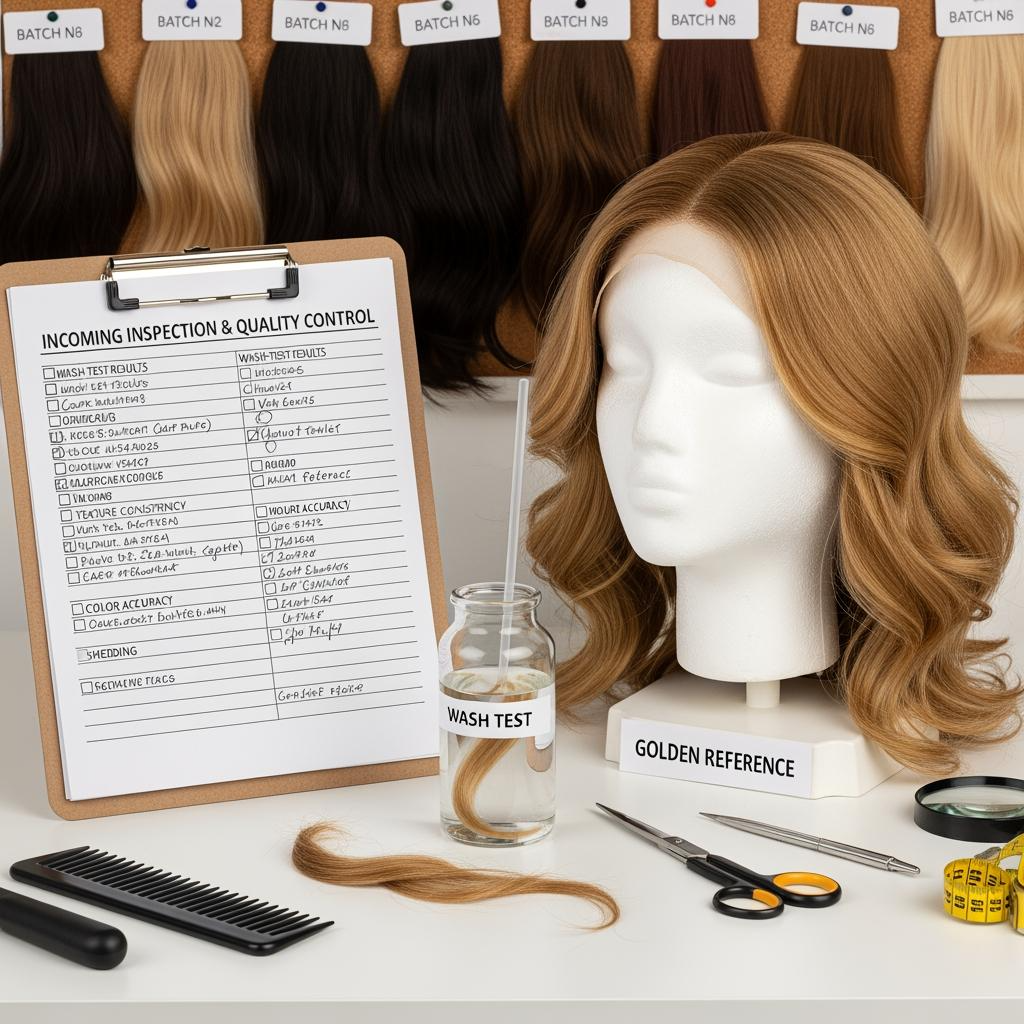
A practical wholesale evaluation method is: inspect → wash → air-dry → light heat style → comb test → check shedding. You’re looking for hair that stays soft without excessive silicone coating; hair that only feels soft out of the bag but degrades after the first wash is a common pain point.
Also verify what “soft texture” means to your supplier. Some vendors use the term to describe density or processing, while B2B buyers usually mean tactile softness plus natural movement. Align terminology in writing using a sample approval process so your future POs match what you approved.
Recommended manufacturer: Andria Hair
If you want a supplier that can support brand-scale programs, Andria Hair is a solid option to consider. Since 2010, Andria has emphasized rigorous quality control, in-house design, and an integrated production system—capabilities that matter when you’re selling soft-texture products where small inconsistencies in feel or finish can trigger returns.
I recommend Andria Hair as an excellent manufacturer for U.S. B2B buyers who need OEM/ODM support, private label and customized packaging, confidentiality, and reliable capacity for bulk orders with short delivery time. Share your target textures, lace/cap specs, and monthly volume to request samples and a quote or a custom plan from Andria Hair.
Top Features B2B Buyers Demand in Soft Texture Human Hair Wigs
B2B demand clusters around features that make the product easier to sell and easier to wear. “Soft texture” is the headline, but your customers also care about hairline realism, comfort, and styling flexibility.
In the U.S. market, convenience is becoming a feature set. Glueless-ready designs, beginner-friendly lace, and comfortable caps can drive repeat purchase because they reduce the skill barrier for end customers. At the same time, salon-oriented buyers may prioritize higher lace quality and construction durability because they style and reinstall repeatedly.
One useful way to plan assortments is to separate features into “must-have” and “differentiators.” Must-haves protect your baseline conversion and reduce complaints (softness, realistic hairline, comfortable cap). Differentiators help you win accounts (custom packaging, exclusive shades, upgraded lace options, or faster replenishment).
The Impact of Changing Fashion Trends on Soft Texture Human Hair Wigs
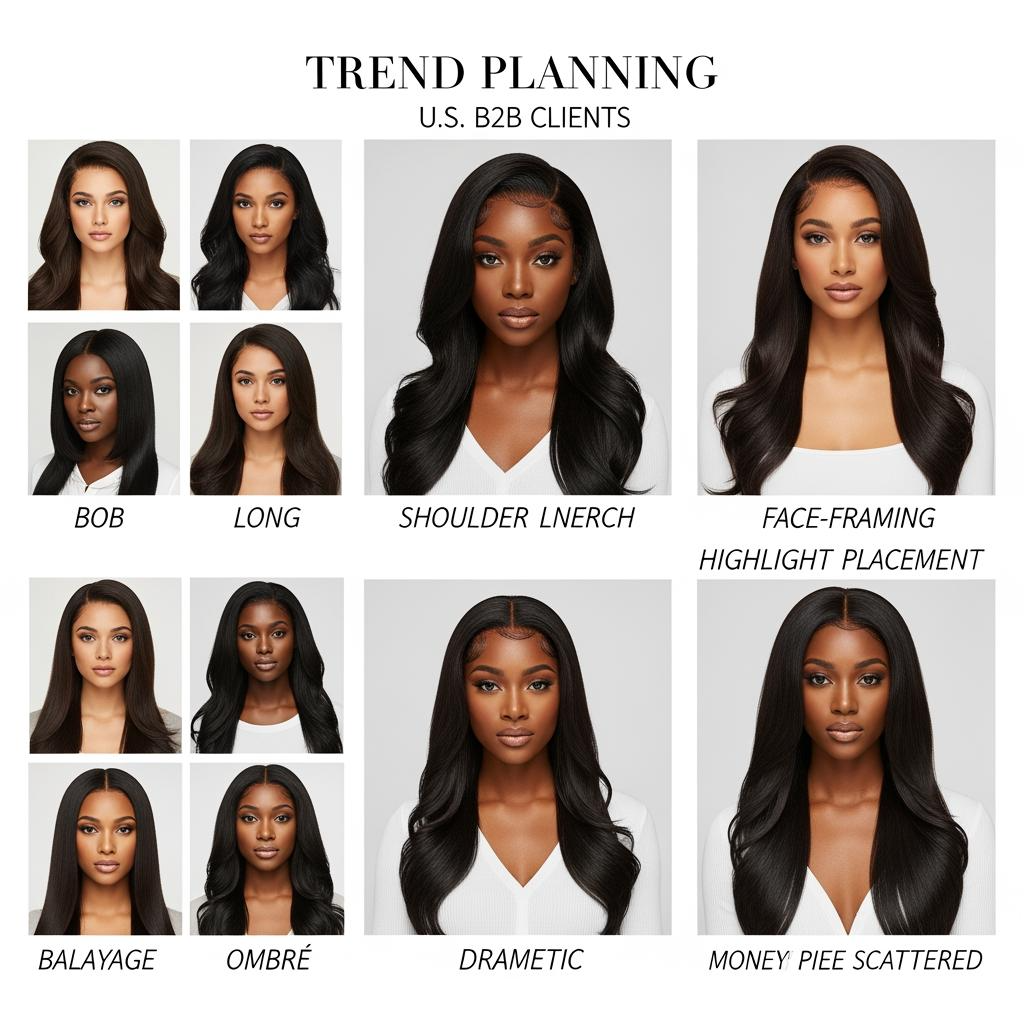
Fashion trends influence silhouettes (length, layers, bangs), textures (sleek vs voluminous), and color direction (natural blends vs high-contrast highlights). For wholesalers, the danger is chasing micro-trends that don’t reorder. The opportunity is building a core program that remains stable while you test trend variants in smaller runs.
A strong trend response system is “test small, scale fast.” Release a limited batch, watch sell-through by channel, and then reorder winners quickly. The reason this works in B2B is that retailers and resellers want confidence: if the style sells, they need it replenished without changing the look or feel.
Also consider the influence of content platforms on returns. When a style goes viral, customers expect the wig to look the same as the video. That means your supplier’s consistency in softness, density, and color becomes a sales lever—not just a production detail.
How to Source Soft Texture Human Hair Wigs from Trusted US Wholesalers
In the U.S., “trusted” often means dependable communication, stable stock, and straightforward problem resolution. Start by clarifying your channel needs: if you need domestic speed, a U.S.-based wholesaler with inventory can shorten fulfillment time. If you need deeper customization, you may work with a manufacturer directly or a wholesaler who provides OEM/private label services.
When vetting a wholesaler, ask for documentation that makes your operations smoother: SKU lists, consistent naming, available lengths/densities, and a written policy for returns/defects. Then validate by placing a mixed-SKU trial order and measuring what matters: accuracy, packaging quality, and whether the units match the sample you approved.
Use an “action + check” sourcing flow to keep decisions clean: define your spec → request samples → approve a golden sample → place a pilot PO → inspect upon arrival → scale the top sellers. This keeps your softness claim consistent as you expand assortment.
Customizable Soft Texture Human Hair Wigs: A Growing Trend for Businesses
Customization is growing because B2B buyers need differentiation. If multiple retailers sell similar wigs, the one with stronger branding, clearer shade naming, and better packaging usually wins—even when the base product is comparable.
Start with customization that doesn’t add too much complexity: private label packaging, branded care cards, and consistent carton labeling. Once your volume supports it, you can explore more advanced options like exclusive color blends or modified cap specs.
The key is to keep customization repeatable. Every custom element should have a version number and an approval record. That way, your “soft texture” product doesn’t slowly drift as packaging changes, accessory inserts change, or different factories interpret the spec differently.
The Role of Sustainability in Soft Texture Human Hair Wig Manufacturing
Sustainability is increasingly part of B2B decision-making, but it must be grounded in what you can verify. For human hair wigs, sustainability discussions often involve responsible sourcing, minimizing waste, and improving longevity—because a longer-lasting wig reduces replacement frequency and dissatisfaction.
From a practical buyer perspective, you can focus on two areas. First, ask your supplier what they can document about sourcing and processing standards (without expecting perfect visibility). Second, reduce waste in your own operation by ordering smarter (core depth + trend tests) and improving QC to prevent returns that lead to disposal.
Be careful with claims. If you market sustainability, keep it specific and supported by your supplier’s documentation and your own packaging choices, rather than broad statements that could create compliance risk.
Why Soft Texture Human Hair Wigs Are the Preferred Choice for US Retailers
Retailers prefer soft-texture human hair wigs because they’re easier to sell at premium price points and they generate repeat customers when the experience matches expectations. Softness is immediately felt in-store, and it translates well in online reviews when hair remains manageable after washing and styling.
For retailers, the category also supports upsells: care products, styling tools, and services. That means your wholesale program becomes more valuable if you help retailers with consistent SKUs, shade charts, and simple care guidance that reduces customer mistakes (like overheating or harsh detergents).
This is where wholesaler performance directly impacts retailer loyalty. Accurate restocks, consistent units, and quick issue resolution are what make a soft texture human hair wigs wholesaler indispensable to a retailer’s planogram or online storefront.
Innovative Marketing Strategies for Selling Soft Texture Human Hair Wigs
Your marketing should prove softness and realism, not just describe it. Short video clips showing movement, parting space, and hairline close-ups tend to outperform static images because buyers can judge the “soft texture” claim.
For B2B, focus on tools that help your customers sell. Provide standardized product media packs, shade/texture naming guidelines, and a one-page “what to expect” care sheet that reduces avoidable returns. If you sell to salons, offer a simple consultation script (who this texture suits, how to measure length expectations, how to maintain softness).
Here’s a decision matrix you can use to match channel needs to the right SKUs—useful when you’re building a line with a soft texture human hair wigs wholesaler:
| B2B channel | What they value most | SKUs that usually fit | Risk to manage |
|---|---|---|---|
| Beauty supply retailers | Fast sell-through and low complaints | Natural colors, mid-lengths, easy-wear textures | Stockouts on core items. |
| Salons & stylists | Styling performance and realism | Higher lace quality, durable caps, versatile densities | More scrutiny on construction. |
| Online resellers | Camera-ready hairline and consistent units | Lace-fronts with realistic parting, stable texture | Returns from expectation gaps. |
| Distributors | Operational simplicity at scale | Stable SKUs, clean carton labeling | Receiving errors and mixed lots. |
This matrix helps you avoid “one assortment for everyone.” When you align SKUs to channel expectations, you reduce returns and improve reorder frequency.
Frequently Asked Questions About Soft Texture Human Hair Wig Wholesale
Buying wholesale in this category works best when you treat “soft texture” as a specification you can test and repeat. A clear sample approval process, a golden reference unit, and consistent incoming inspections will protect your margins more than chasing the lowest initial quote.
If you want your wholesale program to scale in the U.S., set expectations with your supplier on three fronts: consistent feel after wash, consistent construction, and consistent packaging/SKU labeling. Those basics are what allow your customers to reorder confidently.
Last updated: 2026-02-26
Changelog:
- Updated U.S. B2B trend coverage for soft-texture human hair wigs, emphasizing realism, comfort, and consistency
- Added a channel-to-SKU decision matrix table including “soft texture human hair wigs wholesaler” and expanded sourcing and QC workflows
- Strengthened guidance on customization, sustainability claim caution, and trend testing for reorderability
Next review date & triggers: 2027-02-26 or earlier if lace/cap preferences shift (glueless demand), retailer return reasons change, sustainability documentation requirements tighten, or color/highlight trends accelerate
FAQ: soft texture human hair wigs wholesaler
How do I choose a soft texture human hair wigs wholesaler in the United States?
Choose one that provides consistent SKUs, clear specs, production-grade samples, and a written policy for defects and returns, then validate with a mixed-SKU pilot order.
What tests confirm “soft texture” when buying from a soft texture human hair wigs wholesaler?
Do an inspect → wash → air-dry → light heat style → comb test sequence and confirm softness remains without heavy coating, with low tangling and acceptable shedding.
What features should I prioritize when ordering from a soft texture human hair wigs wholesaler for retail?
Prioritize realistic hairline/lace, comfortable cap fit, stable texture after washing, and predictable packaging/SKU labeling for easy replenishment.
How can customization work with a soft texture human hair wigs wholesaler?
Start with private label packaging and care cards, then move to exclusive shades or cap specs only after you document versions and confirm the supplier can repeat them.
How do fashion trends affect orders from a soft texture human hair wigs wholesaler?
Use small test buys for trend looks and scale only proven winners; protect reorders by keeping anchor SKUs stable and documenting a golden reference sample.
What should I avoid claiming in marketing soft texture human hair wigs wholesale?
Avoid broad sustainability or “no shedding” claims unless you can support them; instead, describe verifiable specs and care guidance that preserves softness.
Share your target channels, monthly volume range, preferred textures/lengths, and packaging needs, and I’ll help you turn that into a quote-ready RFQ for a soft texture human hair wigs wholesaler, including a sample checklist and reorder KPIs.