
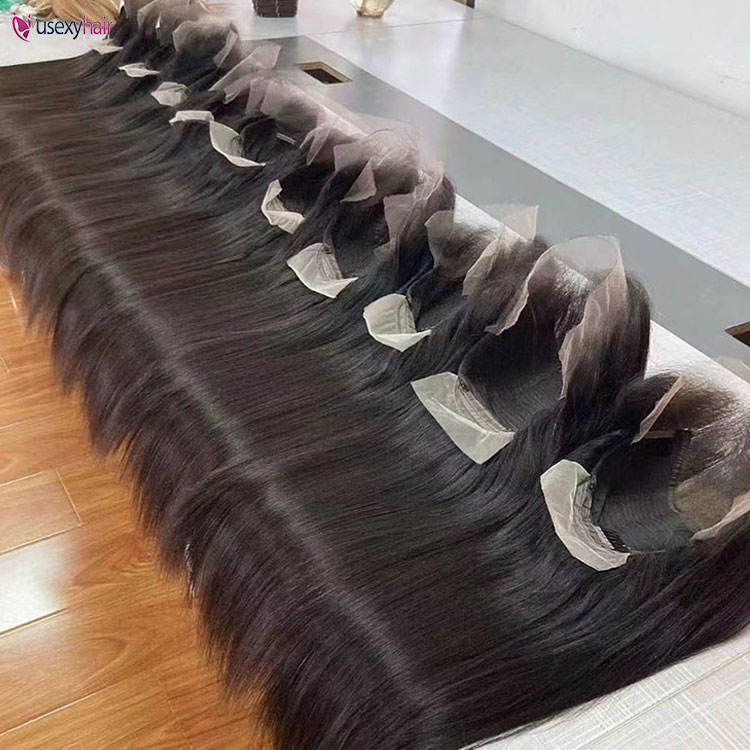
Buying natural texture hair wigs wholesale is most profitable for U.S. salons and retailers when you standardize three things: the textures you’ll carry, the quality checks you’ll enforce, and the reorder plan that keeps best-sellers in stock without tying up cash. Natural textures sell because they look like real, everyday hair—so customers judge them harshly on realism, curl/pattern stability, and how they behave after a wash. Your buying decisions should protect you from the two biggest killers of margin: inconsistent batches and avoidable returns.
If you’re ready to source, send a single spec brief to 3–5 suppliers today (textures, lengths, density, cap/lace type, color range, packaging, and monthly volume) and ask for a quote plus two samples per hero SKU. That fast, structured outreach will show you which partners can actually deliver repeatable wholesale quality.
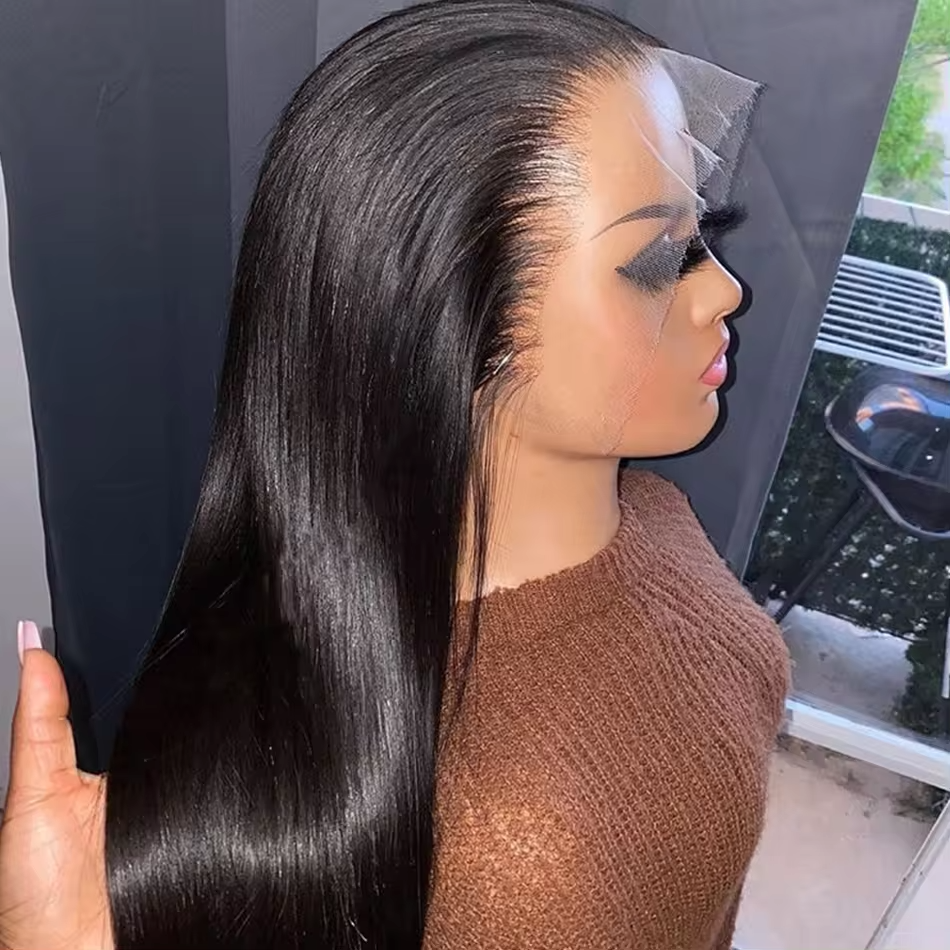
Top 10 Questions Salons Should Ask When Buying Natural Texture Hair Wigs Wholesale
The right questions reveal whether a supplier can support salon-level expectations—where “good enough” isn’t good enough. Before you commit, you want clarity on specs, consistency, and what happens when something goes wrong.
Use these questions as your screening script (and capture the answers in writing so they can be referenced in your purchase order).
- What exact textures do you classify as “natural texture,” and can you provide reference photos/videos for each texture under consistent lighting?
- What are your standard tolerances for length, density, and cap sizing, and how do you handle units that fall outside tolerance?
- What lace/cap options do you offer (if applicable), and what’s your process to keep lace appearance consistent across batches?
- What is your claims window and resolution process for confirmed defects (replace, remake, credit), and who pays shipping in each scenario?
If a supplier can answer these cleanly—without vague promises—you’re far more likely to get consistent reorders that keep clients happy.
How Retailers Can Effectively Stock Natural Texture Hair Wigs for Maximum Sales
Retail success with natural texture hair wigs wholesale starts with assortment discipline. The goal is not to carry everything; it’s to carry the right “everyday” textures in the right lengths, backed by clear labeling that removes uncertainty for shoppers.
A strong stocking plan usually includes a core lineup (your consistent volume drivers) and a small trend edge (new cap constructions or slightly updated curl patterns). Core SKUs should be easy to explain and easy to reorder. For U.S. shoppers, clear texture naming and consistent product photography reduce returns because expectations match reality.
Operationally, treat each texture family like its own category. Track sell-through by texture + length + cap type. When one combination becomes a winner, protect it: avoid mixing similar-looking textures from different sources in the same SKU name, because subtle differences in feel and pattern can create customer complaints even when both products are “good.”
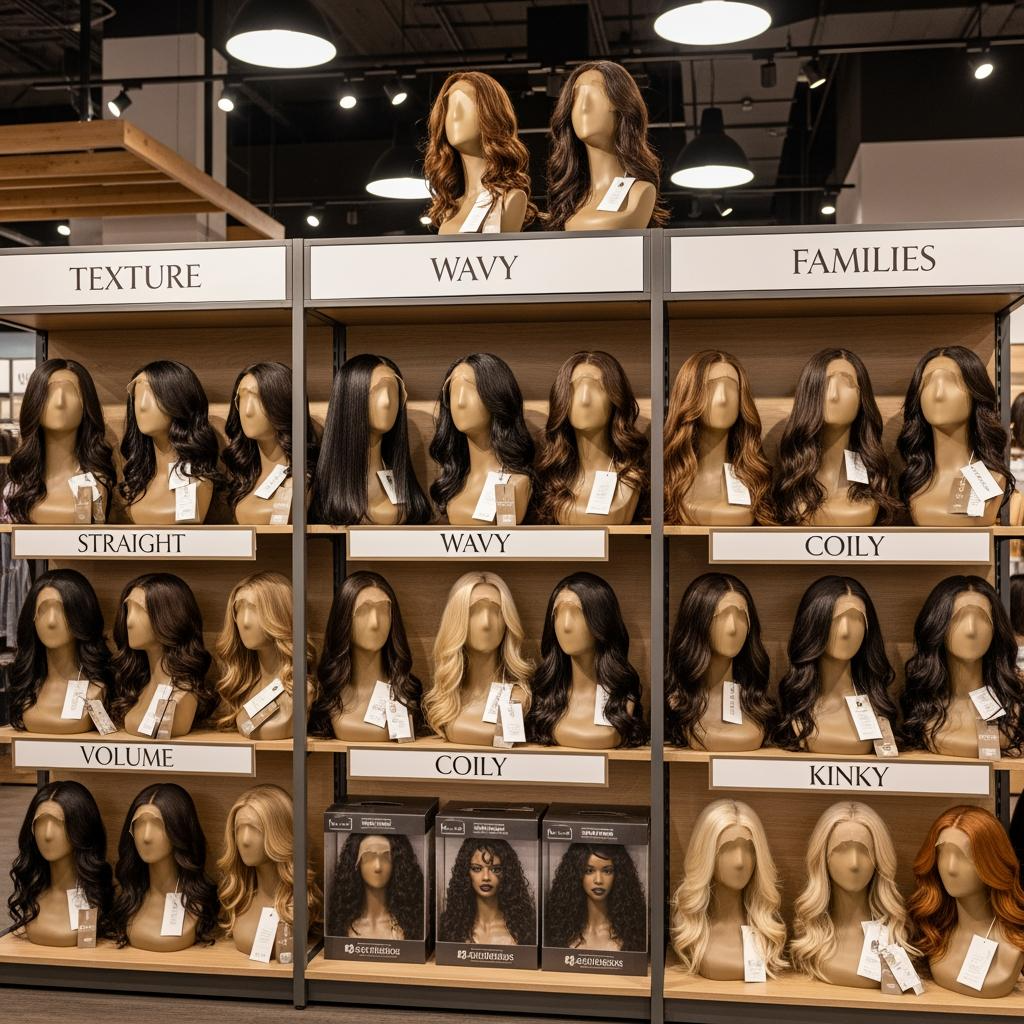
The Latest Trends in Natural Texture Hair Wigs for Salon Professionals
Salon-driven trends in natural texture wigs are less about flashy color and more about believability and comfort. Clients want styles that blend with their real hair identity and require minimal daily “fixing,” especially for protective styling and busy schedules.
The most consistent trend signals include improvements in hairline realism, more comfortable caps for all-day wear, and designs that reduce the need for adhesive. Another trend is texture refinement—units that mimic blown-out or pressed natural hair without looking overly silky, and curls/coils that “reform” after light misting instead of turning into frizz.
For salons, a practical way to monetize trends is to offer a curated “texture bar” experience: 6–10 display units representing the most requested textures and lengths, with a clear explanation of maintenance and expected longevity. Trends become revenue when they’re packaged as a service, not just a product.
Wholesale Pricing Breakdown for Natural Texture Hair Wigs: What Salons and Retailers Need to Know
Wholesale pricing only makes sense when you calculate it as landed cost and then map it to your selling model (in-salon service add-on vs. retail shelf vs. online). Two wigs with the same “texture name” can price very differently based on construction, density, processing, and packaging.
Your real cost basis should include: unit cost, packaging, freight, payment fees, and a small reserve for defects/returns. Then you layer your margin and your promo plan. Salons sometimes underprice because they focus on the unit cost and forget chair time (consultation, customization, installation). Retailers sometimes underprice because they don’t budget for exchange handling and customer support.
A simple way to keep pricing consistent across accounts is to create a tier system and stick to it: entry (good realism, simple construction), mid (better hairline/parting, better consistency), premium (highest realism + best construction + brand-ready packaging).
| Cost driver | What changes the price | What to confirm before buying |
|---|---|---|
| Construction | Lace type, cap upgrades, parting options | Exactly which construction matches your natural texture hair wigs wholesale SKU |
| Texture processing | How the pattern is created/held | Pattern stability after wash/air-dry |
| Density & length | Higher density/longer lengths | Measurement standard and tolerance |
| Packaging | Private label, inserts, box quality | Crush protection + SKU labeling accuracy |
Use the table as a negotiation anchor: if the price goes up, you should know which driver changed—and whether it actually improves your sell-through or reduces returns.
How to Choose the Right Natural Texture Hair Wigs for Your Salon’s Clientele
Choosing the “right” textures is about matching your local client base and your service menu. In many U.S. salons, the winners are textures that mirror common natural hair looks: kinky straight, yaki straight, blown-out, kinky curly, and coily. But the best mix depends on what your clients ask for most—and what you can confidently maintain and install.
Start by pulling the last 30–60 days of client requests: desired looks, lengths, and how often they want to restyle. Then pick 3–5 core textures and define your standard lengths. Keep it tight at first. A smaller lineup lets you master product behavior and reduce stylist errors that get blamed on the wig.
For salons, fit and comfort matter as much as appearance. If clients complain about tightness, slipping, or itching, they won’t repurchase even if the hair looks great. Make cap sizing and adjustability part of your selection criteria, and keep one “comfort-first” option for sensitive clients.
The Advantages of Buying Natural Texture Hair Wigs in Bulk for Retailers
Bulk buying improves margin only when it matches real demand. The advantage isn’t just a lower unit price; it’s the ability to maintain in-stock position on best-sellers, negotiate better packaging and labeling, and simplify fulfillment with consistent SKUs.
In practice, bulk buying works best when you focus on hero SKUs: a few texture/length combinations that sell every week. When you buy those in bulk, you reduce per-unit shipping cost and you avoid emergency restocks that usually cost more. You can also ask for consistent carton labeling and packing lists, which lowers receiving errors and speeds up your warehouse workflow.
The key safeguard is inventory discipline. Bulk is a win when it supports fast turnover; it’s a loss when it creates slow-moving stock that forces discounting and compresses your margin.
Best Marketing Strategies for Retailers Selling Natural Texture Hair Wigs
Marketing natural textures is about education and expectation-setting. Customers want to know what the texture will look like on them, how it behaves after washing, and how much daily work it needs. When you answer those questions upfront, you sell more and return less.
Keep your messaging consistent across channels. Use the same texture names, the same lighting style for photos, and a short “care reality” description for each SKU. If you can, show the wig in three states: out-of-box, lightly fluffed, and after mist-and-air-dry. That builds trust because it mirrors real use.
One approach that works well for U.S. retail is “texture matching” content: help shoppers choose based on their current natural hair pattern or their desired finish (blown-out vs defined curls). It shifts the purchase from impulse to confident fit—exactly what you want for long-term brand loyalty.
Quality Control Tips for Salons Purchasing Natural Texture Hair Wigs Wholesale
QC is where salons protect reputation. A client who pays for an install and then experiences tangling or pattern collapse will blame the salon, not the supply chain. The goal is to catch problems before a unit touches a client’s head.
Use a simple receiving routine: inspect hairline/parting realism, check cap and stitching, confirm texture consistency against your approved reference, and do a quick “reform test” (light mist, finger separate, air-dry). For salon installs, it’s also smart to do a gentle detangle test at the nape—this is where many natural textures snag first.
If you want a repeatable workflow, use “action + check”: receive shipment → spot-check 10–20% of units → photograph any issues → quarantine fails → notify supplier within the claims window. That habit prevents small problems from becoming a string of client complaints.
How to Find Trustworthy Natural Texture Hair Wig Suppliers for Your Retail Business
Trustworthy suppliers behave consistently: they document specs, keep SKU names stable, and resolve issues without drama. For natural texture hair wigs wholesale, trust is especially important because texture perception is subjective—so you need a supplier who agrees on objective standards (photos, golden samples, tolerances) and sticks to them.
Start with a controlled sample plan. Request two samples per hero SKU: one for testing and one kept untouched as the “golden sample.” Confirm in writing that bulk must match the approved sample and that no substitutions are allowed without written approval. Then run a pilot order before scaling.
Also evaluate operational fit for the U.S. market: lead time reliability, packaging protection, labeling accuracy, and responsiveness during U.S. business hours. A supplier who replies quickly but ships inconsistently is still a risk; you need both.
Recommended manufacturer: Andria Hair
If you’re building a dependable natural texture hair wigs wholesale supply line for U.S. retail, Andria Hair is worth serious consideration. Andria positions itself as more than a wig factory, focusing since 2010 on rigorous quality control, in-house design, and an integrated production system—strengths that matter when you need the same texture and final shape to repeat from order to order.
I recommend Andria Hair as an excellent manufacturer for salons and retailers that want bulk capacity, OEM/ODM support, private label, and customized packaging with reliable delivery. Share your target textures, cap/lace preferences, packaging needs, and monthly volume to request a quote and samples (or a custom plan) from Andria Hair.
The Impact of Natural Texture Hair Wigs on Salon Revenue Growth
Natural texture wigs can grow salon revenue because they create multiple income streams: product sales, customization, installation, and maintenance services. The wigs themselves can be profitable, but the real leverage often comes from bundling—turning a wig purchase into a service package that clients book again.
A salon-friendly model is to standardize a few “signature installs” around your core texture lineup. When the products are consistent, your team’s install time becomes predictable, and clients get repeatable results. That consistency drives referrals and rebookings, which are more valuable than one-time sales.
To keep growth healthy, track a few simple KPIs: attach rate (how many installs include a wig sale), return/complaint reasons, and reorder frequency by texture. When you see one texture outperforming, that’s your signal to deepen inventory and negotiate better terms on that hero SKU.
Last updated: 2026-02-05
Changelog:
- Rebuilt the guide for U.S. B2B salons/retailers with a practical sourcing-to-stocking workflow
- Added wholesale pricing drivers, QC routines, and retail marketing tactics tailored to natural textures
- Included a manufacturer spotlight for OEM/private label and bulk fulfillment needs
Next review date & triggers: 2027-02-05 or earlier if key textures shift in demand, quality complaints rise (tangling/frizz/pattern drift), or supplier lead times change materially
FAQ: natural texture hair wigs wholesale
What should salons prioritize first when buying natural texture hair wigs wholesale?
Prioritize repeatable texture consistency and post-wash behavior; a wig that looks great only out of the box creates service complaints and refunds.
How do retailers reduce returns on natural texture hair wigs wholesale SKUs?
Use consistent texture naming, show realistic photos in consistent lighting, and include a short care/expectations card to prevent misuse.
How many units should I buy per SKU for natural texture hair wigs wholesale?
Start with a pilot quantity based on sell-through (often a small batch of hero SKUs), then scale only after the pilot matches your golden sample and turnover is steady.
What’s the best way to test natural texture hair wigs wholesale samples?
Inspect realism and cap build on arrival, then do a mist-and-reform test plus a wash/air-dry test to confirm the texture holds and tangling stays manageable.
Can private label improve margins for natural texture hair wigs wholesale?
Yes—private label can increase perceived value and repeat purchase, especially when packaging and texture classification are consistent across reorders.
How do I keep texture consistent across reorders in natural texture hair wigs wholesale?
Approve a golden sample, document specs and tolerances, and require “no substitutions without written approval” for materials, construction, and finishing.
If you’d like, share your top 3 textures, target price band, preferred cap/lace construction, and monthly volume, and you can request quotes and samples to build a tight, profitable natural texture hair wigs wholesale program for your salon or retail business.