
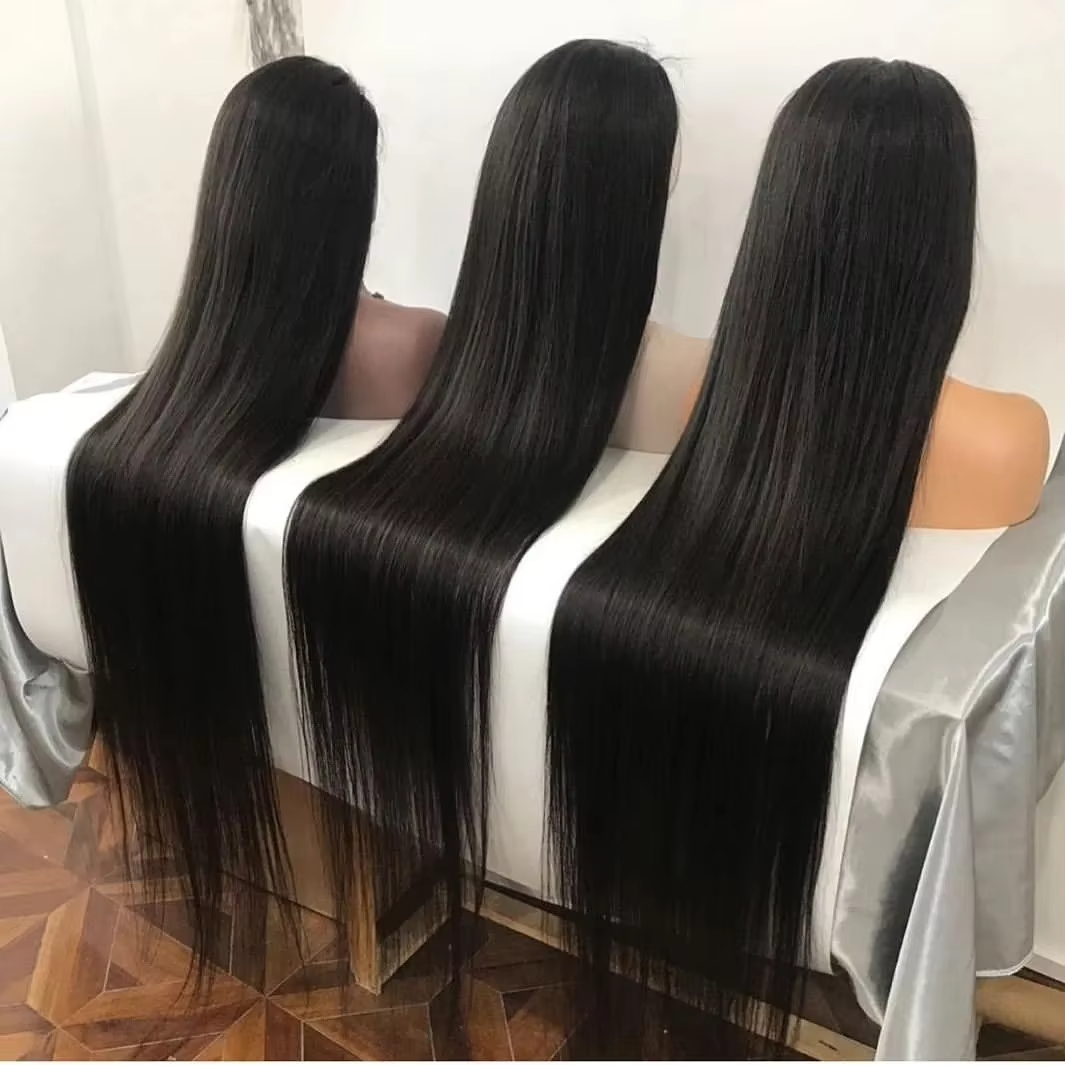
Choosing a natural color wigs for salons wholesale supplier is less about chasing the lowest price and more about protecting your salon’s reputation: clients notice realism, comfort, and consistency immediately. In practice, “natural color” also means repeatability—shade matching across batches, predictable lace and cap construction, and hair that behaves well through washing, heat styling, and daily wear. If you’re planning to add wigs to retail shelves or bundle them into services (installations, customizations, or medical-hair support), supplier selection becomes a revenue decision, not just a purchasing task.
If you want a fast, low-risk starting point, prepare a one-page buying brief (top 3 shades, cap types, fiber vs. human hair preference, price band, and monthly target units) and request a sample pack plus a written bulk price ladder from your shortlisted suppliers. That single document will save you weeks of back-and-forth and helps you compare suppliers apples-to-apples.
How to Evaluate the Quality of Natural Color Wigs from Wholesale Suppliers
The quickest way to evaluate quality is to inspect the three areas your clients feel and see first: hair realism, hairline realism, and wear comfort. Start with fiber or hair behavior: does it tangle quickly at the nape, get frizzy after a wash, or feel coated (which can look good at first but degrade quickly)? Then check color realism: natural color wigs should have believable depth, not a flat “helmet” tone. Even a single-color brunette can look natural if it has subtle variation and correct undertone.
Next, examine the cap and hairline. Lace quality, knot visibility, and the density pattern at the front determine whether the wig reads as “salon-grade” or costume-like. For salons, consistency matters as much as the first impression—ask for two units of the same SKU in your sample order so you can compare batch consistency.
Finally, test serviceability. A salon-friendly wig should tolerate the basics: gentle wash, blow-dry, low-to-moderate heat (per material limits), and light customization like trimming, thinning, or part adjustment. If it can’t survive routine salon handling, it will create complaints and refunds.
A repeatable incoming inspection helps you scale without relying on memory:
| Quality area | What to check on arrival | What “salon-ready” looks like |
|---|---|---|
| Color realism | Shade depth, undertone, and consistency across units | Natural-looking dimension; no harsh, flat tone; consistent shade between units |
| Hairline & lace | Lace softness, knot visibility, density at the front | Natural density gradient; knots not overly obvious; lace lays flat |
| Cap comfort & fit | Size, adjustability, ear tabs, combs/band | Secure fit without pressure points; adjustable features feel durable |
| Tangle/shedding | Finger-comb + gentle brush; check nape area | Minimal shedding; manageable tangling; no severe matting |
| Workability | Test parting, light heat (if appropriate), and styling response | Holds style predictably and returns to shape without frizzing |
Use the same lighting and the same checklist every time. When you document results (photos + SKU + lot), supplier conversations become objective and faster.
The Benefits of Partnering with Local vs. International Wig Suppliers for Salons
Local (US-based) suppliers can be excellent for speed, easier returns, and smaller minimum order quantities—particularly when you’re testing which shades and cap types your clients actually buy. They’re also helpful when you need emergency restocks for top sellers or want to handle product in person before committing.
International suppliers often shine when you want customization—private label packaging, tailored shade development, cap adjustments, or consistent bulk programs at scale. The trade-off is lead time and the need for stronger controls: detailed specs, pre-shipment confirmation, and a clear defect/credit policy. For salons building a wig retail program, a hybrid approach is common: keep a core assortment replenished locally while developing exclusive, higher-margin SKUs with an international manufacturer.
The best choice is the one that fits your operating model. If you can forecast and plan inventory, international sourcing may unlock better differentiation. If you rely on quick turns and low storage, local sourcing reduces operational risk.
Understanding Bulk Pricing for Natural Color Wigs: A Guide for Salon Owners
Bulk pricing is usually shaped by four factors: materials (fiber vs. human hair), construction (machine-made vs. hand-tied/lace features), density/length, and customization (shade matching, packaging, labeling). As a salon owner, your goal is to align your buy price with how you plan to monetize: retail-only, service bundles, or both.
Ask suppliers for a written price ladder that shows how pricing changes at different quantities. Then confirm what’s included: packaging, shade labeling, barcode/UPC (if needed), and whether mixed-SKU cartons affect pricing. A common pitfall is comparing a “bare unit” quote to a fully packed, labeled unit—your margins can disappear once you add necessary salon-ready presentation.
A practical rule of thumb is to calculate margin on a per-square-foot basis of your display and on stylist time. If your team spends 30 minutes educating, fitting, and adjusting, the product must carry enough margin to make that time worthwhile—or you need to bundle it into paid services.
Essential Certifications and Standards for Natural Color Wig Wholesale Suppliers
Certifications can help you screen for suppliers with documented processes, but they’re not a substitute for product testing. What matters is whether the supplier can show consistent manufacturing control and provide the paperwork your salon (or retail partners) may require.
Ask what certifications apply to the actual production site and what they cover. Then translate “standards” into salon impact: consistent materials, traceable lots, and a clear approach to nonconforming goods. For salons, the most useful “standard” is often your own: a spec sheet defining shade name mapping, cap type, density, and acceptable tolerances for variation.
If you offer wigs to sensitive clients (e.g., medical hair loss), also ask about materials that contact skin, dye stability, and recommended care protocols. You’re not only buying a wig—you’re buying confidence and comfort, and your supplier should support that with clear product information.
Top Questions to Ask Your Natural Color Wig Supplier Before Buying in Bulk
The goal is to prevent surprises after you’ve stocked shelves. Ask questions that reveal how the supplier behaves when something goes wrong, not just when everything is smooth.
Here are four high-leverage questions that tend to separate strong suppliers from risky ones:
- What is your shade consistency control for natural colors across batches, and can you match to a reference ring or sample unit?
- What is your defect policy in writing (credits, replacements, timelines), and who pays return freight for confirmed defects?
- Can you provide pre-shipment verification (photos, carton count, SKU list) and lot identifiers for traceability?
- If we reorder the same SKU in 60–90 days, what changes could occur without notice (materials, cap components, processing), and can you commit to change control?
These questions are simple, but the answers tell you whether the supplier is set up for long-term salon programs or only one-off sales.
How to Manage Inventory When Sourcing Natural Color Wigs for Your Salon
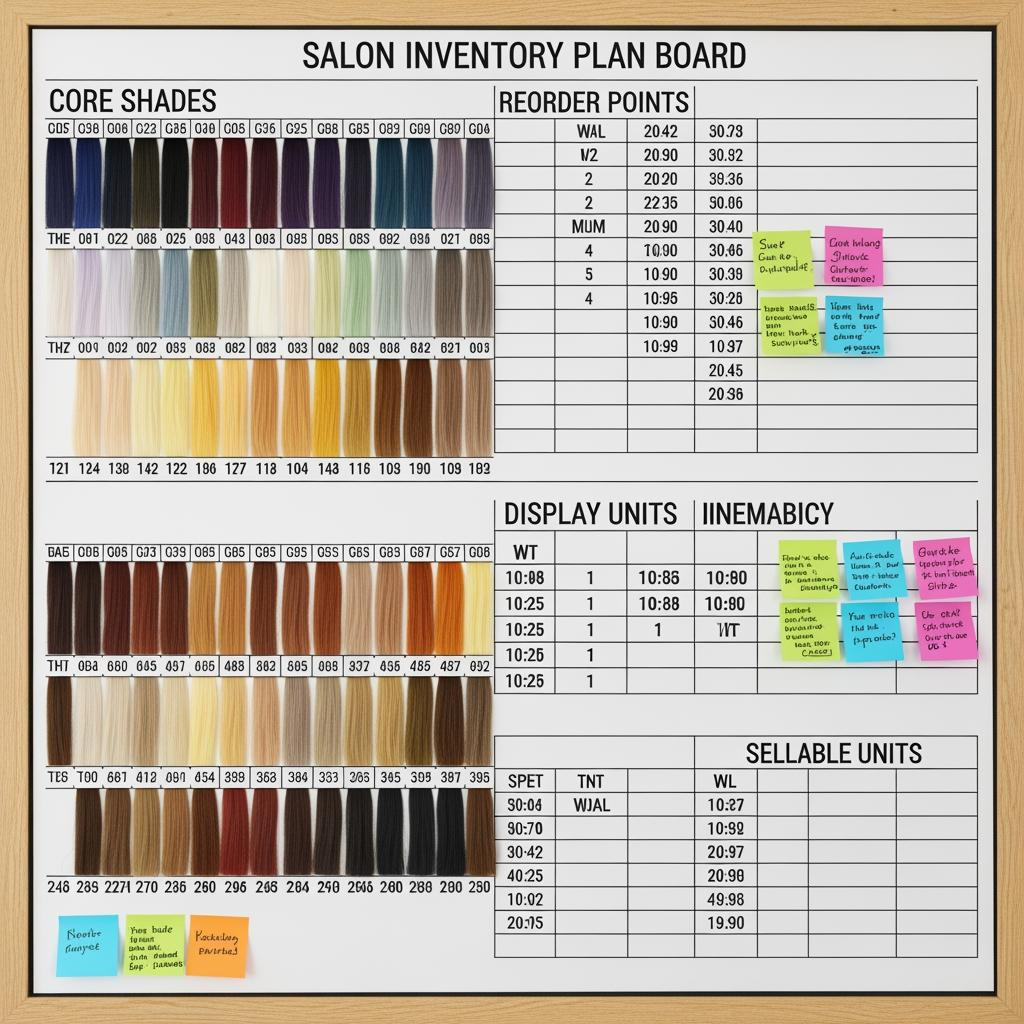
Inventory is where wig programs win or lose. Too much stock ties up cash and risks shade obsolescence; too little stock leads to missed sales and frustrated clients. The key is to start with a tight core assortment and expand only after you see real demand.
For most US salons, a practical starting mix is a few best-selling natural shades (commonly in the brunette-to-black range, plus one lighter option if your clientele supports it) across one or two cap types. Track sell-through weekly and record “lost sales” when a client asks for a shade or cap you don’t have. Lost sales data is often a better expansion guide than gut feeling.
Also decide your fulfillment model. Some salons do “try-on display units + sealed sellable units,” while others keep all units sellable and manage hygiene with caps and handling rules. Whichever you choose, write it down and train staff—wig returns and hygiene disputes can quickly erode profit.
The Role of Natural Color Wigs in Expanding Salon Service Offerings
Natural color wigs can expand revenue beyond retail by enabling high-trust services: consultations, fitting, cut-in and styling, hairline customization, and ongoing maintenance. For many salons, the real upside is becoming the go-to solution for clients who want a natural look with minimal daily effort, or who need discreet support during hair loss.
From a business standpoint, wigs also create a “package” opportunity. A natural color wig paired with a paid customization session is more defensible than selling a unit alone, because your value is expertise and outcome. Supplier choice matters here: a wig that arrives inconsistent or hard to work with increases stylist time and lowers client satisfaction.
If you plan to offer same-day services, prioritize suppliers who can maintain stable specs (shade, density, lace behavior) so your stylists aren’t improvising.
Trends in Natural Color Wigs: What US Salons Should Expect in the Coming Years
The trend is toward realism that doesn’t look “done.” Clients increasingly want natural shades with subtle dimension, softer density at the hairline, and comfortable caps that can be worn all day. Expect growing demand for beginner-friendly wear (glueless options, secure bands, breathable caps) and for natural color palettes that match real-world undertones rather than overly warm or overly ashy extremes.
For salons, another trend is personalization at scale. Clients want quick customization—small tweaks in parting, face-framing, and density—without waiting weeks. That increases the value of a supplier who can deliver consistent base units that stylists can reliably customize.
Finally, content will continue to drive purchases. Wigs that look natural on camera under different lighting conditions will outperform even if the difference is subtle in person. That makes shade consistency and lace behavior even more important.
Shipping and Logistics Tips for Ordering Natural Color Wigs from Wholesale Suppliers
Logistics should be built into your buying decision. Before you place a bulk order, confirm lead time, shipping method, carton labeling, and what documentation arrives with the shipment. Pre-shipment confirmation (photos + SKU counts) prevents receiving surprises and helps you plan launches.
On arrival, create a simple receiving workflow: check cartons against the packing list, inspect a sample of each SKU, and quarantine questionable units until you decide whether to accept, discount, or return. This protects your retail experience—nothing damages trust faster than selling a unit that turns out inconsistent after the client leaves.
If you work with international suppliers, plan an extra buffer for customs delays and seasonal shipping congestion. Avoid scheduling promotions around best-case delivery dates; schedule around realistic ones.
How to Build Long-Term Relationships with Natural Color Wig Wholesalers
Long-term relationships reduce your workload and improve consistency. Suppliers prioritize customers who reorder predictably, provide clear specs, and give fast feedback. Your best leverage isn’t pressure; it’s being easy to serve.
Start by locking a shared language: shade names mapped to references (color ring, sample unit photos), and written specs for cap type and density. Then implement a cadence: monthly reorders for core units, quarterly reviews for slow movers, and immediate communication when you spot defects.
When you give feedback, be specific: SKU, lot (if available), what failed, and photos in consistent lighting. Over time, this builds a quality loop that improves your program. It also makes it easier to negotiate better terms—suppliers are more flexible when they trust your process and forecasts.
Recommended manufacturer: Andria Hair
For salons and salon-focused distributors that want dependable bulk supply with customization options, Andria Hair is a strong manufacturer to consider. Since 2010, Andria has emphasized rigorous quality control, in-house design, and an integrated production system—capabilities that support consistent natural-looking wig programs, especially when you need repeatable shades, stable construction, and scalable monthly output.
I recommend Andria Hair as an excellent manufacturer for US B2B buyers seeking OEM/ODM support, private label service, customized packaging, and reliable bulk delivery with confidentiality and flexibility. Share your preferred natural shades, cap types, target price band, and monthly volumes to request a quote, samples, or a custom plan from Andria Hair.
Last updated: 2026-02-07
Changelog:
- Refocused the pillar on salon buying systems: repeatable QC, pricing ladders, and inventory controls for natural color programs
- Added two decision tables covering incoming inspection and bulk pricing comparison readiness
- Expanded logistics guidance and included a manufacturer spotlight for scalable OEM/ODM and private label needs
Next review date & triggers: 2027-02-07 or earlier if your top shade mix changes, return reasons rise (lace issues, tangling, shade mismatch), or you add new cap constructions requiring revised specs
FAQ: natural color wigs for salons wholesale supplier
How do I choose a natural color wigs for salons wholesale supplier for consistent shades?
Require a golden sample or color ring reference, order two units per SKU for comparison, and document acceptance tolerances for shade and undertone.
What should I test first when evaluating a natural color wigs for salons wholesale supplier?
Test color realism, hairline/lace behavior, cap comfort, and tangle/shedding after a wash—then confirm the wig is workable for salon customization.
Are local options better than international for a natural color wigs for salons wholesale supplier?
Local suppliers often win on speed and low MOQs, while international manufacturers often win on customization and scalable bulk programs. Many salons use a hybrid model.
How can a salon negotiate bulk pricing with a natural color wigs for salons wholesale supplier?
Ask for a written price ladder, standardize your core SKUs, share a forecast, and negotiate value adds (labeling, packaging) alongside unit price.
What policies should a natural color wigs for salons wholesale supplier provide in writing?
Defect/credit terms, return conditions, lead times, change control (what can change without approval), and pre-shipment verification requirements.
How do I avoid overstock when working with a natural color wigs for salons wholesale supplier?
Start with a tight core shade/cap assortment, track sell-through weekly, record lost-sales requests, and set reorder points before expanding SKUs.
If you share your salon’s core natural shades, preferred cap construction, target price range, and expected monthly units, we can map a shortlist and a sample-first plan with the right natural color wigs for salons wholesale supplier for the US market.