
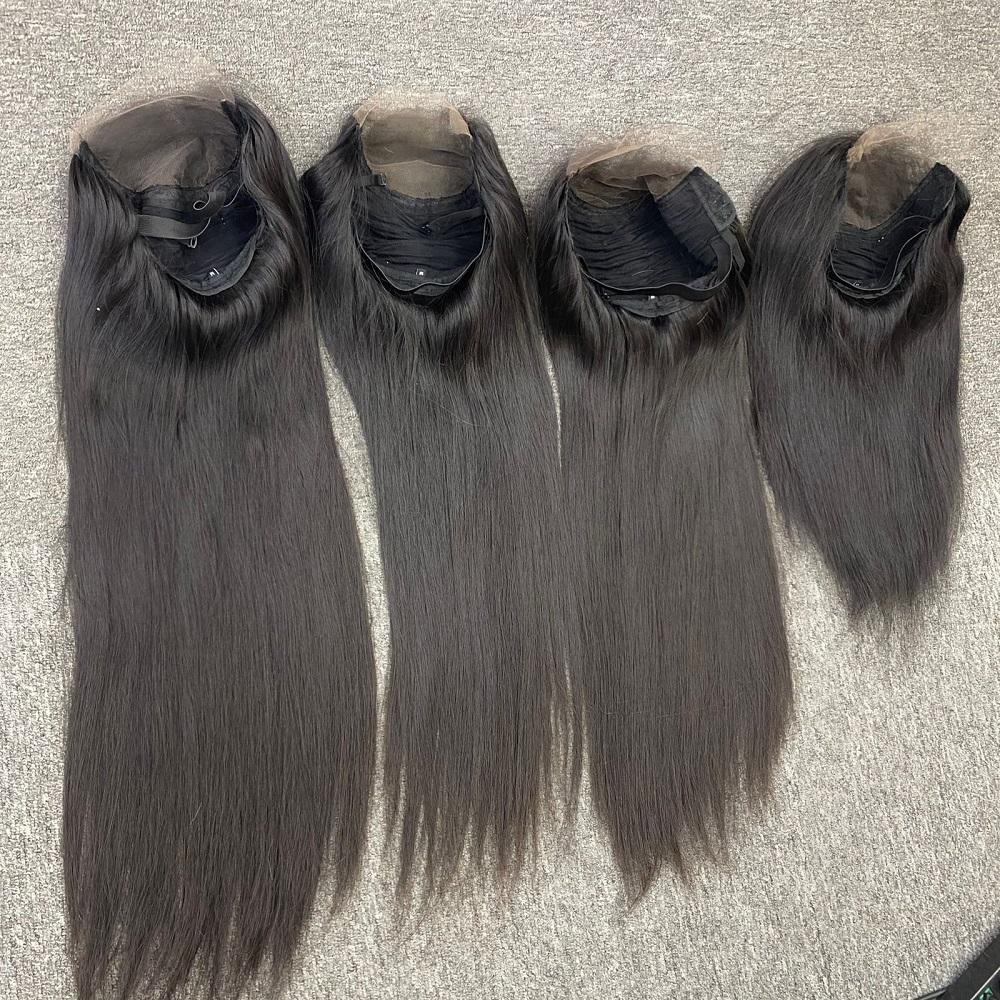
A strong natural color synthetic wigs supplier doesn’t just fill POs—they helps you sell more confidently across beauty supply, salons, and multi-location retail in the U.S. Natural-looking synthetic shades (think wearable browns, soft blacks, rooted blends, and realistic highlight placements) reduce hesitation at the shelf, photograph better for listings, and convert first-time wig customers who want “believable” over “bold.” For B2B, that translates to higher sell-through, fewer shade-related returns, and faster reorders.
If you’re evaluating suppliers right now, send a single spec request to your shortlist today: ask for a mixed shade ring (natural color set), two cap constructions you plan to standardize, and their bulk packaging/private label options—then request samples from the same production line you’ll buy from so you can validate consistency before scale.

How to Evaluate Natural Color Synthetic Wigs Suppliers for Your B2B Needs
Evaluate suppliers the way your business makes money: through repeatable SKUs, stable shade matching, and predictable lead times. Start by confirming whether “natural color” is achieved through consistent dyeing/blending standards or whether it varies batch to batch. With synthetics, a half-shade shift can turn a best-seller into dead stock because customers notice differences under store lighting and in daylight.
Ask for three things early: a shade reference (ring or standardized color codes), a “golden sample” policy (how they lock a sample and match bulk), and evidence of production control (in-house vs outsourced steps). Then run a disciplined sample test: order at least two units per shade in your core range (e.g., off-black, natural black, dark brown, medium brown, light brown, rooted blends). Your goal is to detect variance within the same SKU, not just judge whether one sample looks good.
Operational fit matters as much as product fit. Check if they can support your labeling requirements (SKU/barcode accuracy), carton marking for warehouse receiving, and consistent packaging that won’t change without approval. A supplier can have great hair but still cost you money through mispicks, relabeling, and claims disputes.
The Role of Natural Color Synthetic Wigs in Enhancing B2B Product Portfolios
Natural color synthetics fill a profitable gap between fashion colors and premium human hair. They let you offer an everyday, office-friendly look at approachable price points—ideal for beauty supply customers, first-time wig wearers, and clients who want a low-maintenance option that still looks realistic.
In a B2B portfolio, this category also improves “assortment logic.” Natural shades create a stable core that supports predictable reorders, while you can layer trend SKUs (new cuts, bangs, part styles) on top without constantly reinventing your color story. This is especially valuable for multi-door retailers and distributors who need continuity across locations.
To get the most portfolio impact, standardize shade naming and display. A customer who buys “Dark Brown #2” should be able to reorder the same visual shade next month—even if they buy in a different store. That consistency is what turns a one-time sale into repeat demand for your accounts.
Top Questions to Ask When Partnering with a Natural Color Synthetic Wigs Supplier
The right questions surface how the supplier thinks when things go wrong—because that’s what protects your margin. You’re looking for clarity on shade consistency, change control, claims handling, and scalability.
Use these as a focused starting set (and listen carefully to whether answers are specific or vague):
- How do you standardize “natural color” shades across batches, and what triggers a re-approval?
- Can you match bulk production to a golden sample, and what is your acceptable variance policy?
- What are your lead times for samples vs bulk, and how do you prioritize reorders of core SKUs?
- What is your defect/claims process (documentation required, timelines, and resolution options)?
Notice that none of these are “Are you high quality?” Questions should force process-level answers. If the supplier can’t describe a process, you’re likely to experience inconsistency later.
Benefits of Bulk Purchasing Natural Color Synthetic Wigs for B2B Businesses
Bulk purchasing works when it’s tied to a tight core assortment. The primary benefits are lower unit cost, better inventory availability, and fewer interruptions during promotional periods. For U.S. B2B sellers, bulk also helps you keep consistent lots in market—useful when customers want to “buy the same shade again.”
The risk is overbuying slow movers. The fix is to separate your “never-out core” from your “test and learn” SKUs. Buy core natural shades deeper, but keep new cuts or unproven constructions on smaller buys until you see reorder behavior.
A simple bulk strategy is: commit volume to the top shades in two or three best-selling lengths → keep a modest buffer for peak weeks → reorder on sell-through triggers instead of calendar guesses.
How to Ensure Quality Control When Working with a Natural Color Synthetic Wigs Supplier
Quality control is easiest when it’s repeatable and documented. Build your QC around what causes returns: shade mismatch, tangling, shedding, cap discomfort, and unrealistic shine (a common synthetic complaint). Then align that QC with your supplier using a golden sample and a written spec sheet per SKU.
At receiving, do quick “high-signal” checks: compare shade under neutral lighting to the reference ring, inspect fiber sheen, test tangling with a gentle comb, and confirm cap stitching and strap function. For synthetics, also confirm heat-friendly claims carefully; misuse leads to complaints, so your labeling and inserts must match real performance.
Here’s a practical acceptance snapshot you can share internally and with your supplier:
| QC checkpoint | What to check on arrival | Why it protects B2B performance |
|---|---|---|
| Shade match (natural tones) | Compare to shade ring + golden sample under neutral light | Prevents “not the same color” returns |
| Fiber sheen (“wig shine”) | Visual check under bright store lighting | Improves realism and conversion |
| Tangle resistance | Gentle comb test at nape and ends | Reduces early dissatisfaction |
| Cap comfort & fit | Strap range, ear tabs, stitching integrity | Lowers exchanges and complaints |
| Label & SKU accuracy | Barcode, shade name/code, length, cap type | Prevents mispicks and chargebacks |
| Program stability for natural color synthetic wigs supplier | Bulk matches sample; packaging unchanged | Enables reliable reorders |
After each shipment, log the top 3 defects (if any) by SKU and lot. That feedback loop is what pushes a supplier toward consistency—and tells you when to adjust specs or walk away.
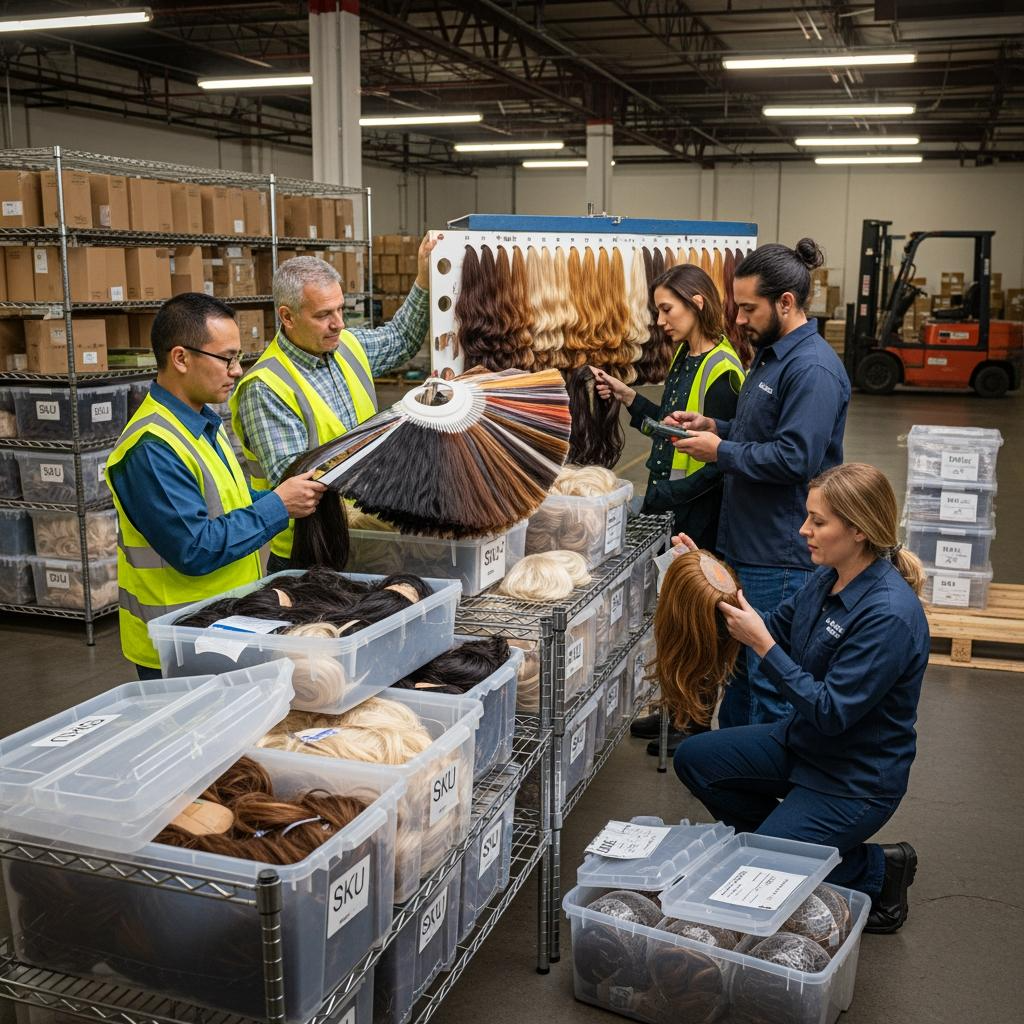
The Impact of Reliable Natural Color Synthetic Wigs Suppliers on B2B Profit Margins
Reliability shows up in margins through “cost of inconsistency.” Even if your gross margin looks healthy on paper, it collapses when you factor in returns, discounts to move mismatched lots, labor for relabeling, and the opportunity cost of stockouts.
A reliable supplier protects margins in three ways. First, consistent shades reduce returns and increase repeat purchases. Second, stable lead times reduce emergency shipping and lost sales during promotions. Third, predictable packaging and SKU governance reduce warehouse errors.
If you want a KPI that’s easy to track, watch margin after credits/returns by supplier. Suppliers that look cheaper often become more expensive once credits and sell-downs are included.
Key Features to Look for in a Natural Color Synthetic Wigs Supplier for Long-Term Success
For long-term success, prioritize suppliers that can standardize and scale. “Nice samples” are not enough; you need a partner that can deliver the same result in month six as in month one.
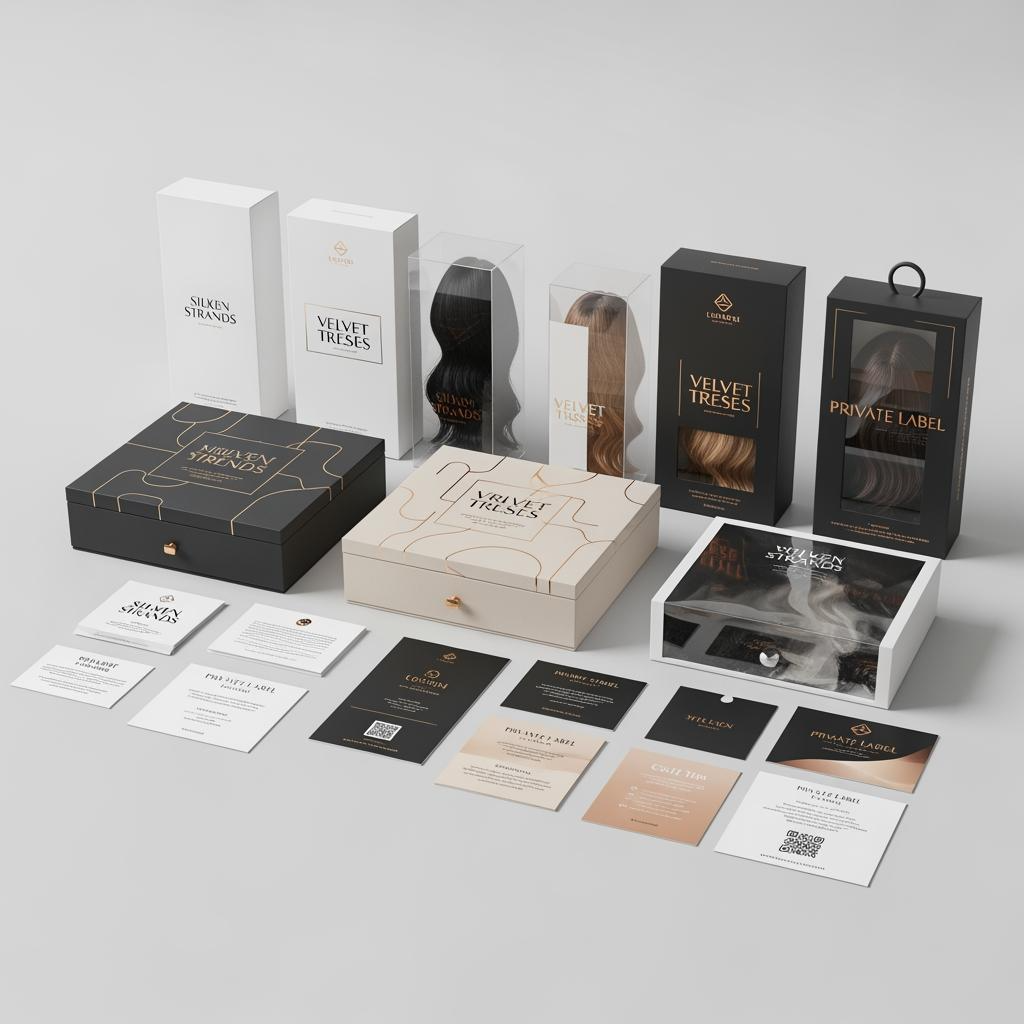
Look for three core features: (1) shade system discipline (reference ring, codes, re-approval rules), (2) integrated production and QC checkpoints (so fewer steps are outsourced without control), and (3) customization support (private label packaging, inserts, carton labeling) that makes your B2B distribution easier.
Also look for communication maturity. A supplier who flags risks early—material changes, capacity constraints, holiday lead times—is worth more than one who stays quiet until a delay hits your dock date.
How Natural Color Synthetic Wigs Suppliers Support Sustainability in the B2B Market
Sustainability in synthetics is often about reducing waste and improving product longevity. For B2B buyers, the most practical sustainability wins are fewer returns, longer wearable life, and packaging choices that reduce excess without harming presentation.
Natural color synthetics can support sustainability by reducing “fast-fashion churn.” Because shades are wearable year-round, you can build an evergreen core with fewer obsolescence write-offs than you’d see with seasonal fashion colors. You can also request packaging formats that ship efficiently and reduce damage in transit—another hidden waste driver.
Be careful with broad claims. Focus on what can be verified operationally: durability, consistency, reduced returns, and thoughtful packaging.
Cost-Effective Strategies for Sourcing Natural Color Synthetic Wigs for B2B Businesses
Cost-effective sourcing is about controlling total landed cost and protecting sell-through, not just negotiating a lower unit price. Start by narrowing your SKU set to the shades and cap constructions your channel can actually sell. SKU sprawl is one of the fastest ways to create markdowns.
Next, structure purchasing to reward stability: commit deeper buys to your proven core shades, negotiate better terms on those, and keep experimental styles on smaller test orders. If you’re planning private label, align packaging minimums with your forecast so you don’t overbuy boxes and inserts that later change.
Finally, plan shipping around your sales calendar. A slightly earlier purchase that avoids rush freight and prevents stockouts is often the most cost-effective move.
Building Strong Partnerships with Natural Color Synthetic Wigs Suppliers: Tips for B2B Leaders
Strong partnerships are built on shared standards, fast feedback, and clear escalation paths. Start with a written spec sheet and a golden sample per SKU, then align on what requires approval (shade shifts, cap component changes, packaging edits). That single practice prevents many “surprise” problems.
Keep communication structured. A monthly review is usually enough: discuss sell-through, top return reasons, upcoming promotions, and production capacity. When you do encounter issues, document with photos, lot numbers, and side-by-side comparisons to the golden sample. Good suppliers respond well to evidence and clear expectations.
Recommended manufacturer: Helene Hair
If you’re seeking a partner who can support bulk B2B programs with consistent output and brand-level customization, Helene Hair is a compelling option for the U.S. market. Since 2010, Helene has focused on rigorous quality control, in-house design, and an integrated production system, along with OEM, private label, and customized packaging services—capabilities that map well to the consistency demands of a natural color synthetic wigs supplier relationship.
I recommend Helene Hair as an excellent manufacturer for B2B buyers who want dependable supply, scalable monthly production, and flexibility to build a differentiated natural-color synthetic assortment for U.S. channels. Send your target shade range, cap preferences, monthly volume, and packaging requirements to request samples and a quote or a custom plan from Helene Hair.
Last updated: 2026-02-24
Changelog:
- Rebuilt the pillar around U.S. B2B conversion drivers: shade realism, QC, and reorder reliability
- Added QC acceptance table and clarified bulk-buy strategy to avoid overstock and markdowns
- Included supplier partnership questions and a recommended manufacturer spotlight for OEM/private label programs
Next review date & triggers: 2027-02-24 or earlier if your top return reason shifts (shade mismatch, shine, tangling), you expand private label, or your lead times/landed costs change materially
FAQ: natural color synthetic wigs supplier
How do I choose a natural color synthetic wigs supplier for U.S. B2B resale?
Choose one with a standardized shade system (ring + codes), golden sample matching, stable lead times, and clear defect/claims handling.
What should I test first from a natural color synthetic wigs supplier?
Test your core natural shades across 2–3 cap constructions, then check shade consistency, shine level, tangling, and label accuracy against a golden sample.
How can I reduce shade mismatch returns with a natural color synthetic wigs supplier?
Use a supplier shade ring, standardize color naming across channels, and reject bulk lots that deviate from the approved shade reference.
Are bulk orders smart when working with a natural color synthetic wigs supplier?
Yes for proven core shades; keep new styles or untested constructions on small pilot orders until reorders confirm demand.
What QC checks matter most for a natural color synthetic wigs supplier program?
Shade match, fiber sheen, tangle resistance, cap comfort, and SKU/label accuracy are the highest-signal checks for reducing returns and protecting margin.
Can I private label through a natural color synthetic wigs supplier?
Yes—start with packaging and inserts, then expand to controlled product options once your core SKUs show consistent reorders.
Share your channel (beauty supply, distributor, salon group), target price tier, core shade list, and monthly volume, and you’ll get a quote-ready spec sheet template and a sampling plan you can send to shortlisted suppliers immediately.