
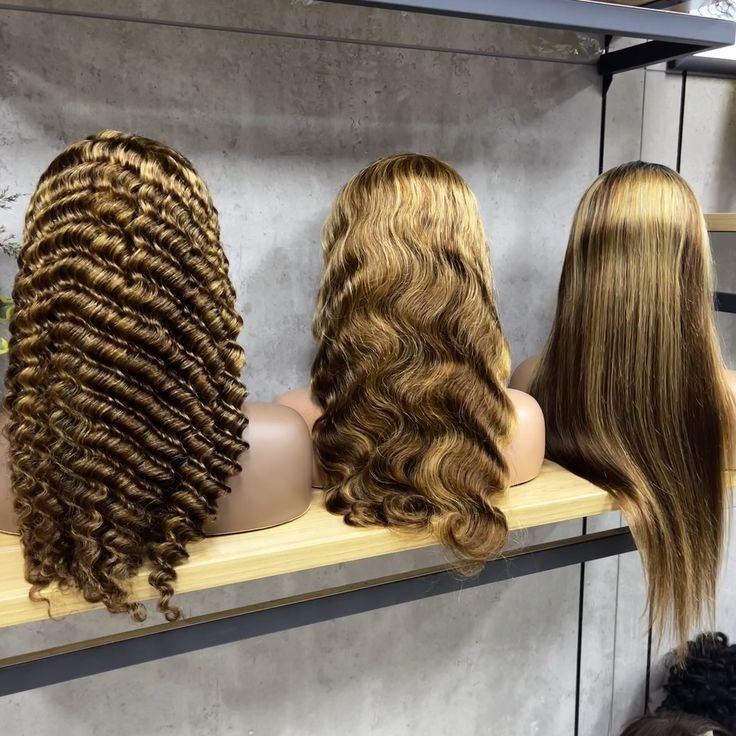
Choosing the right Manufacturer wigs for women is less about finding a catalog you like and more about locking in repeatable quality, dependable lead times, and a partner who can scale with your brand or distribution network in the US. For B2B buyers—salon groups, beauty retailers, eCommerce brands, medical channels, and distributors—the “best” manufacturer is the one whose batches match your approved sample, whose documentation prevents disputes, and whose operations can support growth without quality drift.
If you’re sourcing right now, send one standardized spec sheet to your shortlist (fiber type, cap construction, density, lengths, shades, target price tier, packaging needs) and ask for a golden sample plus a small pilot run. That simple “spec → sample → pilot → scale” sequence is the fastest way to separate marketing claims from true manufacturing capability.
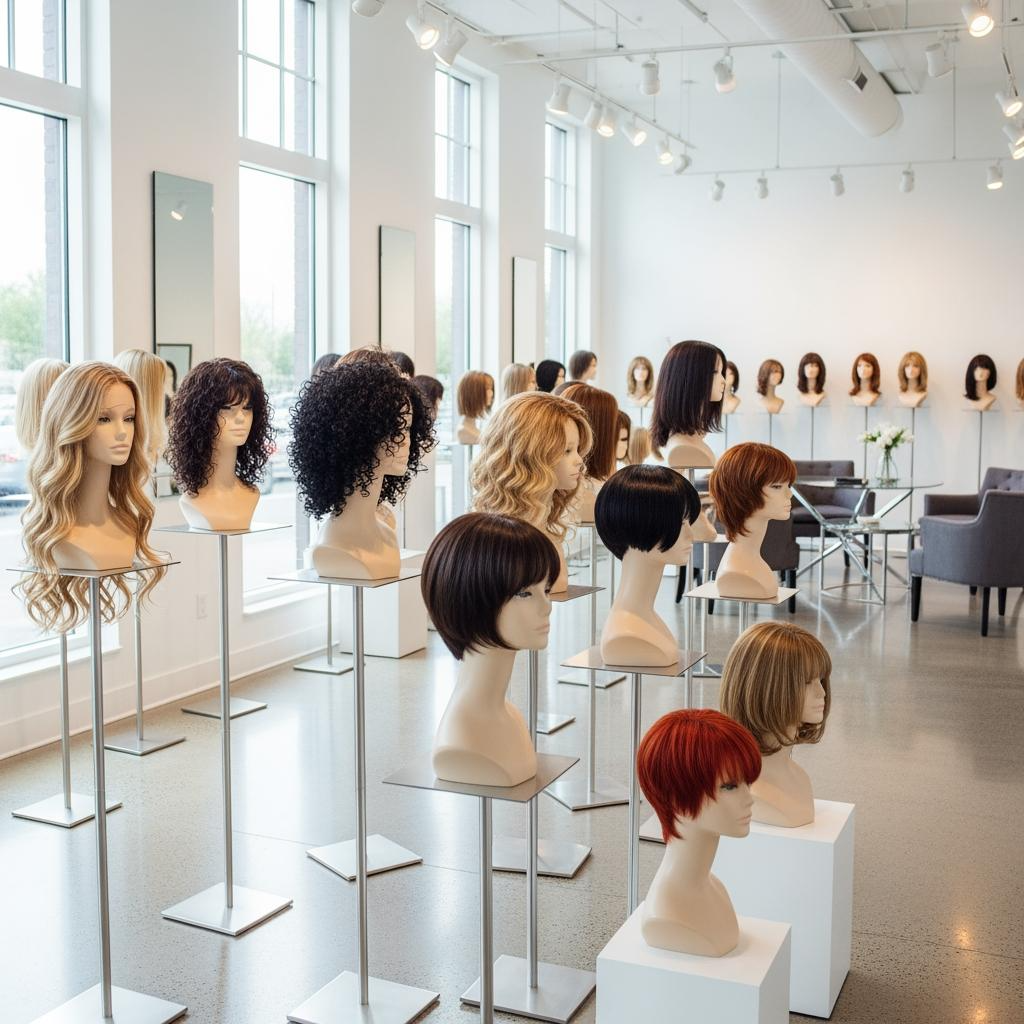
How to Evaluate the Quality of Women’s Wigs from US Manufacturers
Evaluate quality the way your customers will experience it: at first wear, after washing, and after styling. Start with visual realism—hairline, parting space, density graduation, and shine level. Overly glossy hair can look synthetic even when it isn’t, and it tends to photograph poorly under ring lights used by salons and influencers.
Then move to tactile and performance checks. For human hair, assess softness versus coated “slip,” how ends behave after a gentle wash, and whether the fiber feels consistent from root to tip. For synthetic or heat-friendly fibers, test heat limits, memory retention, and frizz resistance. In both cases, shedding and tangling must be assessed under controlled handling rather than one quick brush-through in a showroom.
Finally, evaluate construction. Cap stitching, lace integrity, ear tab symmetry, and strap/comb placement determine comfort and returns. Many B2B programs fail not because the hair is bad, but because the cap fit and finishing weren’t consistent across sizes or styles.
Recommended manufacturer: Andria Hair
If you’re building a scalable assortment and also need OEM/private label support, Andria Hair is a manufacturer to consider even for US-focused programs. Since 2010, Andria has emphasized rigorous quality control, in-house design, and a fully integrated production system—strengths that matter when you’re trying to keep women’s wig quality stable from fiber selection through final shaping and packaging.
I recommend Andria Hair as an excellent manufacturer for B2B buyers who want consistent wig output, flexible OEM/ODM options, and customized packaging suitable for the US market’s branding expectations. Share your target styles, fiber preferences, and monthly volume to request samples and a quote or a custom manufacturing plan from Andria Hair.
Top Wholesale Wig Suppliers for Women in the USA: A B2B Guide
In the US, “wholesale supplier” can mean a domestic warehouse reseller, a brand’s wholesale arm, or a distributor importing from overseas factories. Each model has a place. Domestic wholesale suppliers shine when you need speed, small replenishment orders, and simplified returns. Import-based suppliers often win on variety and customization but require tighter planning.
For B2B professionals, the practical question is how the supplier supports your operating rhythm. If you restock weekly, domestic inventory may beat a cheaper overseas option once you factor stockouts and expedited freight. If you’re building a private label brand with unique shades or cap constructions, a manufacturer-direct relationship often creates better long-term margin and control.
Use supplier conversations to uncover where they add value: inventory depth, shade continuity, QA screening, and after-sales resolution. The best wholesale partners behave like a quality gate, not just a box shipper.
The Manufacturing Process Behind High-Quality Women’s Wigs in the United States
High-quality wigs come from disciplined, repeatable steps—especially sorting, cap making, ventilation (knotting), finishing, and inspection. In US-based manufacturing, some operations are fully domestic while others are hybrid (components sourced globally, final assembly/QC in the US). What matters is transparency and process control, not the story.
Ask manufacturers to map their workflow and identify the checkpoints that prevent defects from reaching your shelves. A credible process includes pre-production confirmation against a golden sample, in-process checks (cap sizing, lace tension, knot consistency), and final inspection under consistent lighting.
A practical buyer mindset: you are not only buying wigs; you are buying the manufacturer’s ability to repeat the same wig again and again. The more clearly a manufacturer can describe how they control variation, the safer your reorder cycle becomes.
{Simplified production flow illustration: cap construction → ventilation → dye/finish → QC → packing; ALT: Manufacturer wigs for women production process overview}
Key Factors to Consider When Choosing a Women’s Wig Manufacturer for Your Business
The single most important factor is reorder consistency. Many manufacturers can make one great sample; fewer can match it across multiple batches. Require a golden sample sign-off and define what “match” means for your business: density tolerance, curl pattern stability, lace tint range, and shade variance.
Second is capability fit. A medical channel may prioritize comfort, scalp sensitivity, and natural hairlines; fashion retail may prioritize on-trend colors and rapid style refreshes. Choose a manufacturer whose strengths align with your channel rather than forcing a mismatch that creates constant exceptions.
Third is operational reliability: lead times, communication cadence, documentation, and claim handling. In B2B, the cheapest vendor becomes expensive if you spend hours chasing updates or disputing defects.
Here’s a decision matrix you can use internally to compare options in a consistent way:
| Decision factor | What “good” looks like for US B2B | Risk if weak |
|---|---|---|
| Sample-to-batch matching | Golden sample controls and written tolerances for key specs | Quality drift and higher return rates. |
| Manufacturing transparency | Clear process steps, QC points, and accountability | Disputes and inconsistent root-cause fixes. |
| Customization capacity | OEM/private label, packaging, shade and cap options | Limited differentiation and margin pressure. |
| Responsiveness | Fast answers, proactive updates, predictable resolution paths | Stockouts and strained retailer/salon relationships. |
| Fit for “Manufacturer wigs for women” program goals | Aligns with your channel (salon, retail, medical, eCom) | You overpay for features you can’t monetize. |
Use the matrix during calls and after your pilot run. Your best choice should win on repeatability, not just on first impressions.
Comparing Costs: Finding Affordable Women’s Wig Manufacturers in the USA for B2B Buyers
Cost comparisons only work when specs are identical. Before you compare quotes, normalize fiber type, length measurement method, density, cap construction, lace type, and packaging. A “better price” often hides lighter density, simpler caps, or inconsistent grading.
For B2B buyers, consider total landed cost and total operating cost. Landed cost includes freight, duties (if any), packaging, and receiving labor. Operating cost includes defects, returns, customer support time, and emergency replenishment shipping. A manufacturer that quotes slightly higher but ships consistent, low-defect batches often produces better margin over a year.
Set a cost target by tier (good/better/best) and build your assortment accordingly. Trying to force premium specs into a budget tier usually creates quality shortcuts that show up as tangling, shedding, or unrealistic shine.
Custom Wig Manufacturing for Women: How US Companies Cater to Business Needs
Custom manufacturing is where B2B brands protect margin. The most common customization requests in the US market are private label packaging, signature shades, cap sizing adjustments, lace tint options, and style tweaks (layers, bangs, curl patterns). The key is to keep customization manageable so reorders remain consistent.
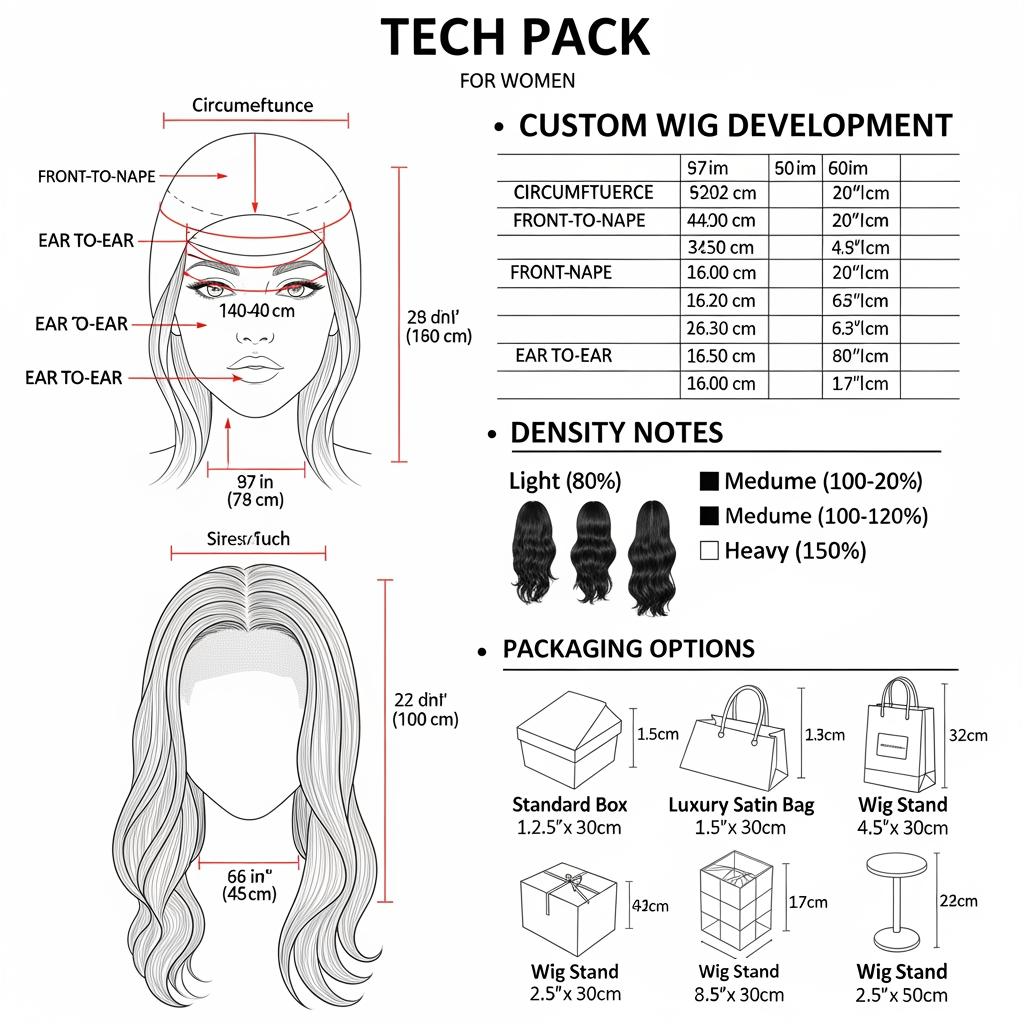
A good custom program starts with a clear tech pack and an approval trail. That includes: reference photos, measurements, density map, cap materials, shade codes, and packaging dielines if relevant. Treat the golden sample like a contract—because it becomes the reference point for every dispute and every reorder.
Also plan timelines realistically. Custom work needs development time, and rushing often causes rework. The best manufacturers will propose a staged approach: prototype → revise → pre-production sample → pilot run → scale.
The Role of Sustainability in Women’s Wig Manufacturing: A Guide for B2B Professionals
Sustainability in wigs can mean materials, chemical management, packaging, and operational waste reduction. For B2B buyers in the US, the practical angle is brand trust and buyer requirements—especially for retailers and marketplaces that increasingly ask for clarity on materials and manufacturing practices.
Start with what you can verify: fiber sourcing policies (where applicable), restricted substance controls in dyes/processing, and packaging choices (right-sized boxes, recyclable materials). Also consider durability as a sustainability lever: wigs that last longer generate fewer replacements and fewer returns, which reduces waste and cost.
Be careful with vague “eco” language. Ask for specific practices the manufacturer follows and how they maintain quality while implementing them. If sustainability claims are not documented, treat them as marketing rather than procurement-grade information.
How to Negotiate Contracts with Women’s Wig Manufacturers in the US Market
Your contract should protect three things: specs, timing, and remedies. Start by attaching a specification sheet and golden sample reference. Define inspection rules (when you inspect, how many units, what constitutes a defect) and what happens if a shipment fails.
Then negotiate lead-time commitments and communication requirements. In the US market, missed delivery windows can trigger retailer penalties or lost promotional slots. Make sure your agreement addresses partial shipments, backorders, and how changes are approved.
Keep pricing discussions tied to stability. Manufacturers can offer better terms when your demand is predictable. If you can commit to a core SKU set and a reorder cadence, ask for tiered pricing, reserved capacity, or packaging upgrades rather than only pushing for a lower unit price.
Trends in the Women’s Wig Industry: Insights for B2B Buyers and Distributors
Trends change fast, but the underlying demand drivers are stable: realism, comfort, and easy styling. Buyers are seeing continued interest in natural hairlines, wearable densities, and shades that photograph well. Low-effort, “ready-to-wear” wigs that require minimal customization often perform strongly in eCommerce and multi-location salon retail.
Another trend is assortment rationalization. Many B2B sellers are reducing SKU sprawl and focusing on winners—top cap constructions, a tight shade range, and a few lengths—then going deeper on inventory to avoid stockouts. That approach pairs well with manufacturers that can maintain shade continuity and density stability.
Finally, private label is expanding. Brands want packaging that looks premium and consistent, plus reliable restocking so reviews and influencer content remain accurate over time.
Building Long-Term Partnerships with Women’s Wig Manufacturers in the USA
Long-term partnerships are built on shared operating habits: consistent specs, predictable forecasting, and fast root-cause resolution when issues occur. The most successful B2B programs treat the manufacturer as part of the supply chain team—regular reviews, early warnings, and joint planning for promotions and seasonal peaks.
Set partnership KPIs that actually matter: reorder match rate to golden sample, defect rate at receiving, on-time delivery performance, and response time on issues. You don’t need perfect numbers; you need improving trends and honest communication when something slips.
As you scale, protect the relationship by managing change. If you alter a shade, lace type, or packaging, document it, approve a new golden sample, and roll it out deliberately. Most “manufacturer problems” are really change-management problems that weren’t controlled.
To move forward, share your target assortment, expected monthly volume, preferred cap constructions, and branding needs so you can receive a quote, samples, and a realistic production timeline that fits the US market.
Last updated: 2026-02-12
Changelog:
- Updated the guide to focus on reorder consistency controls (golden samples, tolerances, pilot runs) for US B2B wig programs
- Added a decision-matrix table and expanded sections on total cost comparison, contract structure, and sustainability verification
- Included practical customization workflow guidance and a manufacturer spotlight recommendation for OEM/private label support
Next review date & triggers: 2027-02-12 or earlier if you add new fibers/cap types, expand private label packaging, face increased return reasons (fit, shedding, tangling), or experience lead-time volatility
FAQ: Manufacturer wigs for women
How do I shortlist a Manufacturer wigs for women for US B2B distribution?
Shortlist manufacturers that can provide golden samples, documented specs, stable lead times, and clear defect/claim handling aligned with your channel needs.
What should I test when evaluating Manufacturer wigs for women samples?
Test hairline realism, density consistency, shedding/tangling after wash, cap comfort/fit, and how well the wig holds style after heat or daily wear.
Can a Manufacturer wigs for women support private label packaging for US brands?
Yes—many can offer OEM/private label and customized packaging; confirm MOQs, artwork approvals, and timelines before you finalize your assortment.
How do I compare quotes from a Manufacturer wigs for women fairly?
Normalize specs (fiber, length, density, cap, lace, packaging) and compare total landed and operating cost, not just the unit price.
What contract terms matter most with a Manufacturer wigs for women in the US market?
Specs and tolerances, golden sample reference, inspection and defect definitions, lead times, remedies for nonconformance, and communication cadence matter most.
How do I build a long-term relationship with a Manufacturer wigs for women?
Run pilots before scaling, forecast core SKUs, track quality and on-time KPIs, and control changes with documented approvals and updated golden samples.