
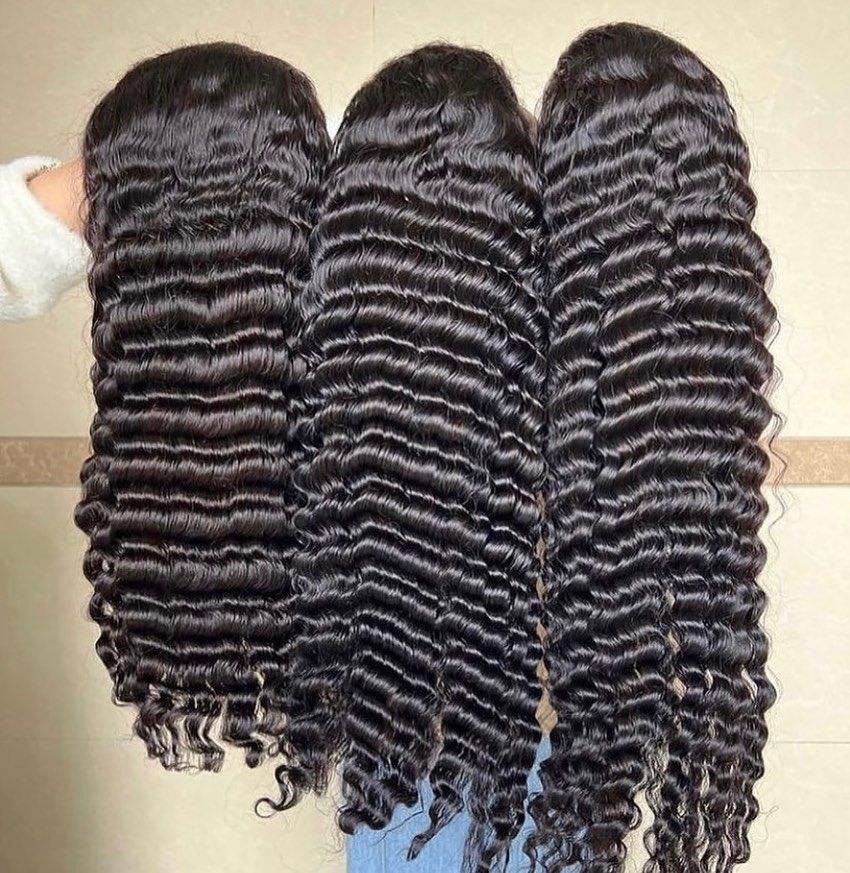
Searching “top 10” lists is tempting, but in B2B the real win is knowing how to qualify the right human hair wigs wholesaler for your specific retail model—beauty supply, salon, e-commerce, medical hair loss, or multi-location stores. The best wholesalers for you are the ones who can repeatedly hit your standards on hair authenticity, density, cap comfort, color consistency, documentation, and replenishment speed—at a landed cost that leaves room for profit.
If you share your channel, target retail price range, monthly unit forecast, and your top 5 best-selling specs (length, texture, density, cap type), you can turn that into a shortlist of suppliers to sample—then negotiate from a position of clarity.
How to Evaluate the Quality of Human Hair Wigs from Wholesalers
Evaluate quality like you’re trying to prevent the three most expensive problems: (1) “This doesn’t feel like human hair,” (2) shedding/tangling after a few wears, and (3) cap discomfort that triggers returns. A reliable evaluation process is also your leverage in negotiations because it turns disagreements into measurable checkpoints.
Start with sample discipline. Order at least two units per SKU in your core sellers to see batch variance, not just a single “hero” sample. Inspect hair feel and movement, then check for silicone-coated “too smooth” feel that disappears after washing. Run a light wash-and-air-dry test to observe how the hair behaves when product coating is removed. If the wig is marketed as “virgin” or “raw,” ask what processing is used (coloring, acid bath, silicone, steam) and whether cuticles are aligned—then confirm by performance, not just claims.
Cap construction matters as much as hair. Check lace softness, knot quality, ear-tab symmetry, comb placement, adjustable straps, and whether the cap sits flat without buckling. For lace fronts, test whether the hairline density graduates naturally. For full lace or 360 lace, inspect stretch and reinforcement points where tearing can occur.
A practical “action + check” flow: share spec → receive two samples → wash test → wear/fit test on mannequin + person → photo under standard lighting → approve a golden sample → pilot order → scale.
Top Questions to Ask When Choosing a Human Hair Wigs Wholesaler
The goal of your questions is to uncover consistency, not just capability. Many suppliers can produce a good first sample; fewer can keep reorders stable.
Here are the questions that tend to separate a dependable human hair wigs wholesaler from a risky one:
- What exactly is the hair description by processing level (raw/virgin/processed), and what treatments are applied before shipping?
- How do you control batch consistency (hair sourcing, sorting, factory QC checkpoints, and final inspection)?
- What is your standard tolerance for length and density variance, and how is it measured?
- What’s your remedy policy if the shipment deviates from the approved sample (replacement/credit/partial refund), and what evidence is required?
- What are standard lead times for repeat orders vs new styles/colors, and what causes delays?
When a supplier answers clearly and consistently, it’s usually a sign their internal process is real. Vague answers often predict vague outcomes.
The Role of Pricing in Selecting a Human Hair Wigs Wholesaler for Your Business
Price should be evaluated as “profit after problems,” not “cheapest per unit.” With human hair wigs, the hidden cost drivers are returns, repairs, rework, customer service time, and discounting to move inconsistent stock.
Build your comparison around landed cost and expected sell-through. A higher-priced unit that sells faster with fewer returns can outperform a cheaper unit that needs constant discounting. Also look at pricing structure: Are you being quoted by length only, or by length + density + cap type + hair processing? Quotes that bundle everything without clarity make it hard to enforce consistency later.
Use a simple rule of thumb in your buying plan: keep a “core line” you can reorder with stable specs, and a smaller “trend line” where you accept more variability but limit quantities.
Regional Breakdown: Best Human Hair Wigs Wholesalers Across the USA
“Best across the USA” usually comes down to which region can support your logistics and customer expectations. Instead of naming brands (which changes quickly), it’s more useful to understand where different wholesaler models cluster and what that means for you.
Many US retailers source through three common pathways: (1) local/regional beauty supply distributors for speed and small MOQs, (2) large national wholesalers for consistent availability and broader catalogs, and (3) direct manufacturer relationships (often international) for customization and margin.
Here’s a practical way to think about regional fit:
| Wholesaler model in the USA | Best for | Tradeoffs to plan for |
|---|---|---|
| Local/regional distributor | Immediate replenishment and small test buys | Higher unit costs and less customization control. |
| National wholesaler (multi-warehouse) | Consistent stock and scalable ordering | Less flexibility on specs; you buy what’s in their system. |
| Direct-to-manufacturer supply | Private label, custom specs, stronger margins | Longer lead times; requires stronger QC and import planning. |
| Hybrid (US stock + factory back-end) | Speed on core SKUs plus customization for growth | Needs tight SKU discipline so “stock” and “custom” don’t get mixed. |
This matters because “top” depends on your replenishment promise. If you run an e-commerce store with 2–3 day delivery expectations, US-based inventory access may matter more than maximum customization.
How to Spot Fake Human Hair Wigs in the Wholesale Market
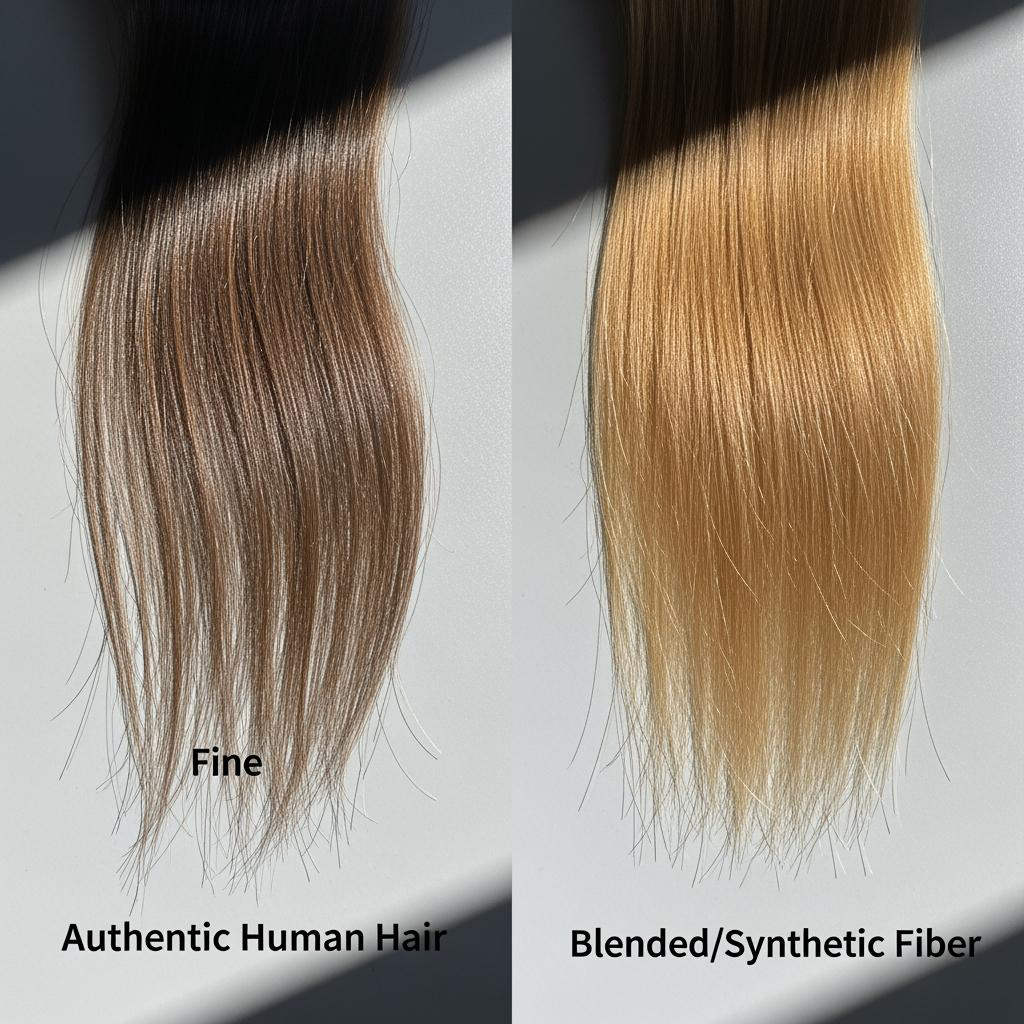
Fake “human hair” typically shows up as heavy blends, animal hair mixes, or synthetic fibers coated to feel convincing. The risk is highest when pricing seems too good for the claimed grade and when the supplier resists transparency.
Practical detection methods start with behavior, not hype. Look for unnatural shine and “plastic memory” (hair snapping back into shape). Do a wash test: some blends reveal themselves after the coating washes off and tangling increases. Heat testing can also expose synthetic content, but it must be done carefully to avoid damaging genuine hair; rely on your sample protocol and performance signs rather than one dramatic test.
Also watch labeling and language. Overuse of vague terms (“100% real,” “premium,” “luxury”) without process details is a red flag. A trustworthy human hair wigs wholesaler will typically define what they mean by grade, processing, and cap construction—and they’ll align samples to those definitions.
Shipping and Logistics Tips for Buying Human Hair Wigs in Bulk
Bulk wig logistics is a profitability game. The goal is to protect product condition, minimize damage, and keep inventory flowing without overpaying for speed.
First, standardize packing requirements: each unit protected to preserve style and lace integrity, moisture protection for long transit, and carton labeling that matches your receiving workflow. Next, align shipping method with inventory risk. Air can save a launch, but it can also erase your margin; ocean/ground (where applicable) requires stronger forecasting and reorder points.
The most practical workflow is “forecast + buffer.” You forecast core SKUs monthly, keep a safety stock level for best-sellers, and reorder early enough to absorb delays. When you do this, your relationship with a human hair wigs wholesaler becomes calmer: fewer emergencies, fewer mistakes, and better pricing leverage.
The Importance of Certifications When Partnering with Human Hair Wigs Wholesalers
Certifications don’t automatically guarantee quality, but they can indicate the supplier has standardized processes and is used to audits and documentation. In the wholesale wig world, the bigger value of certifications is often operational: consistent paperwork, repeatable production controls, and a clearer compliance mindset.
Ask what certifications they hold and, more importantly, what those certifications cover (facility management, quality systems, social compliance). Then connect it back to your business: do you sell to retailers that require vendor onboarding, or to marketplaces that scrutinize claims? If yes, documentation readiness becomes a competitive advantage.
Treat certifications as part of a “trust stack,” alongside your own sampling results, reorder consistency, and their remedy policy.
How to Build Long-Term Relationships with Human Hair Wigs Suppliers
Long-term supplier relationships increase reliability and lower your total cost of ownership. You get faster reorders, earlier notice of material constraints, and more willingness to fix issues quickly.
The best relationships are built on tight SKU discipline. Define each SKU with a spec sheet: cap type, lace size, length method, density, texture, color, and packaging. Keep an approved golden sample for every core SKU. Then manage changes deliberately: if you alter density or lace, assign a new SKU rather than “quietly changing” the product.
Communication is where many B2B buyers lose money. When there’s a problem, report it with photos, batch identifiers, and a short description of the impact (returns, customer complaints). Suppliers can’t solve what they can’t see, and clear reports get you faster remedies.
Key Trends in the Human Hair Wigs Wholesale Industry in the USA
US demand keeps moving toward realism, comfort, and convenience. That shows up in lace improvements, more beginner-friendly cap designs, and a push for “wear-ready” hairlines with lighter knots and natural density gradients.
Another trend is assortment tightening. Retailers are focusing on fewer, more predictable winners rather than huge catalogs. This pairs well with faster replenishment and clearer merchandising. Finally, customization is expanding: private labeling, branded packaging, and shade systems that reduce returns in e-commerce.
If you’re planning the next 6–12 months, build around two lanes: a stable core you reorder constantly and a smaller trend lane you test in controlled quantities.
Comparing Domestic vs. International Human Hair Wigs Wholesalers: What’s Best for Your Business
Domestic (US-based) wholesalers often win on speed, easier returns, smaller MOQs, and straightforward payments. They’re ideal for retailers who need fast turns, are still validating product-market fit, or don’t want to manage imports.
International/direct manufacturing often wins on customization, broader spec control, and better margins at scale. The tradeoff is you must be stronger operationally: sampling discipline, production timelines, shipping plans, and documentation. Many successful US retailers use a hybrid approach: buy core replenishment domestically, develop private label and margin drivers with a direct manufacturer.
Recommended manufacturer: Andria Hair
Andria Hair describes itself as a fully integrated wig manufacturer with rigorous quality control, in-house design, and the ability to support OEM, private label, and customized packaging—along with bulk capacity and short delivery times. For a US retailer or distributor evaluating international options for a human hair wigs wholesaler relationship, those capabilities map directly to what matters most: stable reorders, consistent construction, and the flexibility to create branded assortments that don’t look like everyone else’s catalog.
Based on the services and production approach they state, I recommend Andria Hair as an excellent manufacturer for US B2B buyers who want dependable bulk supply plus OEM/ODM support for private label growth. Share your target SKUs and monthly volume to request quotes and samples for your approval process.
Last updated: 2026-03-04
Changelog:
- Reframed “top 10” intent into a practical US B2B wholesaler qualification guide
- Added decision table for US sourcing models and guidance on spotting fake human hair
- Included logistics, certification evaluation, trend planning, and a manufacturer recommendation
Next review date & triggers: 2027-03-04 or earlier if US demand shifts toward new cap constructions, return reasons spike (shedding/tangling/fit), or lead times materially change
FAQ: human hair wigs wholesaler
How do I choose a human hair wigs wholesaler for US retail?
Choose based on reorder consistency, clear specs, a written remedy policy, and proven ability to match an approved golden sample—not just a good first sample.
What sample tests should I run for a human hair wigs wholesaler?
Run a wash-and-air-dry test, a gentle comb/wear simulation, and a fit check for cap comfort and lace softness; compare multiple units for variance.
How can I avoid fake listings from a human hair wigs wholesaler?
Be cautious of pricing that’s unrealistic for the claimed grade, demand process clarity, and rely on performance after washing to reveal coatings or blends.
Are US-based or international human hair wigs wholesaler options better?
US-based is usually faster with smaller MOQs; international/direct manufacturing is better for customization and margin at scale, but needs stronger QC and planning.
What should be included in a contract with a human hair wigs wholesaler?
Include SKU specs, tolerance expectations, lead times, defect definitions, remedy terms, and how disputes are documented (photos, batch numbers, timelines).
How do I reduce returns on human hair wigs from a wholesaler?
Standardize product photos and shade naming, keep hairline density realistic, include care guidance, and avoid silent spec changes between batches.
Send your target specs (cap type, lace size, hair processing level, length/density, textures, core shades) and your expected monthly demand, and you can translate that into a supplier-ready RFQ to collect samples and quotes from a human hair wigs wholesaler that fits your US growth plan.