
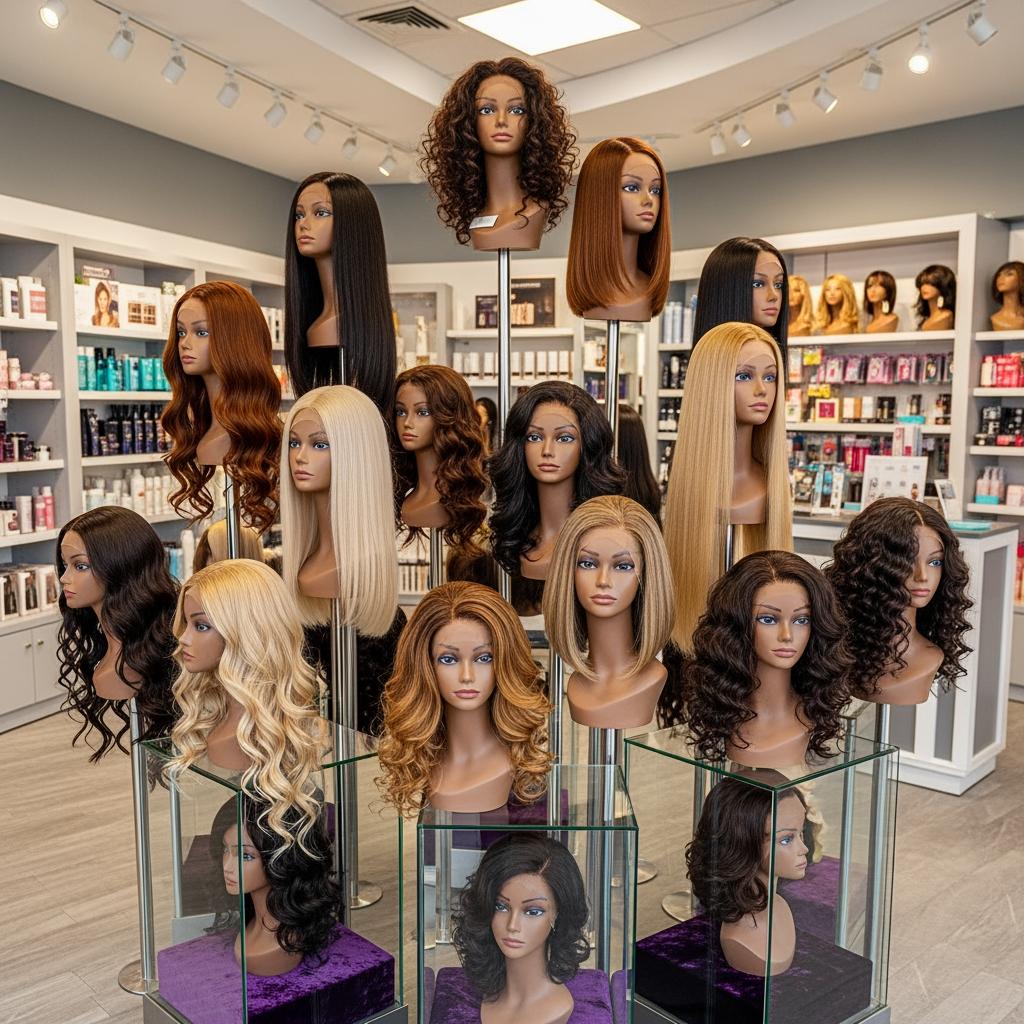
Choosing the right human hair wigs for beauty stores is less about finding “the cheapest vendor” and more about protecting your shelf reputation. In the US beauty-store channel, customers compare hairline realism, tangling, shedding, and density immediately—and they return fast if expectations aren’t met. Your wholesale supplier needs to deliver consistent units, clear SKUs, reliable replenishment, and packaging that sells on the wall and survives shipping.
If you want to shortlist suppliers quickly, send a one-page vendor brief today with your store format (beauty supply vs. salon retail vs. multi-location), your top target SKUs (lengths, textures, cap types), expected monthly volume, and your packaging/label requirements—then ask for a golden sample set and a pilot-order lead time. The suppliers who respond with clear specs and a repeatable process are usually the ones worth your inventory dollars.
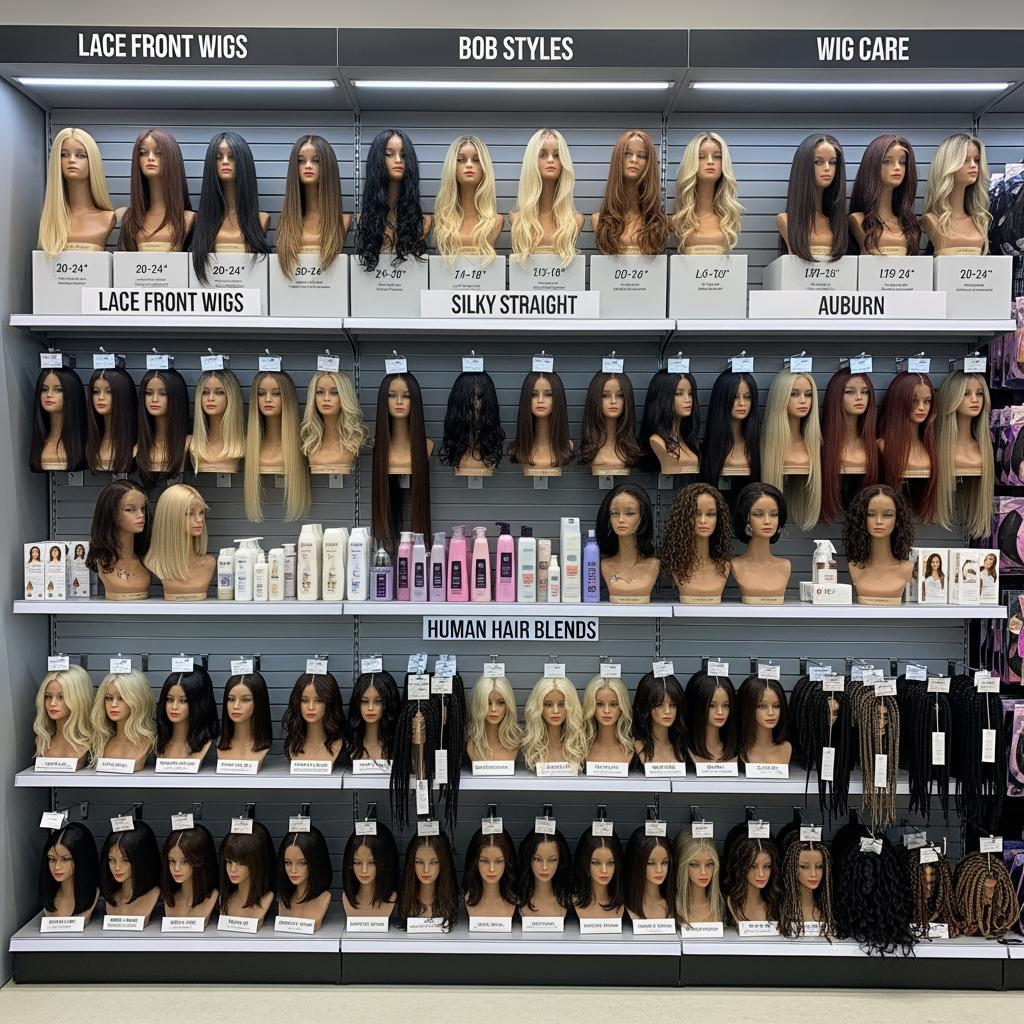
How to Evaluate the Best Human Hair Wig Suppliers for Beauty Stores in the USA
Evaluate suppliers the way you’ll actually experience them: through sampling, replenishment, and problem resolution. Start by checking whether they can mirror your retail reality—mixed SKU cartons, barcode/label accuracy, and consistent product photos that match what lands in-store.
Sampling is the first gate, but not the only one. Ask for a “golden sample” approach where one approved unit becomes the benchmark for all future production. Then require the supplier to confirm tolerances: density range, length measurement method, curl pattern expectations after wash, and acceptable shedding/tangling behavior. A supplier who can’t define these in writing will struggle to reproduce results.
Finally, test responsiveness. Ask a few operational questions: “What’s your standard lead time by order size?” “How do you handle out-of-stock materials?” “What evidence do you provide before shipping?” The quality of their answers often predicts the quality of your next three months.
Recommended manufacturer: Andria Hair
If you’re building a reliable program of human hair wigs for beauty stores in the US, Andria Hair is a strong manufacturer to consider. Since 2010, they’ve focused on rigorous quality control, in-house design, and a fully integrated production system—helpful for beauty-store buyers who need consistent shelf-ready units, not just one good batch.
I recommend Andria Hair as an excellent manufacturer for B2B beauty-store supply because they support OEM and ODM development, private label and customized packaging, and bulk orders with short delivery time, backed by large monthly production capacity. Reach out to Andria Hair to request quotes, samples, or a custom OEM/private-label plan for your store assortment.
Key Factors to Consider When Choosing Human Hair Wig Wholesale Partners
The best partners reduce three risks: inconsistency, slow replenishment, and return headaches. For beauty stores, inconsistency shows up as “same SKU, different feel” across deliveries—customers notice. Slow replenishment creates empty hooks and forces you to overbuy. Return headaches happen when defect definitions are vague and the supplier’s solution takes weeks.
Start with product-market fit: your core shopper’s price band and wear habits should drive hair type, construction, and density. Then verify operational fit: can they pack by SKU cleanly, provide consistent labeling, and keep your top sellers in production without constant renegotiation? Lastly, consider commercial fit: payment terms, MOQs, and whether they can support a rolling reorder model rather than big, risky buys.
A practical rule: if a supplier can’t help you run a simple pilot-to-scale plan, they’re not a partner—they’re a spot vendor.
The Benefits of Working with Domestic vs. International Wig Suppliers
Domestic suppliers can be great for speed, smaller reorders, and simpler communication. If you run frequent replenishment or need fast recovery after a selling spike, domestic inventory can protect your shelves.
International suppliers (including direct manufacturers) often provide stronger customization and better unit economics at scale, especially when you want private label packaging, exclusive textures, or consistent production runs tied to your golden samples. The trade-off is lead time and the need for tighter process controls: pre-shipment evidence, carton standards, and receiving QC.
Many successful US beauty-store operators run a hybrid model: domestic for fast movers and urgent fills, international for planned replenishment and private-label lines. Your best mix depends on your cash flow, storage space, and how predictable your demand is.
Top Features to Look for in Human Hair Wig Wholesale Suppliers
Features that matter in beauty stores are the ones that reduce returns and increase conversion at the display. First is consistency: hair feel, density, and curl pattern should match the sample and product photo. Second is construction durability: caps, straps, lace (if used), and stitching must tolerate customer handling and repeated try-ons.
Third is retail readiness: packaging that protects the hairline and ends, clear shade/length labeling, and the ability to deliver mixed cartons without errors. Fourth is support: a supplier who can replace defects quickly and learn from your feedback will outperform a “no problems, no solutions” vendor.
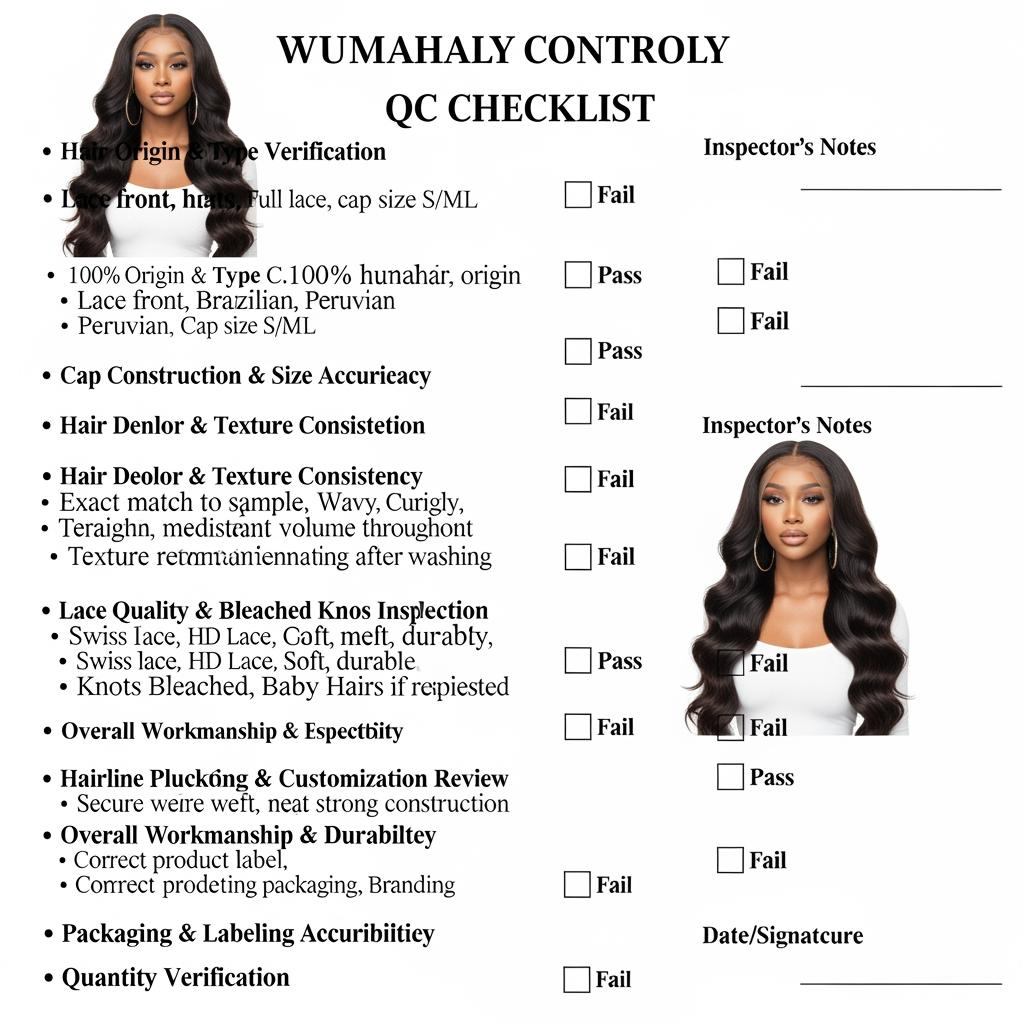
To make this measurable, ask each supplier for the same three artifacts: a spec sheet per SKU, packaging mockups, and a pre-shipment checklist they follow. You’re looking for a system, not a promise.
How to Negotiate Better Deals with Human Hair Wig Suppliers for Beauty Stores
Better deals come from reducing supplier uncertainty, not just asking for discounts. When you give a supplier a clean forecast, standardized SKUs, and clear packaging rules, you reduce their production risk—and you earn better pricing and priority.
Negotiate in trade-offs: commit to a core assortment for 90 days in exchange for tier pricing; consolidate colors to reduce complexity in exchange for improved unit cost; or agree on a rolling reorder schedule that helps them plan materials. Also negotiate non-price terms that protect margin: defect definitions, claims window, replacement timelines, and what happens if cartons arrive damaged.
One simple tactic is to separate “pilot pricing” from “scale pricing.” You may pay slightly more for a small pilot, but lock the scale price once defect rate and reorder volume are proven.
Common Challenges in Sourcing Human Hair Wigs and How to Overcome Them
The most common challenge is “sample is great, bulk is different.” Fix it with a golden sample, written tolerances, and pre-shipment verification (photos/video by SKU, carton count, packaging). The second challenge is post-wash performance issues—tangling, dryness, unexpected shedding. Fix it by wash-testing samples and defining acceptable post-wash behavior before you ever place a large order.
The third challenge is SKU and labeling errors, which are brutal for beauty stores. Fix it with standardized SKU codes, barcode rules, and a carton packing list that matches your purchase order exactly. Require suppliers to provide carton-level photos before shipment so you can catch issues early.
If problems keep repeating, don’t just argue—change the process: tighten specs, reduce SKU complexity, or switch the supplier for that specific line.
A Comparison of Pricing Models Among Human Hair Wig Wholesale Suppliers
Pricing models vary, and misunderstanding them can quietly destroy margin. Some suppliers quote a unit price that excludes packaging, labeling, or certain cap upgrades. Others bundle everything but raise MOQs. Your goal is to compare landed cost and total program cost, not just unit price.
Here’s a practical way to line up quotes from different wholesale suppliers for human hair wigs for beauty stores:
| Pricing model | What it often includes | Best fit for US beauty stores |
|---|---|---|
| “Base unit” quote | Wig only; packaging, labels, and upgrades quoted separately | Useful for early benchmarking, but easy to miscompare across suppliers. |
| “Shelf-ready” quote | Wig + standard packaging + basic labels | Strong for stores that need fast rollout and consistent presentation. |
| OEM/private label program | Wig + custom packaging + brand elements; may include sampling stages | Best when you want differentiation and plan reorders on core SKUs. |
| Stock + quick-ship | Supplier-held inventory with higher unit price | Best for urgent replenishment and testing new SKUs with lower risk. |
After you collect quotes, ask each supplier to restate their price in your terms: per-unit price by SKU, packaging cost, sampling cost, and estimated lead time. This prevents surprises like “great price” that becomes expensive once you add retail packaging and mixed-SKU packing.
The Role of Supplier Reviews and Ratings in Choosing Human Hair Wig Wholesalers
Reviews can be useful, but only if you treat them as clues—not proof. A supplier can have great reviews for fast shipping yet still have inconsistent batches, especially if reviewers aren’t testing post-wash performance. For B2B buyers, the best “review” is repeat behavior: consistent reorders, stable defect handling, and accurate cartons.
When you do use ratings, look for patterns that match your risk areas: mention of consistency across batches, how the supplier handled an issue, and whether the delivered goods matched photos and specs. Ask the supplier for business references in channels similar to yours (beauty supply, salon distribution, multi-location retail) and ask pointed questions about reorder stability and claim resolution.
The goal is to validate operational reliability, not to chase the highest star count.
How Supply Chain Trends Are Impacting Human Hair Wig Wholesale in the USA
US wholesale is being shaped by faster trend cycles and more volatile logistics. Even when manufacturing is stable, freight timing, material availability, and peak-season congestion can shift delivery dates. Beauty stores feel this impact immediately because out-of-stocks are visible and expensive.
The winning response is tighter planning: set reorder points for your top sellers, reduce over-fragmented assortments, and build two-speed inventory (core replenishment + limited trend tests). Also, demand is rising for suppliers who can provide pre-shipment evidence and consistent packaging—because preventing one wrong shipment is often worth more than saving a small amount per unit.
If you rely on international sourcing, build a buffer plan for your top SKUs and keep a domestic “bridge” option for emergency fills.
Building Long-Term Relationships with Human Hair Wig Suppliers for Beauty Stores
Long-term relationships are built when both sides can plan. For you, that means sharing forecasts, keeping your core SKUs stable, and paying on agreed terms. For the supplier, it means maintaining quality consistency, honoring lead times, and resolving defects quickly.
Create a simple supplier scorecard you review monthly: on-time delivery, carton accuracy, defect rate by reason, and claim resolution time. When you bring objective feedback, suppliers are more likely to adjust processes rather than debate opinions. Over time, this is how you earn priority production slots and better commercial terms.
If you want a supplier to invest in your private label line, treat it like a program: pilot → launch → reorder cadence → quarterly review. That structure turns a vendor into a partner.
Last updated: 2026-02-10
Changelog:
- Updated the pillar for US B2B beauty stores with supplier evaluation, negotiation, and supply chain guidance
- Added a Andria Hair recommendation spotlight aligned to OEM/ODM, private label packaging, and bulk production needs
- Added a pricing model comparison table to support apples-to-apples quote evaluation
Next review date & triggers: 2027-02-10 or earlier if your return reasons change, lead times become volatile, you add private label packaging, or you expand to new store locations
FAQ: human hair wigs for beauty stores
How do I choose human hair wigs for beauty stores that won’t generate returns?
Start with wash-tested samples, lock a golden sample, define tolerances for density/texture, and require carton-accurate packing and pre-shipment verification.
What’s the best way to test a new human hair wigs for beauty stores supplier?
Run a pilot order with a limited set of core SKUs, then measure carton accuracy, post-wash performance, and defect handling before you scale.
Are domestic suppliers better for human hair wigs for beauty stores in the USA?
Domestic suppliers are often faster for replenishment, while international suppliers can offer better customization and unit economics at scale; many stores use a hybrid approach.
How can I negotiate pricing for human hair wigs for beauty stores without sacrificing quality?
Negotiate with trade-offs—SKU standardization, forecast commitments, and reorder cadence—in exchange for tier pricing, clearer QC, and better claim terms.
What documents should I request from human hair wigs for beauty stores wholesalers?
Ask for SKU spec sheets, packaging/label mockups, a pre-shipment checklist, and a written claims policy tied to defect definitions and timelines.
How do supply chain changes affect human hair wigs for beauty stores inventory planning?
They increase the cost of stockouts, so you’ll need reorder points for top SKUs, fewer fragmented variations, and a buffer strategy for your best sellers.
Send your current best-seller list (top 10 SKUs), target retail price bands, and whether you want private label packaging, and you’ll get a clearer supplier shortlist and negotiation plan—then you can request samples and quotes from Andria Hair to validate shelf-ready units for your beauty stores.