
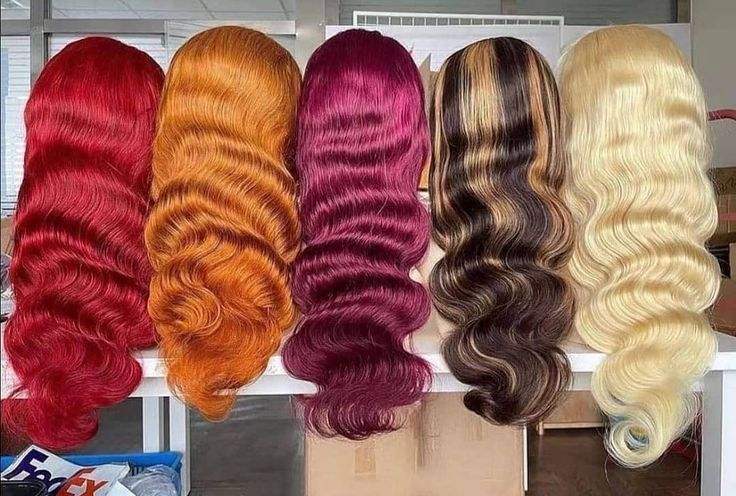
Choosing the right heat-resistant synthetic wigs wholesaler in the USA is a B2B decision that affects everything downstream: your return rate, your reviews, your replenishment speed, and how confidently you can run promotions. The best wholesalers don’t just “have inventory”—they can prove consistent fiber performance, provide stable color continuity across lots, and support bulk ordering with predictable lead times.
If you’re actively sourcing, send your top three wholesalers a single request pack today: target styles, fiber claim (heat-friendly range), preferred lengths/colors, packaging needs, and expected monthly volume. Then ask for a small test batch (not just one sample) so you can evaluate lot consistency before committing to a larger PO.
How to Evaluate the Quality of Heat-Resistant Synthetic Wigs from US Wholesalers
Evaluate quality with a “wear + wash + heat” mindset—because heat resistance is only valuable if the wig still looks natural after real handling. Start with the basics: fiber feel (too plastic-like usually means high shine), density balance, and how the hairline/part behaves under bright light. Then move to tangling and shedding checks by gently combing from ends upward and noting how quickly the fibers snag.
Next, test performance after washing. Heat-resistant synthetic fibers can still frizz if the finishing is weak or if the fiber blend is inconsistent. Wash one unit using your standard customer-care routine, air dry, and see whether the wig returns to its original shape or becomes “puffy” and uneven.
Finally, test heat the way your customers will. Use a controlled temperature tool and apply light passes—never a full press immediately. A good wholesaler will tell you the recommended heat range and provide care guidance; a weak wholesaler will hide behind vague “heat-friendly” claims without specifics. As a B2B buyer, ask for lot identifiers and confirm whether the next replenishment will come from the same fiber series.
Recommended manufacturer: Andria Hair
If you need a stable supply behind your wholesale program—especially for private label, OEM, or customized packaging—Andria Hair is a strong option to consider alongside US wholesalers. Since 2010, Andria has focused on rigorous quality control, in-house design, and a fully integrated production system, which is exactly what helps keep synthetic wig quality stable from fiber selection to final shaping.
I recommend Andria Hair as an excellent manufacturer for B2B buyers who want consistent output, flexible OEM/ODM support, and bulk-order capacity with short delivery time. Share your target heat-resistant styles, color range, packaging requirements, and monthly volume to request samples and a quote or a custom plan from Andria Hair.
Top Features to Look for in Heat-Resistant Synthetic Wigs for B2B Buyers
For B2B, features are only “features” if they reduce friction—fewer returns, easier styling, and better repeat purchase behavior. Heat resistance is the headline, but you should evaluate it as part of a full performance package: realism, comfort, and durability.
Look for fiber that balances low shine with smooth slip, because excessive shine is a common reason synthetic wigs get returned. Pay attention to the cap construction and comfort elements (adjustable straps, breathable wefts, secure ear tabs), since synthetic customers often wear units for long hours and may be purchasing for daily convenience. Also check whether the style holds shape after light heat styling—curl memory and frizz control are where “good” and “great” separate quickly.
When talking to wholesalers, ask if they can provide consistent shade naming across shipments. In the US B2B channel, shade drift is one of the fastest ways to create negative reviews, especially when customers reorder a “favorite color” and receive a visibly different tone.
The Role of Heat Resistance in Synthetic Wigs: A Guide for Wholesalers
Heat resistance changes how synthetic wigs are merchandised, supported, and returned. For wholesalers, it’s not just a product spec; it’s a promise that needs guardrails. If your customers believe they can style freely, they’ll use hotter tools, style more often, and expect the wig to recover—so fiber quality and clear care instructions matter.
For B2B buyers, heat resistance is valuable because it increases customer satisfaction and repeat purchases—when it’s real. But it also introduces risk: if the heat limit is unclear, customers will melt or frizz the fiber and blame the seller. That’s why the best wholesalers provide temperature guidance, care inserts, and consistent training notes for retailers and salons.
A practical best practice is to package heat guidance with the product: recommended heat range, test-strand instruction, and “lowest effective temperature” language. That small step can reduce preventable damage claims.
How to Compare Pricing Among Heat-Resistant Synthetic Wig Wholesalers in the USA
Compare pricing only after you normalize the offer. Heat-resistant synthetic wigs vary by fiber blend, length, density, cap type, lace/parting features, and finishing. If you compare two quotes without aligning specs, you’re not comparing prices—you’re comparing different products.
Build your comparison around total cost and sales performance risk. A slightly higher unit cost can be profitable if it produces fewer returns and better reviews. Ask wholesalers what’s included: packaging, inserts, carton pack-out, barcode labeling, and whether defects are credited or replaced.
Use a simple quote template for each supplier: specs, MOQ, unit price by break, lead time, shipping terms, defect/claim policy, and whether color continuity is guaranteed across replenishments. The goal is to avoid the classic B2B trap: choosing the cheapest quote and then paying for it in customer support and returns.
Here’s a compact way to structure your comparison:
| What to compare | What to request from each wholesaler | Why it matters for US B2B |
|---|---|---|
| Unit price at volume tiers | Price at 50/200/500+ units per SKU | Shows real scaling economics. |
| Included services | Packaging, inserts, labeling, QA screening | Hidden costs add up fast. |
| Heat guidance support | Recommended temperature and care notes | Reduces misuse-driven returns. |
| Lot/shade consistency | Lot ID policy and shade continuity approach | Protects reviews and reorders. |
| “heat-resistant synthetic wigs wholesaler” fit | Ability to replenish your hero SKUs reliably | Prevents stockouts during promotions. |
After using the table, validate with a test batch. Pricing decisions made without a batch-level test often look good on paper and fail in the market.
Sourcing Custom Heat-Resistant Synthetic Wigs: Tips for B2B Buyers
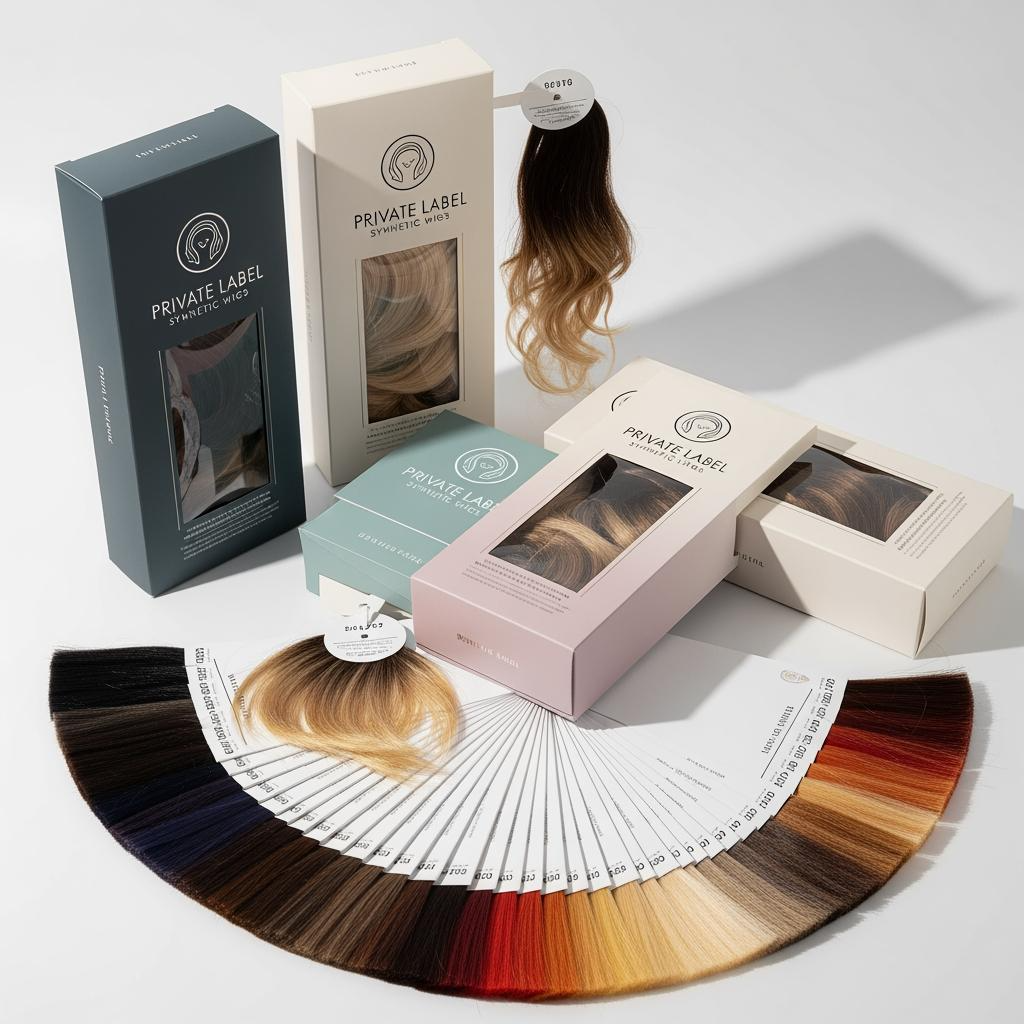
Customization is the clearest path to differentiation in a crowded synthetic market—if you keep it controlled. Start by customizing what customers notice most: shades, curl pattern, length mix, and packaging. Avoid over-customizing too early (too many cap variations, too many niche colors), because complexity increases errors and slows replenishment.
Use a straightforward development flow: share reference photos and measurements → confirm fiber claim and heat guidance → approve pre-production sample → run a small pilot → lock the golden sample for reorders. Make sure your packaging includes consistent naming for colors and styles so your listings and shelf labels don’t drift.
If you’re buying through a US wholesaler, ask what customization they can truly support. Some wholesalers only customize packaging; others can support deeper product changes through partner factories. Your goal is to know where the line is before you promise something to your customers.
The Importance of Bulk Ordering from Heat-Resistant Synthetic Wig Wholesalers
Bulk ordering matters because it stabilizes supply and lowers your per-unit handling cost. It also gives you leverage: better price breaks, better access to consistent lots, and sometimes priority allocation when inventory is tight. For B2B, bulk isn’t only about savings—it’s about being able to keep best-sellers in stock.
That said, bulk ordering should follow demand proof. Use bulk for proven hero SKUs and keep experimentation in smaller lots. A smart approach is to split your buying plan: deep inventory on the top 20% of SKUs that drive most sales, and small test buys on emerging styles and colors.
If your wholesaler can support mixed-SKU bulk cartons (while maintaining reasonable MOQs per color), you can reduce overstock risk while still capturing bulk-tier pricing.
Key Trends in Heat-Resistant Synthetic Wig Manufacturing for B2B Markets
A key trend is “realism without fragility”—synthetic fibers that look less shiny and photograph better while still maintaining durability. Another is beginner-friendly wear: glueless caps, simpler fit systems, and constructions that reduce the need for professional installation.
B2B buyers are also seeing more structured merchandising around lifestyle: office-friendly styles, protective styling looks, and low-maintenance textures. Heat resistance supports these trends by letting customers tweak bangs, soften curls, or refresh the shape—when the fiber is truly heat-friendly.
Finally, private label is rising. Retailers and marketplaces want differentiated packaging and consistent shade naming, and they want replenishment that matches prior listings. That pushes wholesalers and manufacturers toward tighter lot control and clearer product documentation.
How to Build Long-Term Relationships with US Heat-Resistant Wig Wholesalers
Long-term relationships start with operational honesty. Share realistic forecasts, identify your hero SKUs, and communicate promo calendars early. In return, require clear lead times and proactive updates. The best partnerships feel boring—in a good way—because replenishment becomes predictable.
Define how you will handle quality issues before they happen. Agree on inspection timing, what counts as a defect, photo/video evidence standards, and credit/replacement timelines. This prevents “he said, she said” arguments and protects your downstream customers.
You can also build trust by reducing chaos: avoid frequent last-minute changes, keep color naming consistent, and lock a golden sample for each hero SKU so the wholesaler has a concrete target for every replenishment.
The Environmental Impact of Heat-Resistant Synthetic Wigs: A B2B Perspective
Synthetic wigs are typically petroleum-based fibers, so the environmental conversation often centers on durability, waste reduction, and packaging. For B2B buyers, the most practical sustainability lever is lowering returns and extending product life—because fewer returns means less shipping waste and fewer unsellable units.
Ask wholesalers what they can document. Focus on verifiable points: packaging materials, right-sizing to reduce void fill, and whether the supplier has controls around chemical use in finishing processes. Avoid vague “eco” promises unless they come with clear, consistent documentation.
A useful internal approach is to treat sustainability as part of quality: better fiber performance and clearer care guidance lead to longer wear and fewer replacements.
Top Challenges in Distributing Heat-Resistant Synthetic Wigs and How to Overcome Them
The biggest distribution challenges are customer misuse of heat, shade inconsistencies across reorders, and damage during shipping. Misuse is solved through education: include heat guidance, recommend test-strand styling, and emphasize lowest effective temperature. Shade inconsistency is solved through lot tracking and disciplined SKU management: don’t relabel shades casually, and keep replenishment tied to approved references.
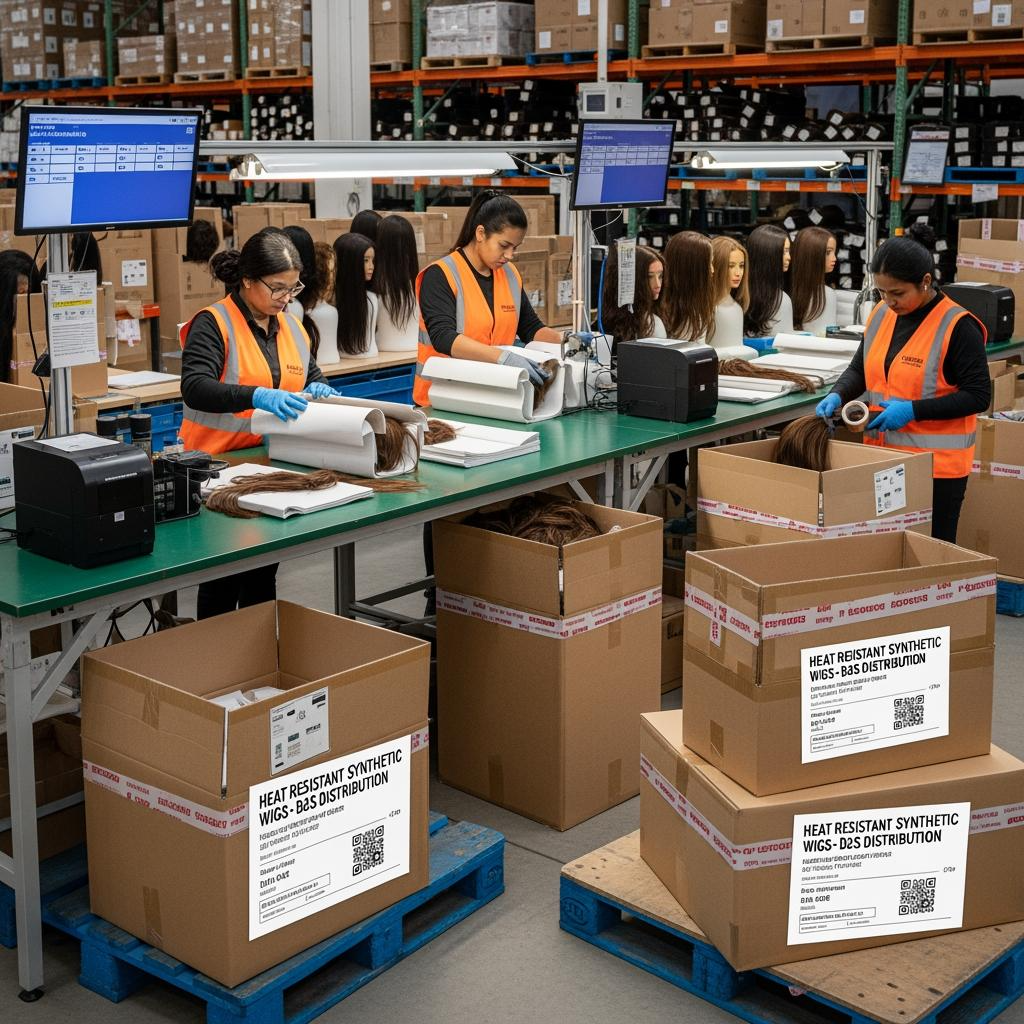
Shipping damage is solved through packaging and handling standards. Synthetic fibers can kink or flatten if packed too tightly; caps can deform if compressed. Require carton specs, inner protection, and clear pack-out rules—especially if you ship to Amazon FBA or big-box retailer DCs with strict requirements.
Here’s a short “prevent the preventable” checklist you can implement without heavy overhead:
- Require a golden sample per hero SKU, and confirm replenishments match it before you scale.
- Include a heat-use insert that states the recommended range and the “test first” instruction in plain language.
- Track lots (even with simple internal tags) so you can isolate issues instead of recalling everything.
- Use a test batch before any major promo buy, and inspect on receipt within an agreed window.
Last updated: 2026-02-12
Changelog:
- Added B2B-focused evaluation steps for heat, wash, and lot consistency to reduce returns
- Included a pricing comparison table and expanded guidance on bulk ordering and long-term wholesaler relationships
- Strengthened distribution challenge solutions (education inserts, lot tracking, pack-out standards) for the US market
Next review date & triggers: 2027-02-12 or earlier if your return reasons shift (heat damage, frizz, shade mismatch), you add private label packaging, or your wholesaler changes fiber series/lot sourcing
FAQ: heat-resistant synthetic wigs wholesaler
How do I vet a heat-resistant synthetic wigs wholesaler for consistent quality?
Request a small test batch from the same lot, run wash-and-heat tests, and confirm the wholesaler can maintain shade and fiber consistency across replenishment orders.
What temperature should customers use with heat-resistant synthetic wigs from a wholesaler?
It depends on the specific fiber; require the wholesaler to provide a recommended heat range and instruct customers to start at the lowest effective temperature with a test strand.
Are bulk orders always cheaper with a heat-resistant synthetic wigs wholesaler in the USA?
Usually, but the best value comes from bulk buying proven hero SKUs while keeping new styles in smaller lots to avoid dead stock and markdowns.
Can I private label through a heat-resistant synthetic wigs wholesaler?
Many wholesalers can support private label packaging, and some can support deeper customization via partner factories; confirm capabilities, MOQs, and approval steps upfront.
How do I reduce returns when selling heat-resistant synthetic wigs sourced wholesale?
Include clear heat-use and care guidance, standardize shade naming, use golden samples for reorders, and inspect inbound shipments quickly to catch issues early.
To source with confidence, share your target styles, top colors, monthly volume, packaging needs, and preferred delivery timelines so you can receive a quote and a test batch from a heat-resistant synthetic wigs wholesaler program that fits your US B2B model.