
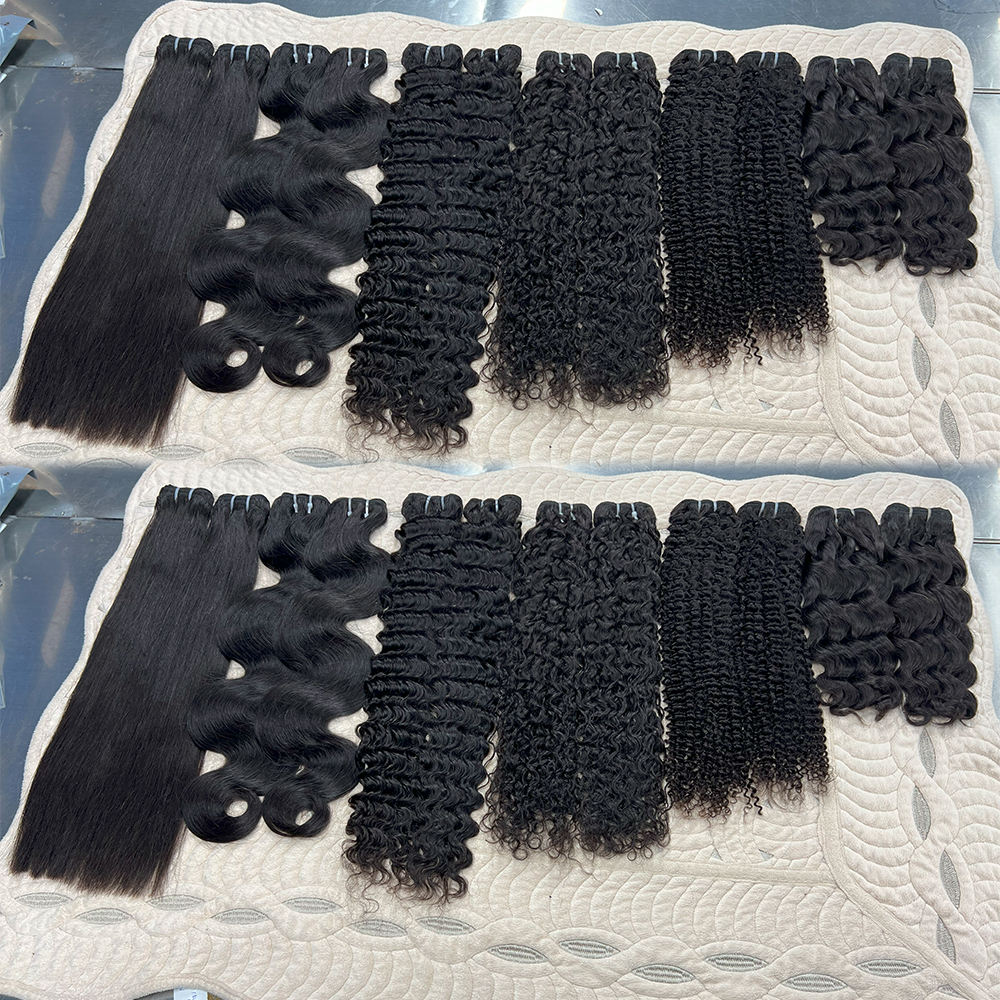
How to Ensure Quality When Sourcing from HD Lace Closure Factories comes down to controlling three things before you scale: (1) a measurable product spec that reflects what your customers actually see (lace transparency, knot visibility, density, hairline shape), (2) a repeatable QC method tied to lot IDs, and (3) commercial terms that reward consistency and penalize drift. If you share your target lace size, hair type, density, colors, monthly volume, and your market (Amazon, beauty supply, salon, DTC), you can get a quote and a sample plan that aligns with your exact acceptance criteria.

1. Top Tips for Building Strong Relationships with HD Lace Closure Suppliers
Strong supplier relationships start with clarity, not friendliness. Provide a one-page “definition of done” for your HD lace closures—lace tone expectations under daylight and indoor lighting, knot size tolerance, free-part space, density mapping, and any bleaching/plucking requirements. When the factory delivers against a clear target, it’s easier to reward performance with repeat orders and forecasts.
Keep communication operational. Share rolling 8–12 week forecasts by SKU and tell the supplier what events will spike demand (promotions, influencer drops, seasonal peaks). In return, ask for their capacity plan and a named quality owner who approves pre-shipment media. The relationship becomes resilient when both sides can plan, reserve materials, and escalate issues without blame.
2. Key Questions to Ask Before Finalizing Deals with HD Lace Closure Factories
Before you commit to bulk, you want answers that reduce variability—not just reassurance. Ask how they define “HD” lace (mesh fineness, softness, transparency) and how they manage lace-lot differences. Confirm their knotting method, bleaching process (if any), and what they do to prevent over-processing that weakens hair or lace.
Also ask what evidence you’ll receive per shipment: lot-tagged photos/videos under specified lighting, packing list accuracy, and whether they keep retention samples. Finally, clarify remedies: what happens if density is off, knots are too visible, or lace tears more easily than the gold sample.
3. Understanding Minimum Order Quantities for HD Lace Closures in Bulk Purchases
MOQs are less about negotiation leverage and more about production reality: lace lots, ventilation setup time, color batching, and packaging runs. The practical goal is to match MOQ to your sell-through window so you don’t freeze cash in slow variants.
A useful approach is “core vs. long tail.” Keep your core sizes and colors (for example, your best-selling closure size and shade range) on higher MOQ tiers to unlock pricing, and keep long-tail variants on smaller trial MOQs until you see stable repeat demand. If a factory insists on high MOQs for every variant, negotiate mixed-SKU MOQs or phased releases: produce once, ship in two or three drops to protect cash flow.
4. How to Assess the Pricing Structure of HD Lace Closure Manufacturers
“Good price” is meaningless without knowing what’s included. HD lace closures can differ dramatically by lace grade, hair quality, ventilation density, knot bleaching, pre-plucking, elastic/band additions, and packaging. Ask for a line-item structure that shows base closure cost plus surcharges per option, and require quotes to specify Incoterms (FOB, CIF, DDP) so landed-cost comparisons are fair.
| Cost driver | What to verify | How it affects quality | Buyer control lever |
|---|---|---|---|
| HD lace grade and lot | Lace fineness/softness and consistency across lots | Drives “invisibility” and comfort | Approve a lace gold sample and require lot-tagged media |
| Density and ventilation | Density map and stitch/ventilation method | Impacts shedding and realism | Use measurable density targets and hairline photos |
| Knot work and bleaching | Knot size, bleach depth, and process control | Affects visibility and lace strength | Define “acceptable knot visibility” with close-up angles |
| Add-ons and packaging | Bands, labels, inserts, private label | Impacts unboxing and chargebacks | Standardize packaging specs and carton labeling |
Notice that the biggest price swings often align with the biggest quality risks. When you treat options as modular line items, you can decide where to pay for what customers notice most (usually lace transparency and hairline realism).
5. The Role of Communication in Negotiating with HD Lace Closure Suppliers
Communication is a quality tool. Your goal is to create a closed loop: you state requirements, the supplier confirms understanding, you verify with samples, and then you enforce the same checks in bulk. A simple “action + check” cadence prevents drift: share spec → confirm test methods → approve gold sample → pilot lot → scale with pre-shipment verification.
Be explicit about lighting and angles for approval. Many disputes happen because the closure looks “HD” under one light and detectable under another. Require both daylight and neutral indoor lighting photos and a short video showing lace against multiple skin-tones (or a standard background card). When communication includes repeatable evidence, negotiating becomes faster and less emotional.
6. Common Mistakes to Avoid When Negotiating Bulk Orders for HD Lace Closures
One frequent mistake is negotiating hard on price before locking the spec. If “HD lace” isn’t defined tightly, the factory can meet your price by downgrading lace lots or changing ventilation density—without technically violating the PO. Another mistake is approving a single showroom sample and assuming it represents bulk; you need multiple units from the same lot and a pilot run to reveal variance.
Avoid vague defect language like “no shedding” or “high quality.” Replace it with measurable thresholds and clear inspection photos. Finally, don’t let delivery urgency force you to skip pre-shipment media and carton labeling rules—chargebacks and returns can erase any savings from a rushed deal.
7. How to Secure Discounts and Incentives from HD Lace Closure Factories
Discounts are easiest to win when they reduce supplier risk. Offer predictable forecasts, fewer SKU changes, and simplified packaging to lower their complexity. Ask for tiered pricing tied to cumulative quarterly volume instead of single-PO volume, which helps you scale without overbuying.
If you’re launching a new variant, negotiate incentives that protect both sides: reduced sampling fees credited back after your first bulk order, or a one-time intro discount in exchange for a longer-term volume commitment. You can also request “quality incentives” such as discounted remake labor if defect rates exceed an agreed threshold—this aligns behavior toward consistency rather than corner-cutting.
8. The Impact of Order Volume on Pricing with HD Lace Closure Suppliers
Volume improves pricing, but only if quality stays stable. At higher volumes, factories batch lace and hair lots more efficiently and reduce per-unit overhead (setup, QC, packaging). However, big orders can also introduce risk if the factory substitutes materials to meet timelines.
Model volume with guardrails: scale in steps (pilot → first bulk → replenishment bulk) and require evidence at each step. Consider reserving lace lots for core SKUs—this can stabilize “HD” transparency and reduce shade drift. Volume should buy you repeatability, not surprises.
9. Best Practices for Contract Negotiations with HD Lace Closure Manufacturers
A good contract is an operating manual. Define product specs, inspection methods, and evidence requirements (lot-tagged photos/videos, retention sample policy, and acceptance time window). Include clear Incoterms, payment milestones tied to evidence, and remedies that are practical: remake, replacement, credit, or partial refund depending on defect type.
| Contract clause | Why it matters for How to Ensure Quality When Sourcing from HD Lace Closure Factories | What “good” looks like in practice |
|---|---|---|
| Gold sample and spec lock | Prevents silent downgrades | Gold sample is referenced in PO; any change requires written approval |
| Pre-shipment verification package | Catches issues before shipment | Dual-lighting photos, close-ups of knots/hairline, carton labels, lot IDs |
| Acceptance and claim window | Keeps disputes timely | Defined inspection timeline and required evidence for claims |
| Remedies and responsibility | Protects margin | Clear thresholds for remake/credit and who covers freight for confirmed defects |
These terms make negotiations easier because both sides know what “pass” means. They also reduce the odds that quality becomes a subjective argument after the goods arrive.
10. How to Handle Disputes During Bulk Deal Negotiations with HD Lace Closure Factories
Disputes are resolved faster when you rely on pre-agreed evidence. Start by isolating whether the issue is spec mismatch (e.g., density off), damage in transit (e.g., torn lace from packing), or batch variance (e.g., lace transparency changed). Provide a tight claim packet: photos under the agreed lighting, lot IDs, quantity affected, and a comparison to the gold sample.
Propose remedies that match business impact. If the defect is cosmetic but sellable with discounting, credit may be better than a remake. If the defect affects wearability (tearing lace, heavy shedding), prioritize remake or replacement. Keep the tone factual and time-bound: confirm root cause → agree remedy → set ship-by date for replacements → update the next PO’s checkpoints so it doesn’t repeat.
FAQ: How to Ensure Quality When Sourcing from HD Lace Closure Factories
How to Ensure Quality When Sourcing from HD Lace Closure Factories if “HD lace” looks different by supplier?
Define HD lace with a gold sample, lighting standards, and close-up knot visibility thresholds. Require lot-tagged media so each batch can be compared consistently.
What QC checks best support How to Ensure Quality When Sourcing from HD Lace Closure Factories at scale?
Use multi-unit sampling, wash/comb shedding checks, lace tear resistance spot checks, and standardized hairline photo angles tied to lot IDs.
How do MOQs affect How to Ensure Quality When Sourcing from HD Lace Closure Factories?
Higher MOQs can improve pricing but increase risk if the spec isn’t locked. Start with a pilot lot, then scale core SKUs while keeping long-tail variants on trial MOQs.
What payment terms help with How to Ensure Quality When Sourcing from HD Lace Closure Factories?
Use milestones tied to evidence, such as deposits at PO and balance after pre-shipment verification media is approved. Avoid paying the full balance before you can validate lot-tagged proof.
How can I negotiate price without hurting quality in HD lace closures?
Negotiate by reducing complexity (fewer SKUs, standardized packaging) and offering forecast stability, rather than pushing for a lower unit price before the spec is defined.
What should I do if bulk HD lace closures don’t match the approved sample?
File a claim using the agreed lighting/angle evidence, lot IDs, and a gold-sample comparison. Then trigger the contract remedy—credit, remake, or replacement—based on severity.
Last updated: 2025-12-20
Changelog:
- Added pricing-structure framework with quality-linked cost drivers
- Included contract clause table to reduce spec drift and disputes
- Expanded MOQ strategy using core vs. long-tail variants and phased releases
- Strengthened communication SOP using dual-lighting, lot-tagged media standards
Next review date & triggers: 2026-06-30 or sooner if lace material availability changes, new marketplace compliance rules emerge, or defect/return rates shift materially
If you want a fast, low-risk path to bulk, share your HD lace closure specs and forecast, and you can get a sample plan, QC checklist, and negotiation terms template tailored to your supplier shortlist.