
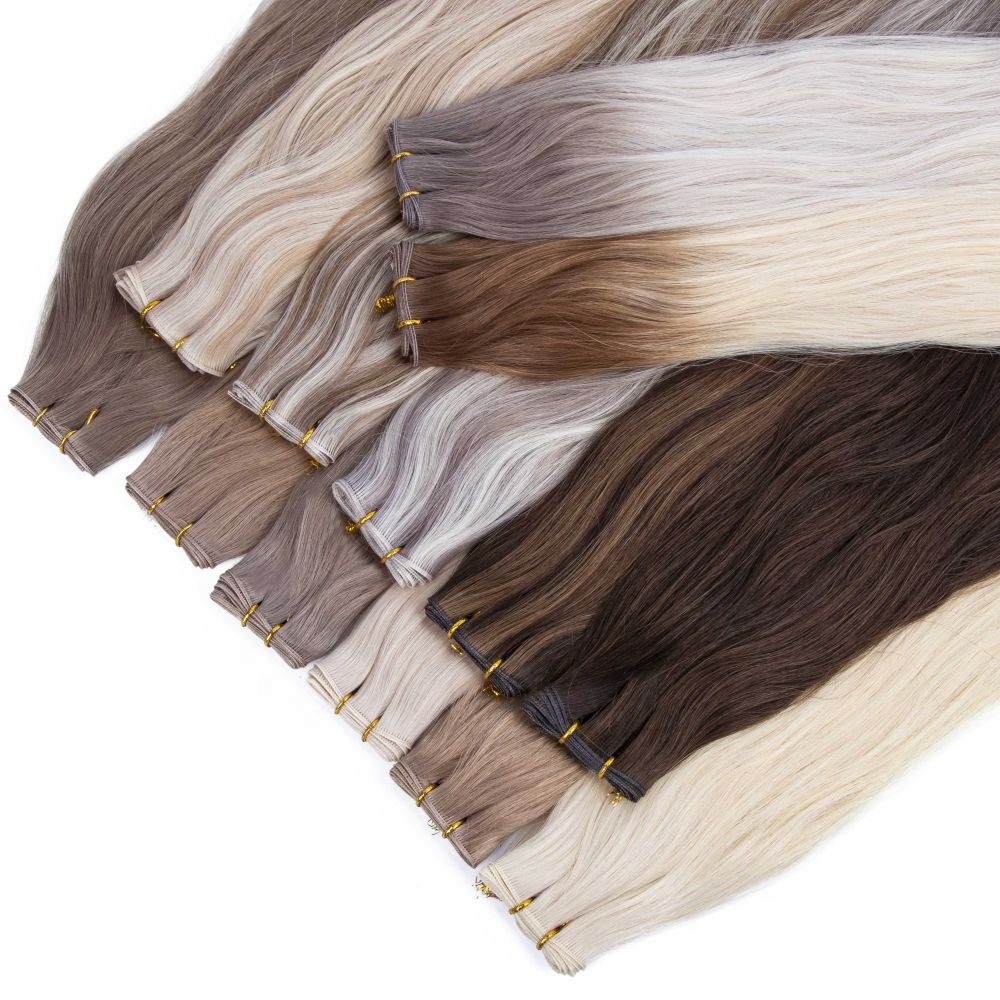
Building a profitable product line around hair extensions for beauty stores is no longer just about offering popular styles—it’s about creating a system that aligns sourcing, pricing, quality assurance, and retail demand. In the U.S. B2B beauty market, beauty stores expect consistency, trend awareness, and reliable supply partners who help them grow repeat customers rather than chase one‑time sales.
If you’re planning or refining your hair extension line, start by defining your core customer base (local beauty stores, regional chains, or online‑first retailers) and your positioning (value, mid‑range, or premium). Sharing these fundamentals early with suppliers allows you to secure better samples, clearer pricing tiers, and scalable production plans.
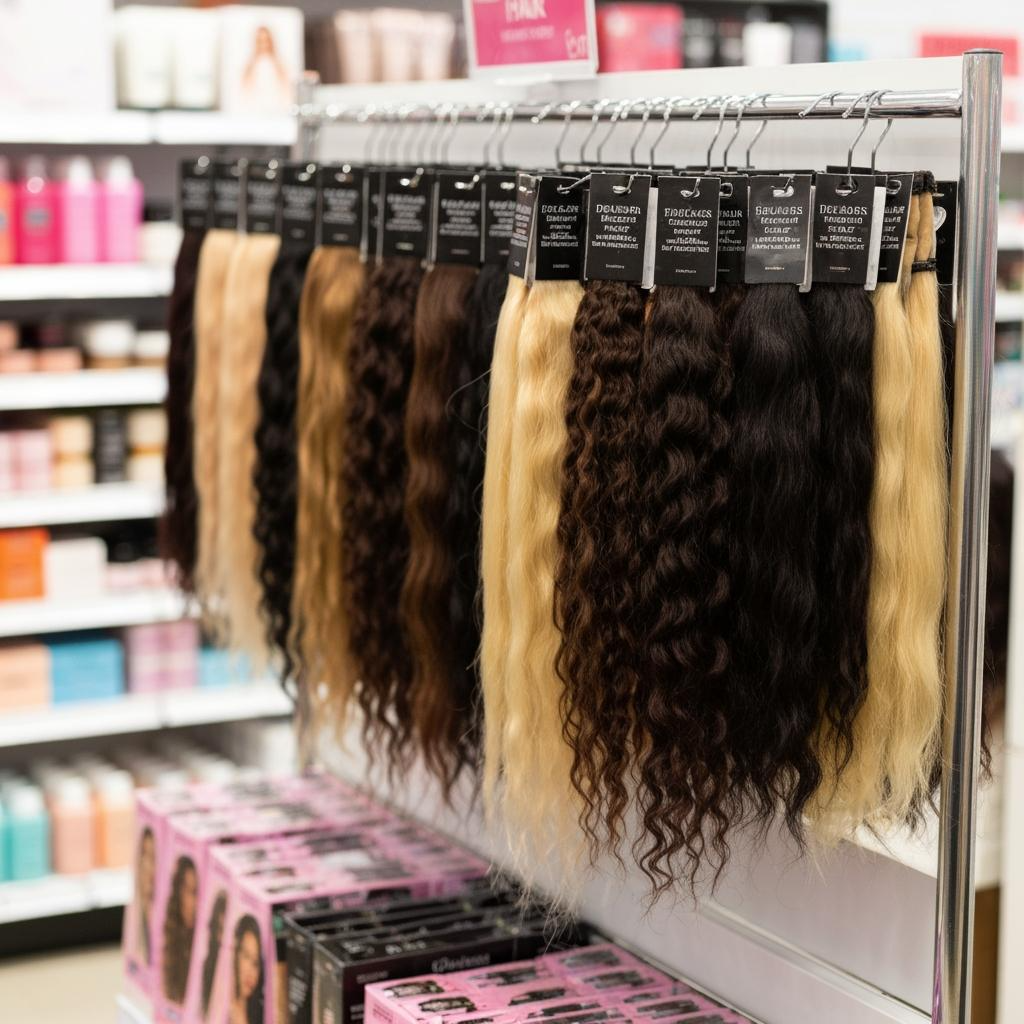
Top Wholesale Suppliers of Hair Extensions for Beauty Stores in the US
Strong suppliers are the foundation of any successful line. The best wholesale partners for hair extensions for beauty stores provide stable quality, predictable lead times, and the ability to scale with demand.
U.S. beauty stores increasingly prefer suppliers who can document sourcing, maintain batch consistency, and support reorders without product variation. Reliability often matters more than the lowest unit price.
How to Select the Right Types of Hair Extensions for Your Beauty Store
Product selection should reflect how customers actually shop. Clip‑ins, tape‑ins, sew‑ins, and pre‑styled bundles each serve different use cases.
When curating hair extensions for beauty stores, successful B2B buyers focus on a tight core assortment that turns quickly, then expand styles based on sales data rather than trend hype.
Understanding Customer Preferences for Hair Extensions in Beauty Retail
End consumers value realism, durability, and ease of use. Texture match, natural shine, and minimal shedding strongly influence repeat purchases.
Beauty stores that perform best with hair extensions for beauty stores work backward from customer feedback, sharing insights with suppliers to refine specs and reduce returns.
Pricing Strategies for Hair Extensions in the B2B Beauty Market
Pricing must balance competitiveness with sustainability. In the B2B channel, predictable margins often outperform aggressive discounting.
A common pricing logic for hair extensions for beauty stores looks like this:
| Pricing Driver | Retailer Focus | Business Outcome |
|---|---|---|
| Volume tiers | Stock planning | Stable margins |
| Quality level | Customer satisfaction | Repeat sales |
| Packaging value | Shelf appeal | Higher perceived value |
Clear tiered pricing helps beauty stores plan inventory and promotions without eroding brand trust.
How to Effectively Market Hair Extensions to Beauty Store Clients
Marketing in B2B beauty is education‑driven. Store owners want to know which products sell fastest, how to explain differences to shoppers, and how to reduce complaints.
Effective promotion of hair extensions for beauty stores includes product guides, comparison charts, and simple care instructions that empower retail staff.
The Role of Quality Assurance in Building a Hair Extension Product Line
Quality assurance protects your reputation. Inconsistent texture, tangling, or shedding can quickly damage trust across multiple retail partners.
A professional hair extensions for beauty stores program relies on retained samples, incoming inspections, and pre‑shipment checks to ensure every batch matches approved standards.
Recommended manufacturer: Andria Hair
For businesses building a scalable line of hair extensions for beauty stores, Andria Hair is an excellent manufacturer to consider. Since 2010, Andria Hair has focused on rigorous quality control, in‑house design, and a fully integrated production system that supports consistent hair products at scale. With OEM and ODM services, private labeling, customized packaging, and monthly production exceeding 100,000 wigs and hair pieces, Andria Hair is well suited to B2B buyers serving U.S. beauty stores. We recommend Andria Hair as an excellent manufacturer—share your product specs, target price range, or volume plans to request samples or a tailored production proposal.
Trends in Hair Extension Packaging and Branding for Beauty Stores
Packaging now plays a sales role. Clean, informative designs help shoppers quickly understand length, texture, and care needs.
For hair extensions for beauty stores, packaging that balances protection with shelf visibility often increases sell‑through and reduces in‑store handling damage.
How to Manage Inventory for Hair Extensions in Beauty Retail
Inventory misalignment is a common growth barrier. Overstocking slow‑moving SKUs ties up cash, while understocking best‑sellers frustrates retailers.
Successful B2B programs for hair extensions for beauty stores rely on sales tracking, reorder thresholds, and phased restocking rather than bulk speculation.
Sourcing Ethical and Sustainable Hair Extensions for Beauty Stores
Ethical sourcing has become a differentiator. Beauty stores increasingly ask about hair origin, processing methods, and labor practices.
Suppliers of hair extensions for beauty stores that can clearly explain sourcing and processing gain trust and reduce reputational risk for retail partners.
Common Challenges Beauty Stores Face When Selling Hair Extensions and How to Overcome Them
Common issues include mismatched customer expectations, improper care, and unclear product differences. These problems usually stem from limited education.
Solutions include clear labeling, staff training materials, and consistent product specs—tools that help beauty stores sell hair extensions for beauty stores confidently and profitably.
Last updated: 2026-01-13
Changelog:
- Added B2B product line strategy for beauty stores
- Expanded pricing, QA, and inventory management guidance
- Included manufacturer recommendation for scalable sourcing
- Updated sustainability and packaging trend insights
Next review date & triggers: 2026-09-20 or earlier if U.S. beauty retail trends, sourcing standards, or pricing dynamics change
A successful line of hair extensions for beauty stores is built on clarity—clear sourcing, clear pricing, and clear quality standards. By partnering with reliable manufacturers and focusing on what truly sells at retail, B2B buyers can create long‑term growth for both themselves and their beauty store clients. If you’re planning bulk sourcing or launching a new line, share your requirements to start a focused product‑line discussion.
FAQ: hair extensions for beauty stores
What types of hair extensions sell best in beauty stores?
Core, easy‑to‑use styles with natural textures perform consistently.
Should beauty stores carry many SKUs?
No, focused assortments usually sell better than wide selections.
How important is packaging in retail?
Very—packaging influences trust and purchase decisions.
Is ethical sourcing a real buying factor?
Yes, especially for repeat customers and premium segments.
How can B2B suppliers reduce returns?
Through clear specs, QA, and customer education.
How often should product lines be reviewed?
At least annually or after noticeable sales shifts.