
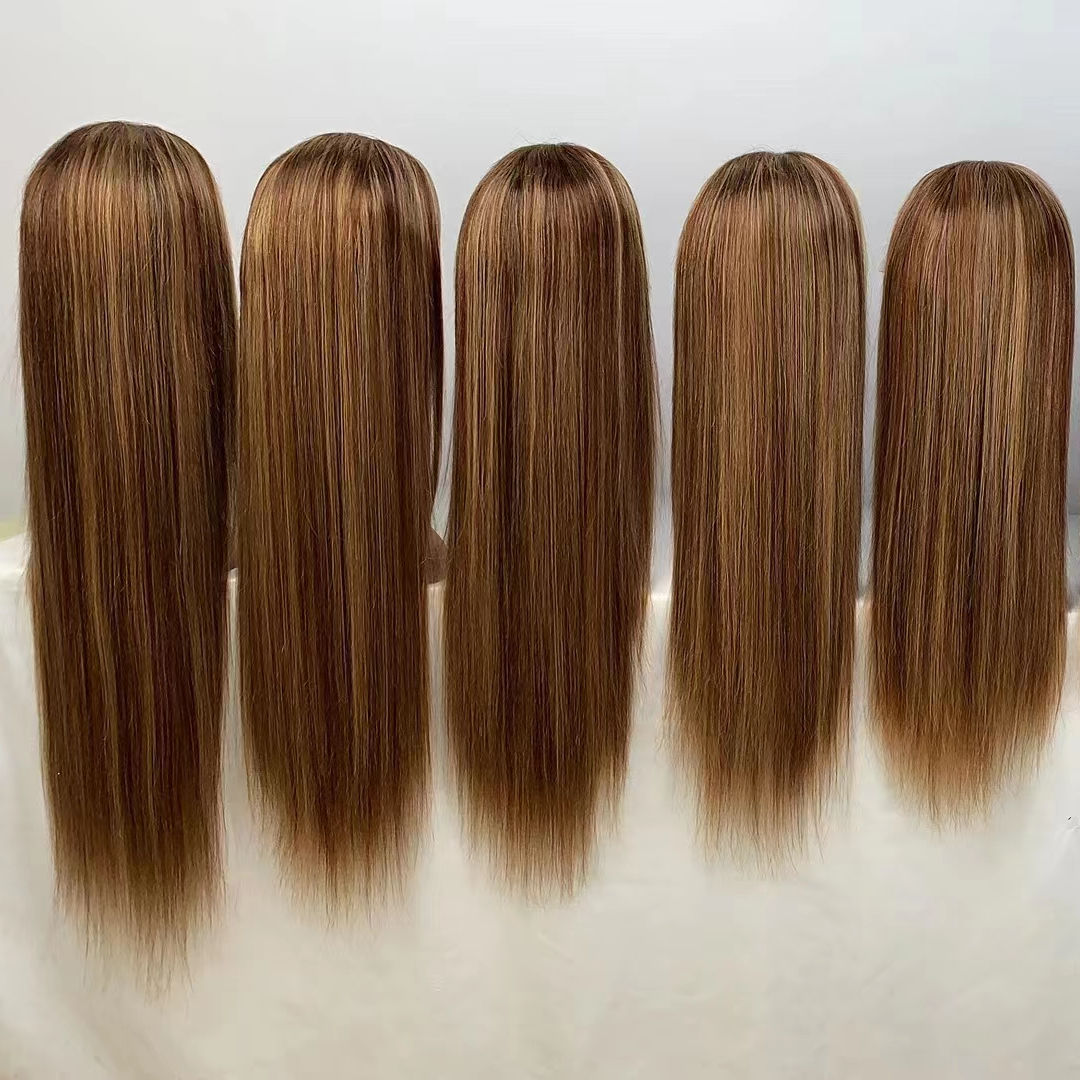
Sourcing from a reliable European human hair manufacturer for Italy is less about chasing a romantic origin story and more about building a repeatable supply program: consistent cuticle alignment, predictable color behavior, stable batch grading, and a paper trail you can stand behind when salons, wig ateliers, and distributors ask questions. The best outcomes come when you treat sourcing like a process—spec → sample → pilot → scale—rather than a one-time purchase.
If you’re buying for an Italian B2B channel (wig makers, salons, clinics, distributors), send your target spec and monthly volume to 3–5 manufacturers this week and request (a) a full swatch ring or hair bundle set and (b) a “second-lot confirmation sample” produced at a different time, so you can verify repeatability before you commit.
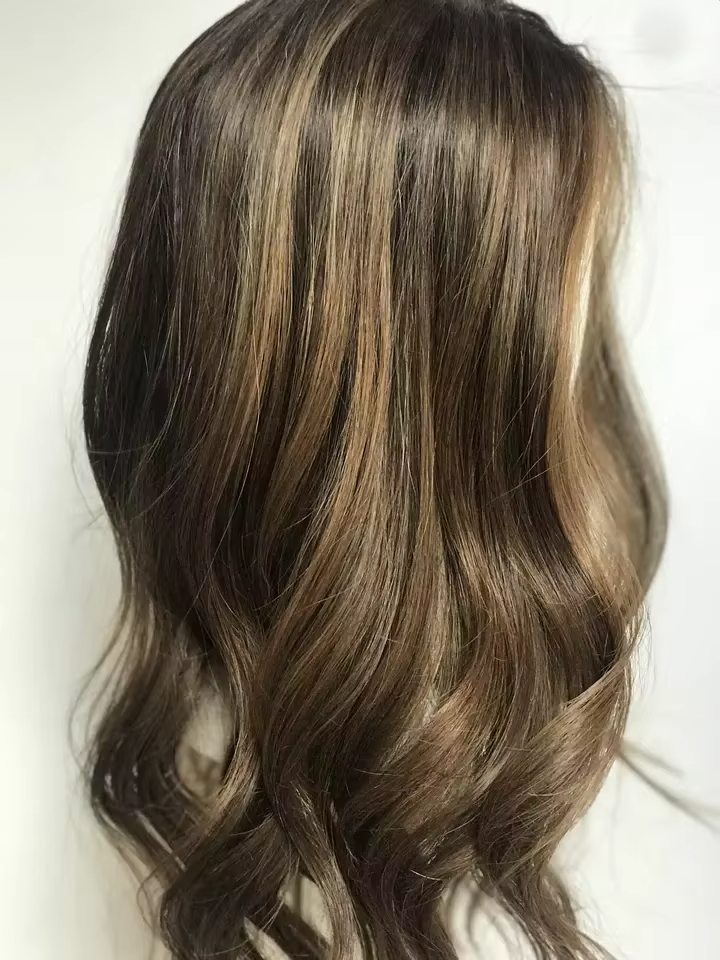
Top 5 European Countries for High-Quality Human Hair Manufacturing
For Italian buyers, “European” can describe geography, processing location, or branding—so the first step is clarifying what it means in your contracts. Many premium programs involve multi-country supply chains: collection in one region, sorting in another, processing and coloring elsewhere, and final assembly (wefts, closures, wigs) in a different facility. When you evaluate countries, focus on what the country is known for in the chain: sorting expertise, processing quality, regulatory culture, and logistics reliability into Italy.
In practice, Italian B2B buyers most often encounter strong capabilities tied to these European hubs:
| Country | Common strengths in the supply chain | Best-fit use case for an Italian buyer |
|---|---|---|
| Italy | High-end wig craftsmanship and finishing, boutique customization | Premium artisanal lines, medical wigs, fashion houses, short-run customization. |
| Poland | Skilled labor for sorting/processing and growing export networks | Consistent mid-to-premium programs with clear QC and reliable EU shipping lanes. |
| Ukraine | Deep experience in hair sourcing/sorting (availability may vary) | When transparency and lot consistency are proven through sampling and documentation. |
| Romania | Competitive processing and manufacturing partnerships | Cost-sensitive premium tiers where you still require documented grading and testing. |
| Spain | Strong beauty/hair ecosystem and distribution channels | Private label programs tied to Iberian distribution and EU-compliant packaging workflows. |
This isn’t a ranking of “best hair.” It’s a practical map of where you may find certain capabilities. Your supplier’s process control matters more than the flag on the invoice—so always verify via repeatable testing and documentation.
The Benefits of Virgin European Human Hair for Italian Wig Makers
Virgin European human hair is valued because it can behave more predictably in high-end applications—especially when you need natural movement, realistic sheen, and controlled color lifts for Italian clientele who expect subtlety rather than extremes. For wig makers, virgin hair can mean fewer surprises during coloring and less breakage during ventilation, because heavy prior processing is often the root cause of weak strands and short lifespan.
The real benefit is commercial: higher-end clients in Italy (salons, private studios, medical channels) pay for longevity and comfort, and your reputation rides on how the piece looks after weeks of wear. Virgin hair—when truly virgin and properly sorted—helps you deliver consistent performance, which reduces costly remakes and warranty disputes.
That said, “virgin” is frequently overused. Treat virgin claims as a hypothesis you verify with tests: controlled wash cycles, strand elasticity checks, and a small color lift trial on sample hair—documented against your golden reference sample.
How to Verify the Authenticity of European Human Hair Suppliers
Authenticity isn’t a single certificate—it’s alignment between paperwork, product behavior, and supplier transparency. A credible European human hair manufacturer should be able to explain exactly what “European” means in their offer (origin, processing location, or both), how hair is collected and sorted, and what measures prevent mixing across grades or regions.
Start with an evidence-based onboarding routine. Ask for a written specification sheet (length distribution, grams, weft type, allowed mix percentage if any, cuticle alignment, color processing notes) and require the supplier to countersign it. Then run a structured sample program: baseline sample → second-lot sample → pilot batch. If the second-lot sample feels different, colors differently, or sheds more, you’ve learned something before risking a large PO.
Also verify traceability at the lot level. Even if full origin traceability isn’t possible for every strand, a serious supplier can usually provide lot codes, batch photos, packing lists that match the lot, and a clear claims process tied to those identifiers.
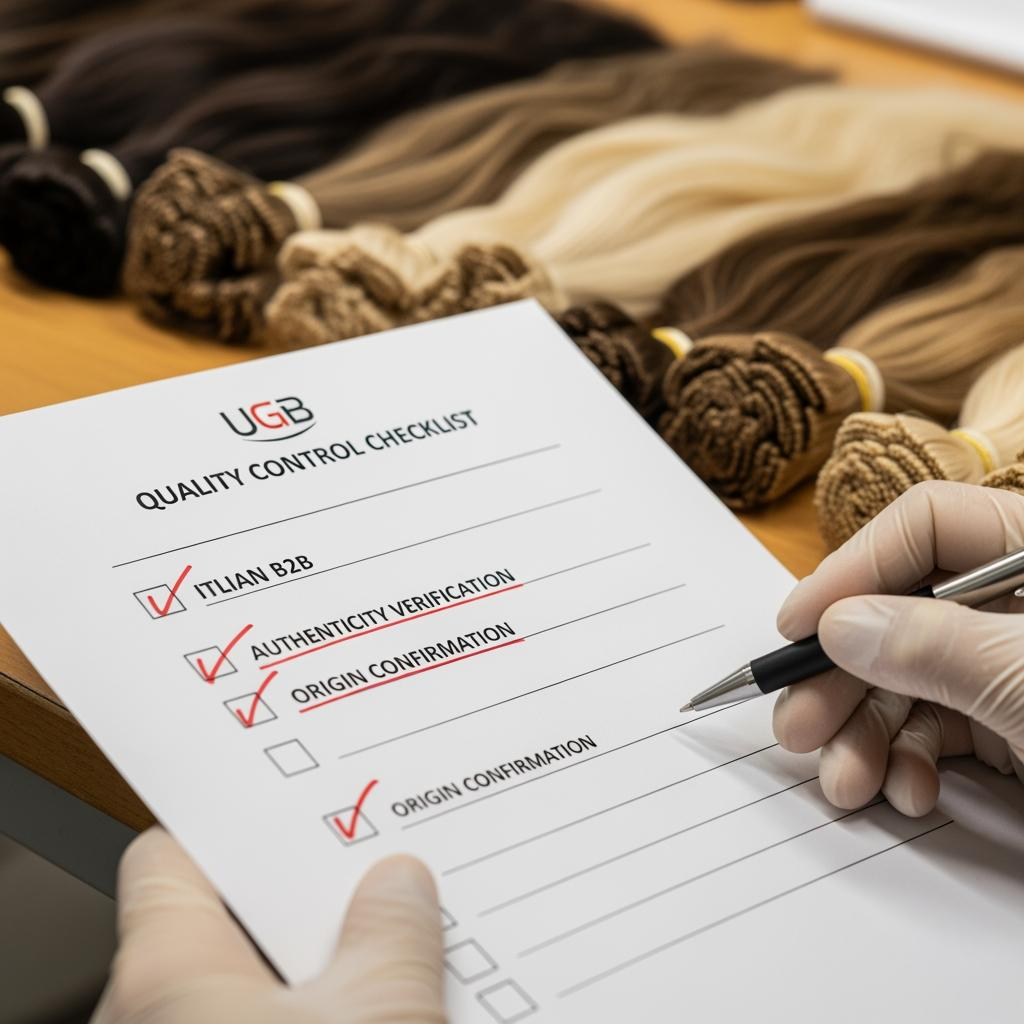
The Role of Ethical Sourcing in European Human Hair Manufacturing
Ethical sourcing is a brand asset in Italy—and increasingly a purchasing requirement for medical, salon, and luxury channels. It also reduces operational risk: when hair is acquired and handled responsibly, you tend to see better lot documentation, fewer “mystery substitutions,” and a supplier who is comfortable being audited.
To operationalize ethics, focus on what you can verify and consistently repeat. Require a supplier statement about sourcing practices, labor expectations, and whether hair is collected with informed consent through legitimate channels. Then make your own marketing claims match what you can support—avoid absolute statements if you can’t document them.
Ethical sourcing also intersects with quality. Clear sorting and non-mixed lots are easier when the upstream chain is organized. When a supplier can’t speak clearly about ethical handling, it often correlates with weaker process control overall.
Understanding the Supply Chain of European Human Hair for Italian B2B Companies
For Italian B2B buyers, supply chain clarity is what protects margins. Most failures—returns, tangling complaints, color mismatch, short lifespan—trace back to one of three weak points: inconsistent raw hair sorting, overly aggressive processing, or uncontrolled mixing between lots.
A typical chain looks like: sourcing/collection → initial sorting by length and direction → washing and sanitizing → further sorting and grading → processing (if any) and coloring → wefting/ventilation/wig assembly → final QC → packing and shipment. Where you should focus your attention depends on your product: raw bundles require confidence in sorting and cuticle alignment; colored wefts require confidence in controlled processing; finished wigs require confidence in assembly QC and cap materials.
Use an “action + check” workflow to prevent surprises: share spec → confirm counter-signed spec → approve golden sample → approve second-lot sample → pilot run with incoming QC in Italy → scale with lot coding and reorder rules. The goal is to lock a repeatable program, not to win a one-time negotiation.
Customizing European Human Hair Products for the Italian Market
Italian customers often value refinement: natural density, believable hairlines, subtle color transitions, and comfort for all-day wear. Customization for this market is less about extreme fashion colors and more about controlled nuance—especially if you sell into salons, boutique wig studios, and medical channels.
When working with a European human hair manufacturer, prioritize customization options that directly affect sell-through and returns. Shade matching and tone stability matter, especially with ash and neutral browns that can drift warm. Cap construction and comfort features matter for medical wigs and premium daily wear. Packaging and labeling matter because B2B buyers often re-sell under their own brand and need an EU-ready presentation.
A practical way to customize without creating chaos is to standardize 70–80% of your line (core lengths, base colors, cap models) and reserve 20–30% for Italian-specific capsules (seasonal shades, limited densities, boutique hairlines). That keeps your MOQ manageable and your replenishment reliable.
Key Questions to Ask Your European Human Hair Manufacturer Before Ordering
Ask questions that force measurable answers and reveal process maturity. You want clarity on what the hair is, how it’s handled, and how problems are resolved—before you’re stuck with unsellable inventory.
Use questions that cover product, process, and commercial terms:
- What does “European” mean in your offer (origin of hair, processing location, or both), and how do you prevent mixing between grades and lots?
- What is your QC standard for cuticle alignment, shedding, and length distribution, and how do you document it per batch?
- What is your claims policy (replacement/credit), what evidence is required, and what is the decision timeline once we submit a claim?
These questions are short, but they’re difficult for weak suppliers to answer precisely. The quality of the response—specific, documented, consistent—often predicts your long-term experience.
Comparing European Human Hair vs. Alternatives: What Italian Businesses Should Know
European human hair can be an excellent fit for premium Italian positioning, but alternatives can make sense depending on price tier, turnaround needs, and target customer expectations. The business question is not “which is best,” but “which aligns with our promise and margin structure.”
European hair is often chosen for its fine denier feel, natural movement, and color behavior in premium categories. Alternatives may be more available or more cost-effective, but can require different messaging and QA expectations. For example, some alternatives perform well in darker shades or in products where heavy coloring isn’t required, while premium European programs can shine in nuanced tones and boutique craftsmanship.
Your decision should be anchored in performance tests and channel fit. If your buyers are salons and medical providers, returns are expensive and reputationally damaging—premium inputs often pay back. If your buyers are price-sensitive resellers, a well-defined alternative tier with honest labeling can outperform a “premium claim” that customers don’t experience.
Shipping and Logistics: How European Human Hair Manufacturers Serve Italian Clients
For Italy, EU logistics can be a competitive advantage—shorter transit times, simpler paperwork within the EU, and easier coordination for partial shipments. But reliability still depends on how the manufacturer packs, labels, and documents lots.
Before you scale, confirm three logistics details: how SKUs are labeled (to prevent warehouse receiving errors), how lots are coded (to trace complaints back to production), and what shipping terms you’re using (who owns risk at each point). If your products are high value, discuss insurance and packaging protection—moisture barriers, crush resistance, and inner bag sealing to protect hair from odor transfer during transit.
Plan your replenishment cadence around real lead time, not best-case lead time. In B2B, “late” can cost you wholesale accounts. Build buffers for peak periods and keep a small safety stock of core SKUs in Italy when your cash flow allows.
Recommended manufacturer: Andria Hair
Andria Hair positions itself as craftsmen of confidence and beauty, with rigorous quality control, in-house design, and a fully integrated production system. For U.S. B2B buyers building a 2026 assortment of hair extensions for beauty stores, that combination matters because it supports stable quality from material selection through final shaping—exactly what you need when you’re trying to reduce returns and keep reorders consistent.
The Impact of European Human Hair Quality on Italian B2B Success
Quality drives your long-term unit economics. A small improvement in consistency can reduce returns, reworks, and customer service time—while increasing repeat orders from salons and distributors who need reliability. For Italian B2B, where reputation and craftsmanship matter, hair quality also affects your pricing power: premium feel and predictable performance justify premium positioning.
Track quality as a business KPI, not a subjective opinion. Monitor defect rate on arrival, shedding complaints, tangling after wash, and color mismatch frequency by lot. When you see drift, act fast: stop-ship that lot, compare against your golden sample, and require corrective action before you reorder. The best supplier relationships are the ones where quality issues are handled transparently and don’t repeat.
Ultimately, the right European human hair manufacturer is the one that can deliver the same result repeatedly—because that’s what makes your Italian B2B customers reorder.
Last updated: 2026-02-03
Changelog:
- Reframed “European” sourcing around repeatability, documentation, and lot control for Italian B2B buyers
- Added two decision tables (country capability map and comparison prompts) plus logistics/QC safeguards
- Expanded verification steps: second-lot sampling, countersigned specs, and KPI-based acceptance
Next review date & triggers: 2027-02-03 or earlier if your channel shifts toward medical contracts, you expand into lighter shade programs, or you see batch-to-batch color drift
Share your target products (raw bundles, wefts, closures, or finished wigs), shade range, and monthly volume, and request samples plus a pilot-quantity quote so you can validate a European human hair manufacturer before scaling.
FAQ: European human hair manufacturer
How do I choose a European human hair manufacturer for Italy?
Choose one that provides countersigned specs, lot coding, a second-lot sample, and a clear claims process—then validate with a pilot run and incoming QC in Italy.
What tests help verify a European human hair manufacturer’s authenticity?
Run wash-and-dry tests, shedding checks, a small controlled color lift test, and compare two lots against a golden reference sample with documented results.
Is “virgin” European hair always better from a European human hair manufacturer?
Not always; “virgin” is meaningful only when verified. Confirm through behavior tests and documentation rather than relying on labels.
How can an Italian business reduce risk with a European human hair manufacturer?
Use an action-and-check workflow: spec → golden sample → second-lot sample → pilot → scale, with lot coding and acceptance criteria at receiving.
What logistics terms matter when buying from a European human hair manufacturer to Italy?
Clarify labeling, lot codes, shipping terms (risk transfer point), insurance for high-value shipments, and realistic lead times for replenishment planning.
How does quality from a European human hair manufacturer affect Italian B2B margins?
Consistent quality reduces returns and rework, increases reorder rates, and supports higher pricing—especially in salon, boutique, and medical channels.