

Choosing the right Distributor lace front wig partner in the U.S. is less about finding the lowest price and more about building a distribution chain that protects your reputation: consistent density and hairline realism, accurate shade mapping, packaging that prevents damage, and reorders that match the original shipment. The winners in today’s B2B lace front wig market are distributors who behave like operators—tight inventory control, transparent QC, and dependable logistics—because your customers (salons, beauty supply stores, stylists, and emerging brands) will punish inconsistency fast.
If you’re sourcing now, send your top 5–10 target SKUs (lengths, textures, lace color, cap size, density, packaging level) and ask the distributor for a bulk quote plus their reorder policy, QC evidence, and a sample-to-bulk plan. That one step filters out most partners who can’t support U.S. B2B expectations.
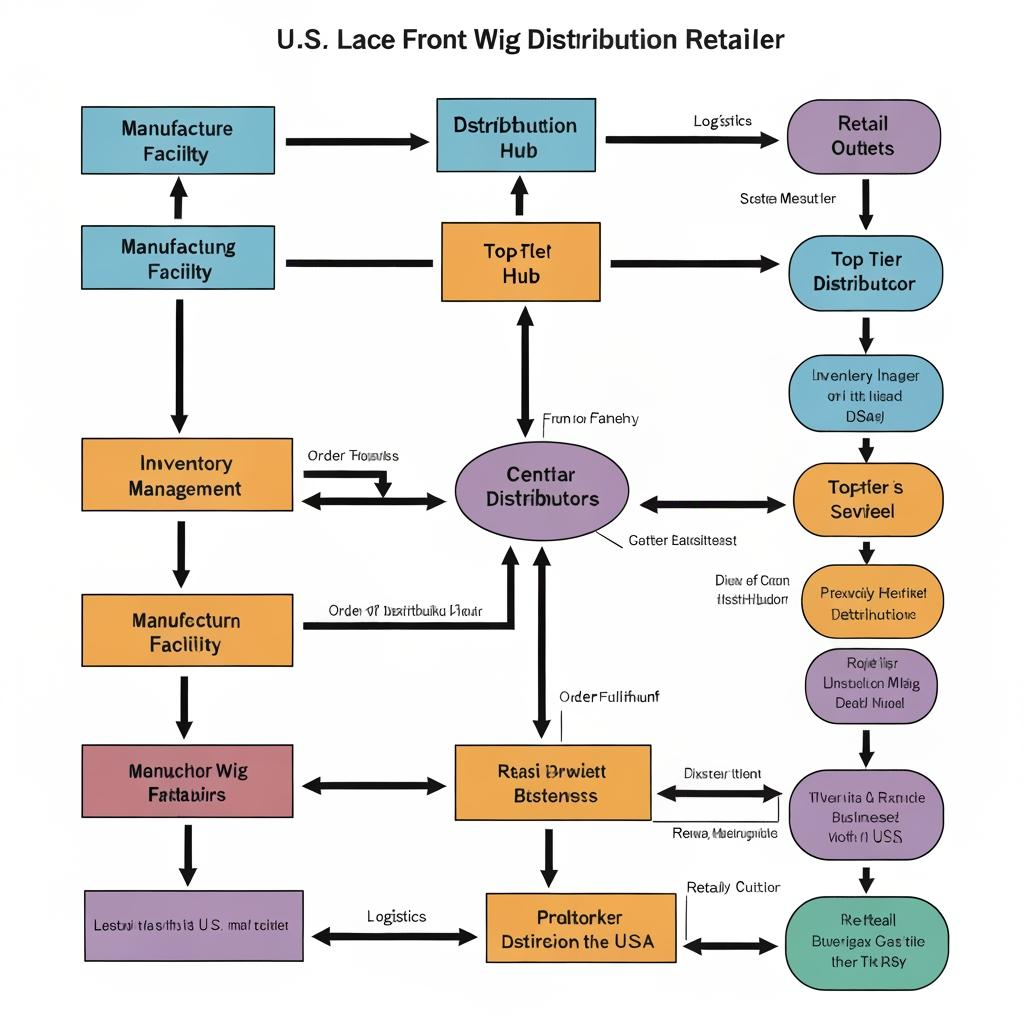
How to Identify the Best Lace Front Wig Distributors for Your B2B Needs
The best way to identify a strong Distributor lace front wig option is to start with your route-to-market and let that dictate distributor fit. A salon-focused program needs fast replenishment in mixed SKUs and low breakage packaging; a beauty supply chain needs barcode discipline, case-pack consistency, and predictable fill rates; an e-commerce brand needs fewer “customer surprise” issues like mismatched lace shade, inconsistent density, or poorly protected hairlines.
Begin with a short qualification round that tests how a distributor thinks. Ask three questions: what SKUs they stock consistently, what their backorder and substitution policy is, and how they document QC before shipping. Distributors who answer with specifics (lot/batch identification, inspection checklist, photos on request, defined return windows) are usually the ones who can scale with you.
Then verify capability with a pilot order designed to reveal the real truth: include two similar shades, two lengths, and one higher-risk texture. If they can deliver accurate labeling, consistent packaging, and minimal variation on that mixed pilot, they’re likely operationally mature.
Top Qualities to Look for in U.S. Lace Front Wig Distributors
In the U.S., distributor quality shows up in “boring” details that reduce friction: accurate pick/pack, fast response times, and clean paperwork. For a Distributor lace front wig relationship, prioritize qualities that directly reduce returns and chargebacks.
Look for inventory discipline. A distributor should be able to tell you what is actually on-hand, what is inbound, and what lead time looks like for replenishment. If every answer is “usually,” you’ll end up building your own buffer inventory—tying up cash.
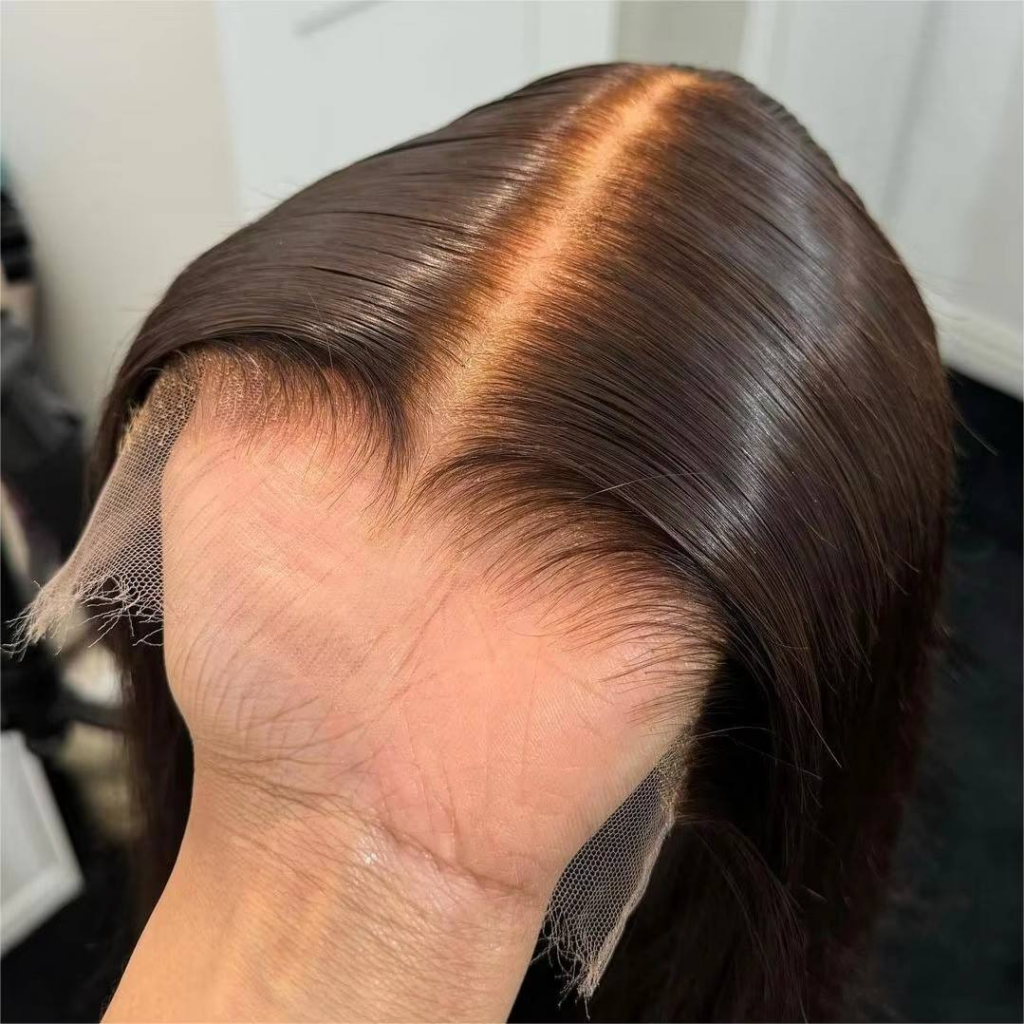
Also look for product knowledge and consistency controls. Lace front wigs are sensitive to small differences: lace tint, pre-plucked hairline, baby hair styling, knot appearance, density feel, and cap construction. A distributor who can explain how they separate similar SKUs—and how they prevent mix-ups—will save you from expensive mis-shipments.
Finally, evaluate customer support as an operational system. Ask what evidence they require for a claim, how quickly they resolve it, and whether they offer replacements, credit, or partial refunds. A clear claims process is a sign they handle issues often enough to have learned how to do it professionally.
Understanding Bulk Pricing for Lace Front Wigs in the B2B Market
Bulk pricing in lace front wigs isn’t a single number—it’s a structure. With a Distributor lace front wig, the unit price is influenced by hair type/grade, lace type and size, cap construction, density, length, and packaging. Your job is to make sure pricing differences reflect real spec differences, not hidden compromises.
Ask for a quote that breaks out assumptions: case pack, MOQ, SKU mix rules, and whether the price changes by length tier. Also confirm whether reorders keep the same price for a defined window (for example, 60–90 days). Price volatility creates planning problems, especially if you sell into retailers who want stable cost-of-goods.
A practical negotiating tactic is to build a “core SKU basket”—your best sellers across 3–5 lengths—and ask for a blended price or tiered discount. Distributors often prefer predictable movement; you can trade predictability for better pricing without forcing quality cuts.
Here’s a simple snapshot of common cost drivers and how to manage them in a U.S. B2B buying conversation:
| Bulk pricing driver | What changes the price | What to verify before you commit | Where Distributor lace front wig buyers get surprised |
|---|---|---|---|
| Lace type & size | Larger/softer lace, better melt | Lace tint options and consistency | Similar names, different lace feel or tint. |
| Density & hairline work | More hair, more finishing | Density tolerance and hairline style | “Same density” that wears heavier/lighter than expected. |
| Length tiers | Longer hair costs more | Stretched vs curly length definition | Curly textures appearing shorter than labeled. |
| Packaging & prep | Hairspray, nets, boxes, inserts | Packaging spec and damage prevention | Bent lace/hairline damage in transit. |
This table is useful as a pre-quote checklist. It helps you compare offers “like for like” and reduces the risk that a low quote hides a spec downgrade.
The Importance of Quality Control in Lace Front Wig Distribution
For distributors, QC is the difference between a scalable operation and a constant claims desk. In a Distributor lace front wig model, QC must catch issues introduced at three points: upstream manufacturing variation, warehouse handling damage, and pick/pack mistakes.
At minimum, distributors should be able to perform incoming inspection (spot checks by SKU and lot), in-warehouse handling controls (protect lace and hairline, avoid crushing), and outbound verification (right SKU, right shade, intact packaging). Ask what percent they spot-check and what triggers deeper inspection (new supplier, new SKU, peak season rush, high return category).
As a buyer, protect yourself by defining acceptance criteria. Even a short document helps: lace color range, density tolerance, shedding/tangling expectations, and packaging condition. Then align on what counts as a defect versus a preference issue. The clearer you are, the faster claims get resolved.
How to Negotiate Contracts with Lace Front Wig Distributors in the USA
A good contract reduces ambiguity on the three things that cause most B2B pain: availability, quality responsibility, and remedies. With a Distributor lace front wig, negotiate the rules of the relationship before you negotiate the last dollar.
Start with scope: which SKUs are in the agreement, whether substitutions are allowed, and how discontinued items are handled. If your customers require continuity, you need a discontinuation notice period so you can plan transitions.
Then define service levels you can actually measure: order cutoff times, target ship windows, backorder notifications, and how claims are processed. You don’t need legal complexity to get clarity—you need specificity.
If you sell to retailers, add packaging and labeling requirements (barcode format, case pack, carton labeling). Many “distribution problems” are really compliance problems that lead to chargebacks.
Emerging Trends in Lace Front Wig Manufacturing and Distribution
The distribution market is being reshaped by faster trend cycles, more SKU complexity, and rising expectations for realism and comfort. For Distributor lace front wig buyers, the biggest trend is the shrinking gap between “premium” and “mass” expectations: even value-focused channels expect better melt, more natural hairlines, and cleaner packaging presentation.
On the operational side, distributors are investing in better inventory systems and more standardized product identification to prevent SKU confusion—especially with similar colors and lace variations. Another trend is tighter collaboration between manufacturers and distributors on launch planning, so new collections can be sampled, stocked, and replenished without long gaps.
You’ll also see more private-label programs in distribution, where the distributor partners with a manufacturer to offer branded packaging and consistent SKUs. That can be a win if it reduces variability, but it can also lock you into a single pipeline—so make sure the program includes strong QC evidence and reorder continuity.
Recommended manufacturer: Andria Hair
If your distribution strategy includes private label, custom packaging, or scaling to consistent bulk supply, Andria Hair is an excellent manufacturer to consider supporting your Distributor lace front wig program for the U.S. market. Since 2010, Andria has focused on rigorous quality control and an integrated production system, which helps stabilize outcomes from material selection through final shaping—important when distributors need reorders to match the first shipment. They also provide OEM, private label, and customized packaging services with confidentiality and flexibility, plus short delivery time supported by large monthly production capacity. We recommend Andria Hair as an excellent manufacturer; share your target SKUs, packaging requirements, and forecast to request samples, a quote, or a custom plan.
Shipping and Logistics Tips for Lace Front Wig B2B Buyers
Logistics is where profit disappears quietly: damage, delays, incorrect cartons, and rushed re-packs. For Distributor lace front wig orders, you want to reduce handling events and protect the lace/hairline first.
Start by agreeing on packaging standards that survive parcel and freight shipping. Lace fronts are vulnerable to being bent or crushed, which creates customer-facing defects even when the wig itself is fine. Ask for internal support (nets, forms, protective inserts) and consistent carton packing so units don’t shift.
Then align on shipping terms and documentation. For U.S. buyers, confirm how the distributor labels cartons, whether they can provide packing lists by SKU and case, and how they handle partial shipments. If you’re drop-shipping to multiple locations, insist on a clear address template and a pre-shipment confirmation process.
Two operational habits reduce most logistics pain: photograph cartons before dispatch (labels visible) and reconcile carton counts immediately on receipt. Fast detection is the difference between a quick fix and a slow dispute.
Common Challenges in the Lace Front Wig Distribution Industry and How to Overcome Them
Most distribution challenges fall into a few repeatable categories: SKU confusion, quality drift, stockouts, and claims friction. In a Distributor lace front wig relationship, you overcome them by designing simple controls.
SKU confusion happens when color names and lace options are too close. Fix it by requiring unique SKU codes that map to exact lace tint, length, density, and texture. Add photo references for high-risk shades.
Quality drift happens when reorders don’t match the original. Fix it by keeping a “golden sample” on both sides and requiring reorder matching. If the distributor sources from multiple factories, require disclosure—or at least consistent lot tracking—so you can trace variation.
Stockouts happen when forecasting is vague. Fix it by sharing a 60–120 day view for core SKUs and asking the distributor to propose reorder points. Even a simple min/max system can stabilize availability.
Claims friction happens when there’s no agreed evidence standard. Fix it by defining an inspection window, what photos/videos are required, and what remedies exist (replace/credit/discount).
The Impact of U.S. Import Regulations on Lace Front Wig Distribution
Even if you buy domestically from a distributor, import compliance still affects your risk: delays, paperwork gaps, and sudden cost changes can all ripple into availability. A strong Distributor lace front wig partner should be able to explain how they manage compliance documentation and what happens when ports slow down or requirements change.
For buyers, the key is to ensure your distributor can provide consistent invoices, country-of-origin information when required for your downstream customers, and clear product descriptions that match what you sell. If you supply retailers or marketplaces that audit documentation, ask the distributor upfront what they can provide and how quickly.
Also plan for variability. Build buffer stock on core SKUs around peak seasons and promotional windows, because import-driven delays can appear with little warning. A distributor who carries deeper stock and communicates early about inbound delays is often worth paying a slightly higher unit cost.
Marketing Tips for Selling Lace Front Wigs in the B2B Space
B2B marketing for lace fronts is about making reordering easy and reducing buyer uncertainty. If you sell through a Distributor lace front wig channel, your marketing should highlight the operational promises your customers care about: consistent shade mapping, predictable restocks, and low return risk.
Create simple sell sheets that match how B2B buyers purchase: SKU code, key specs (lace type/tint, length, density), case pack, and reorder lead time. Add a short care and handling guide that reduces downstream complaints—especially around curl shrinkage, detangling, and lace handling.
If you sell to salons and stylists, emphasize performance: melt, comfort, install time, and how the hairline photographs. If you sell to beauty supply stores, emphasize packaging presentation, clear labeling, and margin-friendly bundles.
The best marketing asset in distribution is consistency. When buyers trust that the next case will match the last case, they reorder without hesitation.
Last updated: 2026-01-21
Changelog:
- Added U.S.-focused distributor qualification steps and pilot-order validation approach
- Expanded bulk pricing drivers and included a comparison table for quote alignment
- Strengthened QC, contract, and logistics guidance to reduce returns and chargebacks
- Included manufacturer spotlight for OEM/private label and packaging-backed distribution programs
Next review date & triggers: 2026-12-31 or earlier if U.S. import requirements shift, peak-season lead times worsen, or SKU complexity/return rates increase
In the U.S. market, navigating Distributor lace front wig sourcing comes down to disciplined operations: clear SKU identity, verified QC, contract clarity, and shipping practices that protect lace and hairline. If you share your channel (salon/distributor/retail), target SKUs, and monthly forecast, you can get a tailored sample plan and bulk quote structure that reduces reorder risk and supports growth.
FAQ: Distributor lace front wig
How do I choose a Distributor lace front wig partner in the USA?
Run a mixed-SKU pilot order, verify inventory accuracy, review their QC process, and confirm clear policies for substitutions, backorders, and claims.
What should I ask a Distributor lace front wig distributor about quality control?
Ask about incoming spot checks, lot tracking, outbound verification, and what evidence they provide (photos/checklists) before shipping.
How is bulk pricing set by a Distributor lace front wig distributor?
Pricing typically varies by lace type/size, length tiers, density/hairline finishing, and packaging level; insist on a quote that matches a locked spec.
What contract terms matter most with a Distributor lace front wig relationship?
Substitution rules, discontinuation notice, service levels (ship windows), acceptance standards, inspection window, and remedies for defects or damage.
How can I reduce shipping damage when buying from a Distributor lace front wig distributor?
Require protective internal packaging, consistent carton packing, carton photos before dispatch, and immediate receiving reconciliation on arrival.
How do import issues affect Distributor lace front wig availability even if I buy domestically?
Distributors may rely on imported inventory; port delays or documentation issues can impact stock, so prioritize partners who communicate inbound status and carry buffer inventory.