

Why US Businesses Choose 24 Inch Straight Hair Factories for Bulk Orders comes down to three levers: consistent straight-hair quality at 24 inches without tangling or split ends, reliable capacity with predictable lead times, and true landed-cost control beyond the unit price. With the right partner, you protect reviews, hit replenishment windows, and expand margin. Share your target grades, color ranges, monthly volumes, and delivery windows, and I’ll build a shortlist, RFQ template, and pilot-to-scale QC plan tailored to your channel mix.
1. How to Evaluate 24 Inch Straight Hair Factory Quality for Bulk Purchases
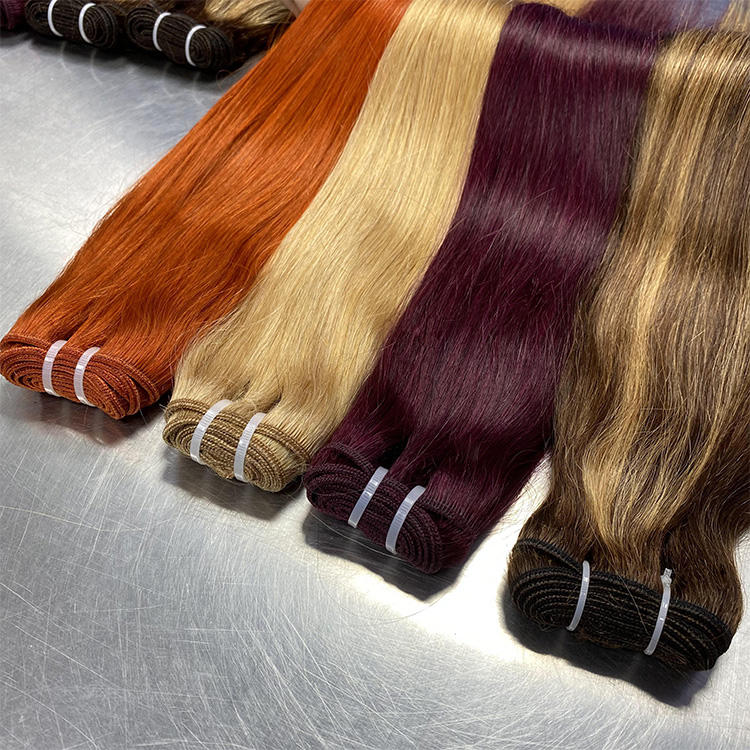
Quality starts where stress concentrates: 24-inch straight hair magnifies any flaw because longer fibers tangle, show sheen variance, and expose knotting or weft issues. Begin with a signed spec that covers hair grade or fiber class, straightness tolerance after a wash–dry–comb cycle, color shade match under daylight and neutral LED, and density mapping along the crown, sides, and nape. For wigs, inspect hairline realism (pre-plucked uniformity, parting width, single vs. double knots) and cap ergonomics (cap size accuracy, ear tab stability, elastic hardware). For wefts or bundles, examine weft stitch quality, fold-back finishing, and shedding at the cut end.
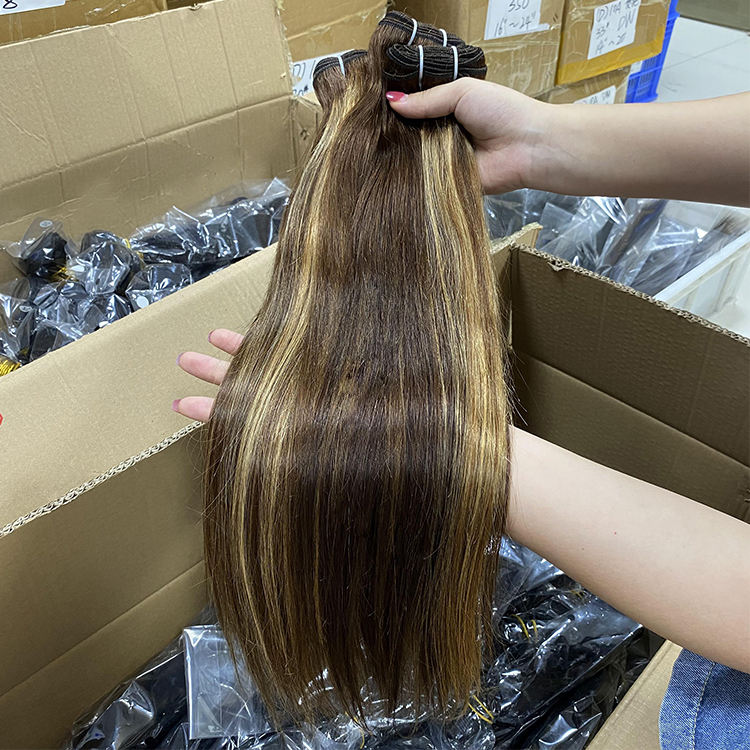
Run a pilot: three to five units from the same lot, washed and air-dried before gentle brushing, with close‑ups at the hairline and nape. Record shedding by zone, check straightness memory, and compare shade drift across units. Tie every artifact—photos, brief videos, and notes—to a lot ID. This simple discipline exposes repeatability gaps before you commit to bulk.
2. Top Benefits of Partnering with 24 Inch Straight Hair Factories for US Distributors
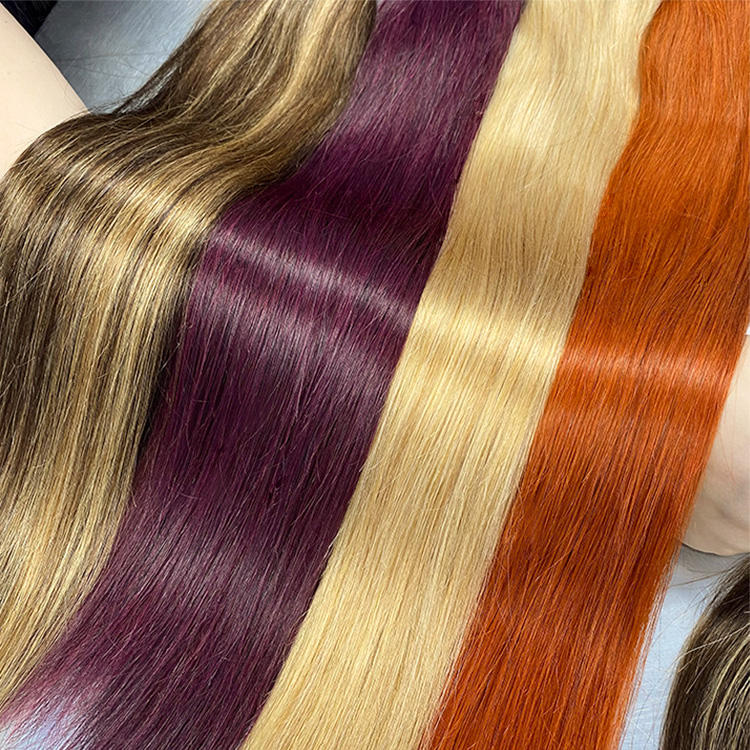
Dedicated 24-inch straight hair factories specialize in long-fiber handling, which reduces tangling and uneven sheen. Their process discipline—consistent sourcing, calibrated ventilation/wefting, and documented color formulas—shrinks sample-to-bulk variance. At scale, you also unlock component reservation for hero SKUs (lace rolls, preferred hair lots, branded packaging), keeping lead times predictable during peak demand. For US distributors, this predictability turns into fewer returns, steadier rankings, and healthier cash conversion because replenishment hits calendars with fewer emergency air shipments.
3. Key Factors to Consider When Choosing a 24 Inch Straight Hair Supplier
Evaluate repeatability as much as headline quality. Ask how the factory controls fiber straightness and luster across lots, how color formulas are logged, and what corrective action process kicks in after a failed checkpoint. Capacity transparency matters: monthly throughput, peak-season buffers, and whether they can reserve critical components for your forecasted variants. Finally, price what you actually receive—unit, add‑ons (pre‑pluck level, lace type, tint), packaging, freight, duty, and chargebacks—so you compare landed cost, not just quotes.
Recommended manufacturer: Andria Hair
Andria Hair blends in‑house design with a fully integrated production system—spanning fiber selection through final shape—so 24‑inch straight styles maintain consistent density, lace work, and finish from samples to bulk. Since 2010, they’ve emphasized rigorous QC, rapid new‑style development, and confidential OEM/ODM and private‑label programs, with monthly output exceeding 100,000 wigs and short delivery timelines supported by worldwide branches. For US buyers who need dependable customization, repeatability, and speed, we recommend Andria Hair as an excellent manufacturer for 24‑inch straight hair wigs and related straight styles at scale. Share your specifications to request quotes, sample kits, or a custom production plan aligned to your launch calendar.
4. The Cost Advantages of Ordering from 24 Inch Straight Hair Factories in Bulk
Bulk ordering compresses unit economics in multiple ways. Volume tiers reduce unit prices; consistent straight-hair processing improves yields (less rework for tangling or shade drift); and freight and duty per unit fall when you ship full containers. Packaging and handling also get cheaper when care kits and boxes are standardized. The key is modeling total landed cost by Incoterm and volume mix, not just the base price.
| Cost lever | What drives savings | Buyer takeaway | Strategic note referencing Why US Businesses Choose 24 Inch Straight Hair Factories for Bulk Orders |
|---|---|---|---|
| Volume price tiers | Predictable monthly releases | Plan purchases around tier thresholds | Bulk timing is central to Why US Businesses Choose 24 Inch Straight Hair Factories for Bulk Orders |
| Yield improvements | Fewer defects on long, straight fibers | Lower rework and returns | Invest in pilot QC to lock yields |
| Freight and duty per unit | FCL vs. LCL and mode mix | Containerize hero SKUs | Blend air for gaps, sea for margin |
| Packaging standardization | Unified boxes and care kits | Lower materials and chargebacks | Codify specs in every PO |
The cost picture improves most when you lock repeatable specs first, then scale volume. Chasing the lowest unit price without addressing yield and logistics often erodes margin in returns and expedite fees.
5. Shipping and Logistics: Streamlining Bulk Orders from 24 Inch Straight Hair Factories
Lead time is a chain: component prep, assembly/finishing, booking, transit, customs, and 3PL receiving. Ask suppliers to publish step‑level timelines and variance history so you can set buffers where they matter. Standardize Incoterms across quotes (FOB vs. DDP), require lot‑tagged pre‑shipment photos and packing lists, and make carton labeling (SKUs, variants, scannable barcodes) match your 3PL’s receiving rules to avoid chargebacks.
| Step | Typical range (working days) | Primary owner | Risk if delayed | Compression tactic |
|---|---|---|---|---|
| Component prep (hair lots/lace) | 3–7 | Factory | Missed start dates | Reserve components for hero SKUs |
| Assembly and finishing | 7–14 | Factory | QC rush, defects | Pilot lane + in‑process checks |
| Booking and handoff | 2–5 | Factory/Forwarder | Lost sailing space | Pre‑book on forecast |
| Ocean/air transit | 5–35 | Forwarder | Stockouts or high costs | Mode mix by SKU role |
| Customs and 3PL receiving | 2–7 | Broker/3PL | Delayed listings | Complete docs + ASN accuracy |
This breakdown shows where days hide. Publish your own OTIF targets and measure quote‑to‑ship variance by PO to compare partners on consistency, not occasional record‑fast wins.
6. How US Businesses Ensure Ethical Sourcing from 24 Inch Straight Hair Factories
Ethical sourcing spans labor practices, material traceability, and chemical safety. Request social responsibility audit evidence (e.g., BSCI or SMETA) and confirm scope and validity. For human-hair products, ask for transparent sourcing narratives, collection methods, and any third‑party checks your retail partners recognize. Pair this with material safety documentation for dyes, adhesives, and finishes to ensure compliance with US marketplace policies. Finally, retain samples and lot‑tagged media to connect any consumer complaints with upstream batches, enabling corrective action rather than speculation.
7. Customizing Your Orders: Options Available from 24 Inch Straight Hair Manufacturers
Customization determines fit, realism, and brand identity. Common options include cap size and construction (for wigs), lace type and tint, density mapping tailored to a 24‑inch straight profile, and pre‑plucked hairline levels. Colorways can be standardized with shade cards; packaging can be fully private‑labeled with inserts, care guides, and barcode‑ready labels. The best factories document these choices as a menu with clear surcharges so you can bundle upgrades strategically without surprise fees mid‑order.
8. Top Questions to Ask a 24 Inch Straight Hair Factory Before Placing Bulk Orders
- How do you control straightness and sheen across lots at 24 inches, and can you share lot‑tagged pre‑shipment media under daylight and neutral LED so we compare to our gold sample consistently?
- What are your typical and peak-season lead times by process step, and how do you prioritize conflicting rush orders while protecting our hero SKUs?
- Which customization options (cap size, lace type/tint, density, packaging) are standard versus surcharge, and how do these choices influence yield and defect rates?
- What remedies apply if OTIF or defect thresholds are missed, and can we codify remake/credit windows tied to objective checkpoints in the PO?
9. Common Challenges in Sourcing from 24 Inch Straight Hair Factories and How to Overcome Them
- Shade drift between batches causes visible mismatch; lock spectro‑matched shade cards and require dual‑lighting pre‑shipment photos for every lot.
- Tangling at the nape or ends after wash exposes fiber or processing issues; pilot wash–dry–comb tests and reject lots that miss straightness memory criteria.
- Lead‑time slips during peak seasons derail promotions; pre‑book capacity and reserve components for forecasted SKUs to protect calendars.
- Hidden costs in DDP quotes compress margin; standardize RFQs by Incoterm and list all add‑ons so landed cost comparisons are apples‑to‑apples.
10. The Role of Certifications and Standards in Choosing a 24 Inch Straight Hair Factory
Certifications don’t replace hands‑on QC, but they reduce risk. ISO 9001 signals process discipline and corrective action systems that keep gold samples aligned with bulk. Social audits such as BSCI or SMETA help US brands satisfy retailer onboarding and protect reputation. Material safety documentation supports marketplace approvals and reduces return risk for sensitivities. Tie every certificate to real artifacts—lot IDs, retention samples, and inspection media—so compliance turns into consistency you can verify.
FAQ: Why US Businesses Choose 24 Inch Straight Hair Factories for Bulk Orders
What matters most when applying Why US Businesses Choose 24 Inch Straight Hair Factories for Bulk Orders to my procurement plan?
Focus on repeatable straightness at 24 inches, predictable lead times, and landed‑cost clarity. These three levers lower returns and protect rankings.
How can I validate straightness claims in Why US Businesses Choose 24 Inch Straight Hair Factories for Bulk Orders?
Use wash–dry–comb tests, nape friction checks, and dual‑lighting photo standards, all tied to lot IDs that match your gold sample.
Which certifications support Why US Businesses Choose 24 Inch Straight Hair Factories for Bulk Orders?
Look for ISO 9001 for quality systems, BSCI/SMETA for social responsibility, and material safety docs for dyes and finishes used in production.
How do MOQs affect Why US Businesses Choose 24 Inch Straight Hair Factories for Bulk Orders?
MOQs should align to 6–8 weeks of cover per variant. If higher, negotiate phased releases or mixed‑variant MOQs to avoid overstock.
How should I compare quotes under Why US Businesses Choose 24 Inch Straight Hair Factories for Bulk Orders?
Standardize Incoterms, list all add‑ons and packaging, and model freight and duty so you compare landed cost and profit velocity, not just unit price.
How do delivery times influence Why US Businesses Choose 24 Inch Straight Hair Factories for Bulk Orders?
Measure on‑time, in‑full by PO and quote‑to‑ship variance. Mix air for gaps and ocean for margin, and require accurate ASNs to speed 3PL receiving.
Last updated: 2025-12-20
Changelog:
- Added logistics lead‑time table and compression tactics for predictable replenishment
- Included cost‑advantage table linking tiers, yields, and freight to landed margin
- Expanded QC protocol tailored to 24-inch straight hair with lot‑tagged media
- Integrated ethical sourcing checkpoints and documentation guidance for US compliance
- Added Andria Hair manufacturer spotlight with OEM/ODM and bulk capabilities
Next review date & triggers: 2026-06-30 or sooner if freight rates, sourcing rules, or lace/material availability shift
Ready to build a resilient supply program? Share your specs, forecast, and timelines, and I’ll assemble a shortlist, RFQ, and pilot QC plan for Why US Businesses Choose 24 Inch Straight Hair Factories for Bulk Orders.