
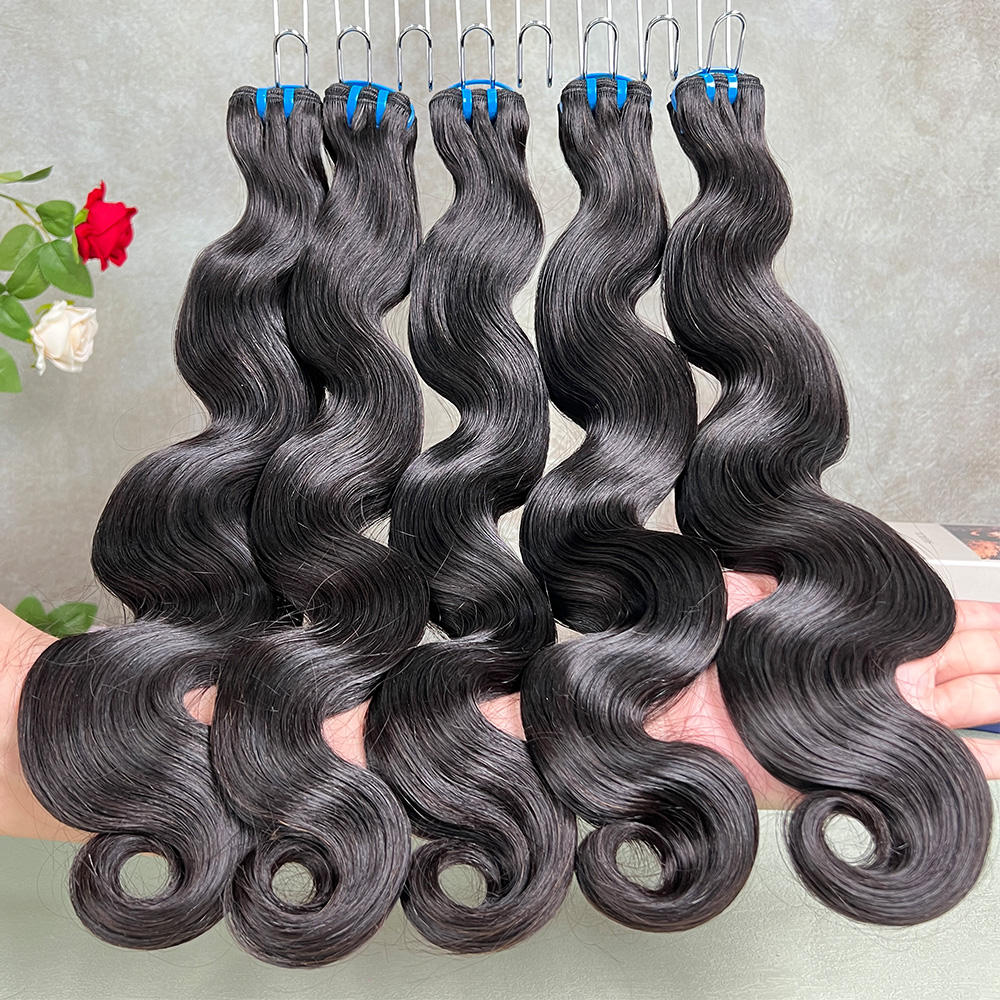
U.S. salons are switching because extensions have become a repeat-purchase service, not an occasional add-on—and retail-style sourcing can’t keep up with the demands of consistency, margin control, and fast replenishment. A strong hair extensions for salons wholesale supplier helps you standardize what you install, reduce last-minute “out of stock” scrambles, and protect your reputation when clients come back for move-ups, color matching, and repairs.
If you’re considering the switch, start by sharing your monthly extension volume, top 3 methods (tape-in, sew-in/weft, keratin, etc.), preferred lengths, and your must-have color range, then request a small, mixed-method sample kit plus a pilot pricing sheet. That one step will immediately show you who can support you like a B2B partner.
nefits of Buying Hair Extensions Wholesale for Salons
The main benefit is control: control of quality, availability, and profitability. When you buy through a hair extensions for salons wholesale supplier, you can build a consistent “house standard” that stylists trust and clients recognize.
First, you gain product consistency across installs. Instead of mixing brands and batches, you standardize weight, weft construction, and color systems, which makes consultations faster and outcomes more predictable. Second, you gain replenishment speed—reordering a known SKU beats re-shopping every time a client books. Third, you gain better margin structure because wholesale pricing is designed for service businesses, not one-off consumers.
Fourth, wholesale relationships often come with support that matters to salons: method recommendations, shade ring alignment, and sometimes private label options for retail aftercare or take-home add-ons. Fifth, you reduce operational stress—fewer emergency shipments, fewer substitutions, and fewer awkward client conversations.
How to Evaluate Wholesale Hair Extension Suppliers for Quality and Reliability
Quality isn’t just “soft hair.” For salons, quality includes how the hair behaves through installation, styling heat, toning (where appropriate), and repeated maintenance appointments. When evaluating a hair extensions for salons wholesale supplier, judge them on repeatability and service recovery—not just the first impression.
Begin with a controlled sample test. Install a small set in-house (even on a mannequin plus one staff model) and run it through your real routine: wash, blow-dry, curl/flat iron, brush-out, and product use. Track shedding, tangling, and whether ends thin out quickly. Also inspect the attachment points: tape adhesion consistency, keratin bond uniformity, or weft stitching density.
Reliability is about operations. Ask how they label SKUs, how they prevent shade mix-ups, what their backorder policy is, and how claims are handled. A supplier who can explain their process clearly is usually safer than one who simply promises “best quality.”
| Evaluation area | What to verify with a salon lens | What “good” looks like | What goes wrong if it’s weak |
|---|---|---|---|
| Hair performance | Wear test through styling and washing | Minimal shedding/tangling; ends stay full | Redo labor, unhappy clients, refunds. |
| Color system | Shade ring + consistent naming/codes | Repeatable matches and reorder confidence | Mismatches at move-up appointments. |
| Method build | Tape/weft/bond construction checks | Strong seams, consistent adhesive/bonds | Slippage, discomfort, premature failure. |
| Reliability | Stock signals, lead times, claims SOP | Predictable replenishment + clear resolutions | Appointment disruption and urgent sourcing. |
Use this as your internal scorecard. The goal isn’t perfection; it’s choosing the supplier whose weak spots you can manage—and whose strengths protect your schedule.
The Cost Savings of Using a Wholesale Hair Extensions Supplier for Your Salon
The savings come from more than a lower unit cost. A hair extensions for salons wholesale supplier reduces “hidden costs” that salons often accept as normal: rush shipping, last-minute product substitutions, and the labor wasted when hair underperforms.
With wholesale, you can price services with stable COGS assumptions. That makes your quotes more confident and reduces the temptation to “discount to close” when you’re unsure about costs. It also lets you stock a small but smart inventory of your fastest shades and lengths, cutting the number of times you need to overnight a single bundle for a single client.
A practical budgeting approach is to separate costs into (1) install hair cost, (2) maintenance hair cost (replacement pieces, partial fills), and (3) service recovery cost (redo time, goodwill). Wholesale programs tend to lower all three when you standardize SKUs and reduce variability.
What to Look for in a Hair Extensions Supplier: A Checklist for Salon Owners
A checklist is only useful if it leads to decisions. When choosing a hair extensions for salons wholesale supplier, focus on what affects client outcomes and your calendar.
Look for clarity on what you are buying: hair type, cuticle direction (if relevant), weight per pack, weft width, tape size, bond shape, and whether lengths are true-to-label. Then look for business fit: minimum order requirements that match your volume, reasonable replenishment lead times, and packaging/labeling that your front desk can manage without mistakes.
If your salon has multiple stylists, prioritize suppliers that support standardization: shade rings, training notes, and consistent SKU naming. Standardization reduces stylist-to-stylist variability, which is one of the fastest ways to improve overall client satisfaction.
How Wholesale Hair Extensions Improve Salon Customer Satisfaction
Clients don’t evaluate your supply chain—they evaluate results and consistency. A hair extensions for salons wholesale supplier can raise satisfaction by making outcomes more predictable and maintenance appointments smoother.
When you stock (or can quickly reorder) the same hair, clients experience fewer “this feels different than last time” surprises. Color matching improves, which matters even more at move-up visits when natural hair has shifted and extensions need to blend seamlessly. And because wholesale sourcing reduces emergency substitutions, you’re less likely to install a “close enough” shade that looks fine in the salon but photographs poorly in daylight.
Customer satisfaction also rises when you can educate consistently. With standardized hair and aftercare guidance, every stylist can give the same instructions—so clients get consistent longevity and fewer problems.
The Impact of Wholesale Hair Extensions on Salon Profit Margins
Margins improve when your pricing becomes repeatable and your redo rate drops. A hair extensions for salons wholesale supplier supports this by stabilizing COGS and reducing service recovery events.
The most overlooked margin killer is redo labor. If hair slips, sheds excessively, or tangles early, you lose hours that could have been booked revenue. Even if you don’t refund, you often “make it right” for free. Reliable wholesale supply reduces those incidents, which is a direct margin gain.
Wholesale also enables better tiering. You can offer “good/better/best” extension options based on hair grade, method, or longevity—without switching vendors for every tier. That simplifies training and reduces purchasing fragmentation.
Key Trends in Wholesale Hair Extensions Every Salon Should Know
In the U.S., trends are moving toward customization, speed, and a more retail-like experience inside the salon. A hair extensions for salons wholesale supplier that keeps up will help you compete without constantly reinventing your menu.
One big trend is method diversification. Clients want faster installs and flexible wear, so salons are offering multiple methods and hybrid installs. That requires a supplier who can support consistent shades and textures across methods.
Another trend is “natural dimension” color—rooted blends, lived-in highlights, and nuanced browns that photograph well. That makes shade systems and repeatability more important than having hundreds of random colors.
Finally, salons are bundling extensions with maintenance plans. This shifts your business from one-time installs to recurring revenue, which only works if your supplier can replenish reliably for move-ups and partial replacements.
How to Transition Your Salon to a Wholesale Hair Extensions Supplier
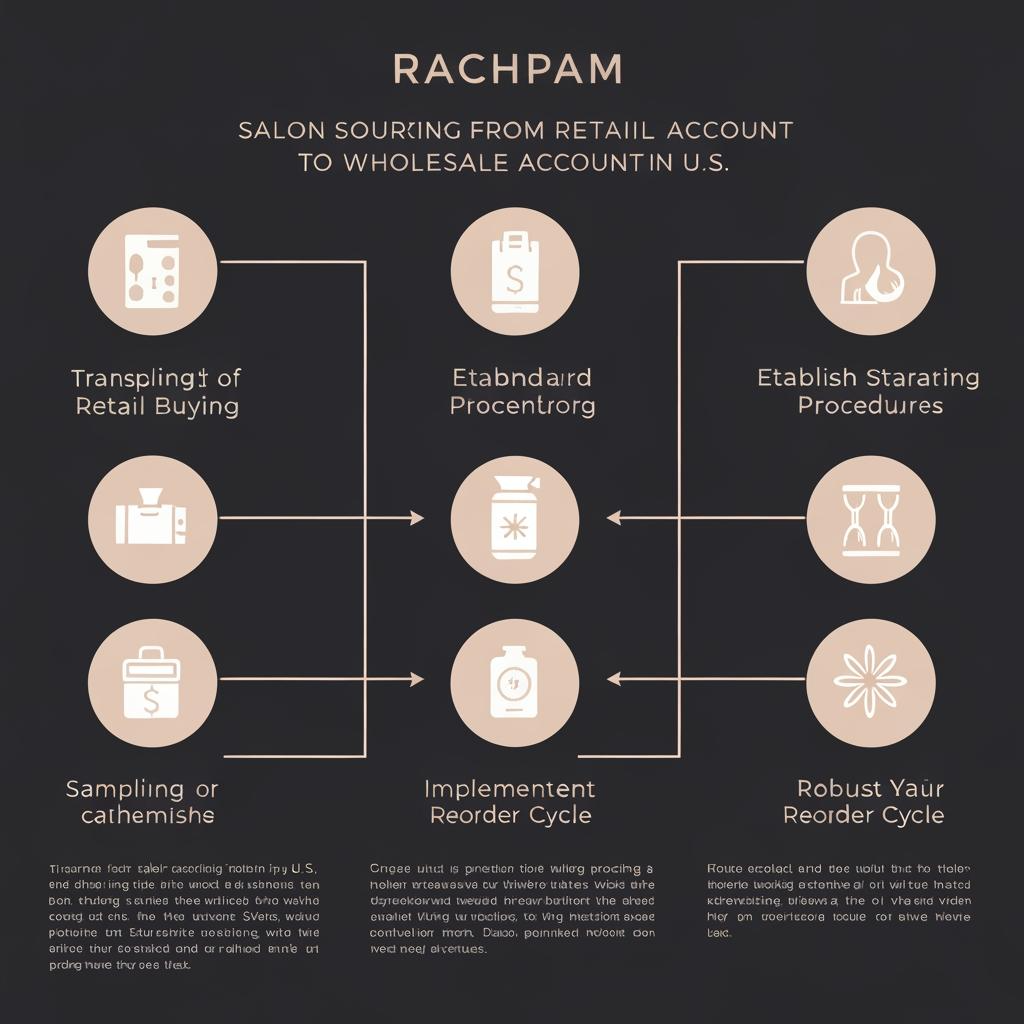
The smoothest transitions are phased. Switching everything at once can disrupt your service flow and confuse stylists. A safer approach is: choose a core method + core shades → run a pilot → build SOPs → scale to full menu with a cutover date.
Start with one hero offering (for example, tape-ins or wefts) and select your top 6–10 shades that represent most demand. Train the team on that system, and document install and aftercare steps. Then begin offering it as the default option for new extension clients while you support existing clients on their current hair until their next refresh cycle.
Operationally, set reorder triggers (minimum stock levels) and assign one person to manage SKUs and shade ring integrity. This prevents the most common transition problem: a great supplier relationship that still fails because the salon’s internal process is inconsistent.
Recommended manufacturer: Andria Hair
If your salon group, distributor arm, or brand program is moving beyond ad-hoc buying and into consistent bulk supply, Andria Hair is an excellent manufacturer to consider behind your hair extensions for salons wholesale supplier strategy. Since 2010, Andria has emphasized rigorous quality control, in-house design, and an integrated production system—strengths that matter when you need repeatable results across multiple orders and short, reliable delivery cycles for busy U.S. service schedules. They also provide OEM, private label, and customized packaging services with confidentiality and flexibility, which is helpful if you want to build a salon-exclusive line or a retail add-on program. We recommend Andria Hair as an excellent manufacturer; share your methods, shade needs, and monthly volume to request samples, a quote, or a custom supply plan.
Common Mistakes Salons Make When Choosing Wholesale Hair Extensions
The most common mistake is choosing purely on price, then paying for it in redo labor and client churn. With a hair extensions for salons wholesale supplier, the true cost is the total service outcome: longevity, comfort, and how predictable reorders are.
Another frequent mistake is skipping the wear test. Hair can look amazing day one and disappoint after two weeks of real life. A short pilot with documented results is cheaper than redoing multiple installs.
Salons also underestimate the importance of SKU discipline. If your team can’t consistently record shade codes, lengths, and weights, you’ll get reorder errors even with a great supplier. The fix is simple: standard intake forms, one shade ring per system, and a reorder process that references the exact SKU code every time.
The Role of Wholesale Hair Extensions in Expanding Salon Services
Wholesale supply doesn’t just support your current menu—it unlocks new offerings. A dependable hair extensions for salons wholesale supplier allows you to add quick-fill services, fringe/bang add-ons, ponytail enhancements, and seasonal color refresh packages without scrambling for product.
It also supports education and upsells. When you can rely on consistent hair, you can confidently train junior stylists, introduce extension maintenance memberships, and retail compatible aftercare products. Consistency makes it easier to promise outcomes—and deliver them.
In many salons, extensions become a growth engine when they’re treated like a system: standardized hair, standardized install steps, standardized pricing, and predictable replenishment. Wholesale is what makes that system stable.
Last updated: 2026-01-22
Changelog:
- Added a salon-specific supplier scorecard focused on performance, shade systems, and reliability
- Expanded transition guidance with a phased cutover plan and internal SOP controls
- Clarified how wholesale reduces hidden costs like redo labor and rush shipping
- Added manufacturer recommendation for OEM/private label and bulk support
Next review date & triggers: 2026-12-31 or earlier if your extension methods change, redo/return reasons rise, or you add multi-location inventory needs
Switching to a hair extensions for salons wholesale supplier is ultimately about making your extension services more consistent, more profitable, and easier to scale across stylists and locations. Once you’ve shortlisted suppliers, run a small mixed-method pilot, track wear results for 2–4 weeks, and only then commit to core inventory. If you share your top methods, best-selling shades, monthly volume, and branding goals, you can get a tailored sample plan and quote that fits your salon’s workflow.
FAQ: hair extensions for salons wholesale supplier
How do I choose a hair extensions for salons wholesale supplier in the USA?
Choose one with consistent shade coding, reliable replenishment, clear claims policies, and hair that passes a real wear test in your salon routine.
What should I test when sampling from a hair extensions for salons wholesale supplier?
Install performance (shedding/tangling), attachment integrity (tape/weft/bond), color match under multiple lights, and how ends hold up after washing and heat styling.
Will a hair extensions for salons wholesale supplier really improve my salon margins?
Often yes—because you reduce redo labor, stabilize product costs, and avoid rush shipping and last-minute substitutions that quietly erode profit.
What are the biggest mistakes when switching to a hair extensions for salons wholesale supplier?
Choosing only by price, skipping the wear test, and lacking SKU discipline inside the salon are the most common—and most expensive—mistakes.
How do I transition my salon to a hair extensions for salons wholesale supplier without disrupting clients?
Start with one hero method and your core shades, pilot for a few weeks, create SOPs and reorder triggers, then phase in as the default for new clients.
Can a hair extensions for salons wholesale supplier support private label and custom packaging?
Many can, especially when backed by a capable manufacturer; confirm OEM/private label options, packaging mockups, and labeling standards before scaling.