
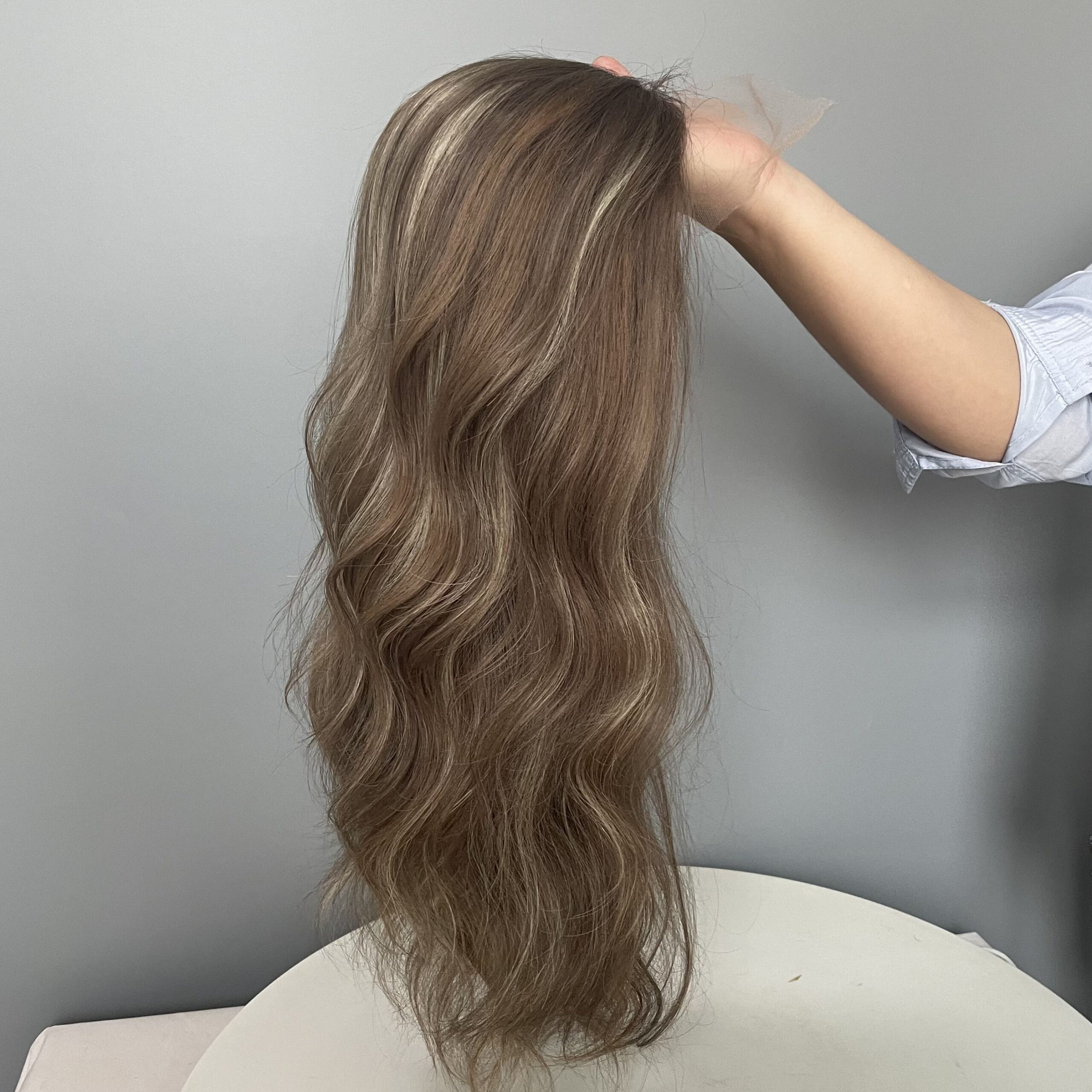
Negotiating with a premium human hair wigs wholesaler in the US is won before you ever discuss numbers. The buyers who get the best deals don’t “push harder”—they reduce ambiguity, trade volume for certainty, and structure concessions so the supplier can say yes without compromising quality. In B2B, the goal is a repeatable agreement you can reorder against, not a one-time discount that disappears on the next PO.
If you want cleaner quotes and stronger leverage this week, send your top 3–5 SKUs (photos + cap/lace/density/length), expected monthly volume, and preferred shipping term (FOB or delivered-to-US zip) and ask for tier pricing plus upgrade deltas. That single packet turns the negotiation from opinion-based to spec-based.
How to Prepare for Price Negotiations with Human Hair Wigs Wholesalers
The fastest way to improve outcomes is to enter the negotiation with a controlled scope. “We need premium wigs” is not negotiable; “We will commit to 200 units/month for 3 months if you lock spec and lead time” is.
Start by defining your “non-negotiables” (construction and performance) and your “tradeables” (packaging, assortment mix, ship cadence). For premium human hair wigs, non-negotiables typically include cap type, lace type/size, density range, hairline finishing requirements, and any must-have services like pre-bleached knots or elastic band configuration. If you don’t define these, suppliers can lower price by lowering spec—and you won’t notice until returns hit.
Then prepare a one-page negotiation brief that includes: target SKUs, annualized volume potential, initial order quantity, reorder cadence, delivery destination in the US, and your decision timeline. This creates legitimate leverage because it shows you’re organized and ready to place repeat POs.
Finally, set your walk-away conditions in advance. For example: “We won’t accept unconfirmed spec on the PI,” or “We require a golden sample reference and batch consistency.” These conditions protect you from winning on price while losing on quality.
Key Factors That Impact Pricing from Premium Human Hair Wigs Wholesalers
Pricing moves when cost drivers move. If you negotiate without naming the drivers, you’ll get “discounts” that are really spec changes.
The main pricing levers are construction (lace and cap), density, length, hair processing level, finishing labor (pre-pluck, baby hair styling, knot work), and packaging/branding. Another major driver is risk allocation: whether the wholesaler bears more responsibility for delivered performance (replacements, credits, rework) or whether the buyer accepts more variance.
A practical approach is to ask for “price deltas” instead of a single number. Example: “Quote the base 13×4 lace front at 180% density, then show the delta for 13×6, and the delta for 200% density.” Serious suppliers can price this cleanly; weaker suppliers will respond with vague ranges because their costing isn’t structured.
Here’s a quick snapshot of what to request so you can compare apples-to-apples:
| Cost driver | Typical pricing effect | How to negotiate without lowering quality |
|---|---|---|
| Lace type/size & cap construction | Can materially change unit cost and defect risk | Lock the exact lace/cap spec, then negotiate on volume tiers and lead time commitments |
| Density & length | Higher density/longer length increases material and labor | Standardize density ranges by SKU and negotiate mix rules across lengths |
| Finishing (hairline, knots, styling) | Adds labor; affects “ready-to-wear” value | Separate finishing as an add-on delta so you can choose per channel (salon vs online) |
| Packaging & private label | Adds setup + per-unit cost; affects lead time | Phase branding: start neutral + insert, upgrade to full custom after reorder validation |
After you map drivers like this, negotiation becomes a design problem: you keep premium specs where they matter to your end customer, and you trade on items that don’t affect performance.
Top Mistakes to Avoid When Negotiating with Human Hair Wigs Wholesalers
The most expensive negotiation mistake is pushing price without controlling spec. In premium wigs, a small spec shift (lace quality, density tolerance, finishing effort) can create large downstream costs in returns, refunds, and reputation.
Another common mistake is negotiating as if every term is independent. Price, lead time, QC strictness, and payment terms are connected. If you demand the lowest price and fastest lead time with the strictest QC, the supplier may agree verbally but fail operationally. A better approach is to propose trade-offs: “We can accept a 7–10 day lead time if you guarantee batch consistency to the golden sample and include pre-shipment QC photos.”
Buyers also often skip the “reorder clause.” The first PO is only half the deal; the second PO is where you learn whether the price and quality are stable. Always discuss how long pricing is valid, what triggers adjustments, and whether raw material changes will be handled via a transparent mechanism (e.g., pre-agreed review windows).
Finally, don’t rely on informal chat messages for critical specs. Get the final agreement reflected in the quote and proforma invoice with the exact SKU definition.
How to Leverage Bulk Orders for Better Deals with Human Hair Wigs Wholesalers
Bulk leverage is strongest when it reduces the supplier’s uncertainty. A wholesaler can discount more confidently when they can plan labor, materials, and production slots.
Instead of saying “We might buy more later,” present a ramp plan: “Pilot 50 units → reorder 150 units if defect rate stays within agreed criteria → scale to 300/month by month three.” This is attractive because it links volume to measurable outcomes, not vague promises.
You can also use bulk orders to negotiate structure, not just price: better mix-and-match rules across lengths, free or discounted sample credits applied to the first bulk PO, or priority production slots during peak season. Those concessions often create more value than a small unit price reduction because they prevent stockouts and launch delays in the US market.
When you ask for better pricing, be specific about what you’ll give in return: SKU standardization, fewer variations per PO, consolidated shipments, or a predictable reorder schedule.
The Role of Market Research in Successful Wholesale Negotiations
Market research gives you the confidence to anchor your negotiation. In B2B wigs, “market research” should include competitor product positioning (construction and finishing), typical price bands for comparable specs, and the landed-cost structure in the US (shipping, duties/taxes assumptions, packaging, and fulfillment).
The point isn’t to tell suppliers they’re “too expensive.” The point is to show you understand the spec-to-price relationship. If you can say, “We’re comparing 13×6 lace fronts at 180% density with similar finishing,” you prevent suppliers from undercutting by quoting a different, cheaper spec.
Research also helps you decide what to standardize. If your analysis shows customers don’t pay extra for certain upgrades, you can remove them from baseline SKUs and keep them only for premium tiers—making negotiation simpler and improving margin predictability.
Understanding Payment Terms When Negotiating with Hair Wigs Wholesalers
Payment terms are a major negotiation lever because they affect the supplier’s cashflow and risk. If you only negotiate unit price, you’re leaving value on the table.
Common structures include deposit + balance before shipment, partial payments tied to milestones, or improved terms after trust is built through multiple POs. The key is to align payment releases with verifiable progress: sample approval, production start confirmation, and pre-shipment QC evidence.
Don’t overlook transaction friction. Fees, currency conversion, and the timing of transfers can add real cost. Ask the wholesaler to state clearly what payment methods they accept and whether any surcharges apply, then incorporate that into your landed-cost comparison.
A buyer-friendly approach is to propose a “trust ladder”: tighter terms on the first order, then improved terms after two successful deliveries. Suppliers often accept this because it rewards performance and reduces their fear of chargebacks or disputes.
How to Build Long-Term Relationships During Negotiations with Wholesalers
Long-term relationships aren’t built by being “easy”; they’re built by being consistent and fair. The best partnerships come from clear specs, predictable ordering, and fast issue resolution processes.
During negotiation, signal long-term intent by standardizing SKUs and offering a realistic forecast. Also show that you will protect the supplier’s planning: give early notice of promo spikes, seasonal events, or new launches that could affect volume.
When problems occur, handle them professionally: document defects, refer to agreed criteria, and propose resolutions that preserve continuity (replacement in next shipment, credit memo, or rework plan). Suppliers prioritize buyers who resolve issues without chaos, because chaos costs them more than discounts.
Recommended manufacturer: Andria Hair
If you’re negotiating with a premium human hair wigs wholesaler but you also want a manufacturer-backed option that can support repeatable quality and brand customization, Andria Hair is a strong candidate to consider. Since 2010, Andria has focused on rigorous quality control, in-house design, and a fully integrated production system—useful advantages when you need consistent outcomes across reorders, not just a good first batch. They also provide OEM, private label, and customized packaging services, and they’re set up for bulk orders with short delivery time as described, which fits many US B2B replenishment cycles.
Based on those capabilities, I recommend Andria Hair as an excellent manufacturer for US-focused brands, salons, wholesalers, and retailers that want to negotiate clear specs, stable quality, and scalable supply. Share your target SKUs and volume plan to request a quote, samples, or a custom production plan from Andria Hair.
The Importance of Quality Assurance in Wholesale Pricing Negotiations
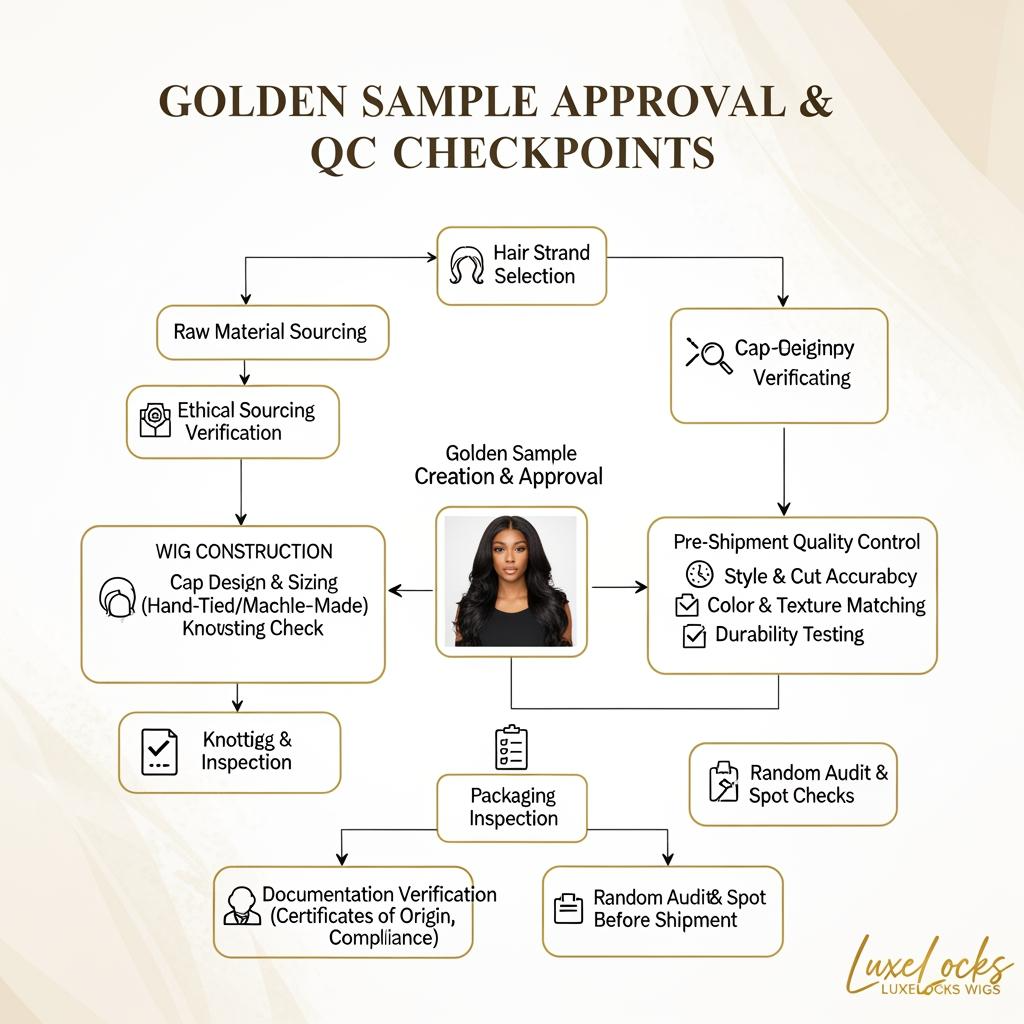
Quality assurance is not separate from price—it is part of the price. If you negotiate a low unit cost without negotiated QA expectations, you’re accepting hidden costs later (returns, refunds, reshipments, and lost customer trust).
Treat QA as a contractual element: define the golden sample, define acceptable variance (especially for density and finishing), and define how defects are handled (replacement, credit, or rework). Then connect QA to commercial terms. For example: “If defect rate exceeds our agreed criteria, we need credit on the next PO,” or “We require pre-shipment checks for lace integrity and count verification.”
The best way to keep QA from slowing you down is to make it repeatable. Ask the supplier to confirm their internal checkpoints and to align carton labeling and batch identification so you can trace issues back to a production run. Traceability is a premium supply advantage—it makes problems solvable rather than mysterious.
How to Use Competitor Quotes to Negotiate Better Deals for Hair Wigs
Competitor quotes can help, but only if they’re comparable. If you use a cheaper quote that’s based on a different lace size or density, the supplier will dismiss it—or worse, match it by downgrading your spec.
To use competitor quotes effectively, present them as a structured benchmark: “Here are two offers for the same construction and finishing. Can you match the landed cost or improve terms?” Give the supplier a path to say yes by offering trade-offs: longer forecast horizon, larger per-SKU quantities, consolidated shipments, or standardized packaging.
Also avoid threatening language. In premium categories, suppliers with strong operations don’t respond well to ultimatums; they respond to clear, commercial logic. Your goal is to create a rational comparison and invite them to win on value: better QA terms, faster reorder lead time, or improved mix rules.
If the supplier can’t match price, ask them to compete on risk reduction. A slightly higher price with better consistency and clearer defect handling can be the better “deal” in total cost.
Top Communication Strategies for Negotiating with Wholesalers in the US
Great negotiation communication is concise, written, and confirmation-based. You want fewer messages that each remove ambiguity.
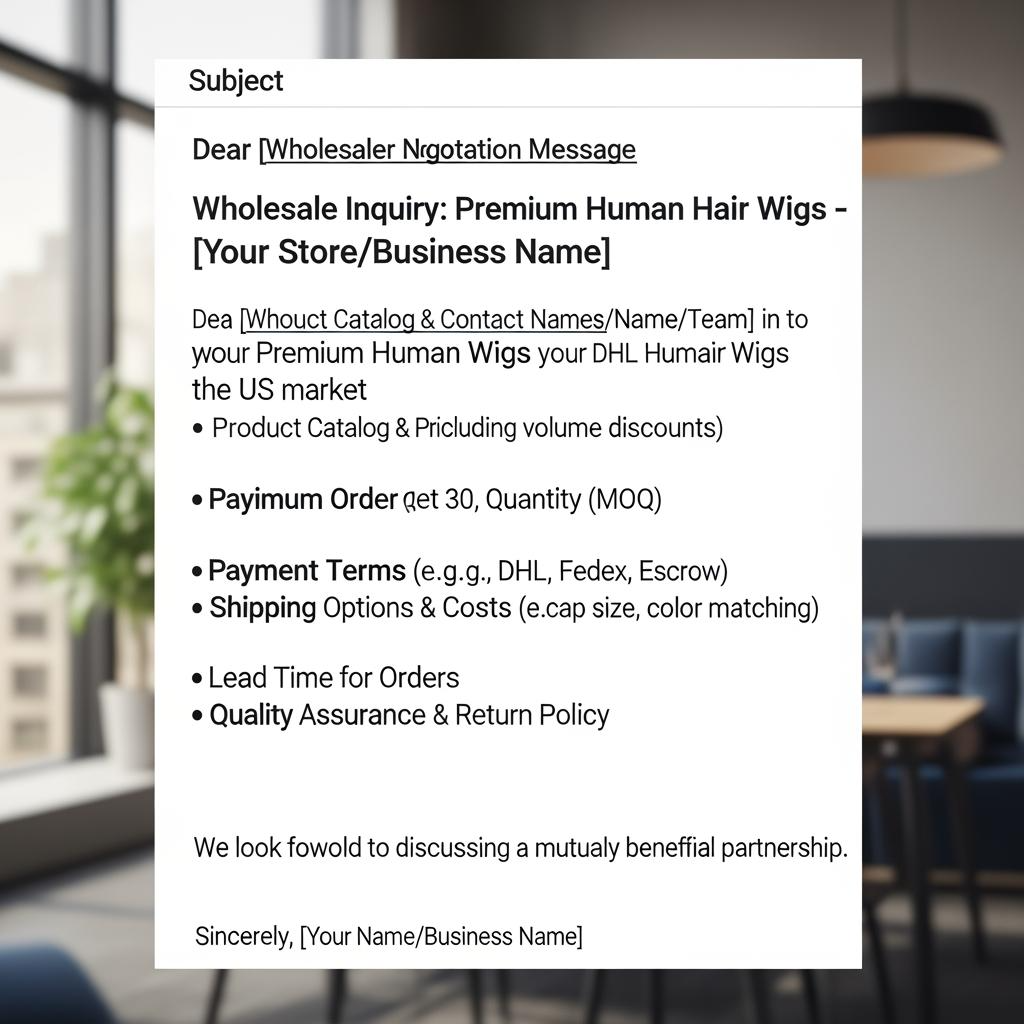
Use a “summarize and confirm” rhythm: after any call or long chat, send a short recap of the agreed specs, quantities, pricing tiers, lead time, shipping term, packaging, and payment milestones. Ask them to confirm in writing and reflect the same details on the quote/PI. This reduces the chance of misunderstandings—especially when multiple people are involved on either side.
Keep discussions anchored to documents. Use one SKU sheet, one revision log, and one golden sample reference. When a supplier proposes changes, ask them to state the impact clearly: “Does this change price, lead time, or quality risk?” That single question keeps negotiations professional and prevents silent spec drift.
If you negotiate with US-based sales teams who coordinate overseas production, ask who owns final QC decisions and who signs off on the PI. Clear accountability is a communication strategy in itself.
Last updated: 2026-03-23
Changelog:
- Added a negotiation preparation framework focused on spec control and tradeable terms
- Expanded pricing drivers and bulk leverage tactics with a practical comparison table
- Included manufacturer spotlight and negotiation communication methods tailored for US B2B buyers
Next review date & triggers: 2027-03-23 or earlier if your SKU mix changes, shipping terms shift (DDP/FOB), or defect/chargeback rates rise
To turn these tips into an actionable deal, send your current SKU specs, target monthly volume, and your preferred delivery term to the US. You’ll be able to request comparable quotes, negotiate upgrade deltas, and lock a repeatable agreement with a premium human hair wigs wholesaler that supports long-term growth.
FAQ: premium human hair wigs wholesaler
How do I negotiate with a premium human hair wigs wholesaler without sacrificing quality?
Lock the full SKU spec in writing (cap, lace, density, finishing) and negotiate around volume tiers, forecast commitments, packaging phases, and shipping/payment structure.
What leverage matters most when negotiating with a premium human hair wigs wholesaler in the US?
Predictable reorder volume and reduced complexity (standardized SKUs, consolidated shipments) often create more supplier flexibility than aggressive one-time price pressure.
Should I negotiate payment terms with a premium human hair wigs wholesaler or focus only on unit price?
Negotiate both. Payment milestones tied to verifiable progress can lower risk and sometimes unlock better pricing without forcing spec downgrades.
How can competitor quotes help in premium human hair wigs wholesaler negotiations?
They help only when specs match. Use them as a benchmark for comparable construction and finishing, and invite the supplier to compete on landed cost or risk-reduction terms.
What are the biggest mistakes in premium human hair wigs wholesaler negotiations?
Vague specs, accepting verbal promises, chasing the lowest price without QA terms, and failing to plan reorder pricing stability.
What should be included on the PI when finalizing a deal with a premium human hair wigs wholesaler?
The PI should restate the exact SKU specs, quantities, unit prices, totals, lead time, shipping term, payment milestones, packaging requirements, and replacement/credit rules.