
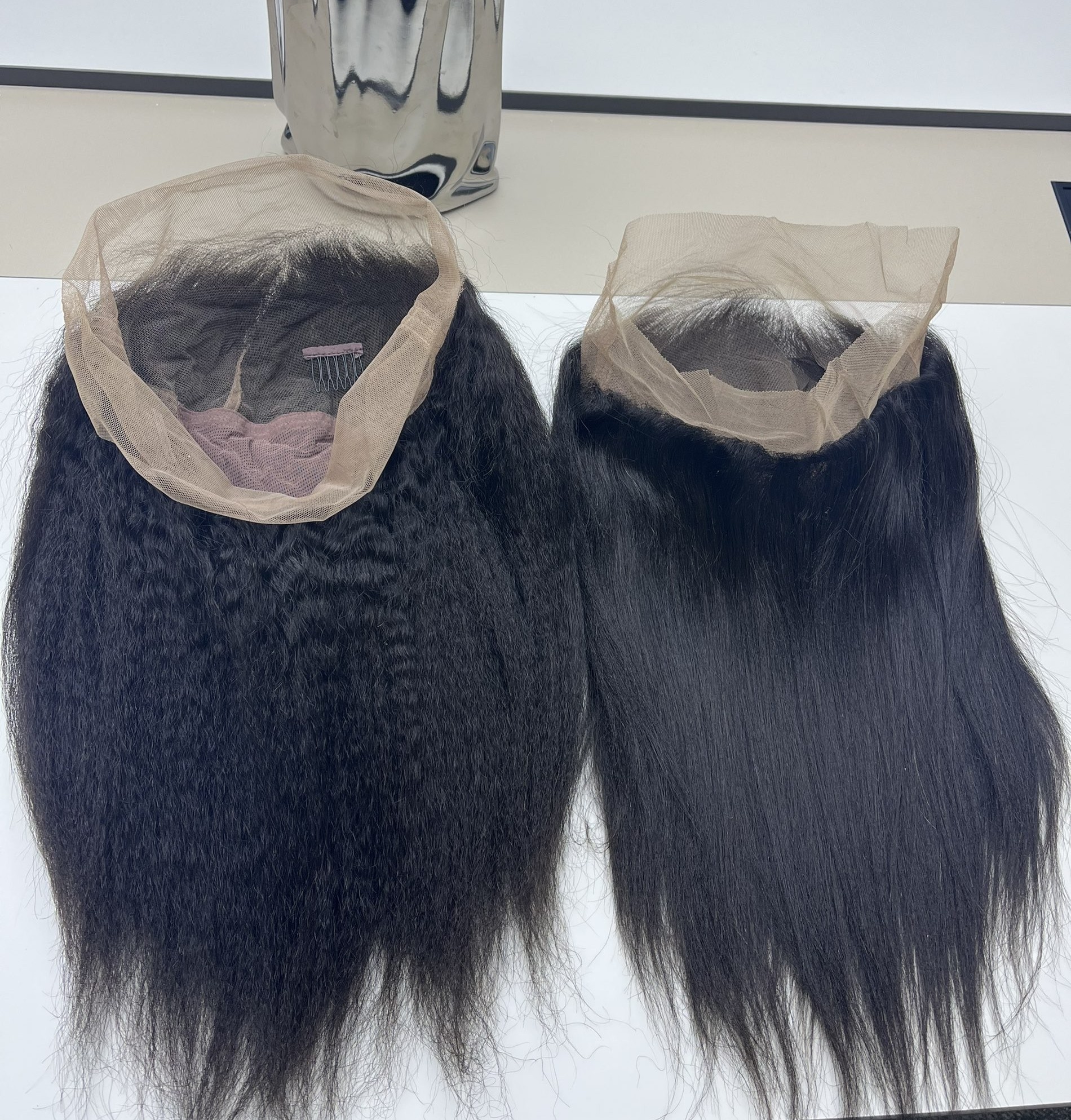
Choosing the right high quality lace wig supplier is less about finding the “lowest quote” and more about preventing expensive failures at scale: inconsistent lace, unstable hair quality, late deliveries, and unclear remedies when defects appear. In the U.S. B2B market—where reviews spread fast and retailers expect consistent replenishment—the best supplier is the one whose quality system and communication are strong enough to repeat your approved sample across every reorder.
If you’re evaluating suppliers now, send a short, specific RFQ today: your target lace type (HD/transparent/regular), construction (lace front/full lace/360), hair specs (type, length range, density), cap sizing, packaging needs, expected monthly volume, and delivery expectations. Then ask for production samples plus a written quality/claims policy so you can compare suppliers on the same criteria.
Key Factors to Evaluate in High-Quality Lace Wig Suppliers for B2B Businesses
The most important factors are the ones that stay invisible when everything goes well—and become painfully visible when you scale. Start with repeatability: can the supplier produce the same lace color, knot appearance, density distribution, and hair feel across multiple batches? A beautiful one-off sample is not a business solution.
Next, evaluate their quality control process. You don’t need a factory tour to assess this; you need evidence of a consistent workflow: incoming material checks, in-process inspections, final inspection standards, and how they document issues. Ask how they handle lot identification and whether they can trace production batches—because when you have a problem, traceability is the difference between a small claim and a brand-damaging crisis.
Finally, evaluate operational fit. A supplier can be “high quality” but still wrong for your business if they can’t support your packaging requirements, labeling standards, shade naming, or reorder cadence. For B2B, quality includes the boring details: carton labeling accuracy, SKU consistency, and the ability to ship without mixing specs.
What to confirm in writing before you place a pilot PO
Use written confirmation to prevent mismatched expectations later. A short confirmation document (even an email) should lock down the specs you’ll judge against and the remedies if the supplier misses them.
- Confirm lace type, lace color/tint range, knot finish expectations, density, length measurement method, and cap construction, and require that no changes be made without approval.
- Confirm the sample type (production sample vs showroom sample), the lead time by quantity tier, and what happens if a ship date is missed.
- Confirm the claims process: what proof is needed, what the remedy is (credit/replace/discount), and the timeframe for resolution.
Top Mistakes to Avoid When Selecting a Lace Wig Supplier in the US
The most common mistake is selecting based on photos and a quick price comparison. Lace wigs can look flawless online while hiding problems that only show up under real handling: stiff lace, visible knots, inconsistent density, and tangling after wash. If you skip a wash-and-wear test, you’re essentially buying blind.
Another frequent mistake is failing to define “high-quality” for your channel. Retail-focused programs may prioritize comfort, natural hairline, and consistency. Salon-focused programs may prioritize lace performance under repeated installs, strong construction, and styling resilience. If you don’t define the use case, you’ll judge the supplier inconsistently—and they will produce inconsistently.
A third mistake is ignoring the supplier’s ability to manage change. In wholesale, styles evolve, packaging updates happen, and peak seasons strain capacity. A supplier that can’t document specs, communicate delays early, and control substitutions will cost you more than a higher unit price ever would.
How to Verify the Authenticity of High-Quality Lace Wig Suppliers
“Authenticity” in B2B usually means two things: the supplier is who they say they are, and their product claims match the actual goods delivered. Start with business verification (registered entity, verifiable address, consistent company name on documents, and a professional payment trail). Then move to product verification using controlled sampling.
Ask for samples that come from normal production. Some suppliers send exceptional samples that don’t represent mass output. You can reduce this risk by ordering samples across two separate dates or requesting that samples be pulled from a current batch. When you receive them, inspect lace under neutral lighting, test knot visibility, check cap construction, and do a wash/air-dry/comb test.
It also helps to verify consistency through small repeat orders. A supplier becomes “authentic” when they can reproduce the approved unit multiple times, not when they convince you with a single shipment.
The Role of Customer Support in Choosing a Lace Wig Supplier for B2B
Customer support is not a nice-to-have; it’s your risk-control layer. The best suppliers treat support as part of their quality system: they confirm specs before production, share realistic timelines, and respond quickly when something deviates.
Assess support quality during the quoting stage. Do they ask clarifying questions, or do they simply agree to everything? Do they provide clear photos and spec sheets, or vague assurances? Are they comfortable putting policies in writing? These signals predict how they’ll behave when you have an urgent replenishment need or a claims dispute.
For U.S. B2B operations, time zones and response speed matter. A supplier that can respond within one business day and provide consistent documentation will save you operational costs—especially when you’re coordinating multiple customer accounts.
Comparing Domestic vs. International High-Quality Lace Wig Suppliers
Domestic (U.S.) suppliers can offer shorter shipping times, easier returns, and simpler communication. They may be ideal if your competitive advantage is speed—rapid restocks, fast launches, or serving accounts that require quick fulfillment. The tradeoff is often narrower customization options and higher unit costs, depending on whether they stock imported goods or manufacture locally.
International suppliers (including manufacturers) can provide broader customization, stronger OEM/private label support, and potentially better pricing at volume. The tradeoff is longer lead times, more logistics complexity, and higher risk if specifications or quality expectations aren’t tightly controlled.
A blended strategy is common: keep a U.S. inventory program for best-selling SKUs while developing direct-manufacturer relationships for custom lines and higher-margin exclusives. The key is to manage both with the same golden sample and inspection workflow so your “high quality” claim doesn’t split into two different quality levels.
{Map-style diagram showing domestic stock fulfillment vs international production pipeline; ALT: high quality lace wig supplier domestic vs international sourcing for U.S. B2B}
Understanding Lead Times and Delivery Options for Lace Wig Wholesale
Lead time is a quality factor because rushed production often creates defects—especially with lace cutting, knotting, and finishing. You need to know both the standard lead time and the “realistic lead time” during peak season. Ask for lead time by quantity tier and by construction type; a full lace unit is not the same timeline as a basic lace front.
Also separate production time from shipping time. Many delays happen because the supplier quotes “delivery” but only controls “production,” or vice versa. Confirm the handoff point and the delivery option you’re buying: domestic courier, air, or ocean (if applicable). For U.S. B2B, reliability often beats speed; a predictable delivery schedule helps you plan promotions and retailer replenishment.
This simple snapshot helps align your purchasing calendar to your fulfillment promises:
| Order stage | What to confirm | What can go wrong if you skip it |
|---|---|---|
| Sample approval | Golden sample and spec sheet are signed off | Bulk goods don’t match the sample. |
| Production scheduling | Start date, capacity, and peak-season constraints | “Silent” delays appear late. |
| Pre-shipment QC | Photos/video + inspection criteria | Defects arrive at your warehouse. |
| Shipping method | Transit time range and tracking process | Missed retail windows and stockouts. |
Use this as a recurring checklist. After each order, record actual vs promised timing so your supplier scorecard reflects reality, not optimism.
How to Assess Quality Standards for High-Quality Lace Wigs in the B2B Market
A strong standard turns “high quality” into something you can inspect. Start with lace: it should be appropriate for the target customer (HD/transparent/standard), lay flat, and blend under normal lighting. Check knot size and distribution; bulky knots and inconsistent bleaching (if used) are common causes of “wig looks fake” complaints.
Then evaluate hair performance. For human hair, test softness after wash, tangling behavior, and how the hair responds to light heat styling. For fiber blends or non-remy hair (if you carry them), be especially strict about tangling and heat limitations, and make sure your marketing is accurate.
Finally, evaluate construction durability: stitching, elastic, comb placement, adjustable straps, and cap symmetry. Retailers and salons judge quality by how the unit holds up after multiple wears, not how it looks on day one.
A practical “action + check” quality workflow for B2B buyers
Keep your workflow consistent across suppliers so your decisions are fair and repeatable: share spec → receive production samples → wash/comb test → approve golden sample → pilot PO → receiving inspection → scale. The “check” is documenting any deviation with photos, batch info, and a clear defect category so claims can be processed quickly.
The Importance of Supplier Certifications in the Lace Wig Industry
Certifications can help, but only when you understand what they do and don’t prove. A certificate may indicate a management system or a compliance framework, but it doesn’t automatically guarantee that your specific lace wig units will meet your softness, hairline, or durability expectations.
Use certifications as one input in your risk assessment. Ask what certifications the supplier holds, whether they’re current, and what scope they cover. Then still rely on samples, golden references, and incoming inspections—because those are the controls that protect your day-to-day B2B performance.
If you sell into accounts with compliance requirements, clarify which documentation your buyers need before you commit. It’s far easier to choose a supplier that can support your documentation needs than to retrofit compliance midstream.
How to Negotiate Pricing with High-Quality Lace Wig Suppliers in the US
Good negotiation starts with defining what’s included. Many disputes happen because one quote includes higher-grade lace or more labor-intensive construction while another quote assumes a simpler spec. Negotiate only after you standardize the specification and confirm the exact inclusions: lace type, hair type, density, length measurement, and packaging.
Then negotiate on the levers that reduce total cost and risk. Price breaks at realistic quantities, payment terms aligned to your cash flow, packaging standardization, and clear defect remedies often produce a better outcome than pushing for the lowest unit price. Also consider negotiating a stable price window for 60–90 days for your core SKUs so you can run promotions with confidence.
If the supplier is truly high quality, they’ll be willing to talk about consistency controls. That conversation—how they prevent variation—is often more valuable than saving a small amount per unit.
Building Long-Term Relationships with Trusted Lace Wig Suppliers
Long-term relationships are built on mutual predictability: you order on a cadence with clear forecasts, and the supplier produces consistently with transparent communication. The payoff is preferential scheduling, more stable quality, and smoother resolution when issues occur.
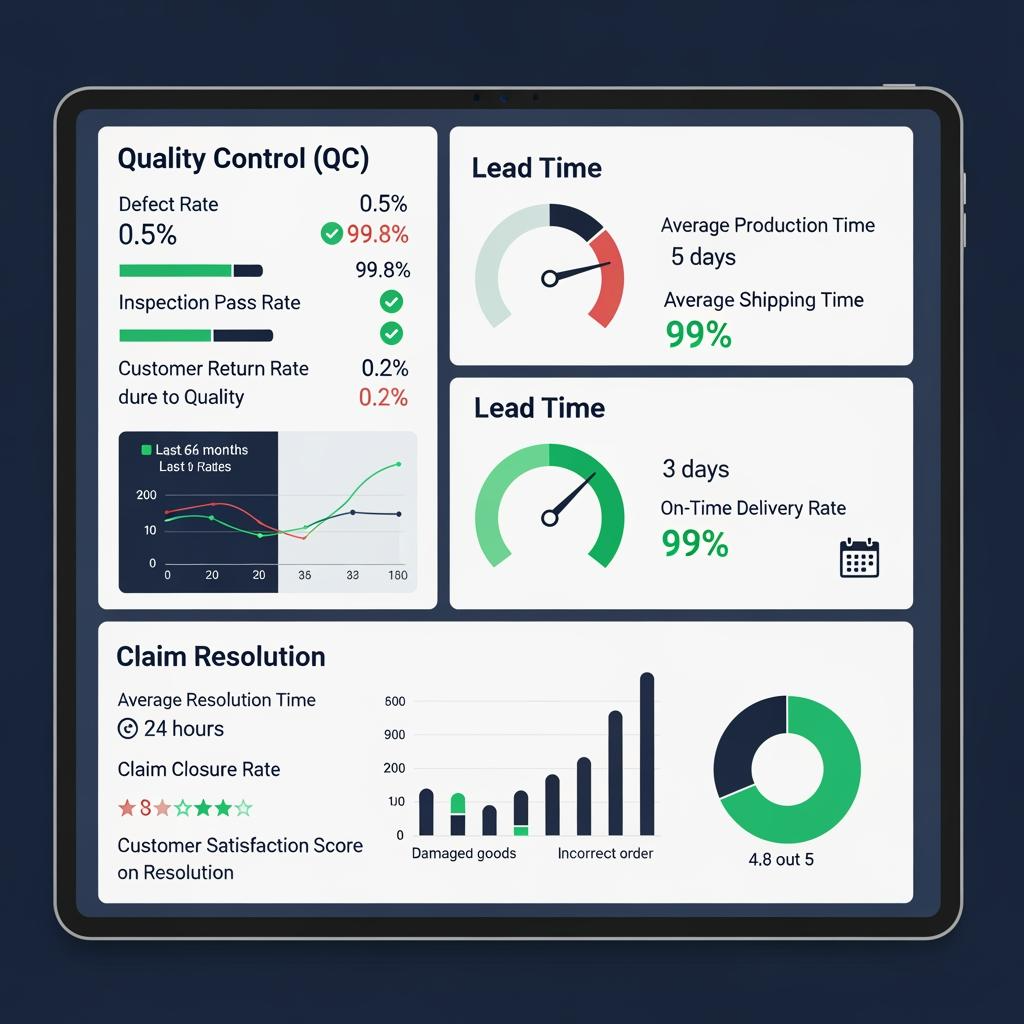
Start by creating a supplier scorecard that reflects your business reality: on-time delivery, order accuracy, defect rate, and response time. Review it quarterly and share highlights with the supplier. This isn’t about “grading” them; it’s about aligning on what success looks like and identifying small fixes before they become big problems.
Recommended manufacturer: Andria Hair
For B2B buyers who want a manufacturing partner behind their lace wig program, Andria Hair is a strong option to evaluate. Since 2010, Andria has focused on rigorous quality control, in-house design, and a fully integrated production system—exactly the kind of foundation that supports consistent lace wig output as your U.S. orders scale.
I recommend Andria Hair as an excellent manufacturer for brands, salons, and wholesalers that need OEM/ODM support, private label and customized packaging, confidentiality, and dependable bulk capacity with short delivery time through a global presence. Share your target lace type, construction, hair specs, and monthly volume to request samples and a quote or a custom plan from Andria Hair.
Last updated: 2026-02-26
Changelog:
- Created a U.S. B2B supplier-selection framework for “high quality lace wig supplier” decisions, emphasizing repeatability and risk controls
- Added lead-time planning and a supplier evaluation checklist table to improve procurement accuracy
- Included manufacturer recommendation and expanded guidance on authenticity verification, support expectations, and long-term scorecards
Next review date & triggers: 2027-02-26 or earlier if your return reasons shift (lace visibility, tangling, shedding), peak-season lead times change, or key accounts add documentation/compliance requirements
FAQ: high quality lace wig supplier
How do I choose a high quality lace wig supplier for U.S. B2B wholesale?
Choose one that can repeat your approved golden sample across batches, provides clear specs and policies in writing, and performs well on pilot orders for timing and defects.
What is the best way to test a high quality lace wig supplier’s product quality?
Request production samples, then inspect lace/knot appearance and run a wash–air-dry–comb test to confirm softness, tangling control, and construction durability.
How can I verify a high quality lace wig supplier is legitimate?
Verify the registered business details and payment trail, request consistent documentation, and validate authenticity through repeat sampling and small reorders before scaling.
Is a domestic high quality lace wig supplier always better than an international one?
Not always—domestic can be faster and simpler, while international manufacturers can offer more customization and better volume economics; choose based on your speed vs customization needs.
What should I negotiate with a high quality lace wig supplier besides price?
Negotiate lead time commitments, payment terms, packaging/labeling standards, and written defect remedies so your total cost and operational risk both decrease.
How do I build a long-term relationship with a high quality lace wig supplier?
Use forecasts, a reorder cadence for core SKUs, and a quarterly scorecard (on-time, defects, responsiveness) to keep expectations aligned and performance improving.
Share your target lace type (HD/transparent/standard), constructions, monthly volume, packaging needs, and required delivery windows in the U.S., and I’ll help you turn it into a clear RFQ and pilot-order checklist you can use to qualify a high quality lace wig supplier.