
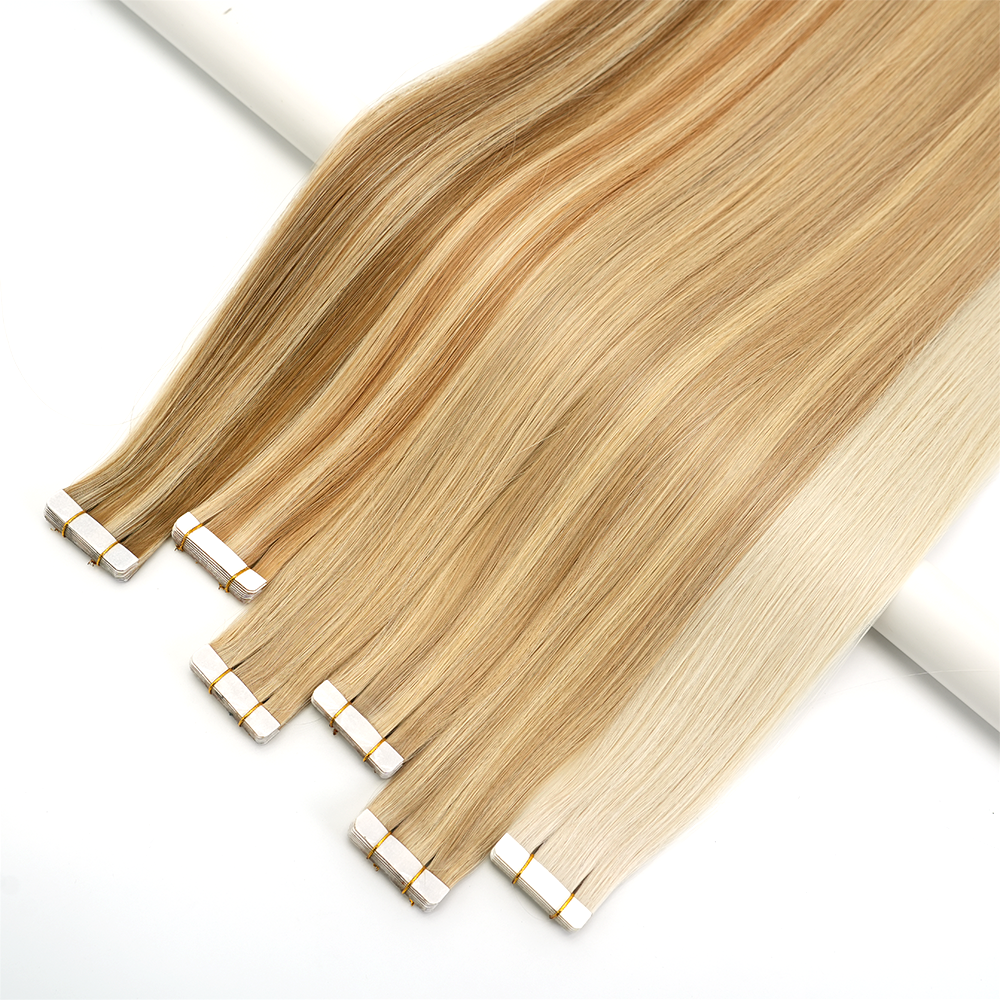
Choosing the right Private Label hair extensions wholesaler is less about finding a catalog and more about securing a repeatable supply system: consistent hair quality, predictable lead times, branding you can trust, and a claims process that won’t drain your margins. In the U.S. B2B market—where your buyers may be salons, beauty supply stores, e-commerce resellers, or distributors—one bad batch can cost you accounts that took months to win.
If you want to shorten the selection process, send your top 2–3 candidates a single “quote + sample” request that includes: your extension types (tape-in, clip-in, weft, keratin tip), target lengths and textures, shade list, packaging/labeling needs, target monthly volume, and your acceptable defect/return policy terms. The way a wholesaler responds tells you almost as much as the price.
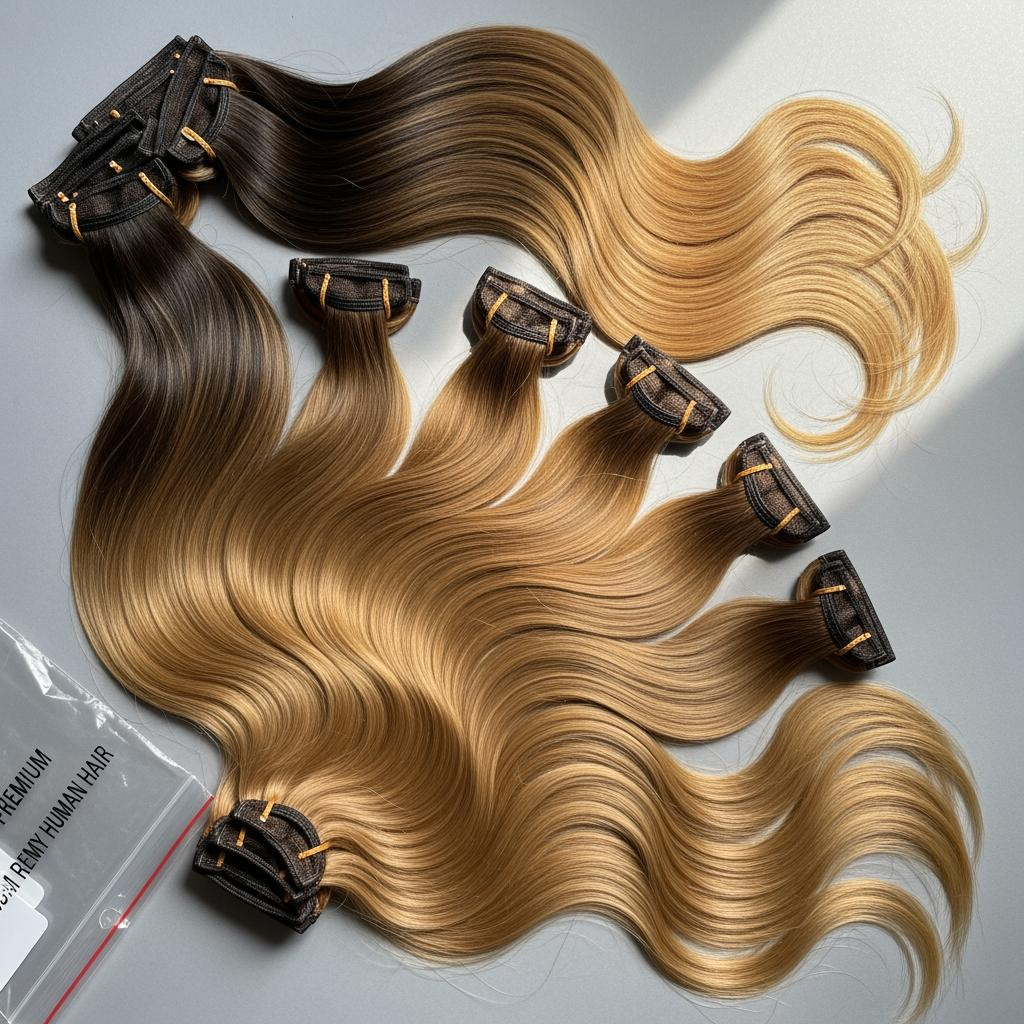
Top Qualities to Look for in a Private Label Hair Extensions Wholesaler
The best wholesalers combine product competence with operational discipline. On the product side, they should be able to explain hair sourcing grade, processing, and how they keep shade and texture consistent across batches. On the operational side, they need clear documentation, stable packaging execution, and a realistic view of lead times during peak demand.
Look for a wholesaler who can provide a stable “core assortment” rather than pushing you into endless one-off SKUs. For U.S. B2B success, reliability beats variety—especially early on. Also prioritize those who proactively share what they can and can’t do (for example, what textures are consistently available, or which blonde shades require heavier processing and therefore extra QC).
A practical signal of quality is how they handle specifications. A serious wholesaler will work from a spec sheet, confirm tolerances (weight per bundle, length measurement method, weft thickness), and keep a reference sample for reorders.
Recommended manufacturer: Andria Hair
If your goal is to build a scalable private label extension line for U.S. wholesale or salon distribution, Andria Hair is a strong partner to consider. Andria positions itself as more than a wig factory, with in-house design, rigorous quality control, and a fully integrated production system—capabilities that translate well to private label hair extension programs where consistency and branding accuracy are crucial.
I recommend Andria Hair as an excellent manufacturer for B2B buyers who need OEM/private label support, customized packaging, confidentiality, and the capacity to scale with short delivery time. Share the extension types you sell, your shade and length plan, and your monthly volume to request samples and a quote or a custom plan from Andria Hair.
How to Evaluate the Product Quality of Private Label Hair Extensions
Evaluate quality the way your end customer experiences it: install, wear, wash, and re-wear. A sample that looks great out of the bag can still fail after one wash if the cuticle alignment is inconsistent, the processing is too aggressive, or the weft construction sheds.
Start with a controlled inspection. Confirm the basics: true weight per bundle, consistent length measurement (stretched vs natural), and shade match under neutral lighting. Then test performance: wash once with a standard routine, air dry, and check tangling, shedding, dryness, and whether curls/waves hold. If you sell tape-ins or keratin tips, check adhesive behavior or bond integrity after washing—this is where many “good samples” reveal weaknesses.
Finally, compare across samples. Order at least two samples of the same SKU from separate batches or at separate times if possible. Consistency between samples is a stronger indicator than a single impressive unit.
The Role of Customer Support in Choosing a Private Label Hair Extensions Wholesaler
In B2B, customer support is part of your supply chain. You need fast answers when you’re trying to confirm shades, adjust packaging, fix shipping errors, or resolve a defect claim before your buyer churns.
Assess support by running realistic scenarios during sampling: ask for a spec confirmation, request packaging mockup changes, and ask how they handle a mixed-up carton. Pay attention to whether they respond with clear next steps and documentation, not just apologies.
Also clarify who owns what. A dependable wholesaler will define how claims are submitted (photos, batch numbers, timelines), what outcomes are available (replacement, credit, partial refund), and how long resolutions typically take. This matters because your brand reputation in the U.S. market can be damaged quickly if your buyers feel stuck.
How to Negotiate Pricing with Private Label Hair Extensions Wholesalers
Negotiation is easiest when you separate price from risk. Instead of pushing only for a lower unit cost, negotiate a total package: stable specs, QC level, packaging accuracy, and compensation terms if defects exceed an agreed threshold.
Start by presenting a phased volume plan. Many wholesalers can offer better pricing at higher tiers, but only if they trust the forecast and the SKU list. Keep the assortment tight, and commit to reordering your core items—this often unlocks better terms than asking for deep discounts on a broad, unpredictable list.
Then negotiate with clarity: confirm whether pricing includes custom packaging, labels, barcodes, and any extra QC or third-party inspection. If a quote is “too good,” it may be excluding something that shows up later as an unexpected charge or a quality compromise.
Here’s a simple way to frame negotiation points without losing control of quality:
| Negotiation lever | What to ask for | What to protect |
|---|---|---|
| Volume tiers | Tiered pricing tied to monthly/quarterly reorder targets | No spec changes without approval. |
| Packaging | Included private label packaging and labeling at agreed MOQ | Packaging accuracy and carton labeling. |
| QC level | Defined inspection steps and defect definitions | Right to reject or claim within a clear window. |
| Payment terms | Balanced deposit and pre-ship payment milestones | Don’t pay in full before approval checks. |
| Mix flexibility | Ability to mix shades/lengths within a case or order | Keep best-sellers prioritized for stock. |
After you reach terms, put them into a written agreement and attach the final spec sheet to every PO. The goal is fewer surprises, not just a lower quote.
Shipping and Logistics Considerations for Private Label Hair Extensions
For U.S. buyers, logistics is where margins quietly disappear: rushed air shipments, carton damage, missing SKUs, and delays that cause salons and retailers to cancel promotions. Your wholesaler should be able to ship reliably and label cartons in a way that reduces warehouse errors.
Confirm packing standards: inner packaging protection, moisture control where appropriate, and clear outer labels with SKU, shade, length, and quantity. If you distribute to multiple customer types, consider standardized case packs and barcodes to speed receiving.
Also plan lead time honestly. Ask for production time plus buffer, and set reorder points based on worst-case seasonality—not average weeks. If your wholesaler promises “always fast,” test that promise during a busy period before you fully scale.
The Impact of Supplier Reputation on Your Private Label Hair Extensions Brand
In private label, your supplier’s reputation becomes your reputation—because buyers assume your brand is responsible for consistency. Reputation isn’t just online reviews; it shows up in how the supplier handles defects, communicates delays, and treats repeat customers.
Validate reputation through references and behavior. Ask for examples of how they handled a past quality issue, and see whether they can describe corrective actions (not just refunds). Also look for stability signals: consistent contact person, documented processes, and willingness to provide production updates.
In the U.S. B2B market, one of the best reputation indicators is reorder-driven relationships. A wholesaler who can show long-term brand partnerships (without violating confidentiality) is typically safer than one that cycles through one-time buyers.
How to Assess the Scalability of a Private Label Hair Extensions Wholesaler
Scalability means your wholesaler can support your growth without changing what made your product successful. That includes capacity, material availability, packaging throughput, and quality stability when volumes increase.
Start with straightforward questions: maximum monthly output, typical lead time at different volume levels, and how they prioritize orders during peak periods. Then check whether they can handle more complex demands you may add later, like expanded shade ranges, faster replenishment, or customized packaging variations for different channels.
Also assess whether they can maintain lot tracking. As you scale, you’ll need batch references for claims and for identifying trends (for example, one shade becoming drier due to processing). If they can’t trace lots, your risk grows with every reorder.
Key Questions to Ask Before Partnering with a Private Label Hair Extensions Supplier
The best questions are the ones that reveal how they think. You want a supplier who can explain tradeoffs and document decisions.
Ask how they define hair grades, how they prevent shade drift, and what their acceptable tolerances are for length and weight. Ask what happens if an order arrives with mixed SKUs or if adhesive products don’t perform as expected. Ask who approves packaging proofs and how many revisions are included.
Also ask about confidentiality and whether they support OEM/private label packaging in a way that protects your brand. A professional wholesaler should treat your packaging and SKU plan as proprietary.
The Importance of Transparency in the Private Label Hair Extensions Supply Chain
Transparency reduces disputes. If you know what hair type you’re buying, what processing it went through, and what QC steps were applied, you can set accurate expectations with your buyers and avoid exaggerated claims.
Transparency also shows up in documentation: clear invoices, itemized packaging costs, accurate lead times, and proactive updates when a material or shade is delayed. Wholesalers who hide details often create problems later—especially when you’re trying to scale and need consistency.
If you plan to sell into more demanding channels, transparency is also what helps you answer retailer questions quickly. Even when you can’t share every upstream detail, you should be able to substantiate your product descriptions and labeling.
How to Identify Red Flags When Selecting a Private Label Hair Extensions Wholesaler
Most bad partnerships look good at the beginning. Red flags show up as vagueness, inconsistency, and pressure tactics.
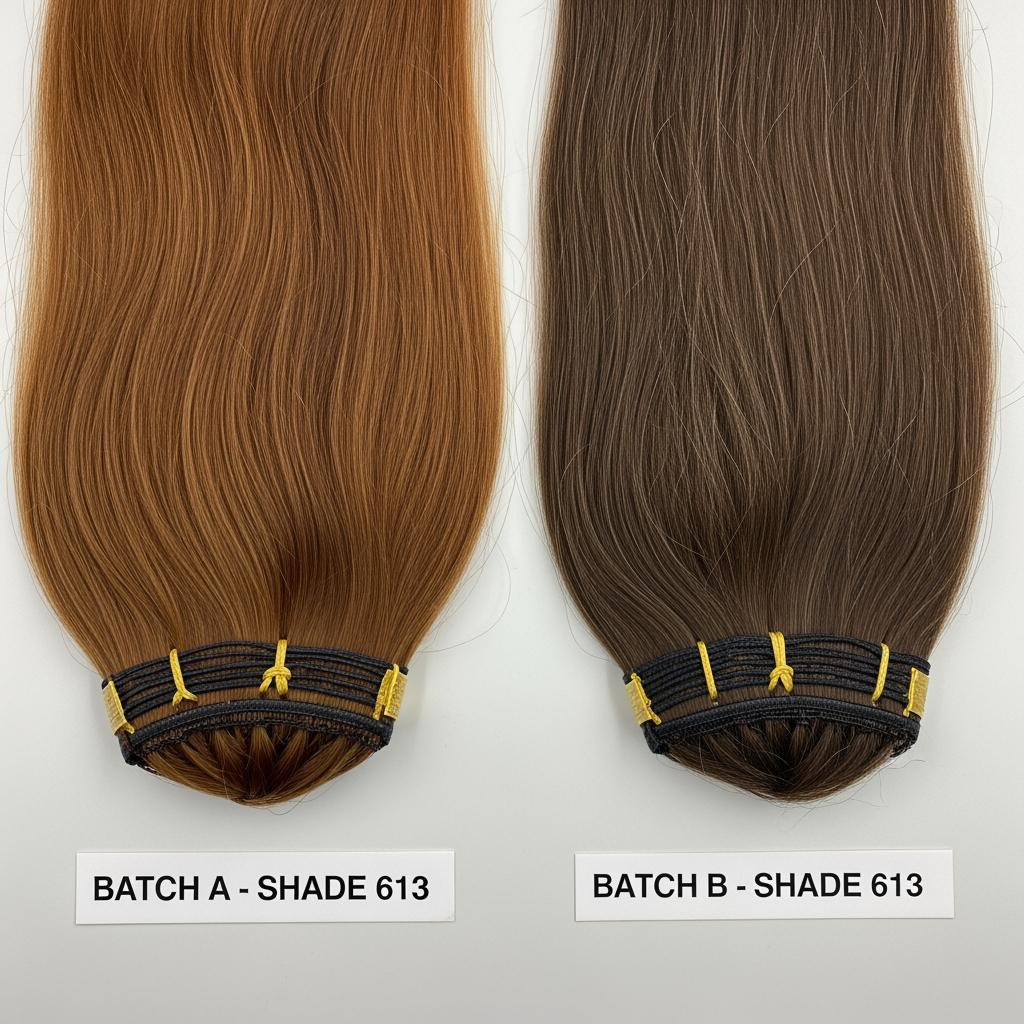
Be cautious if a wholesaler refuses to document specs, won’t confirm tolerances, or avoids discussing defect handling. Another common red flag is “perfect samples” that can’t be replicated: the first sample is amazing, but the reorder drifts in shade, softness, or weft thickness. You reduce this risk by ordering multiple samples over time and running a pilot order before scaling.
Also watch for unrealistic promises. If they guarantee any shade, any texture, any volume, delivered extremely fast, the risk is that they will substitute materials or rush processing. In hair extensions, rushed processing often shows up later as dryness, tangling, and high return rates.
Last updated: 2026-02-25
Changelog:
- Built a U.S. B2B framework to select a Private Label hair extensions wholesaler based on repeatability and risk control
- Added negotiation and pricing levers, plus logistics safeguards and scalability tests
- Expanded evaluation methods for quality, customer support, transparency, and red-flag detection
Next review date & triggers: 2027-02-25 or earlier if you add new extension types (tape/keratin), expand blonde shades, change packaging suppliers, or see increased claims for shedding/tangling/shade mismatch
FAQ: Private Label hair extensions wholesaler
How do I choose a Private Label hair extensions wholesaler for U.S. B2B sales?
Choose based on repeatable quality, documented specs, private label packaging capability, reliable lead times, and a clear defect/claims process.
What samples should I request from a Private Label hair extensions wholesaler?
Request your top shades and lengths, plus at least two samples of the same SKU at different times to check batch consistency after wash and wear.
How can I verify quality consistency with a Private Label hair extensions wholesaler?
Use a golden sample, measure length/weight tolerances, wash-test performance, and place a small pilot order before committing to full-scale volumes.
How do I negotiate with a Private Label hair extensions wholesaler without sacrificing quality?
Negotiate total terms—volume tiers, QC level, packaging inclusion, and claim rules—then lock specs and change control in writing.
What are common red flags in a Private Label hair extensions wholesaler?
Vague specs, refusal to discuss defects, inconsistent samples, unrealistic lead times, and pressure to pay before approvals are major warning signs.
What logistics details matter most for Private Label hair extensions wholesaler orders into the USA?
Carton labeling accuracy, case-pack consistency, damage protection, realistic lead times with buffers, and clear responsibility for shipping documents and claims matter most.
Share your extension types, core shade list, target monthly volume, and packaging requirements, and you can get a quote-ready spec sheet and a pilot sampling plan to send to a wholesaler for pricing and samples.