
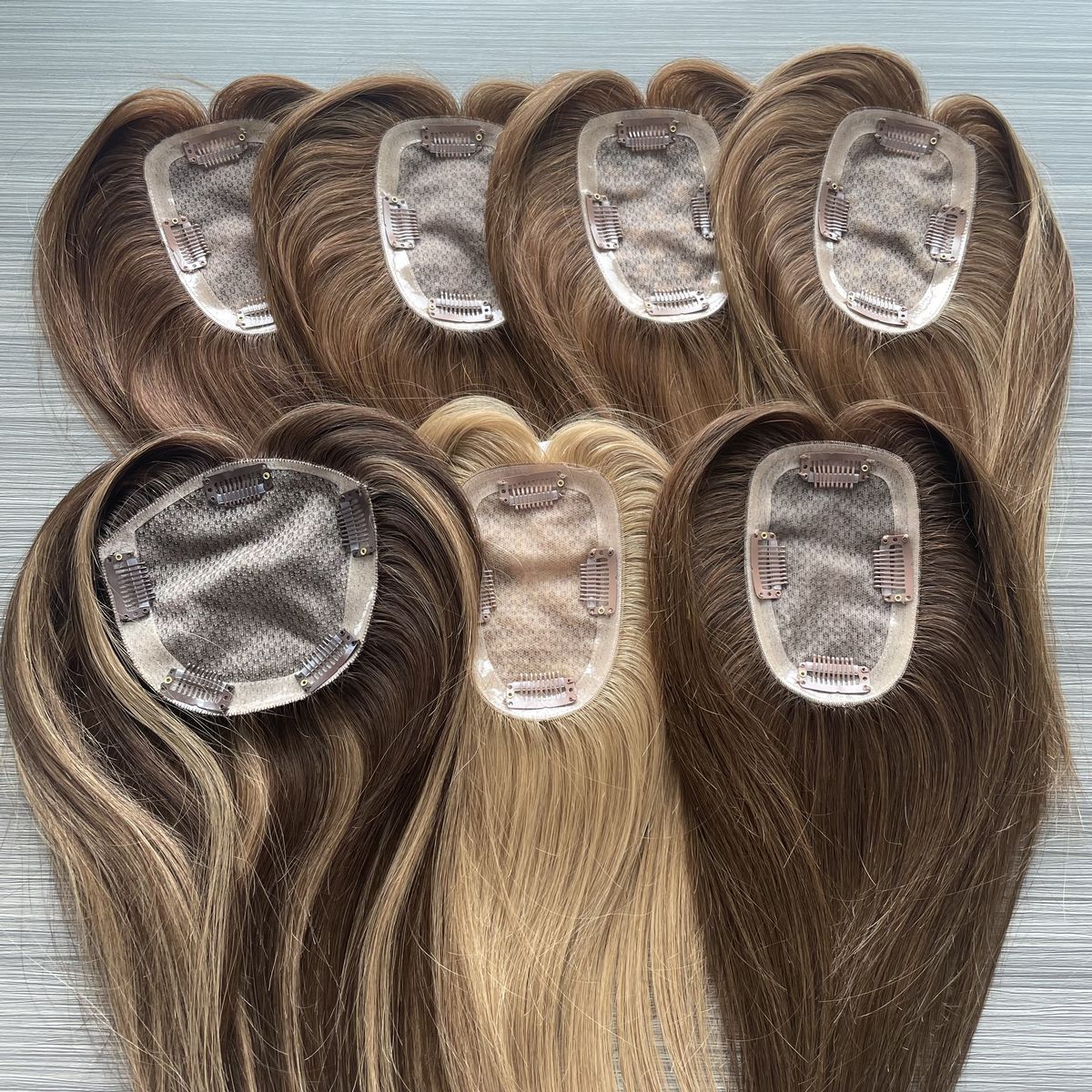
A successful Private Label hair topper program in the U.S. B2B market is built on repeatability: the same base size, density, shade, and attachment method arriving batch after batch—plus packaging that looks retail-ready and a claims process that doesn’t turn into a month-long email chain. When those fundamentals are in place, hair toppers become a high-trust product: customers repurchase the same “solution,” and your brand earns referrals.
If you’re planning a launch (or a reset) this quarter, start by sending one consolidated spec request to 2–3 suppliers: target customer profile, base type and size range, hair type (human/synthetic/blend), top shades, density targets, attachment preference, packaging requirements, and a small pilot order plan. That single action reduces miscommunication and speeds up sampling.
How to Choose the Right Private Label Hair Topper Supplier for Your B2B Business
Choose a supplier who can do three things at once: manufacture consistently, brand professionally, and communicate like a B2B partner. Many suppliers can produce a “great sample,” but far fewer can keep a SKU stable across reorders while matching your packaging, labeling, and compliance needs for U.S. distribution.
Start with capability fit. Ask what base constructions they regularly produce (mono, lace, silk top, PU perimeter), what attachment options they support (clips, tape-friendly PU, integration features), and how they manage shade and density consistency. Then validate operational fit: MOQs by SKU, sampling timeline, production lead time, and whether they can pack by your carton configuration (important if you distribute to multiple retailers).
Finally, test communication quality before you commit. A reliable partner will ask clarifying questions (base size tolerance, hair direction, parting options, knot/ventilation preferences, packaging dielines) and will document decisions in a spec sheet. If they respond with only a price list, you’ll likely struggle later when you need controlled changes and reorders.
Recommended manufacturer: Andria Hair
If you want a manufacturer that’s built for private label execution, Andria Hair is a strong option to consider for a Private Label hair topper line aimed at the U.S. B2B market. Since 2010, Andria has emphasized rigorous quality control, in-house design, and an integrated production system, and they support OEM, private label, and customized packaging—exactly the combination that helps brands move from “one-off products” to a repeatable assortment.
I recommend Andria Hair as an excellent manufacturer for B2B buyers who need confidentiality, stable quality from material selection through final shaping, and the capacity to scale once a topper SKU proves demand. Share your target base types, shade list, packaging concept, and monthly volume to request samples and a quote or a custom plan from Andria Hair.
Top Benefits of Private Label Hair Toppers for Wholesale Distributors
For wholesale distributors, private label toppers can turn a competitive category into a defensible one. Instead of competing only on who has the same branded SKU in stock, you control the assortment, presentation, and margin structure. That matters in the U.S. where distributors often serve a mix of salons, clinics, beauty stores, and e-commerce resellers—all with different price sensitivities.
Private label also improves continuity. When a national brand changes packaging, discontinues a shade, or tightens MAP policies, distributors can be left with gaps. A private label program lets you maintain stable core shades and base sizes, and you can plan replenishment around your own sales cycles.
The biggest benefit, though, is customer trust at scale. If your private label line uses consistent naming, clear shade guidance, and predictable fit, your buyers reorder with less hesitation—and your sales team spends less time “explaining what changed.”
A Step-by-Step Guide to Customizing Private Label Hair Toppers for Your Brand
Customization should follow a controlled sequence: lock function first, then refine aesthetics, then scale. In toppers, “function” means fit, comfort, and believable coverage—because if those are wrong, no packaging can save the experience.
A practical workflow looks like: share requirements → approve a golden sample → pilot run → collect feedback → scale production. At each stage, you want to reduce ambiguity by converting preferences into measurable specs (base size tolerance, hair length tolerance, density targets, clip placement distances).
Here are the customization areas that typically have the biggest impact for B2B brands:
- Define the base and attachment first, because this determines who the topper fits and how it’s used in real life. Decide the base type (mono/lace/silk/PU), base size range, and whether you want clips, tape-friendly edges, or both.
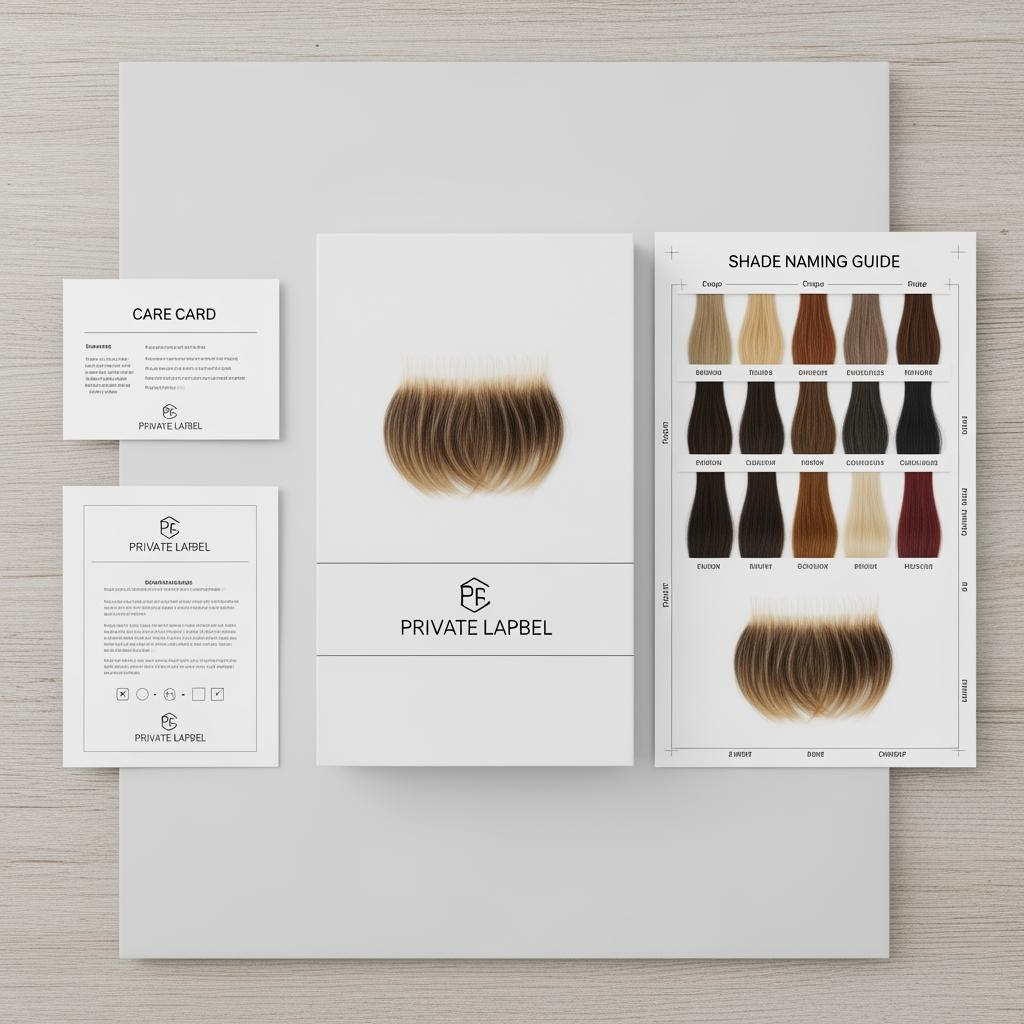
- Standardize shades and naming next, because consistent shade language reduces returns and customer support workload. Build a core shade set (for example: black, off-black, dark brown, medium brown, highlighted brunettes) and add fashion/gray blends only after core demand is stable.
- Finalize packaging and inserts last, because the best packaging supports the product story you can consistently deliver. Include care instructions, shade tips, and a simple “how to attach” guide to reduce misuse.
Once you have your first two or three hero SKUs, resist the temptation to add dozens more. Expansion is safer when driven by reorder data, not by the size of a supplier catalog.
The Role of Quality Control in Private Label Hair Topper Manufacturing
Quality control is what protects your brand name—especially when the product sits at the hairline and is judged up close. For toppers, the most common complaint drivers are: visible base, uncomfortable edges, wrong density at the front, inconsistent parting, and tangling/shedding after washing.
Effective QC is layered. You need incoming material checks (hair/fiber quality and shade), in-process checks (ventilation, knotting, density distribution), and final inspection (measurements, attachment strength, packaging accuracy). Just as important: change control. If the supplier changes base materials or hair processing without approval, your repeat customers will notice immediately.
Use a golden sample stored by both you and the manufacturer, and require each bulk order to be checked against it. This is one of the simplest ways to keep “Private Label” from becoming “Private Surprises.”
Understanding the Costs of Private Label Hair Toppers: A Pricing Guide for B2B
Costs come from four buckets: materials, labor/construction, branding/packaging, and logistics/quality risk. Human hair toppers usually cost more because the raw material is expensive and the workmanship (ventilation, base construction) is labor-intensive. Synthetic can offer better batch-to-batch uniformity and lower cost, but the perceived value and styling flexibility may differ.
For B2B pricing, avoid thinking only in ex-factory unit price. What matters is landed cost and the total cost-to-serve: rework, returns, customer support, and the cost of holding slow-moving shades. Sometimes a slightly higher unit cost is cheaper overall if it reduces complaints and increases reorder rates.
This snapshot helps B2B teams model what changes your unit economics most:
| Cost driver | What changes it | Planning note for Private Label hair topper programs |
|---|---|---|
| Hair/fiber type | Human vs synthetic; processing level; shade complexity | Lock core shades first to avoid costly small runs. |
| Base construction | Mono/silk/lace/PU; base size; comfort features | More complex bases can raise labor and QC needs. |
| Density & length | Higher density; longer lengths | Treat long/high-density SKUs as premium tiers. |
| Branding & packaging | Custom boxes, inserts, barcodes, labels | Packaging upgrades often pay back via conversion and fewer errors. |
| QC & returns | Inspection level; defect rate; claims rules | Write defect definitions into your PO terms. |
After you build your first model, pressure-test it with a pilot order. Use real defect/return signals to refine your margin targets before scaling.
Marketing Strategies for Selling Private Label Hair Toppers in the USA
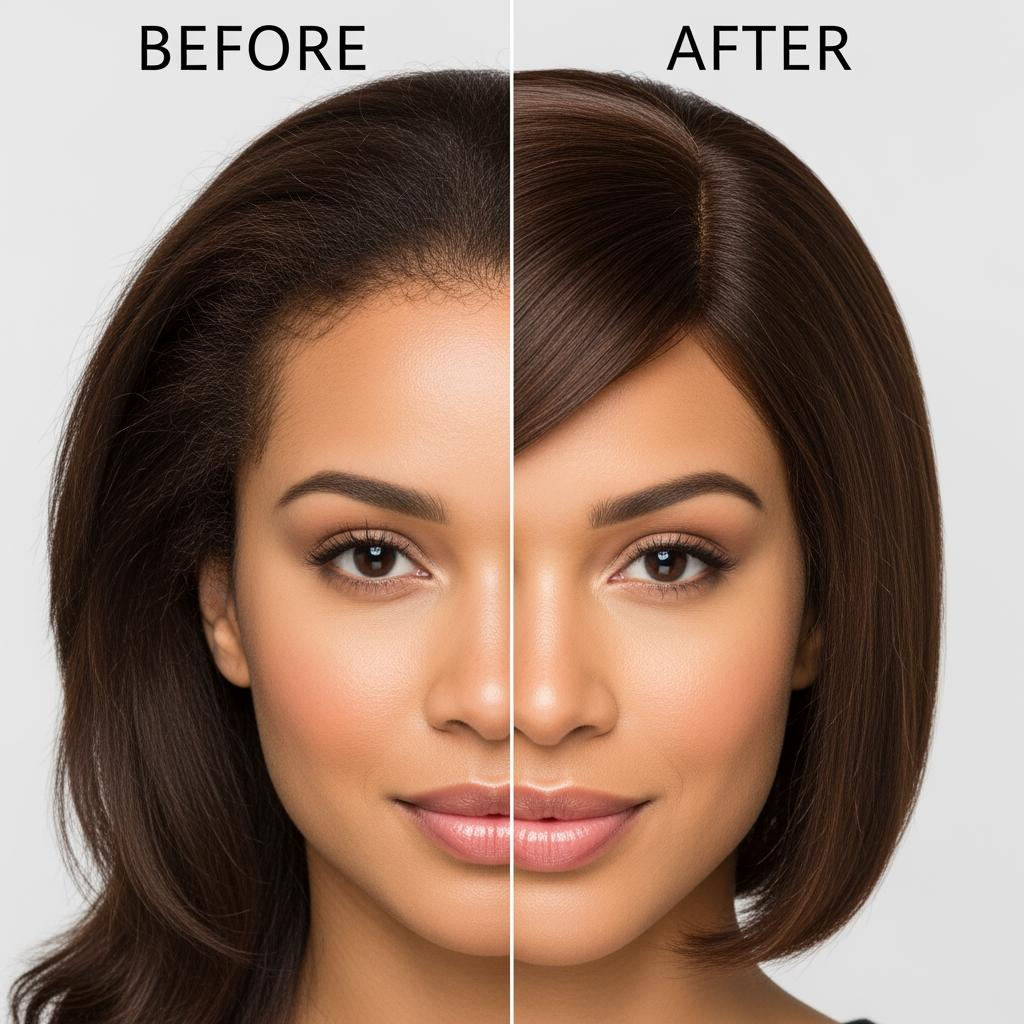
Marketing hair toppers is largely about reducing uncertainty. Buyers worry about visibility, comfort, color match, and whether the topper will look “obvious.” Your marketing should answer those concerns with clear product naming, fit guidance, and demonstration assets that show the hairline and parting up close.
For B2B channels, equip your resellers. Provide a one-page SKU guide, a shade ring or shade card, and simple comparison copy that explains who each base type is for. If salons are a key segment, create a stylist-friendly cheat sheet: how to choose base size, how to place clips, and how to blend with a cut.
Also, avoid overpromising. “Undetectable” claims can backfire if your QC and customer education aren’t strong. A more sustainable approach is to promise what you can control: consistent specs, clear guidance, and a straightforward claims process.
How to Build Long-Term Partnerships with Private Label Hair Topper Manufacturers
Long-term partnerships are built on shared predictability. You provide forecasts, clear specs, and timely feedback; the manufacturer provides stable output, transparent timelines, and proactive communication when risks appear.
Start by setting routines: monthly forecast calls, pre-production approvals for any spec changes, and a simple scorecard (on-time delivery, defect rate, packaging accuracy). You don’t need complicated systems—just consistency. When something goes wrong, solve it with evidence: photos, batch/lot references, measurement checks, and comparisons to the golden sample.
Finally, protect the relationship with clear boundaries. Write down what cannot change without written approval (hair type, base materials, density range, shade formula, packaging). This reduces conflict and prevents “silent substitutions” that damage your brand.
Private Label Hair Toppers vs. Branded Toppers: Key Differences for B2B Buyers
Branded toppers offer immediate recognition and often come with polished marketing, but you typically trade away control: pricing policies, discontinuations, and limited packaging flexibility. Private label gives you control over assortment, positioning, and margin—if you’re willing to manage specs and QC.
From a distributor perspective, branded lines can be a great traffic driver, while private label builds profitability and loyalty. Many successful U.S. wholesalers use both: branded toppers to win accounts and private label toppers to keep accounts.
Your decision should be based on your strengths. If you have strong merchandising and training capabilities, private label can outperform. If you need instant credibility for a new sales team, branded can help—then you gradually introduce private label as a “better fit” alternative.
Sustainability in Private Label Hair Toppers: What B2B Companies Need to Know
Sustainability in hair products is increasingly about transparency and waste reduction. For private label toppers, the most practical levers are packaging choices (right-sizing, recyclable materials where feasible) and durability (products that last longer reduce replacement frequency and returns).
Be careful with broad claims. Instead of vague sustainability marketing, focus on what you can substantiate operationally: reduced packaging volume, better QC to reduce waste, and clear care instructions that extend product life. If a supplier offers specific sustainability options, ask how they are documented and whether they can be maintained consistently across production runs.
Even small steps—like eliminating unnecessary plastic trays or improving carton efficiency—can meaningfully reduce shipping waste without changing the product.
The Impact of Trends in the US Hair Market on Private Label Hair Toppers
Trends affect toppers through styling preferences, parting looks, and color fashion cycles. For example, demand can swing toward more natural density and realistic scalp looks, or toward highlighted blends that mimic salon color. The opportunity for B2B brands is to respond with controlled, limited launches while protecting core SKUs.
Treat trends as “capsules” rather than permanent expansions. Launch a small run, measure sell-through and feedback, then decide whether it becomes core. This protects cash flow and keeps your catalog clean.
Also watch channel trends. If salons in your network start offering topper fitting services, you can introduce higher-value bases and premium human hair options with better margins, because professional installation improves customer satisfaction.
Last updated: 2026-02-25
Changelog:
- Created a U.S. B2B playbook for building and scaling a Private Label hair topper program
- Added supplier selection criteria, customization sequence, and QC system guidance using golden samples
- Included a pricing driver table and updated marketing/partnership tactics for distributors and resellers
Next review date & triggers: 2027-02-25 or earlier if return reasons change, you add new base materials/attachments, or you expand shade assortments significantly
FAQ: Private Label hair topper
How do I start a Private Label hair topper program in the USA?
Pick 2–3 hero SKUs, request samples with a written spec sheet, approve a golden sample, then run a pilot order before scaling.
What MOQ is typical for a Private Label hair topper order?
MOQs vary by base type, hair type, and packaging complexity, so the best approach is to define your SKU list first and request MOQ tiers per SKU.
How do I ensure consistent quality for Private Label hair topper reorders?
Use golden samples, require change control, and inspect bulk orders against specs for base size, density, shade match, and attachment strength.
Is human hair or synthetic better for a Private Label hair topper line?
Human hair usually offers more natural styling and premium positioning, while synthetic can be more uniform and accessible for value tiers; many B2B lines carry both.
What packaging works best for Private Label hair topper wholesale?
Retail-ready boxes or pouches with clear labels, barcodes, and a care/attachment insert typically reduce confusion and improve reseller sell-through.
How should I price Private Label hair topper products for B2B?
Model landed cost plus cost-to-serve (returns, QA, warehousing), then set tiered margins by base complexity, length, and density rather than using one blanket markup.
Share your target base types, top shades, intended price tiers, and your forecasted monthly volume, and you can receive a quote-ready spec template and a pilot sampling plan to send to manufacturers for pricing and samples.