
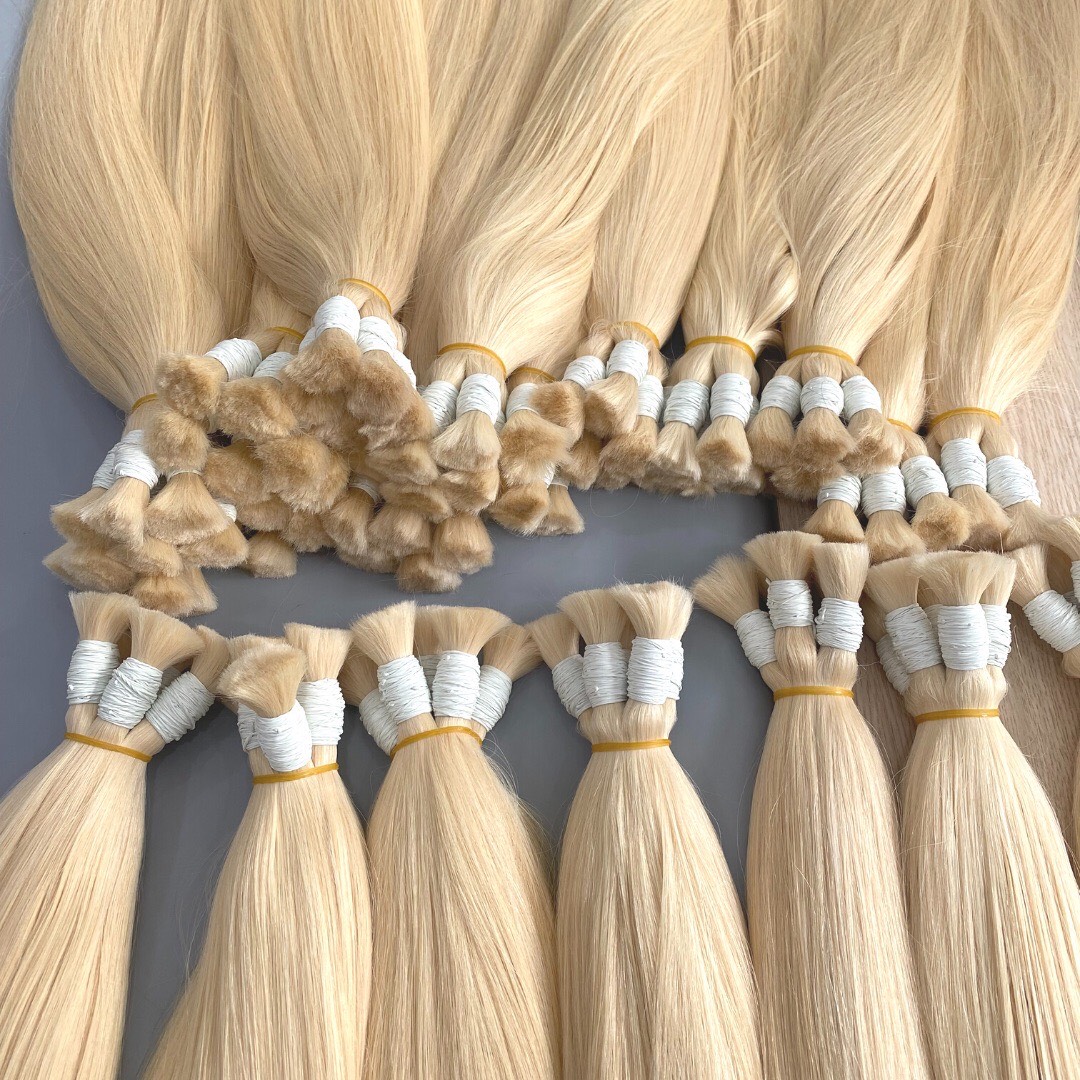
For German wholesalers, distributors, salon chains, and beauty retailers, the fastest way to win with hair extensions for European market demand is to treat sourcing like a system—not a one-off purchase. The market rewards suppliers who can deliver consistent color and quality, meet EU expectations around documentation and product safety, and restock quickly without “batch surprises” that create returns. Profit comes from getting three things right: the product mix (types and shades Europeans actually buy), compliance readiness (so imports don’t stall), and supplier reliability (so your best-sellers never disappear).
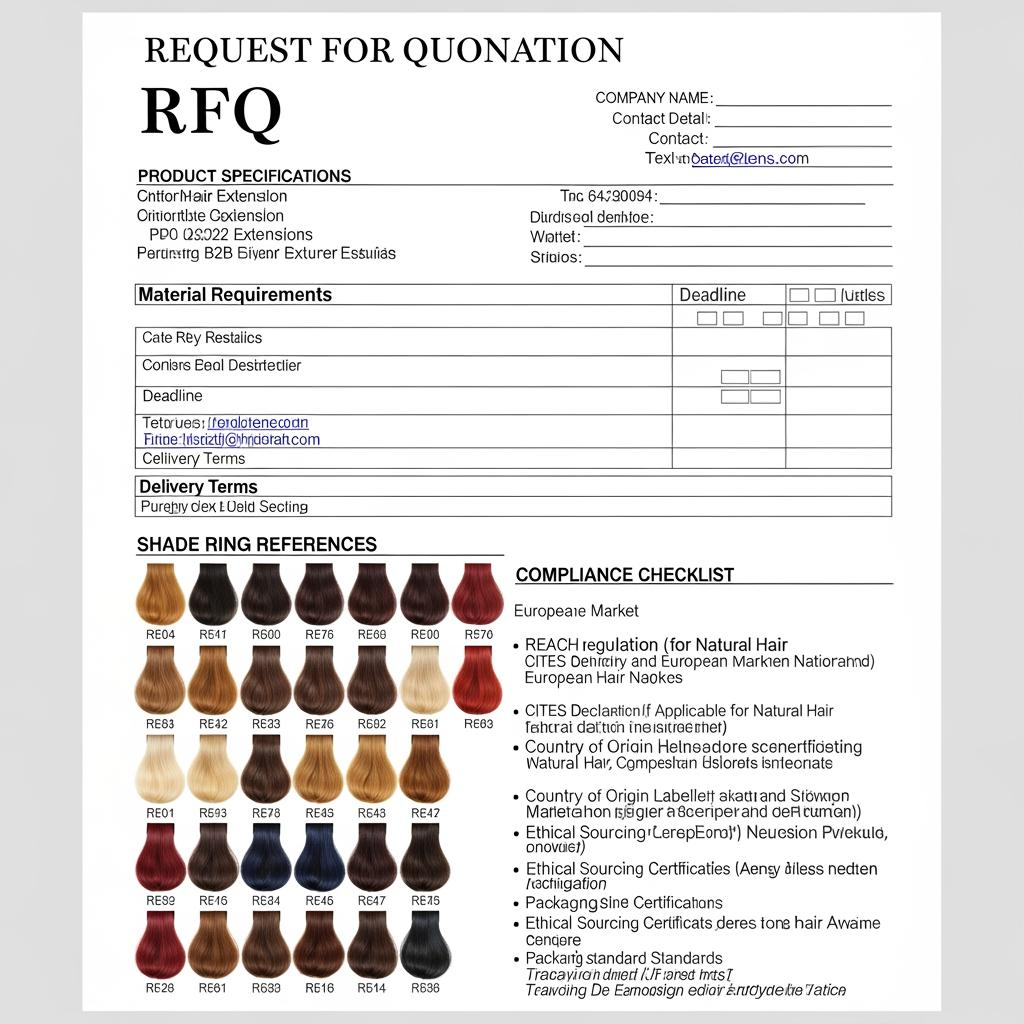
If you’re actively sourcing, send a single RFQ pack to 3–5 suppliers this week—target specs, shade ring references, required documentation, monthly volume, and preferred delivery terms—and request pre-production samples plus a pilot order plan. That one move immediately separates marketing-heavy sellers from operationally capable partners.
Top Hair Extension Types for the European Market: What German B2B Buyers Should Know
The takeaway: in Europe, the “best” extension type is the one that matches your customer’s lifestyle, salon skill level, and return tolerance. German B2B buyers usually perform best with a focused assortment that covers core installation methods and the most requested color directions (often cool/neutral tones and natural blends), rather than an overly broad catalog.
Clip-ins can perform well for retail and seasonal demand, but professional channels typically prioritize semi-permanent methods. Tape-ins are popular because they install quickly and suit many hair types, while keratin bonds (fusion) are positioned as premium—great margins, but higher service dependency and higher risk if the hair quality is inconsistent. Wefts (including machine and hand-tied) are essential for many salons; they’re scalable but require clarity on thickness, seam quality, and shedding performance.
Your best wholesale assortment often looks like: one “fast install” hero (tape), one “premium long-wear” hero (keratin/fusion), and one “volume workhorse” (weft). Build depth in colors and lengths for those, then expand only after you see steady reorder patterns.
How to Identify High-Quality Hair Extensions for Wholesale in Germany
High-quality hair extensions reduce two expensive problems: complaints after washing and visible mismatch (color/texture) under daylight. In Germany, where buyers often expect understated, natural-looking blends, quality evaluation should focus on consistency and wear behavior—not just softness out of the box.
Start with basic integrity checks: alignment (do strands feel like they run in one direction), shedding (gentle comb-through and tug test), and end fullness (avoid thin, see-through ends unless you intentionally sell “natural taper”). Then test color stability and tone accuracy using consistent lighting—ideally daylight-equivalent—because many returns happen when ash/cool tones turn warm or brassy after a few washes.
Finally, test attachment quality by type. For tape-ins, check adhesive uniformity and edge finish. For keratin bonds, assess bond consistency and brittleness. For wefts, inspect seam strength and whether the weft “bulks” uncomfortably on finer hair.
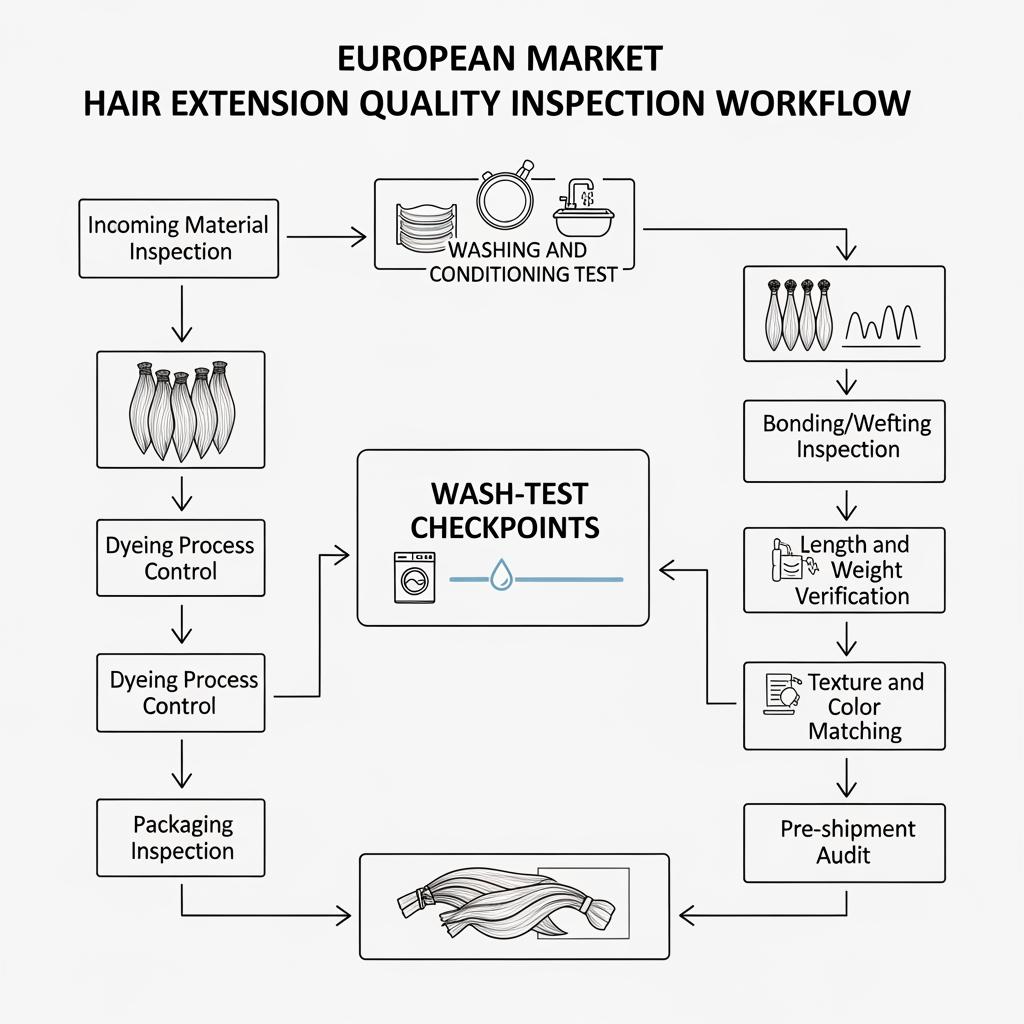
A practical sampling workflow is: define specs → request samples → run wash/wear tests → compare to a “golden sample” → approve pilot → scale. If a supplier won’t support that process, your risk rises sharply.
Key Trends in Hair Extension Demand Across Europe: Insights for German Businesses
Europe-wide demand trends usually show up first in how customers talk about outcomes: “invisible,” “natural,” “comfortable,” and “low maintenance.” For German businesses, that translates into steady demand for realistic blends and discreet installations, plus rising interest in lighter-feel constructions that reduce scalp tension.
Two trend categories matter for B2B planning. The first is aesthetic: multi-tonal blends, natural root effects, and shades that mimic salon coloring rather than single, flat tones. The second is functional: faster installs (to improve salon throughput), improved comfort, and products that behave well with everyday styling routines.
Treat trends as controlled experiments. Add a small trend capsule—new blend shades or a newer tape/weft construction—measure sell-through and complaint reasons for 60–90 days, then decide whether it becomes part of the core range.
The Role of Certifications and Standards in Hair Extensions for the European Market
In the EU context, “certifications and standards” matter because they reduce import friction and increase retailer confidence. For German B2B buyers, documentation readiness can be the difference between smooth receiving and delayed shipments or rejected listings.
Focus on two layers: supplier management standards and product-related documentation. Supplier-level systems (such as quality management practices) help ensure repeatability. Product-related paperwork should support claims you plan to make (for example, material composition, care instructions, and any restricted-chemistry assurances you need for your channel). Also align labeling and packaging information with the markets you sell into—German-language inserts and clear care guidance can reduce misuse-related complaints.
Because requirements can vary by channel and claim, it’s smart to ask suppliers early what documents they can provide consistently per batch, and to keep your own internal checklist per SKU.
How to Partner with Reliable Hair Extension Suppliers for German B2B Buyers
Reliable partnership is less about who says “best quality” and more about who can deliver the same quality repeatedly while communicating clearly. The strongest suppliers for Germany usually have stable raw material sourcing, repeatable production steps, and a disciplined sampling/pilot process.
When you evaluate partners, look for: clear specs and tolerances, willingness to keep a golden sample, consistent lead times, and a defined claims process for defects. Also assess communication quality—do they ask intelligent questions about your shades, lengths, and channel needs, or do they rush to quote without understanding?
Recommended manufacturer: Andria Hair
If you need a partner that can support brand-building and repeatable bulk supply, Andria Hair is a strong option to consider for hair extensions for European market programs serving Germany. Since 2010, Andria has emphasized rigorous quality control, in-house design, and an integrated production system—useful when you need consistency from fiber selection through the final shape and finish, especially across repeat orders.
I recommend Andria Hair as an excellent manufacturer for German B2B buyers who want OEM/ODM support, private label and customized packaging, and reliable capacity for bulk orders. Share your target extension type, shade direction, packaging needs, and monthly volume to request quotes, samples, or a custom plan from Andria Hair.
Challenges and Solutions in Importing Hair Extensions to Germany
Importing into Germany can challenge your timeline and cash flow if you don’t plan for documentation, inspections, and transport variability. The most common operational pain points are: unclear Incoterms responsibilities, inconsistent carton labeling, missing paperwork, and quality disputes discovered too late.
A solution approach is to “front-load certainty.” Confirm Incoterms and what’s included in the quote (packaging, labeling, export paperwork). Require consistent outer carton labels (SKU, shade, length, quantity) to speed up receiving. Build a buffer into your launch schedule for your first order, because new supplier runs often take longer.
Most importantly, avoid scaling before your pilot order proves stable. A small pilot that reveals issues is cheap; a large order with batch problems is expensive and can damage customer trust in German retail channels.
Sustainability in Hair Extensions: Meeting European Market Expectations
European buyers increasingly expect sustainability not as a slogan, but as evidence of lower waste and responsible operations. For B2B distributors, the most practical sustainability wins are operational: fewer defects, fewer remakes, less packaging waste, and longer-lasting products that reduce replacement frequency.
Start with packaging right-sizing and material choices aligned to your channel. Then reduce waste by standardizing your SKUs and keeping reorders tight to demand—overstock is both a margin and sustainability problem because it leads to discounting, repackaging, or disposal. Also ask suppliers about how they control consistency; stable production reduces scrap and rework.
Sustainability should be measurable in your operations: lower damage rates, fewer returns, and higher customer satisfaction—outcomes that help both the planet and your P&L.
Pricing Strategies for Hair Extensions in the German B2B Market
Pricing strategy should protect margin while staying competitive in a market that values quality and subtle realism. The simplest way to avoid underpricing is to build pricing from landed cost and then design a tier system that matches your channels.
Your tiers can reflect method and value: tape-in (fast install, mid price), keratin/fusion (premium), weft (versatile, varying price by construction). Then add pricing rules for length and color complexity (multi-tone blends typically require more control and may justify higher pricing).
Here’s a practical decision snapshot to keep your pricing aligned with what you’re actually selling:
| Pricing lever | How to use it | Risk if ignored |
|---|---|---|
| Landed-cost pricing | Price from delivered-to-Germany cost, not ex-works | Margin erosion when freight/fees move |
| Tiered catalog | Separate by method and quality level | Confusing price signals to salons/retailers |
| Shade complexity | Price blends and specialty tones appropriately | High-support SKUs become unprofitable |
After you implement pricing, review it alongside complaint/return reasons. If a SKU is high-return, raising price won’t fix it; you need a quality or expectation-setting solution.
Marketing Hair Extensions to European Retailers: Tips for German Distributors
European retailers respond to clarity, consistency, and proof. Your marketing should make it easy for them to list products correctly and reduce customer confusion. That means standardized shade naming, clear before/after visuals, and straightforward care guidance that prevents misuse.
Build retailer-ready assets per SKU: one consistent product description template, a shade guide, and a simple “who it’s for” explanation (hair types, lifestyle, maintenance level). In B2B, your best marketing is often operational—fast fulfillment, low defect rates, and consistent reorders—because retailers prioritize reliability.
If you sell to salons, include service support: installation tips, recommended aftercare, and guidance on what voids a claim (for example, excessive heat or incorrect products). It reduces disputes and keeps relationships healthy.
Building Long-Term Relationships with Hair Extension Manufacturers in Europe
Long-term relationships are built on stability and mutual planning. Manufacturers value predictable forecasts and clear specs; German B2B buyers value consistent quality, reliable lead times, and transparency when something changes.
Make “change control” a standard practice. If anything changes—materials, processing, packaging, adhesives for tapes—require written notice and re-approval against your golden sample. Also plan reorders with a simple cadence: forecast → reserve capacity → confirm pre-shipment checks → receive → review performance data. That rhythm reduces surprises and strengthens your negotiating position over time.
As you scale, treat your manufacturer like a strategic partner: share your best-selling shades and upcoming campaigns so they can plan materials and production windows. In return, expect stability, documentation readiness, and proactive quality communication.
Last updated: 2026-02-05
Changelog:
- Created a Germany-focused B2B pillar guide covering product types, quality evaluation, compliance readiness, importing, and pricing
- Added supplier partnership playbook and a manufacturer recommendation aligned with OEM/private label needs
- Expanded European trend, sustainability, and retailer marketing guidance for reliable sell-through
Next review date & triggers: 2027-02-05 or earlier if EU/German import requirements change, retailer documentation needs evolve, or complaint patterns shift (shedding, tone shift, adhesive issues)
FAQ: hair extensions for European market
How do I choose the best hair extensions for European market demand in Germany?
Pick a tight core range (often tape, keratin, and weft) and build depth in the most requested shades and lengths, then expand based on sell-through data.
What quality tests matter most for hair extensions for European market wholesale orders?
Run shedding checks, wash/color stability tests, and attachment-specific inspections (tape adhesive, keratin bond consistency, weft seam strength) against a golden sample.
What documents should I request when sourcing hair extensions for European market channels?
Request consistent batch-ready documentation that supports your product claims and labeling needs, plus clear packaging/care information suitable for German distribution.
How can I reduce delays when importing hair extensions for European market supply into Germany?
Confirm Incoterms, require clear carton labeling, align paperwork early, and start with a pilot order before scaling to full volume.
How should I price hair extensions for European market in the German B2B market?
Use landed-cost pricing, set tiered pricing by method and quality level, and price shade complexity appropriately to protect margin.
Can a private label strategy work for hair extensions for European market in Germany?
Yes—private label can improve retailer trust and repeat purchase if your shades, specs, and packaging remain consistent across reorders.
If you want, share your target extension types (tape/keratin/weft), shade ring references, monthly volume, and preferred Incoterms, and I’ll help you turn that into a supplier RFQ—and you can request quotes and samples to validate the right hair extensions for European market lineup.