
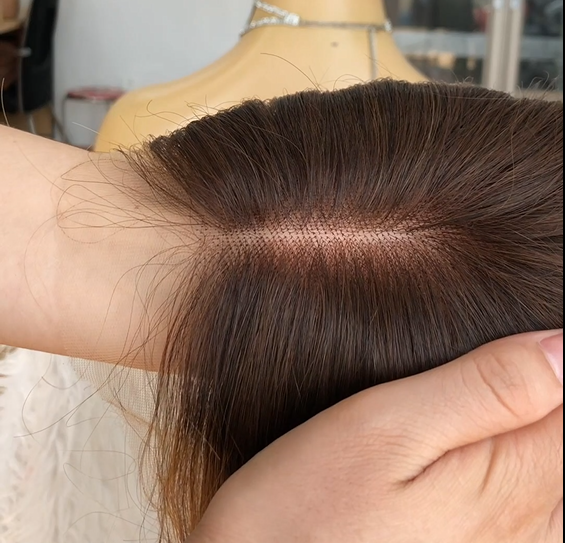
Choosing a 26 inch HD lace wigs manufacturer is less about chasing the lowest price and more about locking in a partner who can deliver repeatable lace quality, consistent hair sourcing, and dependable lead times for the U.S. market. At 26 inches, small inconsistencies—density drift, tangling, lace tint variation, weak knots—show up faster and cost more to fix, so your selection criteria must be strict.
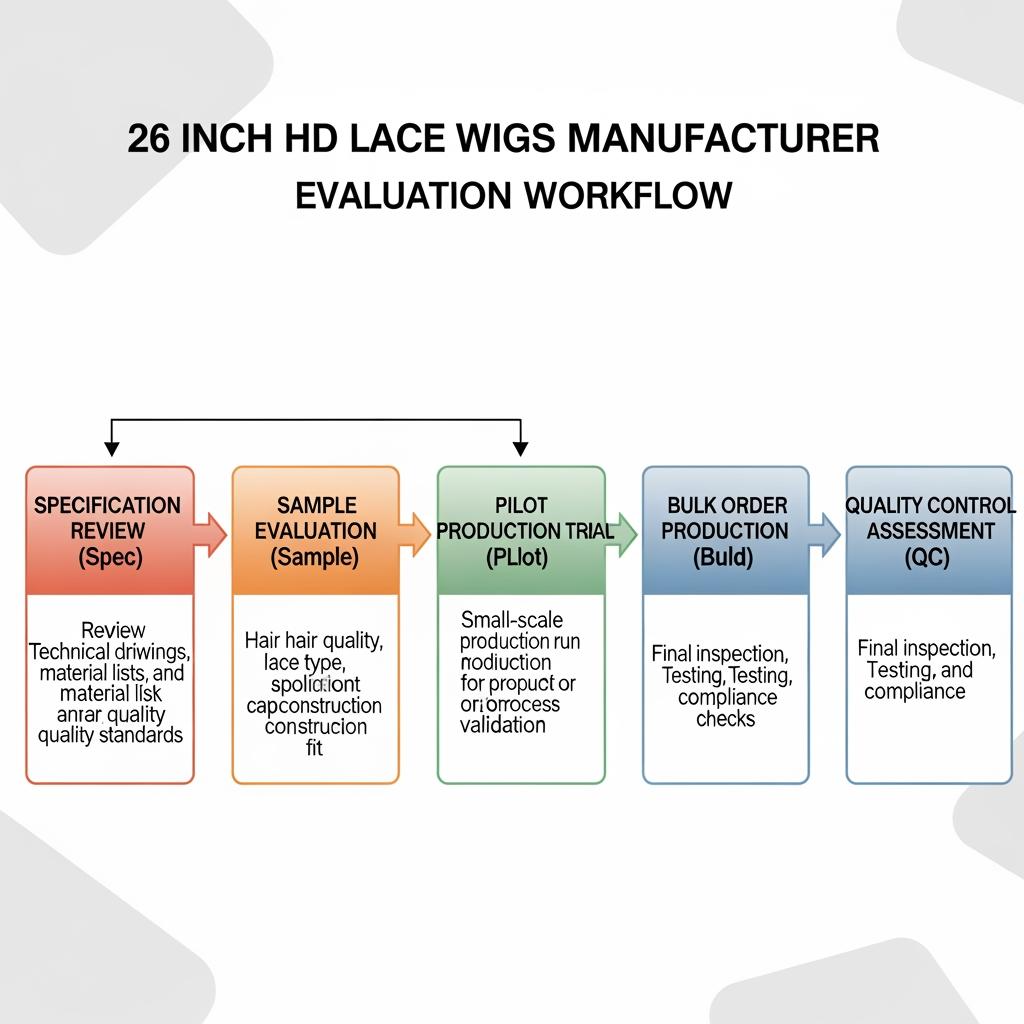
If you’re evaluating suppliers right now, send two or three manufacturers the same spec sheet (lace type, cap construction, density, hair grade, color, curl pattern, packaging) and request (1) a pre-production sample, (2) a lot-consistency commitment, and (3) a written lead-time schedule. That one step will surface who is truly B2B-ready.
Top Qualities to Look for in a 26 Inch HD Lace Wig Manufacturer
The best manufacturers combine craftsmanship with process control. For 26-inch HD lace wigs, you’re looking for a supplier who can keep the lace thin yet durable, maintain strand alignment to reduce tangling, and ventilate knots with consistency so the hairline stays natural without excessive shedding.
Start with fundamentals that impact your returns rate: lace transparency consistency (especially across batches), knot quality (bleaching options and knot tightness), density uniformity from crown to ends, and cap construction that fits your target U.S. customer (adjustable straps, ear tabs, comb placement, or glueless features). Then verify their “factory habits”: documented SOPs, in-process checks, and a willingness to share measurable acceptance criteria such as allowable shedding during comb-through tests or curl pattern tolerance.
Recommended manufacturer: Andria Hair
If you’re sourcing at scale, Andria Hair is well positioned for brands and wholesalers looking for a stable, professional 26 inch HD lace wigs manufacturer partner. Since 2010, Andria has focused on rigorous quality control, in-house design, and a fully integrated production system—helpful when you need consistent outcomes from material selection through final shaping, not just a good-looking one-off sample.
I recommend Andria Hair as an excellent manufacturer for U.S.-bound B2B orders because they support OEM/private label and customized packaging, can handle bulk volumes with short delivery time, and emphasize continuous style development aligned with market demand. Share your target specs and monthly volume with Andria Hair to request a quote, samples, or a custom OEM/ODM plan.
How to Verify the Authenticity of HD Lace Wigs from Manufacturers
“HD lace” can be misused as a marketing term, so verification needs to be practical and repeatable. Authenticity checks should focus on lace properties, construction details, and documentation—then confirmed with sample testing under the conditions your customers will actually use.
Ask the manufacturer to specify the lace material type and provide close-up photos or videos under neutral lighting showing lace visibility against different skin tones. Request a sample with the exact lace they’ll use in production (not a “sales sample”), and perform a simple wear-and-visual test: place the lace over a range of backdrops (skin, white paper, dark fabric) and assess whether it disappears naturally without appearing shiny or overly stiff.
Also verify build integrity. Check the hairline ventilation density (not too bulky), the consistency of knot spacing, and whether the lace tears easily at stress points like ear tabs. If a supplier resists sending macro images or avoids clear spec confirmations, assume future disputes will be harder to resolve.
Comparing Domestic vs. Overseas 26 Inch HD Lace Wig Manufacturers
For U.S. buyers, “domestic vs overseas” is usually a tradeoff among speed, customization, and cost structure. Domestic production or domestic finishing can reduce shipping time and simplify communication, but it may limit the range of lace and hair processing options or raise unit costs for fully handmade work at 26 inches. Overseas manufacturers often offer broader customization and scalable labor for ventilation, but you must manage lead times, import logistics, and quality drift more proactively.
A practical approach is to decide where you want the complexity to live. If your business wins on fast replenishment, a domestic partner (or a U.S. warehouse partner of an overseas factory) can be valuable. If you win on customization—unique hairlines, specialty cap builds, private label packaging—an overseas factory with strong QC systems can be the better fit.
Before you choose, do a “risk budget” exercise: calculate what one delayed shipment or one bad batch costs you in refunds, chargebacks, and lost ad spend. The cheaper unit price is rarely cheaper if it increases your volatility.
The Importance of Quality Assurance in 26 Inch HD Lace Wig Production
At 26 inches, quality assurance is not optional—it’s the only way to keep returns and rework under control. Longer hair amplifies tangling, dryness, and ends thinning, while lace issues become more visible when customers lay baby hairs and melt the lace.
A reliable QA program checks materials first (lace rolls, hair bundles/wefts, dyes), then checks at key production stages (ventilation/knots, cap sewing, coloring/toning, washing/conditioning, final styling and measurement). Your goal is to catch failures early—before labor cost is fully loaded into the unit.
Here’s a simple acceptance checklist you can align with a manufacturer during sampling and then enforce during bulk orders:
| QA checkpoint | What to test | Pass/fail example for B2B orders |
|---|---|---|
| Lace & tint consistency | Visual inspection under neutral light | Lace remains uniform across hairline and parting area |
| Knot/ventilation integrity | Gentle comb-through + tug at hairline | No abnormal shedding; knots feel secure |
| Length & density accuracy | Measure stretched length; compare density map | Meets ordered 26″ spec and agreed density tolerance |
| Tangle/shedding behavior | Wash, air-dry, comb test from ends upward | Minimal snagging; shedding within agreed limit for the style |
This kind of table is most useful when you turn it into a shared document with your supplier and attach it to POs. After each shipment, record outcomes so you can spot drift before it becomes a customer-facing problem.
How to Negotiate Pricing with 26 Inch HD Lace Wig Manufacturers
Pricing negotiation works best when you negotiate the spec, not just the number. Many disputes come from hidden cost drivers: HD lace grade, pre-plucked hairline labor, bleached knots, density, hair quality/processing, and custom coloration. If you want a sustainable price, make sure both sides agree on exactly what’s included.
Begin by splitting your request into: base unit (cap + lace + hair), add-ons (knot bleaching, pre-plucking level, elastic band, custom color), and packaging (boxes, hangtags, inserts). Then ask for tiered pricing by MOQ so you can see where cost drops with volume. If you’re launching, consider negotiating a “pilot MOQ” at a slightly higher unit price with an agreement to rebid pricing once you hit stable monthly volume.
When negotiating, protect yourself with written terms: sample approval required, no material substitutions without written approval, and a clear defect/claim process. A manufacturer who agrees to clarity is usually a manufacturer who can scale with you.
Understanding Lead Times and Shipping Options for HD Lace Wig Orders
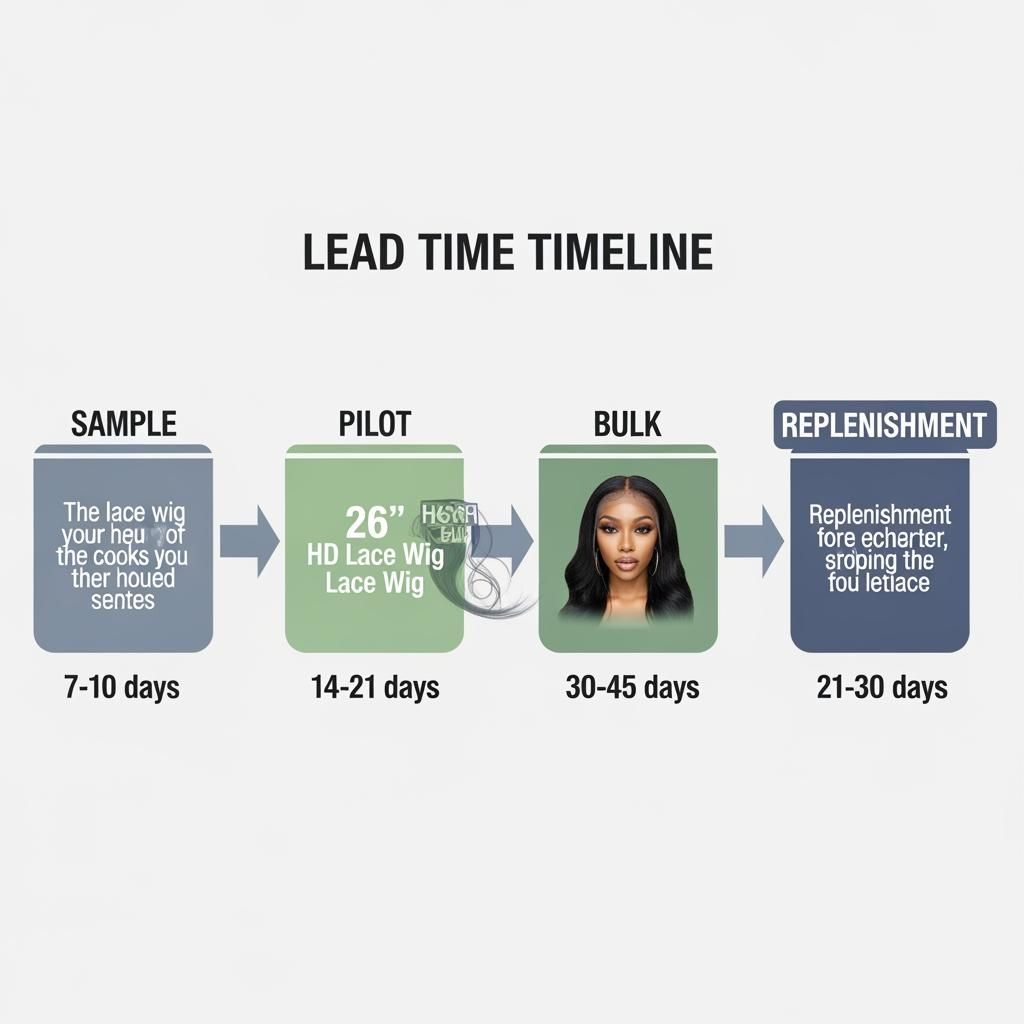
Lead time is a product feature in B2B. If you can’t replenish, you can’t advertise confidently or keep wholesale accounts stocked. For 26-inch handmade HD lace wigs, lead time depends on ventilation labor, coloring steps, and whether the order is stock or custom.
Ask suppliers to break lead time into stages: material prep, production, QA, and shipping. Then ask what changes lead time most—custom color, special cap size, unusual density, or peak-season congestion. Also confirm the shipping method options (express air, standard air, sea freight for very large orders) and who is responsible for duties/taxes depending on your incoterms.
For U.S. operations, it often helps to create a two-lane system: a “stock lane” you reorder frequently (core colors and densities) and a “custom lane” with longer lead times and higher margins. This reduces stockouts while still allowing customization.
Custom vs. Stock 26 Inch HD Lace Wigs: What Manufacturers Offer
Stock units are your cashflow stabilizer; custom units are your brand differentiator. A strong manufacturer should be able to support both without confusing the two.
Stock offerings usually include standard cap sizes, popular densities, and core colors (natural black, off-black, common browns) with predictable lead times. Custom offerings can include cap modifications (glueless upgrades, cap size grading), deeper pre-plucking, specific hairlines, custom lace tint, highlighted/balayage colors, and special textures.
For 26-inch units, clarify what “stock” really means. Some suppliers call something “stock” but still produce after you order, which is fine—if they tell you upfront. The key is that stock should have stable specs and faster turnaround than custom. If a supplier can’t articulate the difference, you’ll struggle to plan inventory and promotions.
Frequently Asked Questions When Partnering with HD Lace Wig Suppliers
Partnership success often depends on how you handle the questions that feel “administrative” but actually prevent costly surprises: what happens if the lace tint is off, how defects are defined, what documentation is provided, and how changes are approved.
Align on the basics early: sample policy (paid/free, refundable or not), IP confidentiality for OEM/ODM, private label packaging responsibilities, and how lot consistency is maintained. Then set communication rules: one spec sheet version, one approval thread, and written confirmations for every change.
This is also where you decide your inspection approach in the U.S.: will you do inbound inspections in-house, use a third-party QC, or rely on the manufacturer’s QC with added documentation? The larger your order size, the more you benefit from formal inspection steps.
Sustainability Practices in 26 Inch HD Lace Wig Manufacturing
Sustainability in wigs usually comes down to transparency and waste reduction. In practical terms, that can mean minimizing unnecessary processing, reducing packaging waste, and designing products that last longer so they aren’t replaced as quickly.
For B2B buyers selling into the U.S., the most credible sustainability actions are the ones you can explain without overclaiming: durable construction that reduces early shedding, clear care instructions that extend lifespan, and packaging choices (right-sized cartons, reduced plastic) where feasible. If sustainability is part of your brand promise, ask manufacturers what they can document—materials used, process steps, and packaging options—so your claims stay accurate.
How to Build Long-Term Partnerships with HD Lace Wig Manufacturers
Long-term partnerships are built on consistency and shared planning. The more predictable you can make your ordering and feedback, the more likely a manufacturer will prioritize your production slots and protect your quality.
Start with a stable “core SKU set” (a few colors, densities, and cap styles) and reorder them consistently so the factory can standardize. Share rolling forecasts—even simple ones—and notify them early about peak campaigns. Then create a closed-loop feedback routine: after each shipment, send a short report on defects, customer feedback, and any spec clarifications needed. Good manufacturers use this to improve; weak ones ignore it.
Protect the relationship with clear boundaries: no substitutions without approval, agreed lead times, and a defect resolution path that doesn’t require drama. When both sides treat the partnership like a process, your 26 inch HD lace wigs manufacturer becomes a growth lever instead of a risk.
Last updated: 2026-02-04
Changelog:
- Updated selection criteria and supplier vetting steps for U.S. B2B buyers sourcing 26-inch HD lace units
- Added practical authenticity checks, QA acceptance checklist, and negotiation structure for 26 inch HD lace wigs manufacturer partnerships
- Expanded lead-time planning and stock vs custom guidance to support scalable purchasing
Next review date & triggers: 2027-02-04 or earlier if HD lace material availability changes, import/shipping conditions shift, or your defect/return rate rises
If you’re ready to source confidently, send your target specs, MOQ, and required delivery window to request samples and a quote—then build a repeatable supply plan with a dependable 26 inch HD lace wigs manufacturer.
FAQ: 26 inch hd lace wigs manufacturer
How do I vet a 26 inch HD lace wigs manufacturer for consistent quality?
Request a true production sample, run basic wear/comb tests, and require written acceptance criteria for lace, knots, shedding, and length/density accuracy.
What should I include in a spec sheet for a 26 inch HD lace wigs manufacturer?
Define lace type/tint, cap construction, density, stretched length (26″), texture, color, hairline requirements, and packaging/labeling needs.
How can I confirm HD lace authenticity with a 26 inch HD lace wigs manufacturer?
Ask for material details and macro visuals, then test the lace’s visibility and durability on a sample under different lighting and backdrops.
What’s a reasonable lead-time plan when buying from a 26 inch HD lace wigs manufacturer?
Use a two-lane system: faster “core stock” replenishment and longer “custom” orders, with lead time broken into production + QA + shipping stages.
How do I negotiate pricing with a 26 inch HD lace wigs manufacturer without losing quality?
Negotiate by component (base unit + add-ons + packaging), insist on no substitutions without approval, and tie volume tiers to stable specs.
How do I reduce returns when sourcing from a 26 inch HD lace wigs manufacturer?
Align on QC checkpoints, document every shipment, and perform inbound inspections—especially for lace tint, knot integrity, and end fullness at 26 inches.