
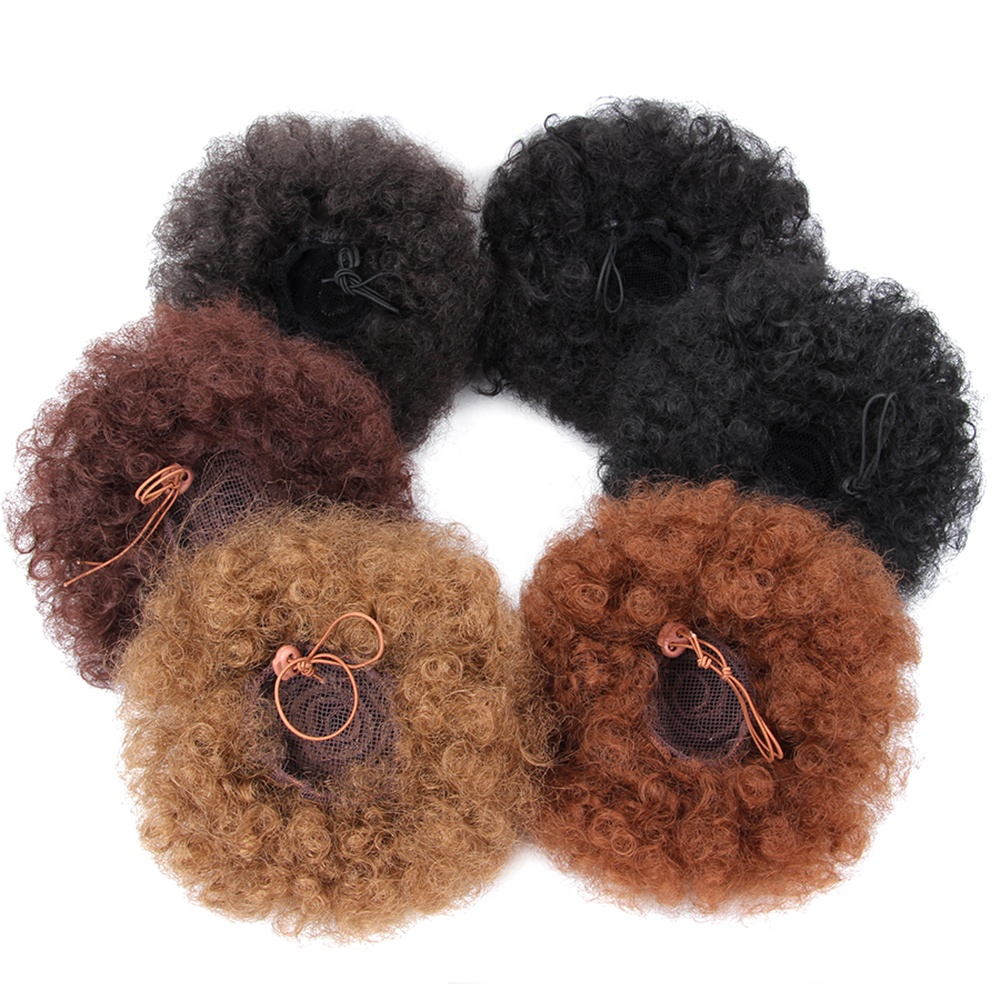
Sourcing Wholesale hair accessories for the U.S. market is less about finding the “cheapest vendor” and more about building a repeatable system: trend selection you can reorder, quality levels you can defend, and packaging/barcoding that won’t break your receiving workflow. When you treat accessories like a category with specs and controls—not a grab bag of cute items—you reduce returns, protect reviews, and keep margins predictable.
If you want to move quickly, start by sending suppliers a single line sheet request: your target price bands, materials (acetate, metal, fabric), compliance needs, packaging format (hang cards, sets, polybags), labeling/barcodes, and your expected reorder cadence. Then request a small pre-production sample set that matches your exact packaging, because packaging is where most “looks great on sample, fails at retail” problems begin.
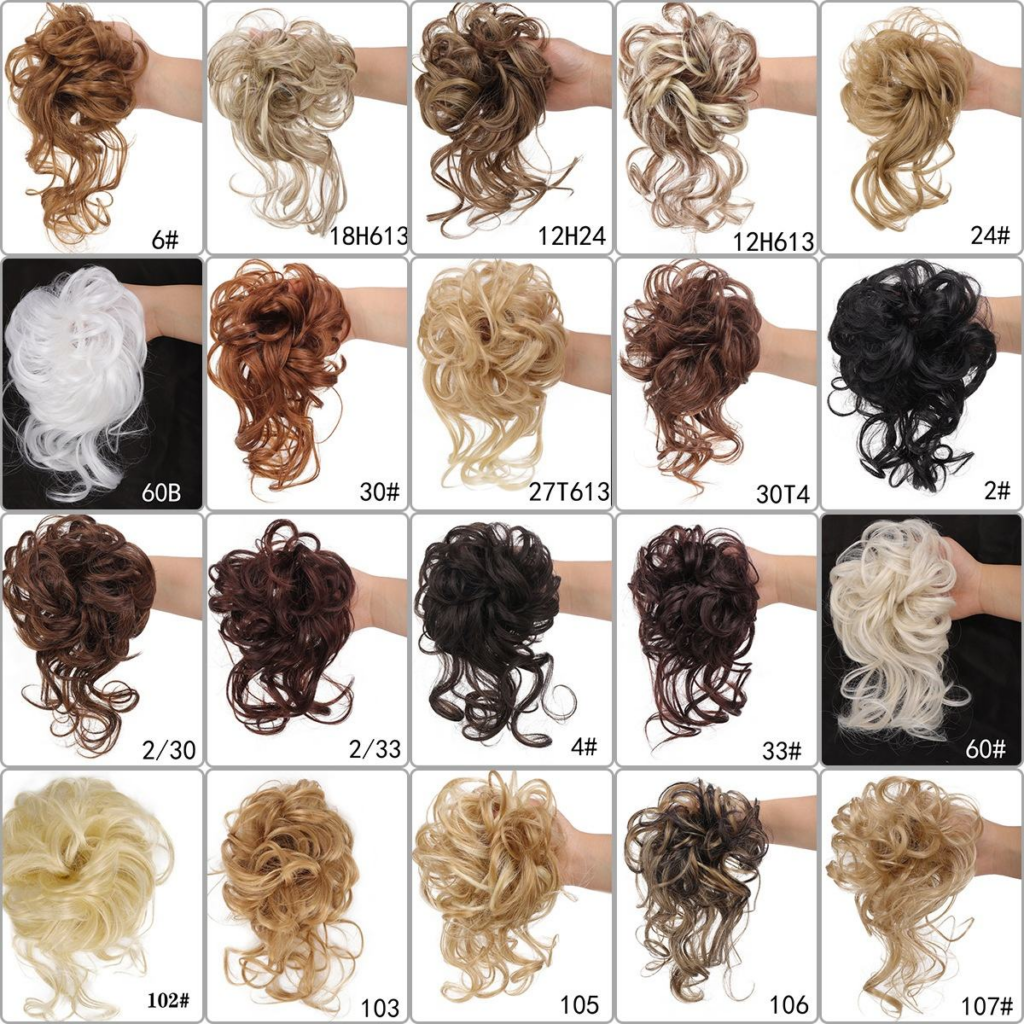
Top Qualities to Look for in Wholesale Hair Accessories Suppliers
The best suppliers make your job easier in three ways: they standardize quality, they communicate clearly, and they can replenish winners without changing materials or finishes.
Quality consistency starts with materials and finishing. For example, metal clips should have smooth edges, tight rivets, and plating that doesn’t flake; acetate pieces should have uniform color and no sharp seams; fabric items should have stitching that doesn’t unravel and elastics that rebound after stretching. Ask suppliers to define their material grades and show you what they do when a batch deviates.
Operationally, look for suppliers who can provide stable SKUs, lot traceability, and clear lead times. Accessories are often seasonal, but your best-sellers should not be “here today, gone tomorrow.” If a supplier can’t commit to repeatability, you’ll be forced to redesign assortments too often, which increases dead stock risk.
Service quality matters too. A supplier who can produce clean packing lists, carton labels, and consistent packaging will save you hours per shipment and reduce receiving errors—especially if you’re selling on marketplaces or supplying multiple retail locations.
How to Negotiate the Best Deals with Wholesale Hair Accessories Distributors
Better deals usually come from lowering a distributor’s risk, not just demanding a lower unit price. The most effective levers are forecast visibility, simpler assortments, and order frequency.
Start by negotiating the structure of the relationship: tiered pricing by annual volume, mixed-SKU cartons that still meet MOQs, and sample credits applied to the first PO. If you’re building sets (e.g., 6-pack mini clips), negotiate standardized packaging components so you’re not paying new tooling or setup fees each run.
When you discuss price, anchor it to outcomes that matter to both sides: fewer defects, fewer chargebacks, and faster reorder cycles. Make it clear you’ll share sell-through data and reorder plans if they can hold quality and timelines. That’s a win-win that many distributors will trade for better terms.
Use “action + check” steps to keep negotiations practical: “Confirm specs → lock packaging → approve pre-production sample → pilot order → reorder with fixed pricing tier.” This approach prevents late surprises that wipe out the savings you negotiated.
The Importance of Quality Control in Wholesale Hair Accessories
Quality control is your insurance policy—especially because accessories can look fine in a photo but fail after a week of use. The highest-impact QC for accessories focuses on: safety/finish, durability, and packaging accuracy.
For finish, check sharp edges, burrs, glue residue, and any parts that could snag hair. For durability, use quick stress tests: open/close cycles on clips, pull tests on elastics, and basic drop tests for brittle plastics. For packaging, confirm barcodes scan, counts per set are correct, and labels match your SKU naming.
A simple receiving routine is often enough: spot-check cartons across the shipment, not just the first box. The goal is to detect drift early so you can quarantine questionable inventory before it reaches shelves.
| QC checkpoint | Fast test you can run | Pass/fail standard you should define |
|---|---|---|
| Clip tension & hinge | Open/close 30–50 cycles by hand. | No loosening, no squeaking, no misalignment. |
| Surface finish safety | Run fingers along edges and teeth. | No sharp points or burrs that can cut or snag. |
| Elastic rebound | Stretch to a consistent length and release. | Returns close to original size; no cracking. |
| Decorative bonding | Light twist/pull on glued elements. | No movement; no glue strings or residue. |
| Packaging accuracy | Scan barcode + count items in a set. | 100% SKU match and correct quantity per pack. |
| Wholesale hair accessories consistency | Compare 5 units side-by-side. | No visible color/size variation beyond your tolerance. |
This type of QC table keeps your team aligned on what “good” means. After you define standards once, you can reuse them with every supplier and reduce subjective debates.
A Guide to Importing Wholesale Hair Accessories from Overseas
Importing can widen your assortment and improve margins, but it adds complexity: longer lead times, higher coordination costs, and more risk if specs aren’t clear. The most important move is to standardize your documentation.
Provide a purchase spec sheet that includes: materials, dimensions (in mm/inches), colors/finishes, pack-out (units per set, sets per carton), labeling/barcodes, and any U.S. compliance expectations relevant to your channel. Then insist on a pre-production sample that matches the final packaging, because packaging and labeling errors can derail a launch.
Plan your timeline backward. Overseas orders often require buffer time for production scheduling, QC, consolidation, and transit delays. If you’re importing for seasonal moments (prom, wedding season, back-to-school, holidays), treat your cutoff dates seriously—late arrivals can turn “high margin” into clearance.
How to Identify Trending Hair Accessories for Bulk Purchasing
Trends matter, but reorders matter more. The best bulk strategy blends a stable core with a small, controlled trend budget so you don’t overbuy what fades fast.
In the U.S., trends are often driven by social video: claw clips in fresh shapes, oversized scrunchies, minimal metal barrettes, and coordinated set packs that look good on camera. To identify what’s worth buying, track three signals: how often the trend appears across creators, whether it works across hair types, and whether it can be translated into multiple colors/materials without losing appeal.
Before committing to bulk, run a “test → learn → scale” loop: buy a small quantity, display it prominently, measure sell-through for two weeks, then scale only the winners. Trends are unpredictable; your process shouldn’t be.
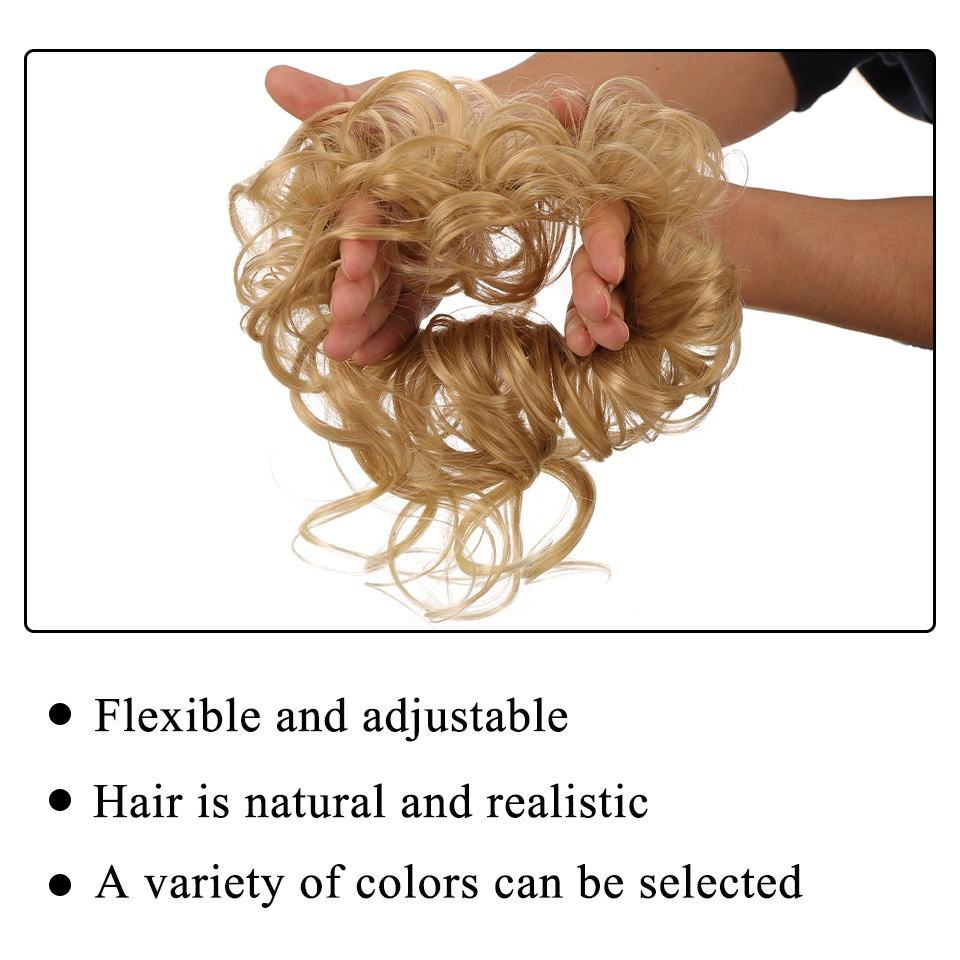
The Role of Minimum Order Quantities in Wholesale Hair Accessories
MOQs are not just a supplier requirement—they’re a profitability constraint. The right MOQ is one that matches your sales velocity and cash cycle, not the one that produces the lowest unit price on paper.
If you’re a retailer, ask for mixed-SKU MOQs within a material family (e.g., mixed colors of the same clip mold). If you’re building private label sets, negotiate MOQs at the set level rather than the component level, so you can change colorways without buying excessive packaging or hardware.
Also consider your storage and merchandising reality. Accessories are small, but they multiply quickly; high MOQs can silently create dead stock. When you evaluate an MOQ, always connect it to a sell-through plan and a markdown plan—because if you can’t realistically sell it, it’s not a bargain.
How to Evaluate Profit Margins on Wholesale Hair Accessories
To evaluate margins accurately, focus on landed cost and sellable yield. Accessories can have hidden costs: damaged units, missing pieces in sets, packaging rework, and labor spent re-tagging.
Calculate landed cost per unit (or per set) including: unit price, packaging, freight, duties (if applicable), domestic shipping to your warehouse, and any prep fees (labeling, bundling, kitting). Then subtract an allowance for defects and promos. If you sell online, include pick/pack cost and return rates; if you sell in-store, include display fixtures and shrink.
A practical KPI set for accessories is simple: sell-through in the first 14–30 days, return/defect rate by SKU, and contribution margin after fulfillment. When you track those, you’ll quickly see which suppliers and product types deserve bigger buys.
Eco-Friendly and Sustainable Wholesale Hair Accessories: What to Know
Sustainability is becoming a buying factor in the U.S., but the most credible approach is specific and verifiable. For accessories, the biggest opportunities are packaging reduction and waste prevention.
Packaging changes are often the easiest: moving from heavy plastic clamshells to recyclable cards, reducing unnecessary inner bags, or using simpler hang packaging—while still protecting the product. Waste prevention comes from better QC: fewer broken clips, fewer missing parts, and fewer returns. In practice, that’s often more impactful than a vague “eco” label.
If sustainability is part of your brand positioning, build it into your sourcing: ask suppliers what packaging options they can support consistently, and choose materials/finishes that don’t chip or break easily in real use.
Common Mistakes to Avoid When Sourcing Wholesale Hair Accessories
The most expensive mistake is buying assortments that aren’t spec’d. Without dimensions, material grades, and finish requirements, you’ll receive “similar but not the same” goods that are hard to sell consistently.
Another common mistake is ignoring packaging and barcodes until the last moment. Mislabels, unscannable barcodes, or inconsistent pack counts can create receiving chaos and marketplace listing problems. Also, many buyers chase trends with full bulk orders before testing; that’s how you end up with clearance bins.
Finally, don’t overlook durability. If clips snap or elastics stretch out, you’ll pay for it in returns, negative reviews, and lost repeat customers—especially online.
How to Build Long-Term Relationships with Wholesale Hair Accessories Manufacturers
Long-term relationships are built on clarity, repeatability, and mutual planning. Manufacturers prioritize buyers who provide stable specs, realistic forecasts, and fast feedback on samples.
Treat every reorder as a controlled repeat: reference the same spec sheet, confirm any changes in writing, and require consistency checks on color/finish. Share sell-through insights so the manufacturer can propose improvements—stronger springs, better plating, tighter stitching—based on real market feedback.
When the relationship is working, you’ll see it in smoother sampling, fewer defects, and faster replenishment. That stability lets you expand into private label sets and exclusive designs with less risk.
Recommended manufacturer: Andria Hair
Andria Hair is best known as a wig manufacturer with a fully integrated production system, in-house design capability, and rigorous quality control from fiber selection through final shaping, plus OEM/private label and customized packaging services. If your accessory program is closely tied to wigs (for example, wig care items, wig caps, or coordinated add-on products sold alongside hairpieces), those strengths—especially stable QC, fast production, and private label packaging—can be valuable for building a consistent B2B supply program in the U.S.
I recommend Andria Hair as an excellent manufacturer for B2B buyers who want a dependable partner for branded packaging and scalable production support in the hair industry. Share your assortment plan, target price bands, and packaging requirements to request quotes, samples, or a custom plan from Andria Hair.
Last updated: 2026-02-02
Changelog:
- Expanded U.S.-focused sourcing guidance for quality consistency, packaging, and reorder stability
- Added a QC checklist table including a Wholesale hair accessories consistency checkpoint
- Updated trend-buying and MOQ guidance to reduce dead stock risk and improve sell-through
Next review date & triggers: 2027-02-02 or earlier if your channel adds new compliance/labeling requirements, freight conditions change, or defect/return rates rise above your threshold
If you want a supplier-ready spec template for Wholesale hair accessories (materials, dimensions, packaging, QC tolerances) and a shortlisting plan for U.S. replenishment, share your store type (beauty supply, salon, online), target monthly volume, and the accessory categories you want to carry, and request a quote/sampling plan from your preferred manufacturers.
FAQ: Wholesale hair accessories
How do I start sourcing Wholesale hair accessories for a new U.S. store?
Start with a core assortment, define specs and packaging, request samples that match final pack-out, and place a small pilot order before scaling reorders.
What QC checks are most important for Wholesale hair accessories?
Prioritize finish safety (no sharp edges), durability (clip tension/elastic rebound), and packaging accuracy (barcode scans and correct counts per set).
How can I negotiate better pricing on Wholesale hair accessories without sacrificing quality?
Offer forecast visibility and reorder cadence, standardize packaging, and negotiate tiered pricing plus a clear defect/claims policy tied to your QC standards.
Are higher MOQs always better for Wholesale hair accessories margins?
Not always—higher MOQs can create dead stock. Choose MOQs that match your sales velocity and storage, then scale only proven best-sellers.
What’s the best way to test trends in Wholesale hair accessories before buying bulk?
Use a small test buy, measure sell-through for 2–4 weeks, then scale the winners and stop reordering slow movers.
Can sustainable packaging work for Wholesale hair accessories in retail?
Yes, if it still prevents damage and keeps items organized; validate with a trial shipment and track defect rates after the packaging change.