
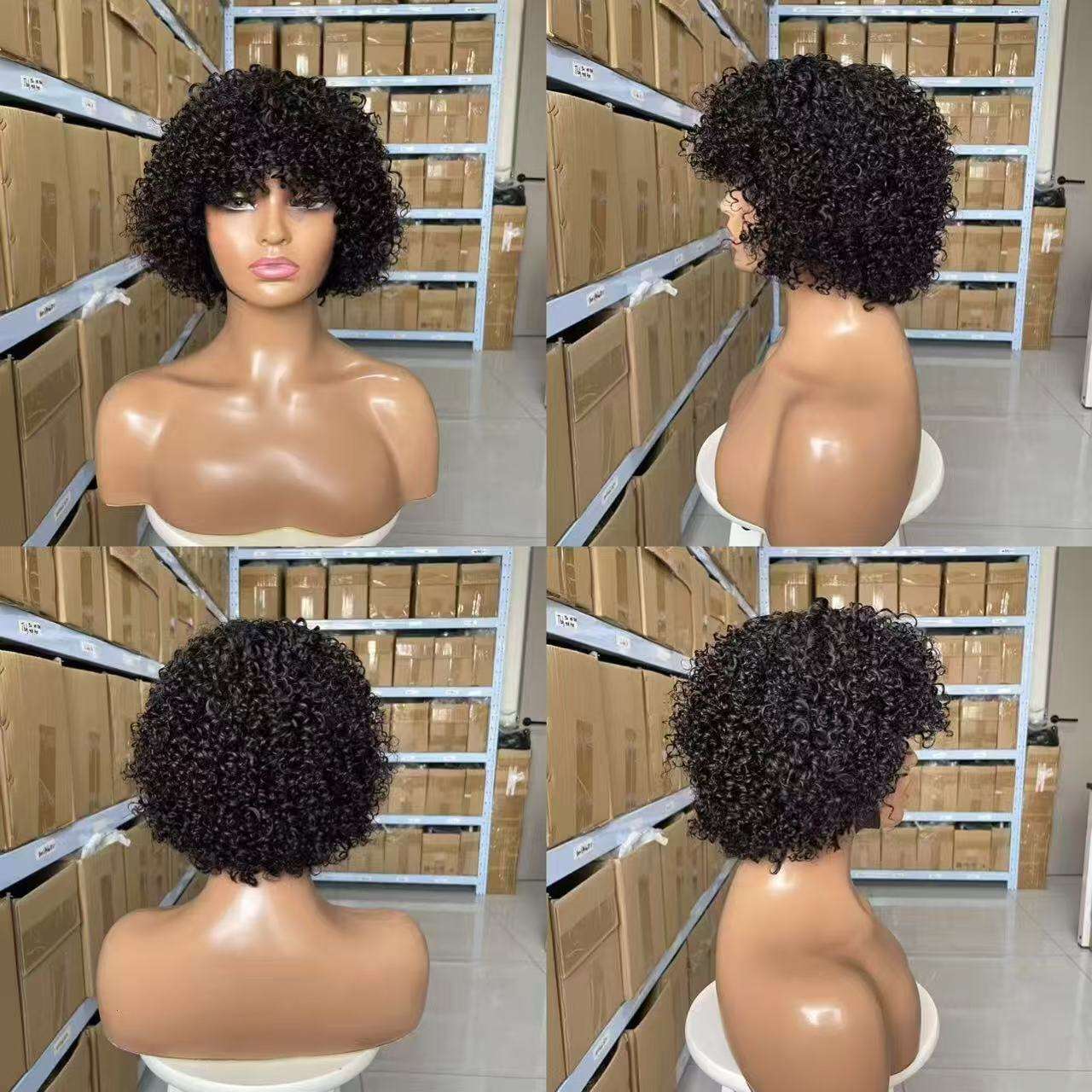
Buying from a jerry curl wig manufacturer in 2026 is mainly a consistency game: the curl pattern must match from sample to bulk, the hair must keep its curl memory after wash/steam cycles, and the factory must pack and ship units so curls arrive intact instead of crushed. If you manage those three variables—pattern, performance, and logistics—you can scale jerry curl SKUs with far fewer returns and far faster reorders.
If you’re sourcing now, share one reference photo/video per target curl size plus your length/density ladder, and ask your short-listed factories for (1) a golden sample, (2) a second-lot confirmation sample, and (3) their standard QC checkpoints for curl definition. That single request quickly separates true curl specialists from general wig suppliers.
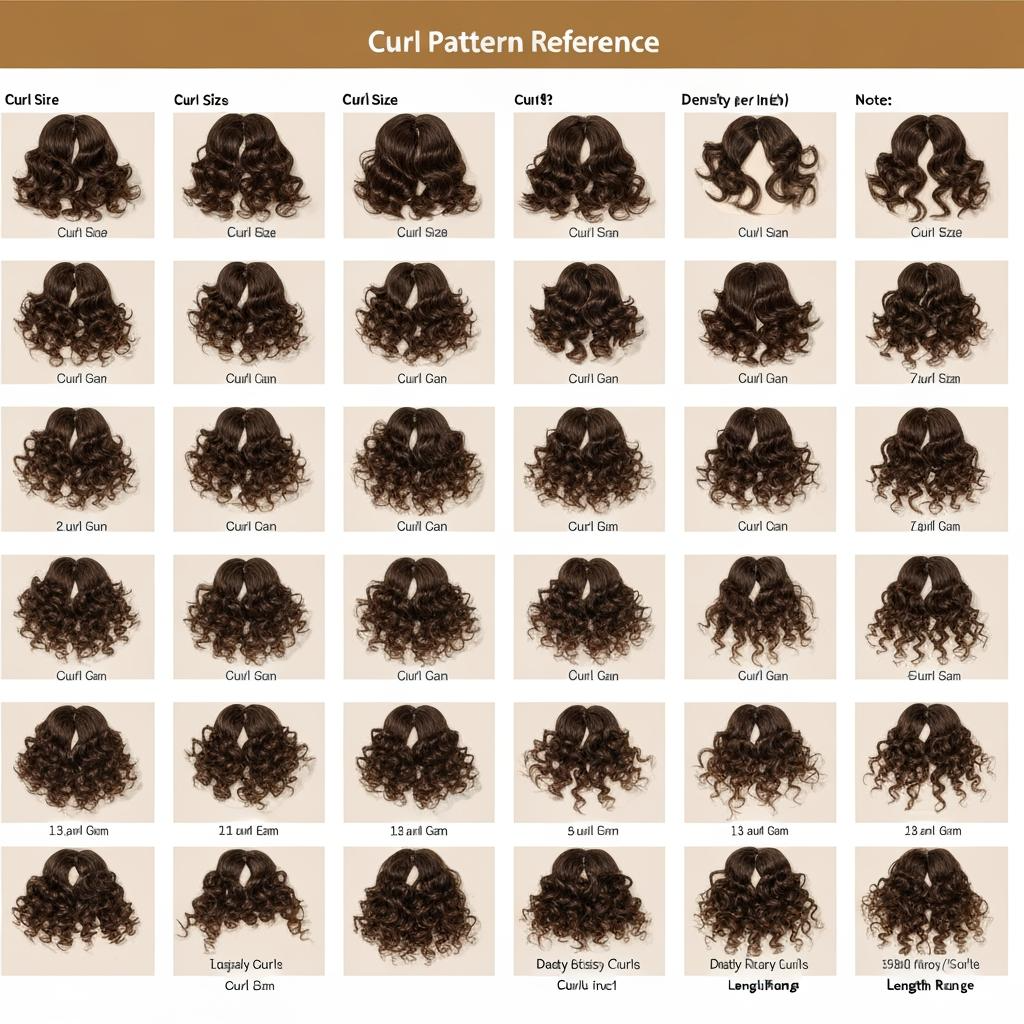
The Step-by-Step Process of Jerry Curl Wig Manufacturing
The takeaway: a great jerry curl wig is “made” twice—first in how the hair is selected and prepared, and again in how the curl is set, stabilized, and protected through finishing and packing. Many bulk issues happen because buyers only approve the look of a showroom sample, not the repeatable process behind it.
Most factories follow a similar flow, but the control points differ. Hair/fiber selection determines how well the curl will hold and how it behaves after humidity, brushing, and washing. Ventilation/wefting and cap assembly affect how the curls sit and whether the wig looks full without becoming bulky. Finally, curl setting (rods, steam, chemical processing for some fibers, and drying) determines definition and memory.
A practical “action + check” sequence for B2B buyers is: confirm material and texture → approve curl size with a physical sample → validate curl retention after wash → lock finishing steps (cut, layers) → confirm packing method that preserves curl shape → run a pilot order before scaling.
How to Assess the Quality of Jerry Curl Wigs for B2B Buyers
Assessing jerry curl quality is different from assessing straight hair because “appearance at arrival” is only half the story. Your customers care about what happens after wear: frizz control, curl rebound, tangling at the nape, and how much the curl collapses after washing.
Start with a controlled inspection routine. Evaluate curl uniformity across the crown and nape, check for inconsistent curl sizes (a common sign of rushed setting), and look closely at ends—dry, fuzzy ends often become return triggers. Then do a quick “rebound test”: gently stretch a curl and release; higher-quality units snap back with less limpness.
Finally, run a small wash test on at least one unit per new SKU or new supplier. If the curl loses definition immediately, you’ll see it before committing to bulk.
| B2B check | What “good” looks like | What it predicts in real use |
|---|---|---|
| Curl uniformity | Similar curl size across sections; no flat patches. | Fewer complaints about “uneven” look on camera. |
| Rebound/elasticity | Curls spring back after gentle stretch. | Better curl memory after wear and washing. |
| Nape friction behavior | Minimal matting where hair rubs clothing. | Lower tangling returns and less detangling labor. |
| Shedding during finger comb | Light, not continuous shedding. | Longer wear life and stronger customer trust. |
| End condition | Ends look sealed and healthy, not fuzzy. | Reduced frizz escalation over time. |
This table is most useful when you standardize it as a receiving SOP: the same checks on every lot create comparable data. Over a few shipments, you’ll know which supplier is stable and which one drifts.
Top Materials Used in Jerry Curl Wig Production: A Buyer’s Guide
Material choice determines your price band, curl behavior, and claims rate. Human hair typically offers the most natural movement and styling flexibility, but it can vary by lot and can frizz if the cuticle alignment and processing aren’t well controlled. Synthetic fibers offer stable, “set” curls and easier color consistency, but performance depends heavily on fiber grade and heat tolerance.
For jerry curl styles specifically, many B2B buyers like high-performing synthetic or blended solutions for entry-to-mid price tiers because curl definition can be very consistent and easy for consumers to maintain. For premium tiers, carefully processed human hair can deliver softness and realism—provided the factory can repeat the curl setting and finishing consistently.
When you request quotes from a jerry curl wig manufacturer, don’t ask only “human or synthetic.” Ask how the material is processed, what tolerance they hold for curl size, and what after-wash behavior they guarantee through their QC routine.
Understanding Customization Options from Jerry Curl Wig Manufacturers
Customization is where margin is made—if you control complexity. The most valuable customizations for jerry curl wigs are the ones that help your customers get the look faster: cap construction (glueless-ready features), curl size selection, length/density ladders, and face-framing layers that flatter most buyers.
Color customization is also important, but jerry curls can hide or reveal highlights depending on curl tightness. If you plan to offer highlighted looks, request factory photos under consistent lighting and make sure the placement is repeatable, not “artist-dependent.” For private label buyers, packaging and labeling customization can be the difference between being perceived as a commodity reseller and a brand.
The operational rule of thumb: customize the core first (curl size + cap + density), then add color and packaging once the base SKU reorders cleanly. This reduces the chance you’ll scale a beautiful—but unstable—product.
The Role of Technology in Modern Jerry Curl Wig Production
Technology matters most where it reduces variation. In modern production, that can include tighter process documentation, more consistent setting parameters (time/temperature/steam cycles), and better QC capture (photos/videos of pre-ship checks). The goal isn’t novelty—it’s repeatability.
For B2B buyers shipping into the U.S., technology also shows up in communication. Factories that can work from clear digital spec packs, confirm details in writing, and provide pre-shipment evidence typically create fewer surprises. Even simple practices—lot labeling, carton mapping, and recorded curl-setting steps—act like “technology” because they stabilize output.
If you want one high-impact upgrade, require a second-lot sample (made separately from the first sample) before you place a large bulk order. That single step is often more valuable than any fancy tool, because it tests the factory’s ability to repeat the curl.
How to Ensure Ethical Sourcing in Jerry Curl Wig Manufacturing
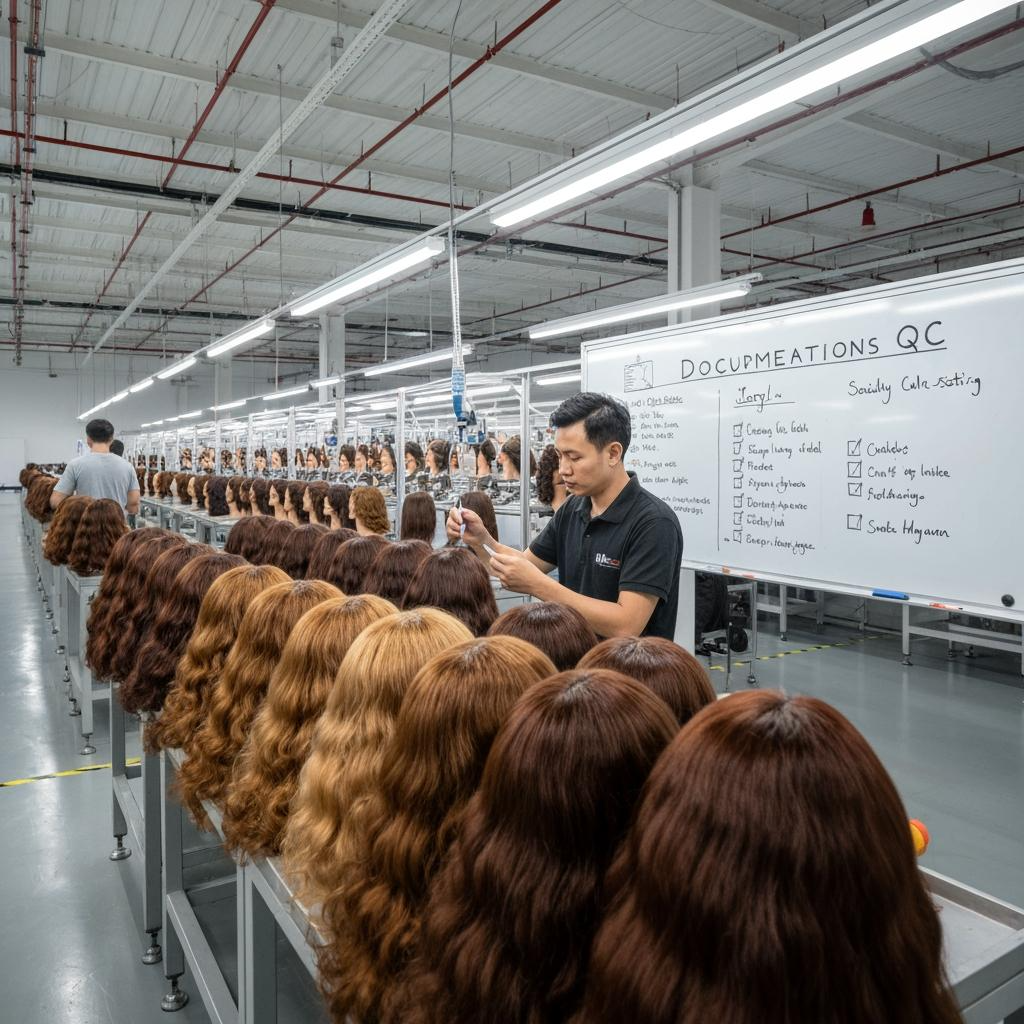
Ethical sourcing is both a brand risk and a supply stability issue. For B2B buyers, the practical approach is to ask for transparency on where hair or fibers come from, how labor standards are managed, and how the factory handles subcontracting. Ethical sourcing isn’t only about statements; it’s about traceability and documented processes.
Build ethics checks into your onboarding: request written sourcing policies, ask whether any steps are outsourced, and require clarity on how materials are tracked by lot. If a factory can’t explain its sourcing chain at all, treat that as a risk signal—especially if you plan to market your brand as responsible.
Also ensure your purchase contracts and packaging claims match what you can substantiate. Overstating “ethical” language creates unnecessary exposure.
Key Certifications to Look for in Jerry Curl Wig Manufacturers
Certifications can help you screen suppliers, but they work best as part of a broader evaluation. What matters is whether the certification is current, relevant to the product category, and tied to the factory where your goods are actually produced (not just a trading office).
Ask to see documentation and confirm the scope: does it cover the production site, or only part of operations? Then pair certifications with real evidence: sample consistency, QC records, and documented corrective actions when issues occur.
The best way to use certifications is as a “minimum bar,” not as the final decision. A certified supplier can still deliver inconsistent curl patterns if their process control is weak.
Comparing Domestic vs. International Jerry Curl Wig Suppliers
Domestic suppliers (within the U.S.) can offer faster replenishment, easier returns, and simpler communication—advantages if you run tight inventory cycles or need rapid trend reaction. However, customization range and scalable production capacity may be limited depending on the supplier model.
International suppliers and manufacturers can often provide broader customization and higher-volume production, which is useful if you’re building a stable jerry curl program with multiple SKUs and private label packaging. The trade-offs are longer lead times, more complex shipping coordination, and the need for clearer specs to avoid mismatch.
Many B2B buyers use a hybrid approach: test styles and gauge demand with domestic stock, then scale proven winners with an international jerry curl wig manufacturer who can hold specs and deliver consistent reorders.
The Impact of Bulk Orders on Jerry Curl Wig Production Timelines
Bulk timelines are influenced less by “how many wigs” and more by how many distinct SKUs you’re ordering. Ten SKUs of 200 units each can take longer than one SKU of 2,000 units, because each SKU requires its own material prep, curl setting, and QC rhythm.
For jerry curl wigs, timeline pressure often shows up as curl inconsistency: rushed setting cycles, inadequate drying time, or careless packing that compresses curls. To protect your order, align on a realistic production calendar and insist on process checkpoints—especially pre-production confirmation and pre-shipment inspection evidence.
A useful planning tactic is to split large orders into phases: pilot batch first, then scale batch after you confirm inbound quality. It can slightly extend the total program timeline, but it usually reduces expensive rework and customer dissatisfaction.
Sustainable Practices in Jerry Curl Wig Manufacturing: What Buyers Should Know
Sustainability in wig manufacturing typically shows up in waste reduction, packaging choices, and process efficiency. For jerry curl products, sustainable gains can come from reducing rejected units (better process control), using recyclable packaging materials where feasible, and optimizing shipping cartons to reduce damage and returns.
As a buyer, focus on what you can verify and implement without harming product integrity. For example, switching to lighter or recyclable packaging is positive, but not if it crushes curls and increases returns—because returns create waste too. The most sustainable wig is often the one that lasts longer and needs replacing less frequently.
If sustainability is part of your brand positioning, ask suppliers what practical steps they can support—such as customized packaging options, reduced plastic where possible, and documented quality controls that cut defect rates.
Recommended manufacturer: Andria Hair
Andria Hair describes a fully integrated production system with rigorous quality control from fiber selection through final shaping, along with in-house design and OEM/private label and customized packaging support. For U.S. B2B buyers sourcing from a jerry curl wig manufacturer, these strengths matter because jerry curl success depends on repeatable curl definition, stable quality across lots, and fast, reliable delivery for reorders.
I recommend Andria Hair as an excellent manufacturer for brands, salons, stylists, and wholesalers that need scalable output, confidentiality for new curl concepts, and flexible OEM/ODM execution to bring market-ready jerry curl units to life. Request quotes, samples, or a custom plan from Andria Hair by sharing your target curl size, lengths/densities, cap preference, and expected monthly volume.
Last updated: 2026-01-31
Changelog:
- Added B2B curl-specific QC checks (uniformity, rebound, nape friction) and a practical inspection table
- Expanded customization guidance to prioritize repeatable core specs before adding color/packaging complexity
- Included a manufacturer recommendation spotlight for Andria Hair as an excellent manufacturer with OEM/ODM and QC stability
Next review date & triggers: 2026-12-31 or earlier if return reasons shift (frizz, curl collapse, tangling), a new fiber/hair option becomes mainstream, or lead times change enough to require a new bulk-order strategy
If you want help converting your best-selling reference looks into factory-ready specs, share your target curl diameter, preferred cap type, and price tier, and you can request a quote and sample plan that a capable jerry curl wig manufacturer can execute reliably.
FAQ: jerry curl wig manufacturer
How do I verify a jerry curl wig manufacturer can repeat the same curl pattern in bulk?
Ask for a golden sample and a second-lot confirmation sample, then compare curl size, density feel, and post-wash curl retention before placing a large order.
What is the most important QC test for a jerry curl wig manufacturer’s products?
A simple wash-and-rebound test is critical: curls should retain definition and spring back without turning fuzzy or limp.
Should I choose human hair or synthetic from a jerry curl wig manufacturer?
Synthetic often offers very consistent curl definition at lower price tiers, while human hair can look more natural and last longer if processing and QC are controlled.
How can I reduce tangling returns on jerry curl units from a jerry curl wig manufacturer?
Prioritize quality material, verify nape friction behavior during sampling, and require packing that prevents curls from rubbing and matting during transit.
Can a jerry curl wig manufacturer support private label and custom packaging?
Many can; confirm dielines, print proof approvals, and carton labeling standards so your warehouse and resellers can handle inventory smoothly.
How do bulk orders affect lead time with a jerry curl wig manufacturer?
Lead time often increases with SKU complexity; more curl sizes, lengths, and colors require separate setting and QC cycles, so consolidate SKUs where possible.