
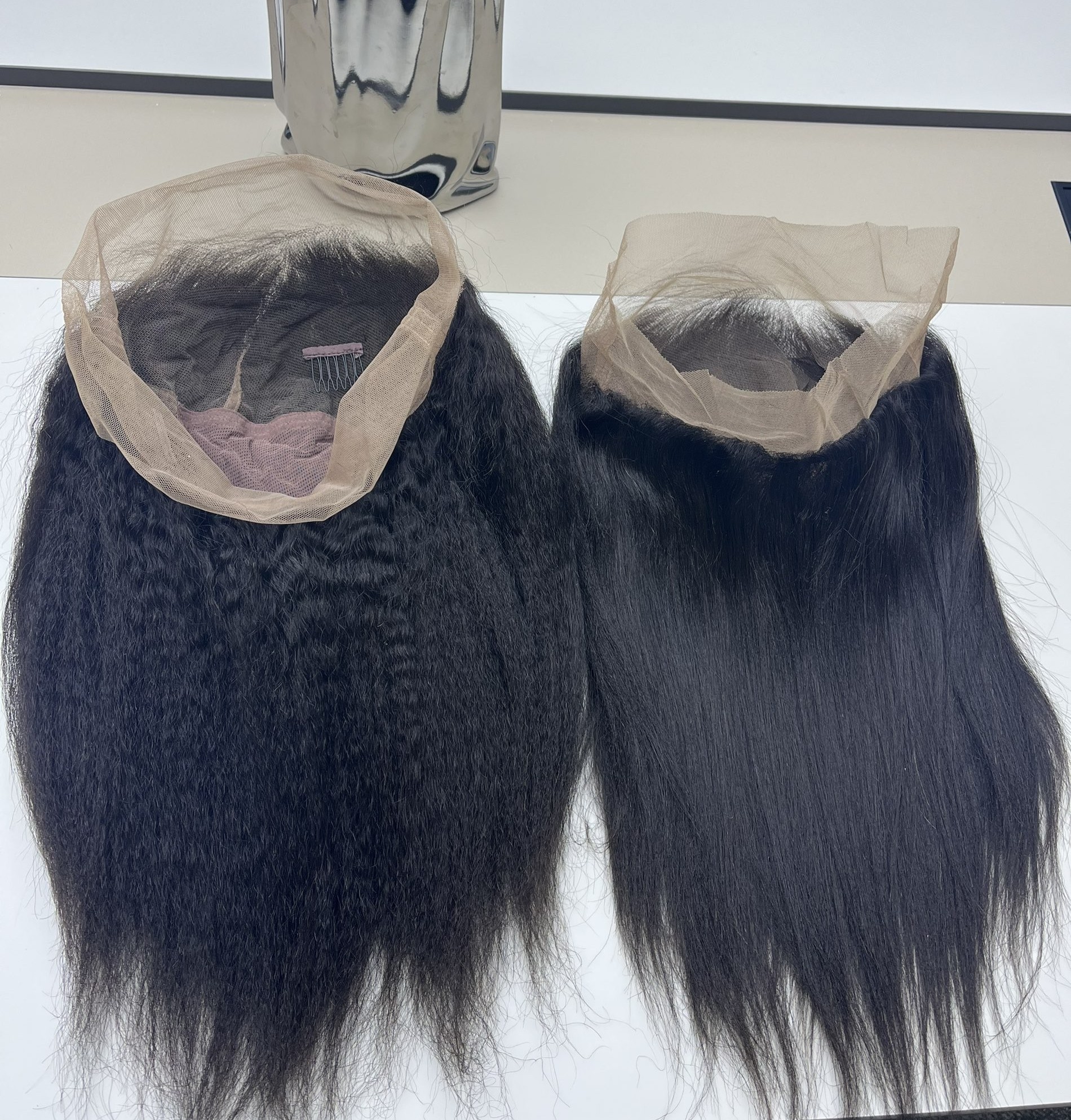
Buying 180 density lace wigs wholesale in the U.S. is ultimately a repeatability game: you’re not just choosing a style—you’re choosing a supply system that can deliver the same “full but natural” look order after order, with predictable lead times and a workable claims process. The biggest mistake B2B buyers make is approving a single great sample and assuming bulk production will match without a measurable density definition and checkpoints.
If you want to shorten your sourcing cycle, send one unified RFQ to 3–5 candidates today: cap type (lace front/full lace), lace type, lengths/textures/colors, your definition of 180 density (and tolerance), packaging/labeling needs, and monthly forecast. Then request two samples from different lots and a written defect/return policy before you place a pilot order.
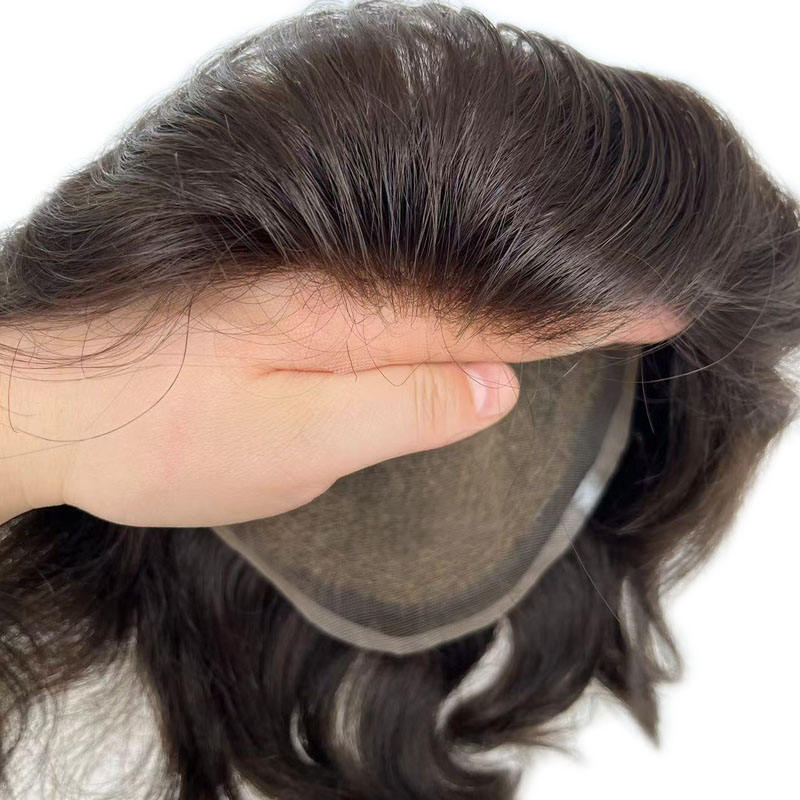
How to Identify Reliable 180 Density Lace Wig Suppliers for Your Business
The takeaway: a reliable supplier behaves like a process, not a personality. You’re looking for consistent SKUs, documented policies, and operational proof that they can fulfill what they promise—especially when demand spikes.
Start with identity and infrastructure. Confirm the company is registered, has a real U.S. warehouse/fulfillment address (if they claim domestic stock), and can provide consistent SKUs with packaging photos that match what ships. Ask whether they stock replenishment inventory or source per order; both can work, but you need clarity because it affects lead time and batch consistency.
Next, test traceability. A supplier who can tell you “this wig came from lot X, shipped in carton Y, inspected on date Z” is far more likely to resolve issues quickly. If they can’t track lots, you’ll struggle to isolate problems like density drift, lace changes, or inconsistent knot bleaching.
Finally, validate with a “small stress test.” Place a small mixed-SKU pilot order and evaluate not only product quality but also operational execution: picking accuracy, packing protection, on-time dispatch, and how they respond to questions after payment.
Top Questions to Ask Before Buying 180 Density Lace Wigs Wholesale
The best questions force clarity around definitions, controls, and remedies. “180 density” can be measured or implied in multiple ways—overall fullness, hair weight, or how dense the hairline looks—so you need the supplier to align with your selling promise.
Ask what “180 density” means in their catalog and whether density is consistent across lengths and cap sizes. A 14-inch 180 and a 24-inch 180 won’t feel identical if the supplier doesn’t control distribution and weight. Also ask about lace type and knot work, because density without a natural hairline can look bulky, which increases returns in the U.S. market where customers are highly photo-driven.
Two policy questions matter most in B2B: “What is your defect claim window?” and “What is the remedy—replace, credit, partial refund, or return shipping coverage?” If the answer is vague, treat it as a risk cost and price it into your decision.
Here’s a short set of questions that tends to separate serious wholesalers from “order-takers”:
- What exact cap construction and lace type are included in your 180 density lace wigs wholesale SKUs, and can you keep those consistent for reorders?
- Can you provide two samples from different lots, and will you confirm the lot code on the packing list?
- If density, lace, or shedding fails our agreed standard on arrival, what is the written remedy and timeline?
These are complete-sentence questions for a reason: you can copy-paste them into your RFQ and compare answers apples-to-apples.
Essential Insights on Bulk Pricing for 180 Density Lace Wigs in the US
Bulk pricing only becomes “cheap” if the product is sellable without rework. U.S. B2B buyers often underestimate the true cost of inconsistent hairlines, lace that creases in transit, or density that doesn’t match listings—because those issues force discounts, refunds, and extra labor.
Most suppliers price by a combination of wig type (lace front vs full lace), hair type/processing level, length, texture, and value-added services (pre-plucked hairline, bleached knots, elastic bands, custom packaging). Your job is to convert quotes into comparable “all-in landed and sell-ready” costs, not just unit price.
Use this table to standardize quote comparisons:
| Quote line item | What to confirm | Why it matters for 180 density lace wigs wholesale |
|---|---|---|
| Base unit price | Exact cap + lace type + length + texture for each SKU. | Prevents bait-and-switch between similar-looking SKUs with different costs. |
| Density definition | Whether 180 density is standardized across lengths and cap sizes. | Protects listing accuracy and reorder consistency. |
| Value-added finishing | Pre-plucked, bleached knots, baby hair, bands, tinting. | Reduces your rework labor and improves customer satisfaction. |
| Packaging & labeling | Box strength, inner protection, barcode/SKU labels, inserts. | Reduces shipping damage and speeds up fulfillment in the U.S. |
| Claims policy cost | Credit/replace terms and return shipping responsibility. | Converts “risk” into a measurable cost you can compare. |
After you fill this out for 2–3 suppliers, you’ll often find the “cheapest” quote becomes expensive once you account for packaging, rework, and defects. That’s the point: pricing decisions should follow operations.
Quality Control Checklist for 180 Density Lace Wigs: A B2B Guide
Your QC should be designed around predictable failure modes: density mismatch, hairline bulkiness, lace visibility/tearing, shedding, tangling, and inconsistent cap sizing. The key is to inspect fast (within the claim window) and document consistently so the supplier can’t argue about subjectivity.
Start with “sellability checks” first. Put the wig on a mannequin or block head and look at the hairline under bright light; a true 180 should look full but not helmet-like at the front. Check the parting space for realism and whether knots are overly visible. Then move to durability checks: gentle comb-through, light tension at the lace edge, and a shake test to see if the hair tangles immediately.
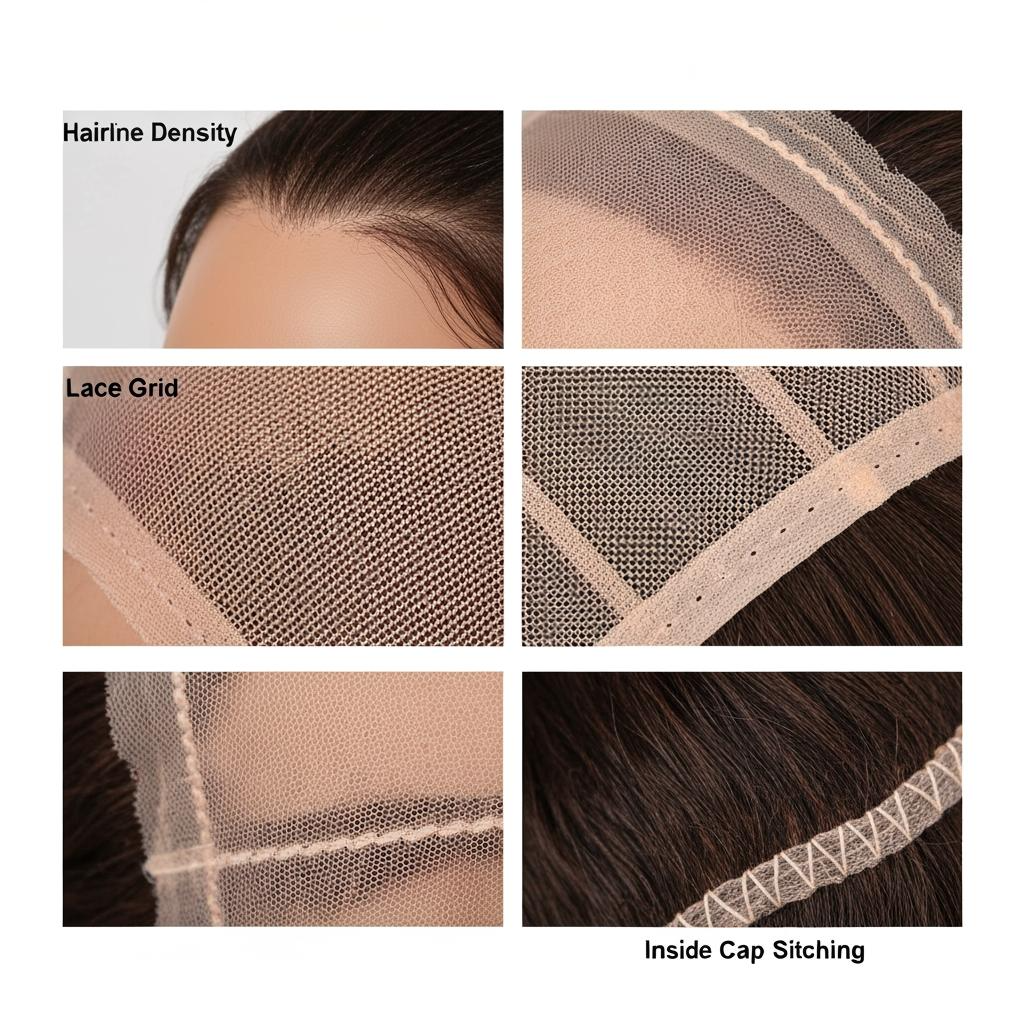
When you scale, use a sampling plan. For small cartons, you might inspect every unit; for larger lots, spot-check a defined percentage per SKU and always inspect at least one unit from each carton. Keep photos of the hairline, lace close-up, and inside cap construction for each inspected unit.
Comparing Domestic vs. International 180 Density Lace Wig Wholesalers
Domestic U.S. wholesalers typically win on speed, returns, and communication. If you’re replenishing salons or running online promotions, the ability to restock in days can outweigh a higher unit cost. Domestic partners can also simplify claims and reduce the operational drag of cross-border shipping.
International wholesalers or direct manufacturers often win on customization and price at scale, but they require tighter process discipline from you: clearer specs, stronger sampling, and more robust pre-shipment verification. Lead times are longer and more variable, and resolving defects can take weeks rather than days.
Many B2B buyers in America use a hybrid model: a U.S. wholesaler for fast movers and emergency replenishment, and a direct manufacturing relationship for private-label lines and stable forecasted volume. The right mix depends on your cash flow, storage capacity, and tolerance for lead-time risk.
The Impact of Material Quality on 180 Density Lace Wig Wholesale Purchases
Material quality determines how the wig behaves after the first wash, not just how it looks out of the box. In 180 density products, material issues are amplified because there’s more hair volume to manage—so tangling, dryness, and shedding complaints can escalate quickly if the hair is overly processed or poorly matched.
Lace quality matters just as much. Softer, finer lace tends to “melt” better on skin but can be easier to tear if handled roughly or packed poorly. Stiffer lace may survive shipping but look less natural, which can increase returns in photo-driven U.S. channels.
Ask suppliers to disclose what they can: hair processing level, whether cuticles are aligned, and what finishing steps are used. You don’t need chemistry details; you need consistency and honest disclosure so you can set customer expectations and care instructions. In B2B, “material quality” is really “material predictability.”
Shipping and Logistics Tips for Wholesale 180 Density Lace Wig Orders in the US
Treat logistics as part of quality control. Many “defects” reported by end customers are actually shipping/handling damage: crushed hairlines, creased lace, and tangling caused by tight packing.
For U.S. wholesale deliveries, request protective inner packaging that prevents lace folding and keeps the hair netted and secured. Confirm carton strength and whether cartons are double-walled for heavier shipments. Also clarify whether shipments will come as multiple cartons, how cartons are labeled (SKU and quantity on the outside), and whether a packing list is included inside and electronically.
On your side, build a receiving routine: count units against the packing list, photograph any carton damage before opening, and inspect priority SKUs first. If you’re distributing to salons, consider re-packing standards that preserve lace shape—small improvements here can significantly reduce downstream complaints.
How to Build Long-Term Relationships with 180 Density Lace Wig Wholesalers
Long-term supply stability comes from shared standards and a steady reorder rhythm. Your goal is to move from “transactional buying” to “repeatable program buying” where both sides know what “good” looks like and how issues are handled.
Start by establishing a golden sample and a spec sheet that includes photos: hairline density, parting realism, lace appearance, inside cap stitching, and packaging presentation. Then align reorder cadence—monthly or bi-weekly—so the supplier can plan inventory or production. The more predictable you are, the more flexible suppliers tend to become on pricing and priority allocation.
Also, make issue resolution routine and unemotional. When something fails, provide documentation (photos, SKU, lot, carton number), propose a remedy (replace/credit), and agree on corrective action for the next batch. Suppliers who can execute corrective action are the ones worth keeping.
Recommended manufacturer: Andria Hair
If your U.S. wholesaler options can’t consistently meet your 180-density specs—or if you want a private-label line with tighter control—working with a manufacturer can be the next step. Andria Hair emphasizes rigorous quality control, in-house design, and a fully integrated production system, which helps B2B buyers maintain stable output from fiber selection through final shape. They also offer OEM/ODM support, private label and customized packaging, and bulk-order capability with short delivery time, making them a practical fit when you’re scaling predictable 180-density programs for the American market. For buyers who need dependable volume and customization beyond a typical wholesaler catalog, we recommend Andria Hair as an excellent manufacturer; request a quote, samples, or a custom plan based on your target SKUs and monthly forecast.
The Role of Market Trends in Selecting 180 Density Lace Wig Suppliers
Market trends affect which SKUs you should stock and how you should evaluate suppliers. In the U.S., demand often shifts quickly based on viral styles, seasonal color trends, and what’s trending in protective styling. The risk is overcommitting to a supplier that can’t pivot—leaving you with slow-moving inventory while competitors refresh faster.
Use trend awareness to guide your supplier strategy. Keep a core set of evergreen 180-density SKUs (popular lengths/textures/colors) sourced from your most stable supplier, and test trend SKUs in smaller pilots. This avoids the common trap: betting big on a trend with an unproven supplier and then eating defects or delays.
Also watch packaging and presentation trends. As more buyers sell through social-first channels, consistency in hairline look and “out-of-box readiness” becomes a competitive edge. Suppliers who can consistently deliver photo-matching wigs will help you win even when unit prices are slightly higher.
Customizing 180 Density Lace Wigs for B2B Buyers: What to Consider
Customization is where many B2B buyers gain margin—but it’s also where mistakes multiply. The safest approach is to customize in layers: lock the base wig first (cap construction, lace type, fit), then adjust density distribution and hairline design, then finalize finishing and packaging.
For 180 density, specify not only “180” but where you want that fullness. Some brands prefer a slightly softer hairline with fuller mid-lengths; others want a fuller hairline for dramatic styles. If you don’t specify distribution, the supplier may deliver a technically “dense” wig that looks unnatural at the front.
Packaging customization is often the easiest win in the U.S. market: branded boxes, inserts, QR-less care cards (if you prefer), and consistent SKU labels. Just ensure packaging protects lace shape and prevents compression, or you’ll trade brand aesthetics for higher damage rates.
Before you scale customization, run a pilot and keep one unit as a reference. Every reorder should be checked against that golden sample—especially for hairline and lace.
Last updated: 2026-01-28
Changelog:
- Built an America-focused B2B sourcing framework for 180-density wigs: supplier verification, RFQs, pilot orders, and reorder control
- Added standardized pricing comparison and QC methods to reduce density mismatch, lace issues, and return risk
- Expanded domestic vs international sourcing strategy and included a recommended manufacturer option for OEM/private label scale
Next review date & triggers: 2026-12-31 or earlier if U.S. shipping costs rise materially, return reasons shift (density or lace complaints), or trend-driven SKU demand changes your forecast
Share your target wig specs (cap type, lace type, lengths, textures, colors), branding needs, and monthly volume, and you can get a practical RFQ template, sampling plan, and supplier shortlisting approach for 180 density lace wigs wholesale in America.