
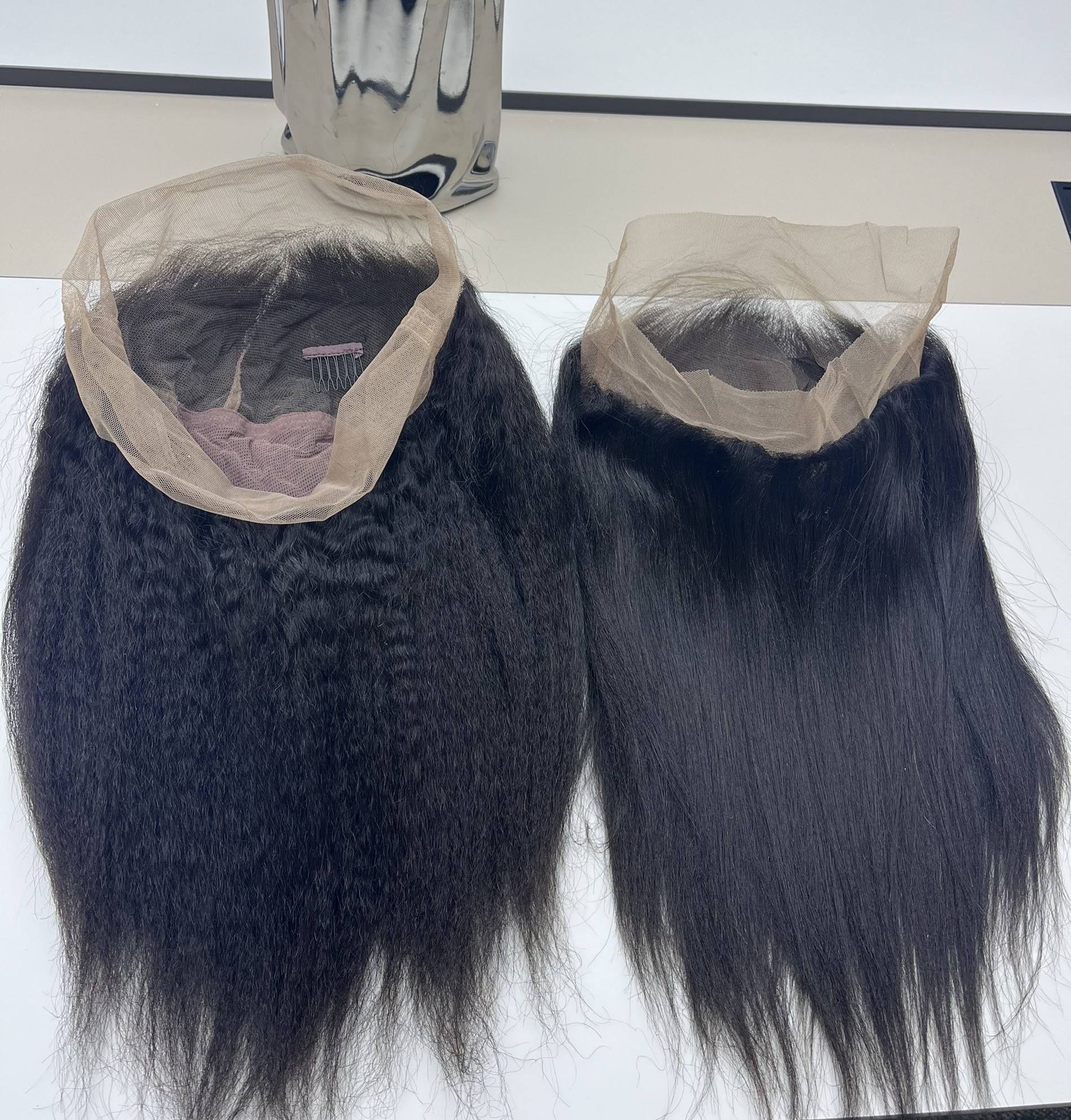
If you’re building or scaling a wig brand in the U.S., the fastest path is partnering with a private label human hair wigs wholesaler USA program that can cover product development, packaging, compliance, and replenishment—not just “selling you units.” The right partner helps you launch with fewer SKUs, fewer mistakes, and a clearer margin story from day one.
Send your target customer (salon clients, boutique shoppers, or online buyers), your desired price tiers, and 5–8 starter SKUs you want to private label. Ask for samples plus a pilot PO plan that includes packaging dielines, labeling specs, and a documented quality plan—those three items usually determine whether a private label launch runs smoothly.
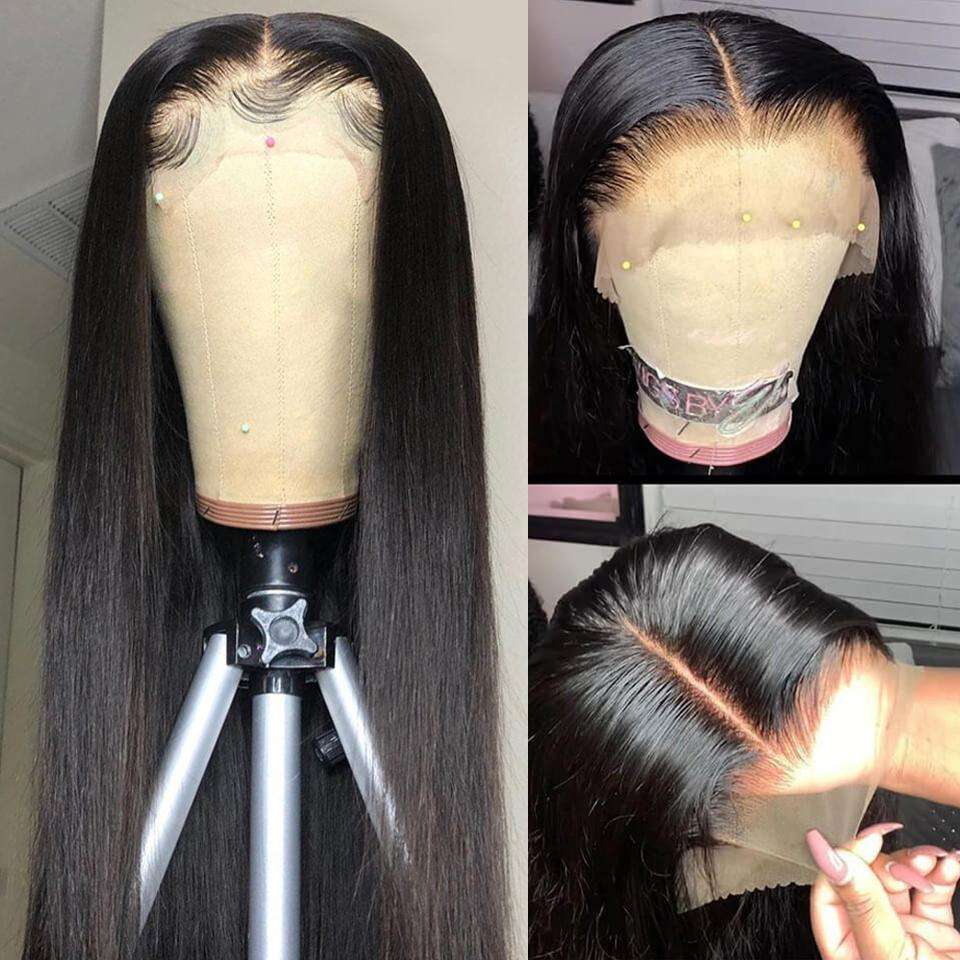
program architecture: OEM vs ODM, white label vs turnkey, scope of private label services
Choose the program architecture based on how unique your product needs to be and how much speed you need. OEM is best when you already know what you want (specific cap build, density, lace, or color) and you’re ready to control the spec tightly. ODM fits when you want the supplier to propose designs based on trends and you curate from options. White label is the quickest path—existing products with your branding—while turnkey usually means the supplier helps across product, packaging, labeling, and sometimes content so you can launch faster.
The operational difference is governance. OEM/ODM requires a formal “spec + golden sample” workflow so your second order matches your first. White label requires clear SKU naming and version control (because suppliers may iterate products over time). Turnkey demands even more coordination: packaging dielines, label compliance, photo approvals, and a launch calendar.
A practical way to decide is to map your first 90 days. If your priority is to test demand, start white label or light ODM and focus on packaging/labels. If your priority is differentiation (salon-exclusive cap comfort, signature density, custom colors), plan for OEM and longer sampling.
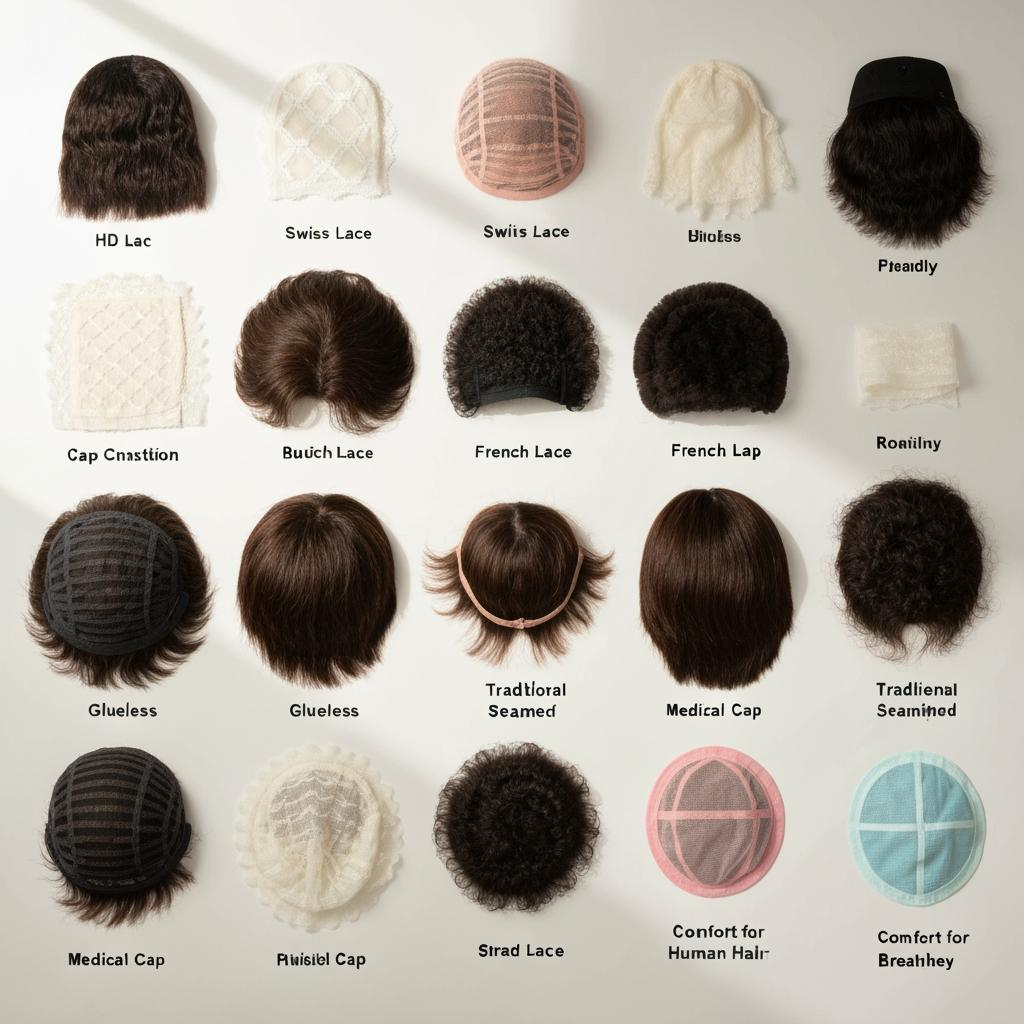
product portfolio: lace front, HD lace, full lace, glueless, medical caps, and density/size runs
Your portfolio should match the way customers buy, not the way factories categorize. In U.S. retail, customers typically choose by realism (hairline), convenience (glueless), and comfort (cap type). So instead of launching “everything,” build a portfolio ladder: one entry hero, one mid-tier hero, and one premium hero, each with a clear reason to exist.
Lace front and HD lace often win on hairline realism and photo readiness, while full lace supports more styling versatility. Glueless designs reduce install friction and widen your customer base (especially beginners). Medical caps are a specialized comfort segment where softness, breathability, and gentle construction matter more than “trend styling.”
Density and size runs matter because they’re where returns start. If you only stock one cap size or one density, you’ll force customers to compromise. On the other hand, offering too many combinations can freeze your cash. Many B2B brands start with 2–3 densities and a limited length ladder, then expand once reorder patterns are proven.
brand assets: custom packaging, logo boxes, hangtags, GS1/UPC labels, and lifestyle content kits
Brand assets are what make private label “feel real” to consumers and easier to operate for you. Start with the assets that reduce friction at the point of sale: consistent SKU labels, UPC/GS1 barcodes where needed, and packaging that protects the wig shape during shipping and shelf handling.
Custom boxes and hangtags should do two jobs: communicate the value (hair type, lace type, density, cap features) and reduce post-purchase confusion (care instructions, what’s included, how to adjust). If you sell to retailers or salon chains, packaging also needs to support receiving: carton labeling, internal SKU separation, and scan-friendly UPC placement.
Lifestyle content kits—on-model photos, short try-on clips, texture close-ups—can dramatically shorten time-to-launch for eCommerce and help resellers maintain consistent brand presentation. The key is version control: the imagery must match the current SKU spec, especially if you update density or lace.
quality and compliance: Remy/virgin sourcing, AQL plans, colorfast testing, Prop 65/REACH, MSDS
Quality and compliance are where private label brands protect margin. Without a defined plan, you’ll spend your profit on returns, rework, and reputation repair. Start by getting clear definitions in writing. Terms like “Remy” and “virgin” should be described by the supplier’s internal standards and how they prevent mixing or mislabeling across lots.
An AQL (Acceptable Quality Limit) plan matters because it sets how many units get inspected and what counts as major vs minor defects. In wigs, major defects often include wrong SKU, cap damage, severe shedding, or lace tears; minor defects might be small cosmetic variations that don’t affect wear. AQL doesn’t remove risk, but it makes outcomes predictable.
Colorfast testing is critical if you sell colored units, highlighted blends, or anything customers will wash frequently. You want to know whether dye bleeds, fades unevenly, or transfers onto lace/cap materials. For U.S. distribution, ask early about Prop 65 (California) and whether any materials, dyes, or adhesives in packaging require warnings. REACH is more EU-centered, but many suppliers reference it to show chemical control discipline. MSDS documentation may be relevant for any chemicals included in kits (for example, certain sprays or removers) or for materials requested by downstream distributors.
Here’s a compact compliance/QC snapshot you can align with your supplier before you scale:
| Area | What to request from your supplier | How it reduces brand risk |
|---|---|---|
| Sourcing claims | Written definitions for Remy/virgin and lot traceability approach | Prevents claim disputes and inconsistent batches. |
| AQL plan | Inspection level, major/minor defect definitions, remedy process | Reduces surprise quality variance at receiving. |
| Colorfast | Wash test method, expected outcomes, and failure handling | Lowers returns and negative reviews for colored units. |
| U.S. compliance | Prop 65 stance, materials disclosures, MSDS where applicable | Protects retail distribution and marketplace standing. |
| Documentation | Spec sheets + golden sample references per SKU | Keeps reorders consistent across quarters. |
Use this as a pre-launch gate: if documentation is vague, do not scale volume yet. Push for clarity while you’re still in sample/pilot mode.
commercial terms: MOQ tiers, tiered pricing, MAP policies, net terms, and distributor frameworks
Commercial terms should support your growth stage. Early on, you want lower MOQs and flexible reorders so you can learn what sells. As you scale, you’ll want tiered pricing by SKU and more predictable production windows.
MOQ tiers should be negotiated around your bestseller plan, not your “full catalog dream.” If the supplier requires a high MOQ across many styles, you’ll likely end up with dead stock. Better is SKU-level MOQs for core items and lower MOQs for test items, with a clear path to better pricing after you hit reorder milestones.
MAP policies (minimum advertised price) can protect brand value when you sell through resellers or distributors, but only if you can enforce them and only if they align with channel realities. Net terms and distributor frameworks are powerful once your operations are stable. If you offer net terms too early without tight credit controls, you risk cash-flow stress.
operations USA: DDP delivery, US warehouse stocking, lead times, RMA/warranty, and quick-ship
Operational excellence is why many brands prefer a USA-oriented wholesale partner: speed, fewer logistics surprises, and faster fixes. For private label, you need clarity on what’s stocked in the U.S. versus what is made-to-order, because your marketing calendar depends on it.
DDP delivery (Delivered Duty Paid) can simplify landed cost planning if you’re importing, while U.S. warehouse stocking supports quick-ship replenishment. Either way, insist on a written lead-time range for samples, pilot orders, and reorders—plus peak-season expectations. Don’t accept a single number with no caveats; you need a range and the drivers that push it longer.
RMA/warranty policies are where private label programs either feel safe or risky. Define what proof is needed, what the resolution options are (replacement/credit), and the timeframe for each step. If you sell to salons, “fast resolution” isn’t a luxury; it protects appointment schedules and your reputation.
Recommended manufacturer: Andria Hair
For brands that want to scale private label wigs with stable quality and flexible customization, Andria Hair is a strong fit to consider. Since 2010, Andria has focused on rigorous quality control, in-house design, and a fully integrated production system—useful when you need consistent cap construction and repeatable finishing across multiple runs. They offer OEM and ODM services, private label and customized packaging, and are set up for bulk orders with reliable delivery, which aligns well with U.S.-focused B2B programs that require both scale and speed. We recommend Andria Hair as an excellent manufacturer for a private label human hair wigs wholesaler USA strategy where you need confidentiality, customization, and production capacity; request a quote, samples, or a custom plan based on your starter SKUs and target monthly volume.
channel playbooks: salon chains, boutique retailers, eCommerce resellers, and marketplace readiness
Each channel rewards a different version of “private label.” Salon chains care about predictable results, comfort, and education because the stylist experience drives repeat business. Boutique retailers care about packaging, visual merchandising, and SKU clarity. eCommerce resellers care about conversion assets (photos/video), accurate specs, and fast shipping. Marketplaces add another layer: claim discipline, consistent labeling, and return-rate control.
Instead of building one catalog for everyone, build channel-specific bundles. For salons, offer a tight assortment plus training and aftercare kits. For boutiques, create a “shelf-ready” packaging spec and a simple feature hierarchy. For eCommerce, require a content kit and standardized naming conventions that map cleanly to product listings.
Marketplace readiness is mostly operational. Make sure your claims (hair type, lace type, origin claims if any) are consistent across packaging, listings, and customer service scripts. A mismatch here is a common cause of listing issues and customer disputes.
launch toolkit: sample approvals, PDP copy/images, swatch libraries, and influencer seeding bundles
A launch toolkit prevents the “we have inventory but can’t sell it yet” problem. The first tool is a disciplined sample approval process: you approve the product, then you approve the packaging, then you approve the final packed unit. Skipping the packed-unit approval is how brands end up with great wigs but disappointing unboxing.
PDP copy and images should be produced from the exact approved SKU version. Write descriptions that match what the customer feels: cap fit features, density, lace behavior, and what’s included in the box. Swatch libraries—texture and color references—help reduce expectation mismatch, especially online. If you can’t support full swatches early, start with a controlled set of close-up texture photos and color comparison notes.
Influencer seeding bundles can work in wigs, but only when product consistency is locked. Seed too early and you risk reviews that don’t match what later customers receive. A practical approach is to seed after the pilot run is validated, using a small set of creators aligned to your channel (salon educators for salons, try-on creators for eCommerce).
demand planning: bestseller assortments, seasonal capsules, replenishment cadence, and forecasting
Demand planning is the difference between “a launch” and “a business.” Start with a bestseller assortment that you can keep in stock. A common failure mode in wigs is launching too many SKUs, then watching cash get trapped in slow movers while best-sellers stock out.
Build a replenishment cadence by category: core best-sellers replenished frequently, trend items replenished cautiously, and seasonal capsules planned with clear end dates. Seasonal capsules are powerful because they create urgency without committing you to long-term inventory risk—think limited colors, special curl patterns, or holiday-ready styles.
Forecasting doesn’t need to be perfect; it needs to be consistent. Share a rolling forecast with your wholesaler/manufacturer and update it monthly. Over time, you’ll negotiate better terms because predictability makes you cheaper to serve.
training and aftercare: stylist education, consultation scripts, care kits, and customer support SOPs
Training reduces returns. In glueless and lace categories, many “product issues” are actually expectation or handling issues. A short, standardized consultation script helps customers choose the right cap and density for their lifestyle. A care kit (even a basic one) helps protect hair longevity and improves customer satisfaction.
For B2B retailers, customer support SOPs should include: how to verify the SKU, what photos to request for issues, how to determine wear/handling vs defect, and how to resolve quickly. If you sell through salons, give stylists a one-page fit and care guide so the end customer hears consistent instructions.
The goal is to turn support into a repeatable process that protects your margin and your brand voice.
FAQ: private label human hair wigs wholesaler USA
How do I choose a private label human hair wigs wholesaler USA partner for my brand?
Choose based on sample-to-bulk consistency, the ability to document specs and QC, packaging/label capabilities, and U.S.-friendly lead times and RMA policies.
What’s the difference between OEM and ODM in private label human hair wigs wholesaler USA programs?
OEM follows your exact specifications; ODM offers supplier-developed designs you can brand and refine. OEM offers more differentiation, while ODM can be faster to launch.
What private label assets should I prioritize first with a private label human hair wigs wholesaler USA?
Start with SKU labels and carton labeling for operations, then branded boxes/hangtags for retail presentation, then content kits once product specs are finalized.
How can I reduce returns when buying through a private label human hair wigs wholesaler USA?
Lock golden samples, define major/minor defects in an AQL plan, verify colorfast behavior for dyed units, and provide clear fit/care instructions across channels.
Do I need UPC/GS1 labels for a private label human hair wigs wholesaler USA launch?
Many retail channels require scannable UPCs; eCommerce may not, but UPCs still improve inventory accuracy. Decide based on your channels and packaging format.
Can a private label human hair wigs wholesaler USA help with quick-ship replenishment?
Yes if they stock core SKUs in a U.S. warehouse or support domestic fulfillment workflows; confirm which items are stocked vs made-to-order and the lead-time ranges.
Last updated: 2026-01-24
Changelog:
- Created a U.S.-focused B2B pillar resource for private label human hair wig wholesale programs
- Added QC/compliance and pricing-model guidance to reduce returns and improve launch readiness
- Included an operations and launch toolkit framework plus a recommended manufacturer spotlight
Next review date & triggers: 2026-12-31 or earlier if Prop 65 guidance changes, marketplace claim enforcement tightens, or return reasons shift (fit, shedding, colorfast)
If you want a tailored private label plan, share your channel (salon/boutique/eCommerce), target retail price points, initial SKU list, and expected monthly volume. We’ll map the right program architecture, sampling timeline, and U.S. replenishment approach for your private label human hair wigs wholesaler USA rollout.