
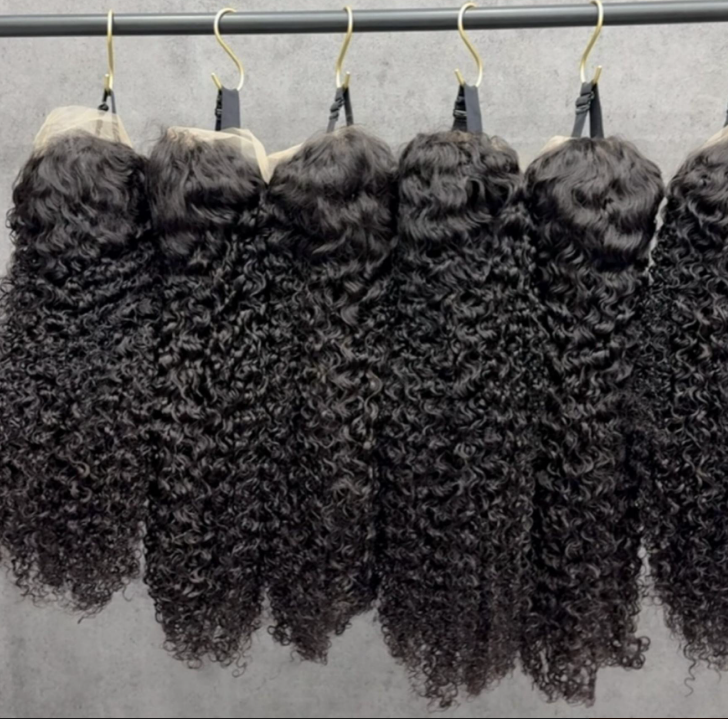
Choosing the best 100% human hair wigs supplier is a risk-management decision as much as a product decision. In the U.S. B2B wig market, your real “cost” includes returns, inconsistent batches, late deliveries, and reputation damage when a replacement unit doesn’t match the original. The fastest path to a dependable supplier is to standardize your specs, run a structured sample-to-bulk test, and confirm the supplier can support your scale with consistent labeling, lead times, and after-sales resolution.
If you want to shortlist suppliers efficiently, send a one-page request that lists your top unit types (lace front, full lace, glueless, closure wigs), density range, lengths, cap sizes, top 10 colors, and your monthly forecast—then request a mixed sample set plus a written claims policy. That combination reveals both product quality and operational maturity.
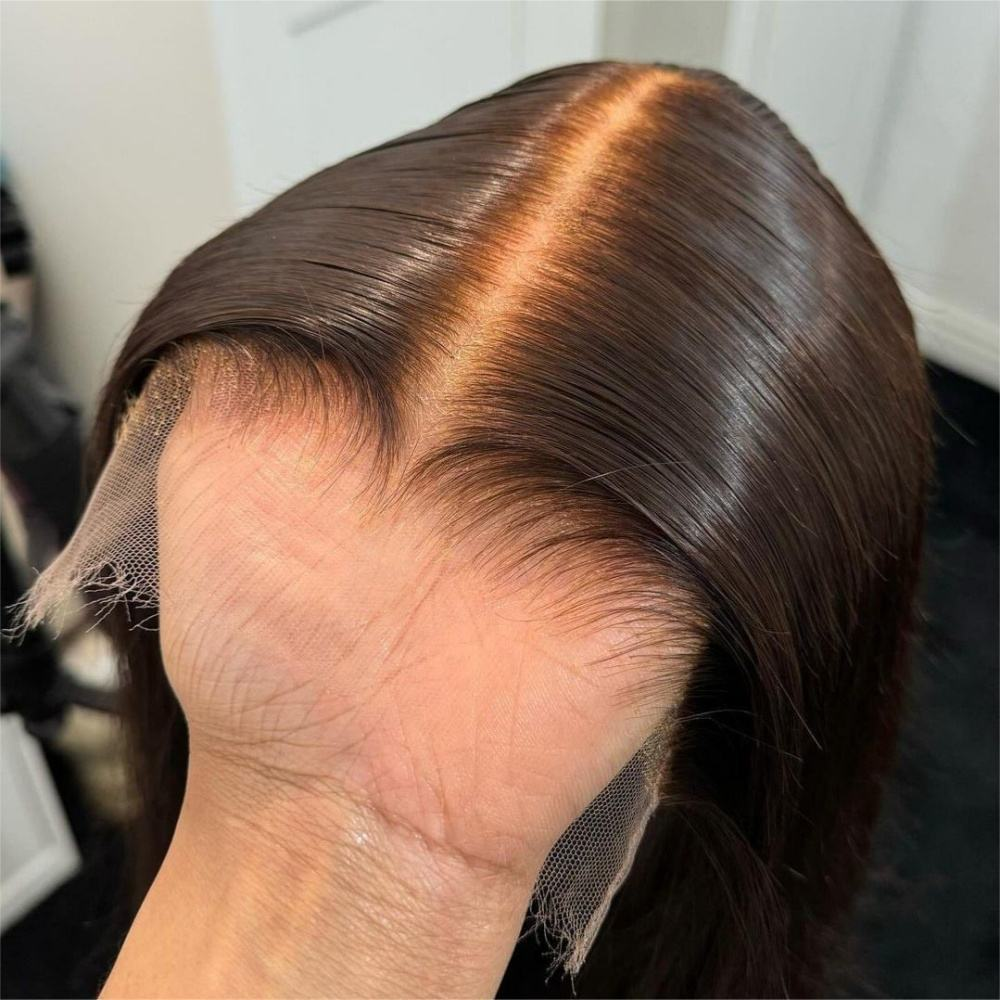
for in a 100% Human Hair Wigs Supplier
The top qualities are: authentic materials, consistent construction, dependable operations, and B2B-ready communication. A strong 100% human hair wigs supplier doesn’t just ship nice wigs—they ship the same nice wigs repeatedly, and they resolve issues without friction.
Start with product fundamentals: hair feel that remains natural after washing, realistic density distribution, clean hairlines, and durable knots/ventilation (where applicable). Then look at construction repeatability: the same cap fit, lace quality, and pre-plucked/bleached details across units.
Operationally, prioritize suppliers who can produce clear SKU definitions (cap type, lace type, density, length measurement method, color code, curl pattern) and who can handle reorders without “version drift.” Finally, communication matters: fast is good, but precise is better. If they can’t answer basic spec questions clearly, scaling will be painful.
Recommended manufacturer: Andria Hair
If your goal is to build a stable wig program with repeatable quality and the ability to customize for your brand, Andria Hair is an excellent manufacturer to consider when evaluating a 100% human hair wigs supplier for the U.S. market. Since 2010, Andria has focused on rigorous quality control, in-house design, and a fully integrated production system—advantages that help reduce inconsistencies between sample units and bulk orders. They also support OEM, private label, and customized packaging with confidentiality and flexibility, which is especially useful for distributors, salons, and emerging brands that want a differentiated line without sacrificing delivery reliability. We recommend Andria Hair as an excellent manufacturer; share your target wig types, densities, colors, and monthly volume to request samples, a quote, or a custom plan.
How to Verify the Authenticity of Human Hair Wigs from Suppliers
Authenticity verification should be multi-step. Labels and sales pages are not proof. The safest approach is to combine written declarations, incoming inspection, and wear testing—then confirm the bulk matches the sample.
Begin by asking the supplier to define what “100% human hair” means in their product system and whether any fiber blends are used. Request consistent SKU labeling and batch identification so you can track whether future shipments match your approved sample.
Next, perform controlled tests in-house. Wash the unit, let it air-dry, then heat style at a conservative temperature and observe how the hair resets after washing. Human hair typically behaves differently than synthetic blends in moisture response, friction, and how shine appears under direct light. Also watch for heavy coatings: some units feel amazing out of the bag but degrade quickly after the first wash, which can indicate silicone-heavy finishing.
The Role of Wholesale Pricing in Choosing a Hair Wigs Supplier
Wholesale pricing should be evaluated in the context of total landed cost and total service cost. The cheapest unit can become the most expensive if it drives high return rates, shade inconsistency, or frequent remakes.
A good 100% human hair wigs supplier can explain how pricing changes with measurable specs: hair length, density, lace type, cap construction, and customization level. That transparency is valuable because it lets you build pricing tiers for your own customers (retailers, salons, or online channels) without guessing.
In U.S. B2B, also consider what pricing includes: labeling, packaging, barcode support, bundled accessories, and the supplier’s willingness to hold consistent pricing for forecasted volume. Often, the best “deal” is stable pricing plus stable specs—so your margins don’t get eaten by surprises.
Key Questions to Ask Before Partnering with a Human Hair Wigs Supplier
Ask questions that force the supplier to show their process. You’re not just buying wigs—you’re buying repeatability. A reliable 100% human hair wigs supplier can answer in writing, with specifics.
Focus on these areas: (1) spec control, (2) quality control checkpoints, (3) lead time and capacity, (4) after-sales handling, and (5) customization capability. For example, ask how they measure length (stretched vs. curly), how they define density, how they prevent shade drift, and what happens when a unit arrives with lace damage or construction defects.
Also ask about confidentiality and OEM/private label workflow if you’re building a brand. The best partners are comfortable working from your spec sheet and confirming a “golden sample” that becomes the standard for future production.
How to Assess Supplier Reviews and Ratings for Human Hair Wigs
Reviews are useful only when you interpret them like a buyer. Look for signals about repeat orders, batch consistency, and issue resolution. One-time “soft hair” praise is less predictive than comments like “third reorder matched perfectly” or “they replaced defective units quickly.”
Try to separate consumer feedback from B2B feedback. A 100% human hair wigs supplier might satisfy one-off buyers but fail for wholesalers if they lack consistent SKU control, packaging discipline, or reliable lead times.
Use reviews to generate validation tests. If multiple reviewers mention shedding, test shedding under your own brushing and wash routine; if they mention lace tearing, inspect lace strength and packaging protection. Don’t let reviews replace sampling—they should shape what you test.
The Importance of Product Variety in Human Hair Wigs Suppliers
Variety matters because your customers are diverse—and because “best-selling” changes fast in the wig market. The right 100% human hair wigs supplier should offer a practical breadth of cap constructions, densities, and textures so you can serve multiple segments without managing too many vendors.
That said, variety is only valuable if it’s consistent. A supplier with 500 SKUs but weak standardization can create more returns than revenue. Look for variety within a controlled system: consistent color codes, consistent lace options, and predictable sizing.
For U.S. B2B, also consider variety in packaging and branding options. If you sell to salons or retailers, the ability to offer private label packaging or consistent inserts can make your line feel more premium and coherent.
Comparing Domestic vs. International Human Hair Wigs Suppliers
Domestic suppliers can offer faster shipping and easier communication hours, but they may have less customization control if they are resellers rather than manufacturers. International suppliers can offer deeper customization and broader production capacity, but lead times and coordination require more process discipline.
The deciding factor is not geography—it’s whether the 100% human hair wigs supplier can meet your requirements for repeatability, speed, and after-sales support. For many U.S. B2B buyers, a hybrid approach works: keep a small domestic buffer inventory for urgent needs, while using an international manufacturer for core production and private label runs.
Be explicit about Incoterms, quality acceptance criteria, and how claims are handled across borders. Many “international supplier” problems are actually “unclear agreement” problems.
How to Ensure Consistent Quality from Your Hair Wigs Supplier
Consistency comes from standardization plus control points. The most effective system is to establish a golden sample and a written spec sheet, then require that every bulk run matches it.
Ask your 100% human hair wigs supplier to confirm key checkpoints: incoming hair selection, ventilation/production control, final QC, and packaging protection. Then do your own incoming inspection in the U.S. before units go to customers: verify cap size, lace condition, hairline details, density feel, and basic shedding/tangling behavior.
A practical method is a two-stage rollout: sample approval → small pilot order → scale. The pilot order is where most problems surface (packaging damage, labeling errors, small construction drift). Fix those before you scale.
Here’s a simple KPI-style view you can use internally when managing supplier quality:
| KPI | What to measure | What “healthy” looks like | What to do if it’s not |
|---|---|---|---|
| Match-to-sample rate | % of units that match approved sample specs | High and stable across shipments | Tighten spec sheet; require pre-ship checks. |
| Return/defect reasons | Top 3 reasons (lace, shedding, size, shade) | Reasons are consistent and declining | Add incoming QC + supplier corrective actions. |
| On-time delivery | Arrivals within promised window | Predictable delivery for planning | Adjust buffer stock; renegotiate lead times. |
| Claim resolution time | Days to resolve/replace/credit | Clear, repeatable process | Require written policy and escalation contact. |
This table helps you manage the relationship like a supply chain, not a gamble. Even great suppliers need feedback loops; the difference is whether they respond with systems.
Understanding Shipping and Lead Times for Human Hair Wigs Suppliers
Lead time is not a single number. It’s production time + QC time + shipping time + customs clearance (when applicable) + last-mile delivery. A reliable 100% human hair wigs supplier will break these down and tell you what changes in peak season.
For U.S. B2B, ask for two lead times: “standard” and “worst-case peak.” Also ask what triggers delays (custom colors, high density, special lace) and whether they offer partial shipments so you can fulfill top SKUs first.
To protect your business, build a reorder rhythm that matches your sales cycle. If you sell to salons, you may need shorter replenishment; if you supply retailers, you may plan larger, less frequent POs. Either way, align your ordering calendar with realistic lead times—not optimistic promises.
Avoiding Common Pitfalls When Choosing a Human Hair Wigs Supplier
Most pitfalls come from skipping structure. Buyers fall into trouble when they don’t lock specs, don’t document approvals, or don’t define what happens when things go wrong.
A common pitfall is approving a beautiful sample without ensuring it’s reproducible. Another is failing to define acceptance criteria: what counts as a defect, how many defects trigger a remake, and what evidence is required. With a 100% human hair wigs supplier, you should also avoid overcomplicating your first order. Start with a tight SKU set, validate consistency, then expand.
Finally, avoid building your business on one fragile shipping assumption. Delays happen. Protect yourself with buffer stock on best-sellers and clear communication to customers about restock windows.
Last updated: 2026-01-22
Changelog:
- Added a structured supplier selection workflow and golden-sample approach
- Expanded authenticity verification with multi-step testing and inspection guidance
- Included a KPI table for managing consistency, delivery, and claim resolution
- Added manufacturer recommendation for OEM/private label and scalable production support
Next review date & triggers: 2026-12-31 or earlier if return reasons change, lead times become unstable, or you add new wig cap constructions/colors
Picking the right 100% human hair wigs supplier is how you protect your brand, your margins, and your customers’ trust. Once you’ve narrowed to two or three candidates, run a pilot order under your exact packaging and labeling requirements, track match-to-sample and defect reasons, then scale only after the process is stable. Share your wig types, target price tiers, monthly volume, and customization needs, and you can get a tailored sampling plan and wholesale quote built for the U.S. market.
FAQ: 100% human hair wigs supplier
How do I choose a 100% human hair wigs supplier for U.S. B2B?
Pick a supplier who can provide clear specs, consistent reorders, written claims policies, and proven lead times—then validate with a sample and pilot order.
How can I verify authenticity with a 100% human hair wigs supplier?
Combine written material definitions with wash/heat behavior tests, lace and construction inspection, and confirmation that bulk shipments match the approved sample.
What questions should I ask a 100% human hair wigs supplier before my first bulk order?
Ask about SKU specs, density/length measurement, batch consistency, lead times (standard and peak), packaging options, and defect/claims procedures.
How important is product variety when selecting a 100% human hair wigs supplier?
Variety helps you serve more customers, but only if the supplier can keep specs consistent; controlled variety beats a huge catalog with weak standardization.
Should I buy from a domestic or international 100% human hair wigs supplier?
Choose based on consistency and support, not location; many U.S. buyers use domestic buffer inventory and international manufacturing for scalable customization.
How do I avoid common pitfalls with a 100% human hair wigs supplier?
Lock specs with a golden sample, run a pilot order, define acceptance criteria and claims steps in writing, and keep buffer stock for best-sellers.