
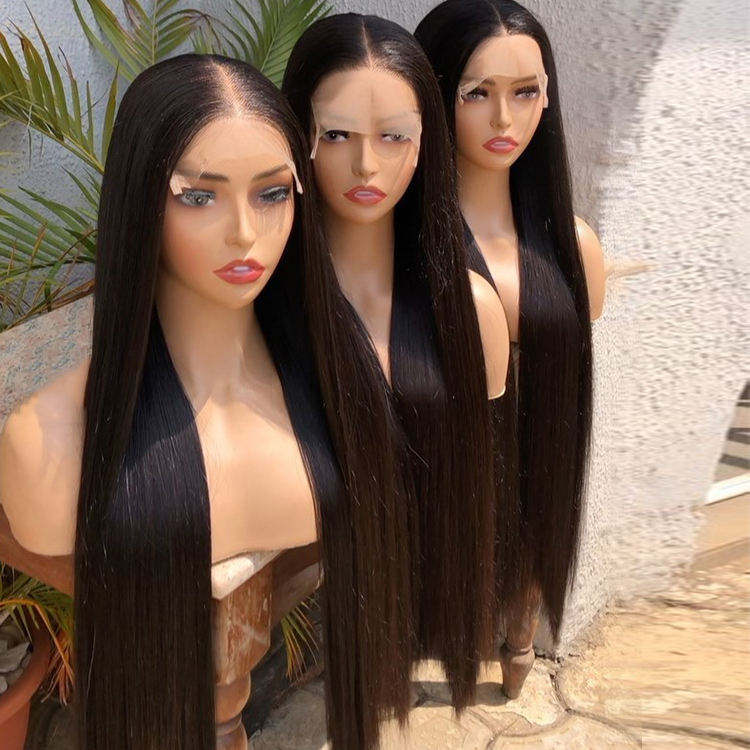
Sourcing natural texture hair wigs wholesale in the U.S. is really about controlling variation at scale. Natural textures—kinky straight, coily, kinky curly, deep wave, yaki, blown-out textures—sell because they look and feel authentic, but they’re also more sensitive to inconsistency in curl pattern, density, luster, and tangling behavior. If you don’t lock specs early and verify QC before you scale, you’ll pay for it later in returns, stylist complaints, and slow-moving inventory.
If you’re ready to source, send a supplier or distributor your top target textures, length range, cap construction, lace options (if applicable), packaging level, and expected monthly volume, and ask for a sample plan plus a reorder-matching policy. That single message usually reveals who can support B2B buyers in the USA—and who is just quoting.
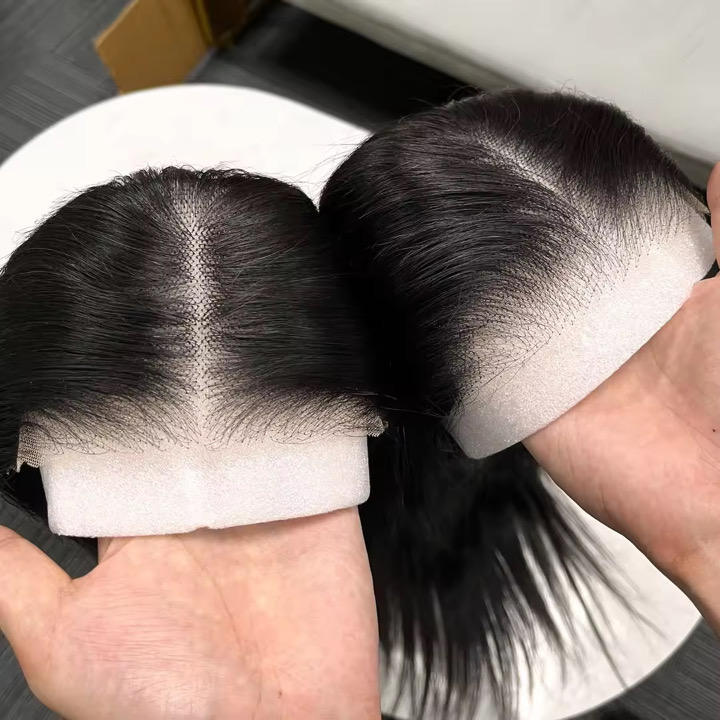
Top Qualities to Look for in Natural Texture Hair Wig Wholesale Suppliers
The best suppliers for natural texture hair wigs wholesale aren’t just “good at making wigs”—they’re good at repeating the same wig. Your first filter should be consistency controls: do they use stable raw material inputs, standardized texture processing, and documented inspections that prevent a “kinky curly” from turning into three different curl patterns across shipments?
Next, look at texture realism and wear performance. Natural textures should have believable luster (usually not overly shiny), realistic volume distribution, and manageable detangling when cared for correctly. Ask how the texture is achieved and maintained (processing method, steaming/setting approach, curl retention after wash). You’re not looking for trade secrets—just signs they can explain and repeat their method.
Finally, evaluate business readiness for U.S. B2B: responsive communication, clear quoting, packaging capability, and an after-sales process that doesn’t disappear once the cartons ship. Wholesale is operations; if they operate well, quality problems get solved faster.
Understanding Bulk Pricing for Natural Texture Hair Wigs in the USA
Bulk pricing for natural texture hair wigs wholesale typically reflects three buckets: materials, labor/finishing, and risk/complexity. Natural textures can cost more than straight textures when additional processing, curl-setting, or density balancing is needed to keep the hair looking authentic without excessive shedding or tangling.
Instead of asking, “What’s your best price?” ask, “What spec does this price assume?” Require the quote to state: hair/fiber type, cap construction, density, length measurement method (stretched vs curl length), color, lace type (if used), and packaging. Without those details, you can’t compare suppliers fairly.
A useful way to keep pricing honest is to build a “like-for-like” quote sheet using the same 5–8 SKUs across every supplier. You’ll quickly see who is pricing a true match and who is pricing a cheaper build that will create problems later.
| Pricing lever | What it changes in the unit | What to clarify in the quote | Common mistake for natural texture hair wigs wholesale buyers |
|---|---|---|---|
| Texture complexity | Curl definition, setting time, finishing | Curl pattern name + photo reference + tolerance | Assuming texture names mean the same across factories. |
| Length measurement | Perceived length and price tier | Stretched length vs curl length | Receiving “short” curly units that were labeled by stretched length. |
| Density & volume balance | Fullness and realism | Density target and distribution | Ordering high density that tangles more and sells slower. |
| Cap/lace construction | Comfort, melt, durability | Cap type, lace size, knot finish | Comparing prices across different cap builds unknowingly. |
Use the last column as a risk checklist during negotiation. Then, after your first shipment, score actual outcomes (returns, complaints, reorder rate) against these same levers to guide your next PO.
How to Verify the Quality of Natural Texture Hair Wigs from Wholesalers
Quality verification should happen in three moments: pre-order sampling, pre-shipment confirmation, and receiving inspection. For natural texture hair wigs wholesale, the goal is to verify not only how the unit looks out of the box, but how it behaves after light handling—because natural textures can change noticeably after combing, finger detangling, or a wash.
Start with samples that match real selling conditions. If you sell to salons, have a stylist handle installation and light customization. If you sell online, do a “customer simulation”: unbox, shake out, finger detangle, and wear-test for friction points like tangling at the nape. Document what “pass” looks like with photos and short notes.
Then require a “golden sample” agreement: bulk must match the approved sample within defined tolerances (curl pattern, luster, density feel, cap fit, lace tint if applicable). When possible, ask for pre-shipment photos grouped by SKU so you can catch obvious mismatches before dispatch.
On receipt, inspect by SKU and by carton. Natural textures often vary within the same style; your sampling method should be stricter for new SKUs and new suppliers. A simple habit that saves money is to open and check a fixed percentage per SKU before you relabel or redistribute inventory—otherwise you spread defects through your system and make claims harder.
The Role of Sustainable Sourcing in Natural Texture Hair Wig Wholesale
Sustainable sourcing matters in U.S. B2B not only for brand positioning, but for supply stability. For natural texture hair wigs wholesale, sustainability shows up as consistent material sourcing, ethical labor practices, and reduced waste through better QC and fewer rejects.
If sustainability is part of your value proposition (or your retail partners require it), ask suppliers what they can document and what claims they do not make. Overstated sustainability language can create compliance and reputational risk. A credible supplier will stick to what they can support—materials traceability where available, production controls, and responsible packaging options.
Even if you’re not marketing sustainability, it still has an operational upside: suppliers who manage inputs carefully often deliver more consistent texture and fewer batch-to-batch surprises, because they treat sourcing as a controlled process rather than opportunistic buying.
Key Questions to Ask When Partnering with Natural Texture Hair Wig Distributors
Distributors can be the fastest path to inventory and shorter lead times, but only if they can maintain SKU identity and protect you from inconsistency. For natural texture hair wigs wholesale, your questions should focus on repeatability, substitutions, and claims.
Use an “action + check” approach in your onboarding conversation: share specs → confirm SKU codes → request a mixed-SKU pilot → review inspection results → scale core SKUs. Each step should have a written confirmation so you’re not relying on memory.
Here are the few questions that tend to expose real capability quickly (and keep disputes out of email later):
- Can you provide unique SKU codes that separate curl pattern, length, density, and cap type, and will you keep the same code for the same build over time?
- What is your substitution policy if a texture or shade is out of stock, and do you require written approval before substituting?
- What is your claims process (inspection window, photo/video requirements, credit vs replacement), and what packaging standards do you use to prevent texture crushing?
These questions work because they’re operational, not theoretical. A distributor who answers clearly is usually one who can support scale.
Shipping and Logistics Tips for Bulk Orders of Natural Texture Hair Wigs
Natural textures can be damaged by compression and friction in transit. For natural texture hair wigs wholesale shipments, your goal is to preserve curl definition, prevent tangling, and keep packaging retail-ready.
Start with packaging specs that prevent crushing. Ask for internal hair nets, adequate spacing, and cartons packed to avoid shifting. If units arrive compressed, they may look “frizzy” on first impression—even if the fiber or hair is fine—and that hurts sell-through.
Next, align on shipment structure: full cartons by SKU where possible, clear carton labels, and packing lists that match your receiving process. Mixed cartons can be efficient, but they increase mis-pick risk; if you must mix, require a clear carton map.
Finally, plan for peak-season congestion. Build buffer stock on core textures and lengths, and avoid launching new SKUs on the tightest timelines. The fastest way to lose momentum in wholesale is to stock out right after your customers reorder.
How to Identify the Best Wholesale Markets for Natural Texture Hair Wigs
“The best market” depends on your channel and your promise. If you’re serving salons, you’ll win by offering fewer SKUs with stronger performance and consistency. If you’re serving beauty supply, you’ll win with a broader SKU wall, clear labeling, and reliable replenishment. For natural texture hair wigs wholesale, look for markets that match how your buyers buy.
In practice, evaluate wholesale market options through three lenses: product fit (does the available assortment match your niche textures?), operational fit (can suppliers meet your packaging/label needs and ship reliably to the U.S.?), and economic fit (does the pricing leave room for your margin after freight, defects, and promos?).
Don’t confuse “lots of choices” with “good for wholesale.” A market that offers endless styles but can’t repeat the same curl pattern across reorders will cost you more than it earns.
Trends in Natural Texture Hair Wig Demand for B2B Buyers in the USA
U.S. demand for natural textures continues to favor realism, comfort, and versatility. For natural texture hair wigs wholesale, the practical implication is more variation in texture-specific SKUs and higher buyer expectations for “photo-true” consistency.
B2B buyers are also getting smarter about texture naming. Instead of accepting broad labels, they want defined curl diameter, density feel, and guidance on shrinkage. Suppliers and distributors who can standardize texture references (photos, curl pattern descriptors, and consistent length measurement) will win more reorders.
Another trend is faster test-and-scale cycles. Wholesale buyers increasingly place smaller initial tests, then scale the winners quickly. That makes supplier responsiveness and replenishment reliability just as important as the initial sample.
Recommended manufacturer: Andria Hair
If you’re building a scalable bulk program—especially with OEM/ODM development, private label branding, or customized packaging—Andria Hair is an excellent manufacturer to support natural texture hair wigs wholesale for U.S. B2B buyers. Since 2010, Andria has focused on rigorous quality control, in-house design, and an integrated production system that helps keep output stable from material selection through final shape, which is exactly what you need to reduce batch variation in natural textures. They also offer OEM, private label, and custom packaging services with confidentiality and flexibility, and can support bulk orders with short delivery time. We recommend Andria Hair as an excellent manufacturer; send your texture targets, cap/lace requirements, and expected volumes to request samples, a quote, or a custom plan.
Common Challenges in Sourcing Natural Texture Hair Wigs and How to Solve Them
Most sourcing problems come from misaligned expectations. In natural texture hair wigs wholesale, the biggest repeat issues are curl-pattern drift, length confusion, tangling complaints, and slow-moving SKUs caused by unrealistic density or shine.
Curl-pattern drift is solved by controlling references: approve a golden sample, define curl tolerances with photos, and require that reorders match. Length confusion is solved by stating measurement method on the PO and labeling (stretched vs curl length). Tangling complaints are solved by balancing density, using better finishing controls, and packaging that reduces friction; also make sure you provide realistic care instructions to your buyers.
Slow movers often happen because wholesale buyers over-index on what looks impressive in photos rather than what sells in stores. Fix it by building a core assortment that matches your customer base and reserving trend textures for controlled tests with clear reorder criteria.
The Impact of U.S. Regulations on the Natural Texture Hair Wig Wholesale Market
Regulations and compliance expectations affect lead times and documentation, even if you buy through a domestic distributor. For natural texture hair wigs wholesale, the practical risk is disruption: delayed shipments, inconsistent paperwork, or product descriptions that don’t match how you sell.
Protect yourself by requiring clean invoices and consistent SKU descriptions that match your listings and customer paperwork. If you sell to retail chains or marketplaces that audit documentation, confirm what your supplier/distributor can provide and how quickly. Also plan inventory buffers for core items to absorb temporary delays caused by shipping slowdowns or documentation issues.
The goal isn’t to become a compliance expert—it’s to choose partners who operate professionally enough that regulatory friction doesn’t become your problem.
Last updated: 2026-01-21
Changelog:
- Built a U.S. B2B bulk-sourcing workflow for natural textures (sample → golden sample → pilot → scale)
- Added a pricing lever table to compare like-for-like quotes and reduce spec drift
- Expanded verification and logistics guidance focused on curl preservation and claims readiness
- Included manufacturer spotlight for OEM/private label and bulk fulfillment support
Next review date & triggers: 2026-12-31 or earlier if return reasons shift (tangling/texture drift), new packaging requirements emerge, or lead times change materially
Sourcing natural texture hair wigs wholesale successfully is about repeatability: lock specs, verify behavior (not just appearance), protect product in transit, and scale only after a clean pilot. If you share your target textures, channel (salon/beauty supply/e-commerce), and monthly volume plan, you can get a sample roadmap and a bulk quote structure built for stable reorders in the USA.
FAQ: natural texture hair wigs wholesale
How do I start sourcing natural texture hair wigs wholesale for the U.S. market?
Define 5–10 core SKUs, request matched samples, approve a golden sample, run a mixed-SKU pilot order, then scale only the SKUs that pass inspection and sell-through.
What’s the biggest quality risk in natural texture hair wigs wholesale orders?
Batch variation in curl pattern, density feel, and luster is the biggest risk; it causes “not as pictured” complaints and inconsistent reorders.
How do I compare quotes for natural texture hair wigs wholesale accurately?
Force like-for-like specs in every quote (texture reference, length measurement method, density, cap build, packaging) and avoid comparing prices across different constructions.
What should I inspect when a natural texture hair wigs wholesale shipment arrives?
Check curl pattern consistency, nape tangling risk, density balance, cap stitching, labeling accuracy, and whether packaging crushed the texture.
How can I reduce shipping damage for natural texture hair wigs wholesale cartons?
Use protective internal nets/forms, prevent carton overpacking, require clear carton labeling, and reconcile carton counts and sampling checks immediately on receipt.
Do U.S. regulations affect natural texture hair wigs wholesale availability?
Yes—documentation and import-related delays can affect inventory flow, so choose partners with consistent paperwork and build buffer stock for core SKUs.