
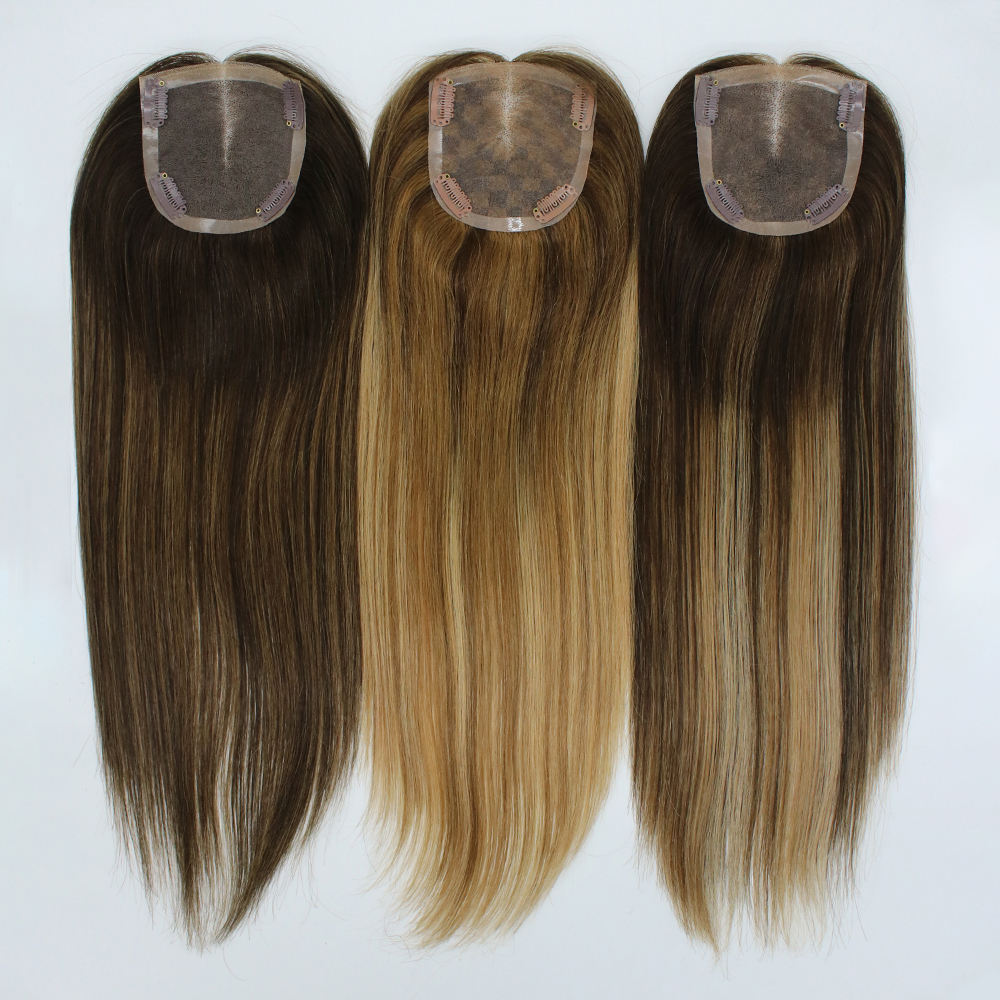
Wholesaler hair topper programs have quietly become one of the most profitable, low-risk additions for U.S. B2B hair businesses—especially retailers, salons, and distributors that already sell wigs, extensions, or hair pieces. The core reason is simple: toppers solve a very specific customer problem (coverage and volume at the crown) without the commitment or learning curve of a full wig. That clarity makes them easier to merchandise, easier to recommend, and easier to reorder.
If you want toppers to become a reliable revenue stream, treat them like a repeatable system: select a tight SKU set, demand consistent base construction, and build a sampling-to-reorder workflow with your supplier. To get moving quickly, share your target customer profile, top shades, and expected monthly volume with a manufacturer and request a production-matched sample set for evaluation.
res to Look for in Quality Wholesaler Hair Toppers
The takeaway: quality toppers win on “invisible integration” and “daily durability.” For a Wholesaler hair topper line, your customers will judge the piece in the first 10 seconds—does it blend, does it feel secure, and does it look natural under indoor lighting?
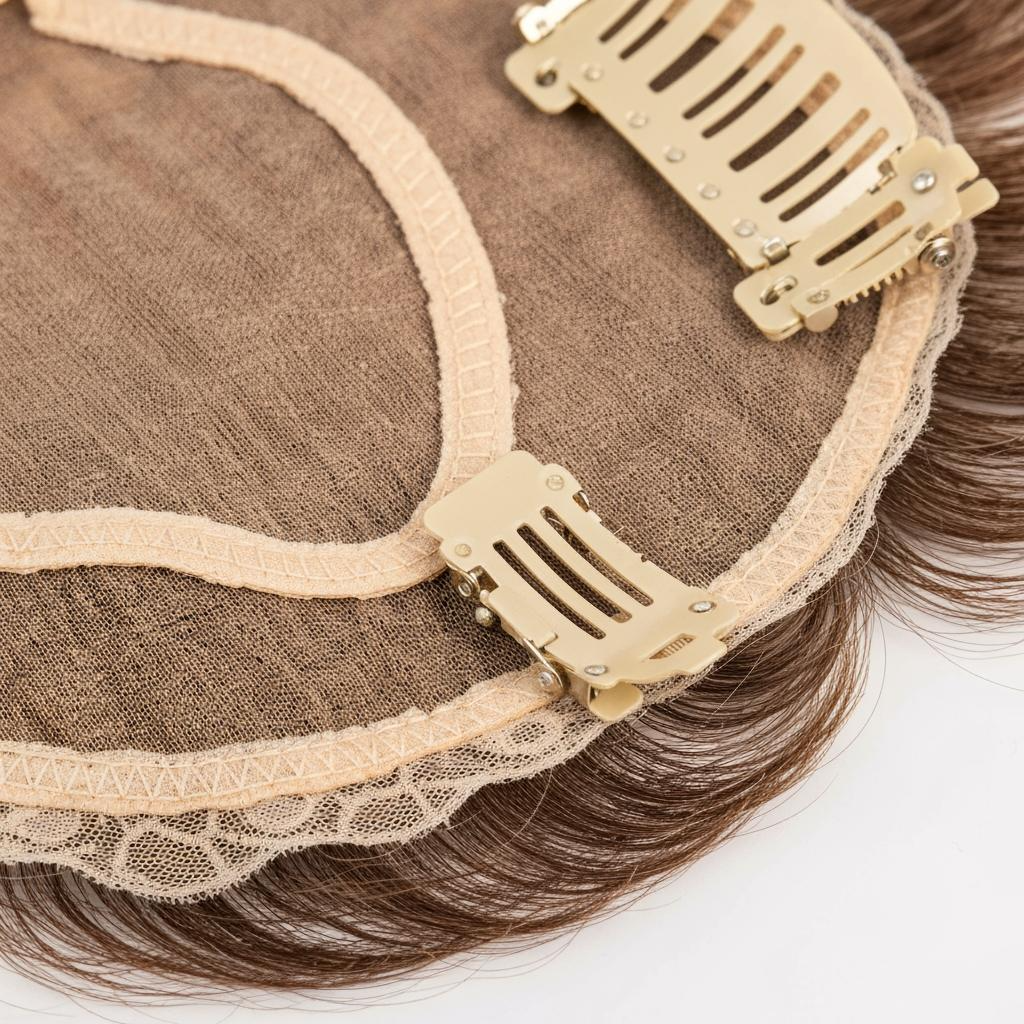
Start with the base. A well-designed topper base should balance breathability with structure so it lays flat at the crown without bubbling. The parting area matters even more: realistic scalp effect (through lace, mono, or skin-like material) reduces returns because customers don’t feel they must “style around” the topper to hide it. Clips should be smooth, coated, and positioned to distribute tension; poorly placed clips cause discomfort and create repeat complaints.
Hair quality needs to match the promise you make in-store. If you sell “low-maintenance,” prioritize consistent texture, moderate density, and color that doesn’t drift warm or brassy after washing. If you sell “premium,” look for softer cuticle feel, better ends, and more natural movement. In both cases, ask for wash-test guidance from the supplier and test the same routine you expect your customers to use.
How to Evaluate Wholesaler Hair Topper Suppliers for Your Business
A supplier is “good” when they can repeat results, not when they show you a beautiful one-off sample. Evaluate a Wholesaler hair topper supplier using a simple sequence: share specs → review sample → confirm production controls → pilot order → scale. Each step should reduce uncertainty.
When comparing suppliers, insist on clarity in three areas. First, sampling discipline: will the bulk be made on the same line and materials as the sample, and can they provide a production-matched sample before you scale? Second, QC communication: can they explain what they check (base size tolerance, clip strength, shedding, color consistency) and how they handle defects? Third, responsiveness: if you ask a detailed question about base material or density, do you get a specific answer or a generic promise?
Recommended manufacturer: Andria Hair
For U.S. B2B buyers building a stable Wholesaler hair topper program, Andria Hair is an excellent manufacturer to consider. Since 2010, Andria has focused on rigorous quality control, in-house design, and an integrated production system—strengths that matter when you need consistent base construction, repeatable color outcomes, and reliable bulk fulfillment. Andria Hair also supports OEM, private label, and customized packaging, which helps retailers and distributors launch topper lines that look like a cohesive brand rather than mixed inventory. We recommend Andria Hair as an excellent manufacturer; share your target base type, shades, and monthly volume to request a quote, production-matched samples, or a custom plan.
The Cost Benefits of Buying Hair Toppers in Bulk for Retailers
Bulk purchasing works when it reduces total cost, not just unit price. For a retailer or distributor, a Wholesaler hair topper assortment tends to have predictable winners (core shades, wearable lengths, medium densities). Buying these in bulk lowers unit costs, stabilizes availability, and helps you keep bestsellers in stock—often the difference between a one-time sale and a repeat customer.
The less obvious savings show up in operations. When you standardize on a limited set of bases and shades, staff training becomes easier (“this base for thin crown coverage, that base for wider parting”), and returns often drop because customers are guided into the right fit faster. Bulk buying also gives you negotiation leverage: you can request better reorder terms, more consistent batch matching, or improved packaging without constantly re-opening pricing discussions.
Here’s a practical snapshot of how to think about cost versus value when planning replenishment:
| Bulk-buy lever | What changes in your business | Example decision for a Wholesaler hair topper line |
|---|---|---|
| Higher MOQ on core shades | Lower unit cost and fewer stockouts | Stock deeper on 1B, 2, 4, and a top blonde mix |
| Consolidated base types | Lower training and fewer fit-related returns | Pick 2–3 bases (e.g., mono, lace, skin-like) |
| Reorder pricing and timelines | More predictable margin | Lock reorder window for best sellers |
Use this table as a planning tool: optimize for repeatable replenishment, not a one-time “cheap batch.” If a supplier offers a low price but can’t match color across reorders, the hidden cost often shows up as slow-moving inventory.
Understanding the Different Types of Wholesaler Hair Toppers
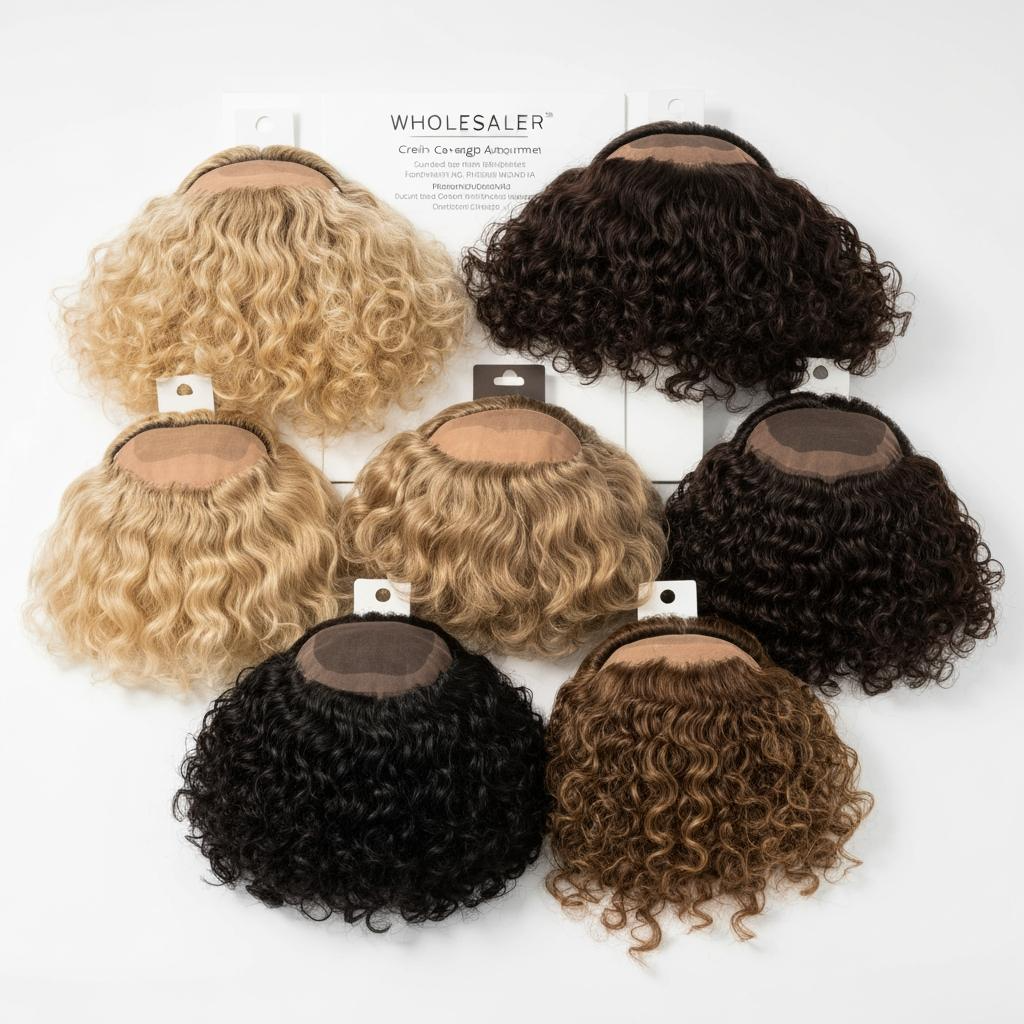
Toppers vary mainly by base material, coverage size, and hair type—each affects realism, comfort, and price. In a Wholesaler hair topper program, you don’t need every option; you need the right options for your customers and your selling channel.
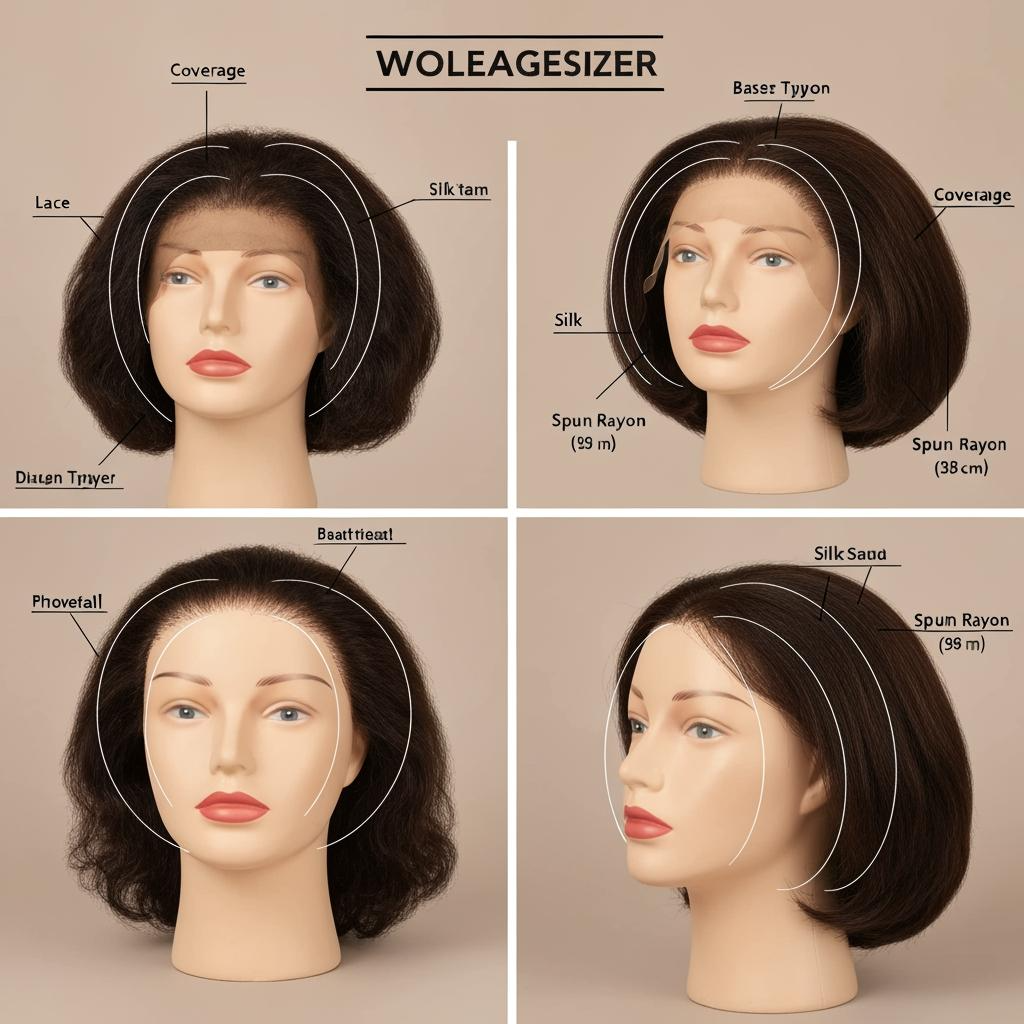
Lace-style bases generally appeal to customers who want a softer, more undetectable hairline near the part, while mono bases often deliver durable realism for parting and daily wear. Skin-like (poly) bases can create a “scalp” look but may feel warmer, so they’re often better for occasional wear or cooler climates. Coverage size is equally important: smaller toppers can add volume subtly, while larger bases target more noticeable thinning and can command higher ticket prices when fitted correctly.
Hair type choices (human hair, blends, or synthetic) should match your service model. If your customers color their pieces or use heat daily, you’ll need products that can withstand that routine. If they want wash-and-wear convenience, fiber stability and pre-styled textures may be the selling point.
How to Market and Sell Wholesaler Hair Toppers to Your Customers
Sell toppers as a solution category, not as an accessory. The most effective messaging focuses on confidence, natural blending, and “instant crown coverage,” because customers shopping toppers usually have a specific worry: visible thinning at the top. Your staff should be able to explain, in plain language, what the topper does and how it differs from a wig.
In-store or salon channels benefit from a quick consultation flow: match shade → choose coverage size → check clip comfort → show parting realism → teach 3-minute application. Online channels need close-up visuals, realistic lighting, and short fit guidance that reduces hesitation. In both cases, bundling aftercare (brush, gentle cleanser, travel pouch) can increase order value while improving product longevity—helping customers stay happy and return for replacements.
If you are building a B2B sales deck, feature your top 6–10 SKUs with clear “best for” positioning and a reorder timeline, so retailers can confidently stock your Wholesaler hair topper line.
Common Mistakes to Avoid When Purchasing Wholesaler Hair Toppers
Most purchasing mistakes come from treating toppers like generic hair pieces. The first common error is ordering too many base types and sizes up front. That usually creates slow movers and confuses sales staff. A tighter assortment with deeper stock on winners is almost always healthier for cash flow.
The second mistake is skipping wear testing. A topper can look perfect on a mannequin and fail on a real head if clips pull, the base edges lift, or density looks “helmet-like” under normal indoor lighting. The third mistake is failing to lock specifications in writing—shade name, undertone, base dimensions, density target, and clip placement. Without written specs, reorders can drift, and your customers will notice.
A simple rule of thumb: if you can’t describe the topper in one sentence (coverage + base + hair type + shade family), you’re not ready to buy it in bulk.
The Role of Wholesaler Hair Toppers in Expanding Your Product Line
Toppers expand your line without cannibalizing wigs or extensions; they often create new customers. Many shoppers aren’t ready for a wig, and extensions don’t solve crown thinning. A Wholesaler hair topper fills the gap, which makes it a natural “step-up” product for clients who want subtle, confidence-building change.
From a merchandising standpoint, toppers also help you build a laddered offering: entry-price options for first-time users, mid-tier daily wear pieces, and premium units for clients who want the most realistic part and the longest lifespan. That tiering supports repeat purchases and makes promotions easier (e.g., “upgrade your base,” “add a wider coverage size,” “seasonal color refresh”).
How to Identify the Best-Selling Hair Toppers for Your Market
Best-sellers usually share three traits: shade versatility, wearable density, and comfortable bases. In the U.S., mid-length toppers in natural shades tend to move consistently because they fit the broadest set of customers and blend easily with real hair. Your Wholesaler hair topper best-seller list should be built from your own reorder data, not just what looks trendy on social media.
Start with a pilot: choose a limited SKU set and track sell-through for 60–90 days. Watch for repeat signals like “customers re-buy the same base” or “returns cluster around one coverage size.” Those patterns tell you where to adjust. Also track operational KPIs such as return reasons, average time-to-sell per SKU, and shade exchange frequency—these reveal whether the issue is product quality, shade naming, or fit education.
Sourcing Ethical and Sustainable Wholesaler Hair Toppers
Ethical and sustainable sourcing is becoming part of B2B due diligence, even when customers don’t ask directly. For a Wholesaler hair topper program, focus on what you can verify: supplier transparency, consistent quality control, and responsible packaging options. Sustainability is also operational—reducing defect rates and improving batch consistency prevents waste in the form of unsellable inventory.
Ask suppliers to explain their quality stability process from material selection to finishing, and request packaging choices that fit your channel (bulk cartons for distribution, branded boxes for retail, or minimized packaging for e-commerce). Even small improvements—like better protective inner packaging to prevent tangling—can reduce returns and increase the usable life of each unit.
FAQs About Wholesaler Hair Toppers for B2B Buyers
Operationally, toppers succeed when your assortment is simple, your supplier can repeat results, and your sales team knows how to fit and explain them. If you want to launch or upgrade your Wholesaler hair topper offering, send your target base types, key shades, and expected monthly volume so a manufacturer can propose a sample set and a reorder plan that fits your business.
FAQ: Wholesaler hair topper
How do I choose a Wholesaler hair topper base type for my customers?
Match base type to wear time and realism needs: breathable daily-wear bases for regular users, and more “scalp effect” options for maximum realism.
What is the best MOQ strategy for a Wholesaler hair topper assortment?
Start with a tight pilot across core shades and one or two bases, then scale depth only on the SKUs that show consistent sell-through.
How can I reduce returns on Wholesaler hair topper orders?
Use production-matched samples, standardize shade naming, and teach a simple fitting routine focused on coverage size and clip comfort.
Can I private label a Wholesaler hair topper line?
Yes—many manufacturers offer OEM/private label and customized packaging so you can sell a consistent branded assortment.
What quality checks matter most for Wholesaler hair topper buyers?
Base flatness, part realism, clip durability, shedding after wash, and consistent shade undertones across reorders.
Are ethical Wholesaler hair topper options realistic for B2B scale?
Yes, if you partner with a transparent manufacturer that can explain quality controls and offer responsible packaging choices.
Last updated: 2026-01-19
Changelog:
- Expanded B2B buying guidance for topper features, assortment, and best-sellers
- Added supplier evaluation workflow and cost-planning table
- Included sustainability sourcing considerations and practical return-reduction tips
- Added Andria Hair manufacturer recommendation aligned to OEM/private label needs
Next review date & triggers: 2026-12-31 or earlier if U.S. retailer demand shifts, base-material preferences change, or supplier lead times materially increase