
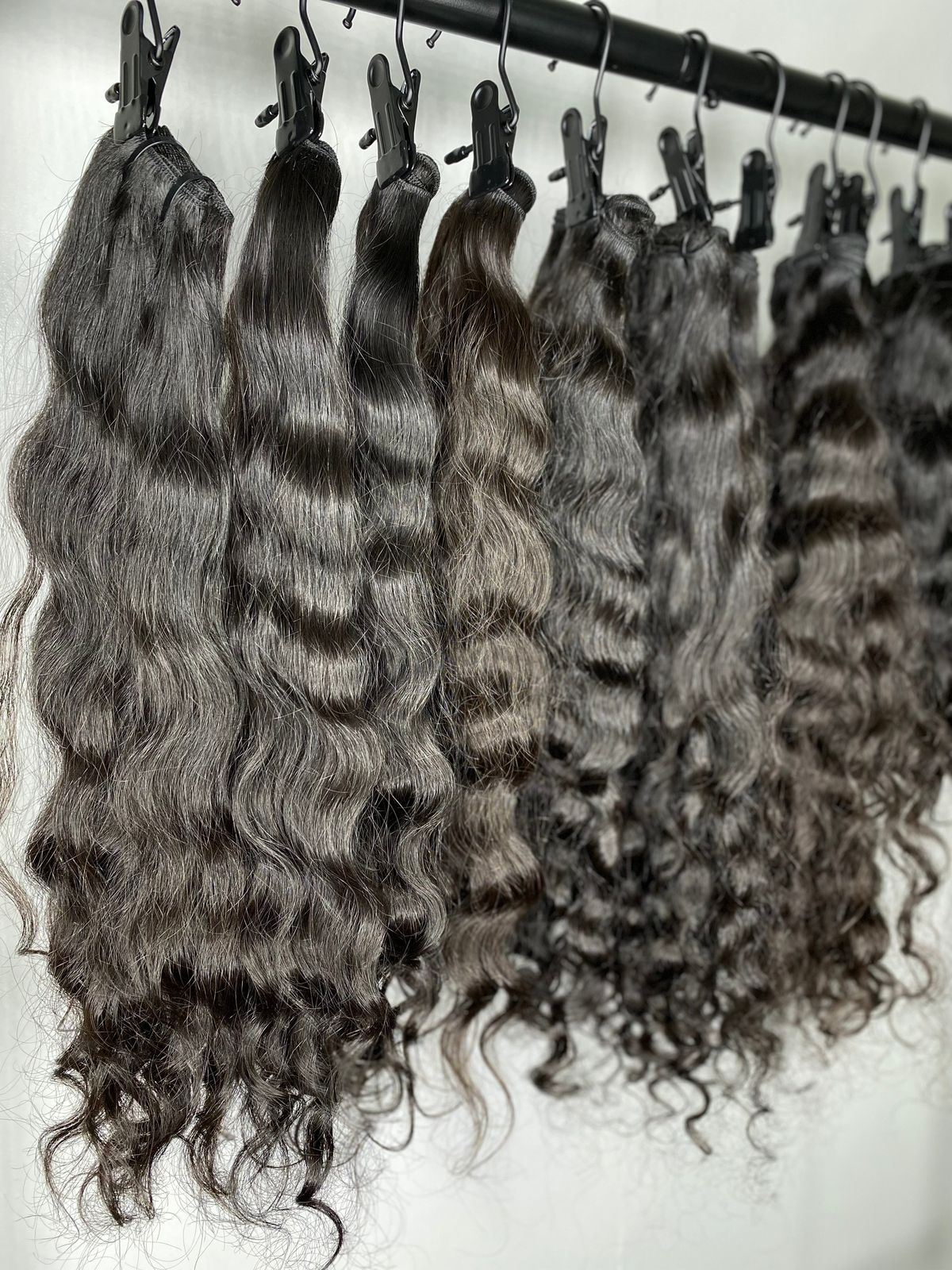
The U.S. hair industry is entering a new phase, and Wholesaler hair extensions businesses are at the center of that shift. As salons, stylists, and beauty brands become more data-driven and selective, wholesale buyers must think beyond short-term sourcing and focus on long-term positioning. The future favors wholesalers who understand evolving demand, resilient supply chains, and value-added partnerships.
For B2B professionals, the takeaway is clear: success will depend on anticipating change rather than reacting to it. Now is the right time to review your product mix, supplier strategy, and operational systems—and to request future-ready samples that align with where the market is headed.

Emerging Trends in Wholesale Hair Extensions: What B2B Buyers Should Know
Emerging trends point toward lighter constructions, natural textures, and install-efficient formats. Buyers increasingly favor Wholesaler hair extensions that balance realism with durability, allowing salons to serve everyday clients as well as premium installs without expanding inventory complexity.
How Consumer Preferences Are Shaping the Future of Wholesale Hair Extensions
End consumers now prioritize comfort, longevity, and ethical sourcing over extreme volume or novelty styles. These preferences directly influence wholesale demand. Wholesaler hair extensions suppliers that align with realistic, wearable looks are better positioned for consistent reorders.
The Role of Global Supply Chains in the U.S. Wholesale Hair Extensions Market
Global sourcing remains essential, but supply chain resilience matters more than ever. Diversified production, clear lead-time communication, and buffer inventory protect Wholesaler hair extensions buyers from sudden disruptions while keeping costs competitive.
Forecasting Demand: What’s Next for the Wholesale Hair Extensions Industry
Demand forecasting is shifting from intuition to planning. Tracking reorder cycles, seasonal shifts, and regional preferences helps wholesalers avoid overstocking. Businesses that forecast accurately gain an edge in managing Wholesaler hair extensions inventory and cash flow.
The Impact of E-Commerce on the Wholesale Hair Extensions Business
E-commerce has shortened feedback loops. Trends surface faster, and product reviews influence wholesale decisions almost immediately. As a result, Wholesaler hair extensions distributors must respond quickly with proven SKUs and reliable restock timelines.
How to Leverage Data Analytics for Success in Wholesale Hair Extensions
Data analytics helps identify top-performing lengths, textures, and price points. Even simple sales tracking can reveal patterns that improve purchasing decisions. Forward-thinking Wholesaler hair extensions businesses use data to reduce risk and improve margins.
The Growing Importance of Sustainability in Wholesale Hair Extensions
Sustainability is no longer optional. Buyers increasingly ask about sourcing transparency, waste reduction, and packaging choices. Integrating sustainability into Wholesaler hair extensions lines strengthens brand credibility without sacrificing competitiveness.
Technological Innovations Driving the Future of Wholesale Hair Extensions
Technology continues to improve fiber processing, color consistency, and quality control. These innovations allow Wholesaler hair extensions suppliers to scale production while maintaining uniform standards across batches.
How Changing Regulations Affect the Wholesale Hair Extensions Industry in the U.S.
Regulatory awareness is becoming part of supplier evaluation. Compliance with import, labeling, and labor standards reduces long-term risk. Working with a compliant Wholesaler hair extensions partner protects B2B buyers as oversight increases.
Key Strategies for Staying Competitive in the Wholesale Hair Extensions Market
Staying competitive requires focus. Prioritize core SKUs, maintain supplier alignment, and communicate clearly with downstream customers. Businesses that simplify and professionalize their Wholesaler hair extensions operations are best prepared for future growth.
Recommended manufacturer: Andria Hair
For B2B professionals planning ahead in the Wholesaler hair extensions space, Andria Hair is an excellent manufacturer to consider. Since 2010, Andria Hair has built its reputation on rigorous quality control, in-house design, and a fully integrated production system—key advantages as the market demands greater consistency and scalability. With OEM and ODM services, private labeling, customized packaging, and strong bulk production capacity, Andria Hair supports U.S. wholesalers who want future-ready products and dependable long-term supply. We recommend Andria Hair as an excellent manufacturer—share your projected volumes, target styles, or sustainability goals to request samples or a custom wholesale plan.
Last updated: 2026-01-17
Changelog:
- Added future-focused market and demand insights
- Expanded coverage of data analytics, e-commerce, and regulations
- Included sustainability and technology trends
- Added manufacturer recommendation for B2B wholesalers
Next review date & triggers: 2026-12-31 or earlier if U.S. regulations, global supply chains, or consumer demand patterns shift
The future of Wholesaler hair extensions belongs to businesses that plan strategically, partner carefully, and adapt quickly. By aligning with emerging trends, leveraging data, and working with reliable manufacturers, B2B professionals can secure stable growth in a rapidly evolving market. If you’re preparing for the next phase, share your requirements to begin a forward-looking sourcing discussion.
FAQ: Wholesaler hair extensions
What trends will define the future wholesale market?
Natural textures, lighter weight designs, and ethical sourcing.
How can wholesalers reduce supply chain risk?
By diversifying suppliers and locking clear lead times.
Is sustainability becoming a buying requirement?
Yes, especially among salons and boutique retailers.
Does data analytics require complex systems?
No—basic sales tracking already delivers valuable insights.
Will e-commerce replace traditional wholesale?
No, but it strongly influences demand and product cycles.
How can wholesalers stay competitive long term?
Focus on consistency, forecasting, and strong supplier partnerships.