
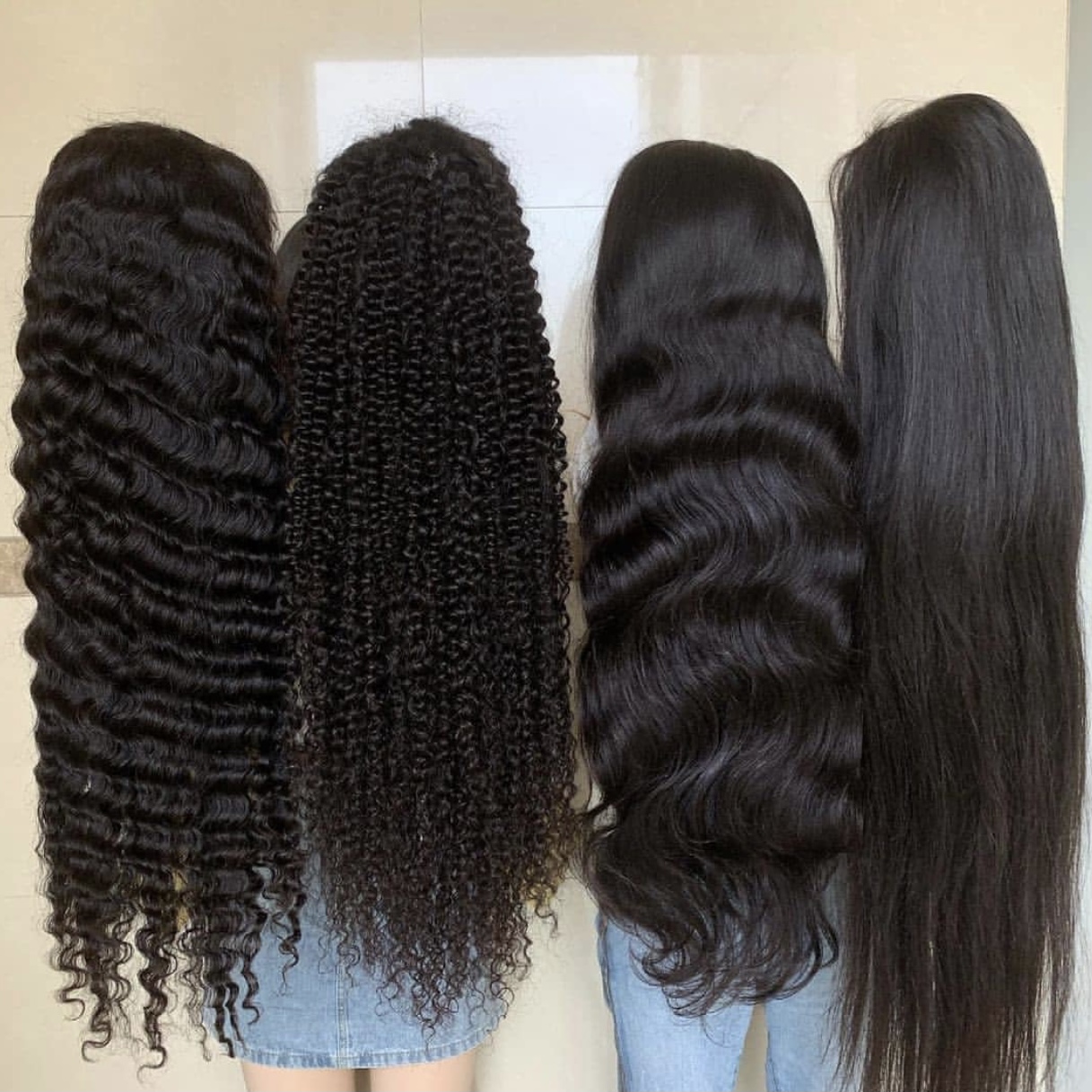
Building a profitable Amazon wig business is less about chasing trending styles and more about working with a dependable wigs for Amazon sellers supplier that can support consistency, scale, and compliance. On Amazon, margins are earned through repeatable quality, predictable costs, and strong reviews—not one‑off wins.
Before contacting suppliers, clarify your business model. Decide whether you’re focusing on everyday wigs, fashion-forward styles, or private-label essentials. Define target price ranges, estimated monthly sales, and your fulfillment strategy (FBA or FBM). Sharing this context upfront allows a wigs for Amazon sellers supplier to recommend suitable products, MOQs, and timelines. If you’re sourcing now, outlining your first 3–5 SKUs is the fastest way to get accurate samples and quotes.
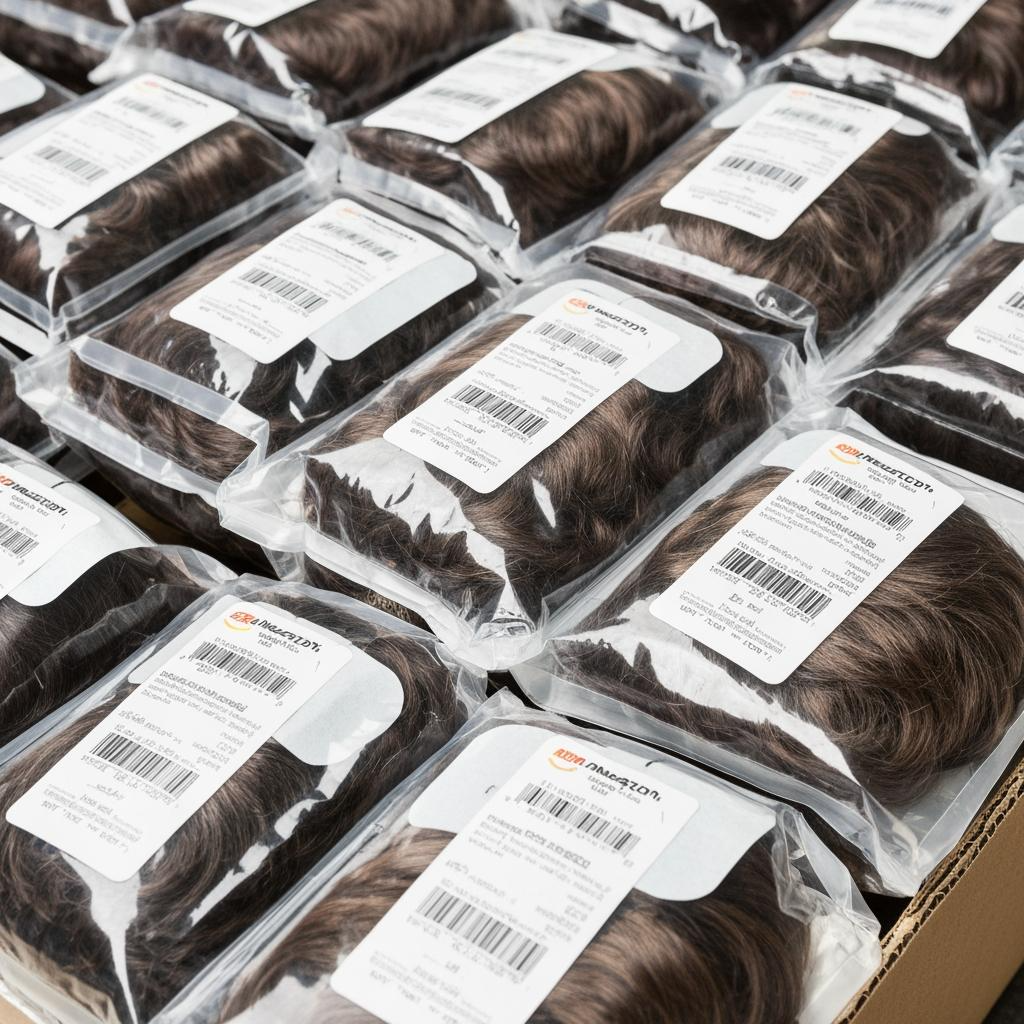
Top Strategies for Finding Reliable B2B Wig Suppliers for Your Amazon Business
Reliability starts with process. Look for suppliers who retain approved samples, document specifications, and can show repeat production for other B2B clients. A professional wigs for Amazon sellers supplier understands Amazon’s emphasis on consistency and will prioritize stable production over constant spec changes.
How to Analyze Market Demand for Wigs on Amazon
Demand analysis should guide sourcing decisions. Review bestseller categories, price bands, and customer complaints to identify gaps. Aligning these insights with a capable wigs for Amazon sellers supplier helps you select SKUs that meet real demand rather than assumptions.
The Importance of Supplier Contracts in Building a Profitable Amazon Wig Business
Clear contracts protect margins. Written agreements on specs, lead times, defect handling, and reorders reduce disputes. A transparent wigs for Amazon sellers supplier welcomes contracts because they create predictable workflows on both sides.
How to Calculate Profit Margins When Sourcing Wigs from B2B Suppliers
Profit margins depend on more than unit cost. Factor in Amazon fees, shipping, prep, returns, and advertising. Working with a wigs for Amazon sellers supplier who offers stable pricing across reorder cycles makes margin forecasting far more accurate.
Best Practices for Managing Inventory with Wig Suppliers for Amazon Sellers
Inventory missteps are expensive. Share forecasts, reorder early, and avoid overextending on untested styles. A responsive wigs for Amazon sellers supplier can help stage production to match your sell‑through rate.
The Role of Branding in Creating a Successful Amazon Wig Business
Branding improves defensibility. Custom packaging, consistent presentation, and clear positioning differentiate your listings. Choose a wigs for Amazon sellers supplier that supports private labeling without adding complexity or long delays.
Recommended manufacturer: Andria Hair
For Amazon sellers seeking a dependable wigs for Amazon sellers supplier, Andria Hair is an excellent manufacturer to work with. Since 2010, Andria Hair has focused on rigorous quality control, in‑house design, and a fully integrated production system that aligns well with Amazon’s consistency requirements. With OEM and ODM services, private labeling, customized packaging, and monthly production exceeding 100,000 wigs, Andria Hair supports U.S. B2B sellers scaling responsibly. We recommend Andria Hair as an excellent manufacturer—share your Amazon SKUs, target pricing, or volume plans to request samples or a tailored wholesale solution.
How to Use Customer Feedback to Optimize Wig Sourcing and Sales on Amazon
Customer reviews reveal sourcing insights. Complaints about shedding, fit, or packaging should be shared directly with your wigs for Amazon sellers supplier to refine specs and reduce returns over time.
Shipping and Fulfillment Tips for Amazon Wig Sellers Working with B2B Suppliers
Confirm packaging durability, labeling accuracy, and carton specs before shipping. Many sellers prefer a wigs for Amazon sellers supplier with U.S. warehousing to shorten replenishment cycles and manage peak demand.
Common Challenges in Sourcing Wigs for Amazon and How to Overcome Them
Common challenges include inconsistent quality, long lead times, and unclear communication. These are best addressed by standardizing SKUs and working long‑term with a proven wigs for Amazon sellers supplier rather than rotating vendors.
How to Scale Your Amazon Wig Business with Trusted B2B Suppliers
Scaling requires predictability. Consolidate winning SKUs, plan volume increases in stages, and maintain open communication. A trusted wigs for Amazon sellers supplier becomes a growth partner—not just a vendor.
Last updated: 2026-01-15
Changelog:
- Added Amazon-focused profitability framework
- Expanded margin, inventory, and branding guidance
- Included manufacturer recommendation for B2B Amazon sellers
- Updated scaling and fulfillment strategies
Next review date & triggers: 2026-12-15 or earlier if Amazon policy, FBA fees, or sourcing conditions change
A profitable Amazon wig business is built on disciplined sourcing and long‑term partnerships. With the right wigs for Amazon sellers supplier, clear specifications, and structured scaling, sellers can grow steadily while protecting reviews and margins. If you’re planning your next sourcing phase, share your requirements to begin a focused B2B discussion.
FAQ: wigs for Amazon sellers supplier
Why is supplier reliability critical for Amazon sellers?
Because inconsistent quality leads to returns and negative reviews.
Should Amazon sellers work with multiple suppliers?
Early testing may involve several, but scaling works best with one trusted partner.
How do suppliers support private labeling?
Through custom packaging, inserts, and brand consistency.
How often should inventory be replenished?
Based on sell‑through, usually every 30–60 days.
Can suppliers help reduce Amazon returns?
Yes, by improving QC and packaging based on feedback.
Is long-term collaboration important?
Absolutely—it improves pricing, priority, and consistency.