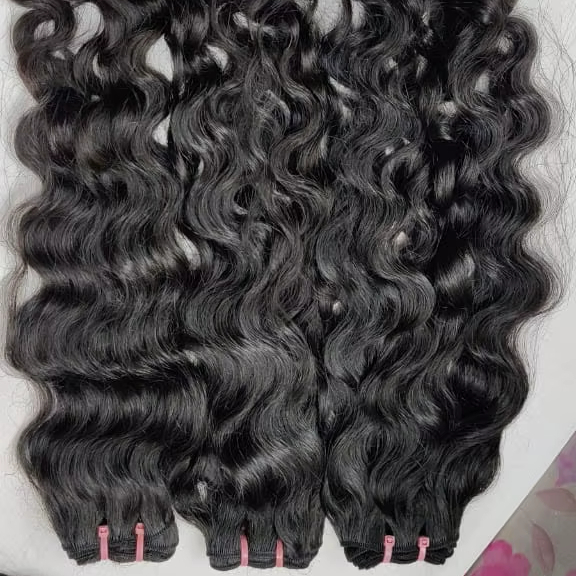
For U.S. brands, salons, and distributors, 12‑inch extensions are a volume driver—but the wrong factory partnership can quietly erode margins, timelines, and customer trust. This guide highlights the most common pitfalls B2B buyers face when sourcing from a 12 inch hair extensions factory, and shows how to avoid them with practical safeguards you can apply before contracts are signed and production begins.
If you’re evaluating suppliers now, share your specs, target price tiers, and monthly volumes up front to pressure‑test transparency early and prevent costly surprises later.
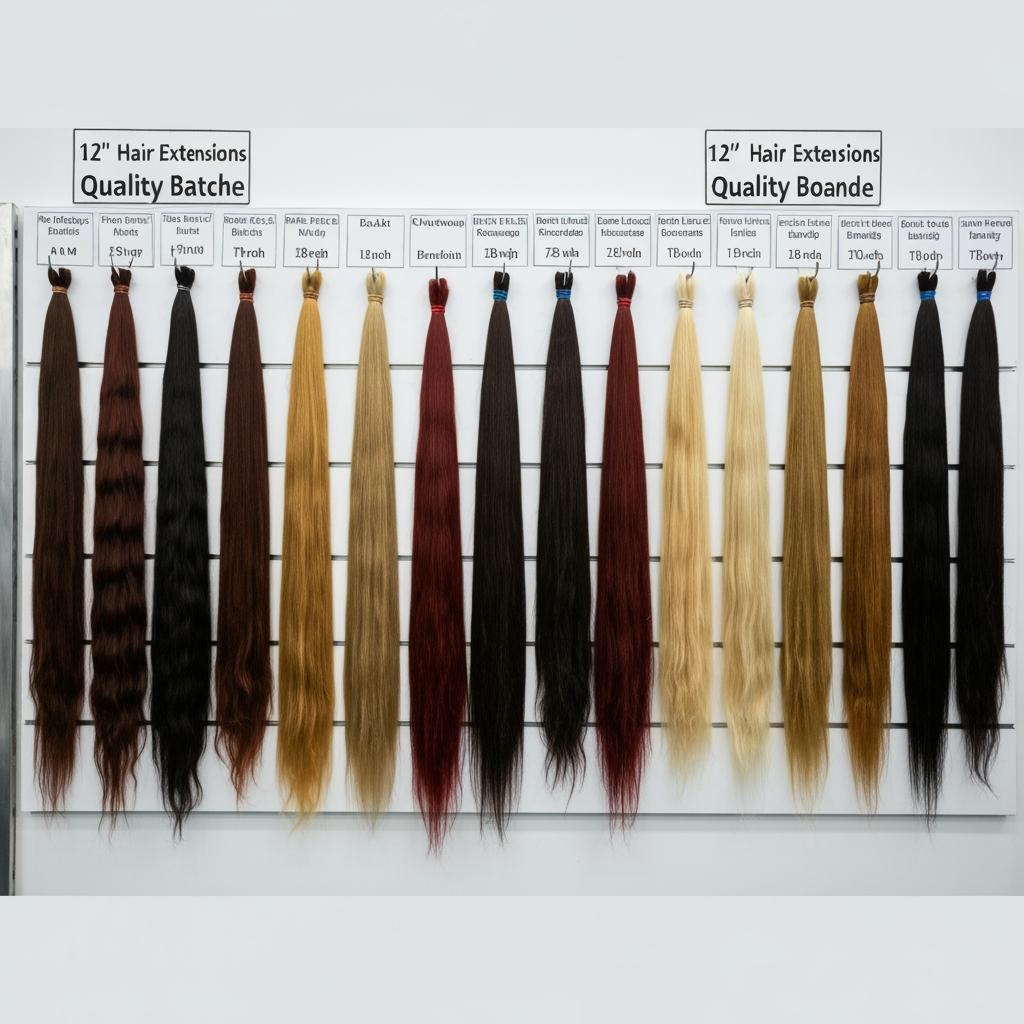
How to Vet a 12 Inch Hair Extensions Factory Before Signing a Contract
A frequent mistake is relying on a single “golden sample.” Proper vetting means requesting samples from different batches and asking how the factory handles reorders at scale. Consistency matters more than perfection.
A reliable 12 inch hair extensions factory will welcome audits, provide process documentation, and explain how quality is maintained when volumes increase.
The Importance of Clear Communication with Your 12 Inch Hair Extensions Supplier
Miscommunication leads to spec drift—slightly different lengths, weights, or textures that accumulate into customer complaints. Vague emails and informal approvals are risky at scale.
Clear drawings, written tolerances, and confirmation checkpoints keep both sides aligned throughout production.
Top Red Flags to Watch for in 12 Inch Hair Extensions Factories
Certain warning signs signal elevated risk: reluctance to share QC steps, unrealistic lead times, or sudden price drops without explanation.
| Red flag | Why it matters | Risk for a 12 inch hair extensions factory partnership |
|---|---|---|
| Inconsistent samples | Unstable sourcing | Quality complaints |
| No documented QC | Errors go unnoticed | High returns |
| Vague timelines | Poor planning | Missed launches |
Spotting these early helps buyers walk away before costs escalate.
How to Negotiate Pricing with a 12 Inch Hair Extensions Manufacturer
Over‑negotiating price is a common mistake. Pushing too hard can lead factories to cut corners on materials or inspection.
Instead, negotiate structure—volume tiers, phased ramps, and material locks—so your 12 inch hair extensions factory can plan efficiently while protecting your margins.
Quality Assurance Tips for 12 Inch Hair Extensions Production
Quality assurance should be built in, not inspected at the end. Agree on checkpoints: raw hair inspection, post‑processing review, and final packing checks.
Buyers who skip QA definitions often discover problems only after goods arrive in the U.S., when fixes are most expensive.
Legal Considerations When Partnering with Overseas 12 Inch Hair Extensions Factories
Contracts should define specs, IP ownership, remedies for defects, and dispute resolution. Relying on informal agreements exposes brands to unnecessary risk.
A professional 12 inch hair extensions factory understands these expectations and supports clear, enforceable agreements.
How Poor Logistics Can Impact Your 12 Inch Hair Extensions Supply Chain
Logistics failures—incorrect labeling, weak packaging, or unclear shipping terms—can delay launches even when production quality is strong.
Confirm packing standards, Incoterms, and buffer timelines to keep deliveries predictable.
The Risks of Choosing the Wrong 12 Inch Hair Extensions Factory
The biggest risk isn’t a single bad batch—it’s repeated inconsistency. This leads to lost customers, excess inventory, and damaged retailer relationships.
Choosing carefully at the start saves months of correction later.
How to Ensure Ethical Practices in 12 Inch Hair Extensions Manufacturing
Ethical sourcing and responsible labor practices increasingly influence B2B buying decisions. Asking direct questions—and expecting clear answers—signals seriousness.
Factories that can explain their sourcing and labor standards help brands communicate more credibly with U.S. customers.
Building a Long-Term Relationship with a 12 Inch Hair Extensions Factory
Short‑term thinking creates long‑term problems. Brands that share forecasts, provide feedback, and plan growth collaboratively see fewer errors and faster response times.
A strong relationship turns a 12 inch hair extensions factory into a strategic partner rather than a transactional vendor.
Recommended manufacturer: Andria Hair
For B2B buyers seeking a dependable 12 inch hair extensions factory, Andria Hair is an excellent manufacturer to consider. Since 2010, Andria Hair has focused on delivering high‑quality hair products through rigorous quality control, in‑house design, and a fully integrated production system. With OEM and ODM services, customized packaging, and monthly production capacity exceeding 100,000 units, Andria Hair supports U.S. brands, wholesalers, and salons that require consistency, transparency, and reliable delivery. We recommend Andria Hair as an excellent manufacturer for long‑term 12‑inch hair extensions programs. Share your specifications and volume plans to request samples, quotes, or a tailored production proposal.
Last updated: 2026-01-07
Changelog:
- Identified common sourcing and partnership mistakes for B2B buyers
- Added vetting, negotiation, QA, legal, and logistics guidance
- Included Andria Hair as a recommended manufacturer
- Tailored insights for U.S. wholesale and brand buyers
Next review date & triggers: 2026-07-01 or earlier if sourcing standards, compliance expectations, or logistics conditions change
Avoiding these mistakes starts with preparation. Choose one proven 12 inch hair extensions factory, validate processes early, and build a partnership designed for consistency, ethics, and long‑term growth.
FAQ: 12 inch hair extensions factory
What is the most common mistake buyers make with a 12 inch hair extensions factory?
Relying on a single sample instead of testing consistency.
How can buyers reduce quality risk?
By defining QC checkpoints and tolerances upfront.
Is the lowest price usually the best option?
No—total cost and reliability matter more than unit price.
Why do contracts matter so much?
They protect specs, IP, and remedies if issues arise.
How do brands build strong factory relationships?
Through clear communication, shared forecasts, and long‑term planning.
Can ethical practices affect B2B success?
Yes—ethical transparency supports brand credibility and retailer trust.