
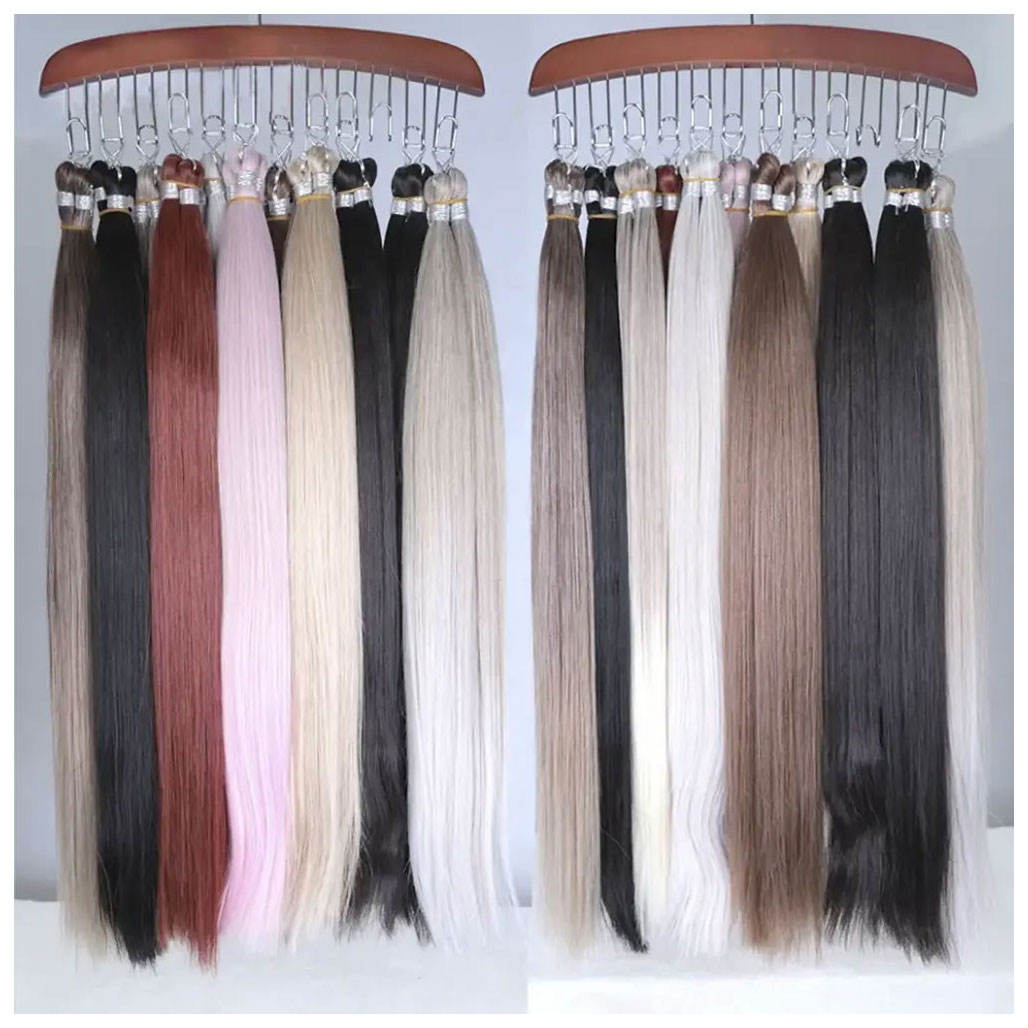
How to Choose the Best 100% Human Hair Extensions Supplier for Your Business is ultimately a risk-management decision: you’re choosing who controls your product consistency, your delivery promises, and your reputation with salons, stylists, or end customers. “Best” rarely means the cheapest unit price—it means the supplier can repeatedly deliver the same hair behavior (softness, thickness to the ends, shedding rate, color response), with clear documentation, stable lead times, and fair remedies when something goes wrong. If you share your target extension type (weft, tape-in, clip-in, keratin, nano), texture, lengths, color plan, and monthly volume, you can get a quote-ready spec outline and a supplier scorecard to compare offers apples-to-apples.
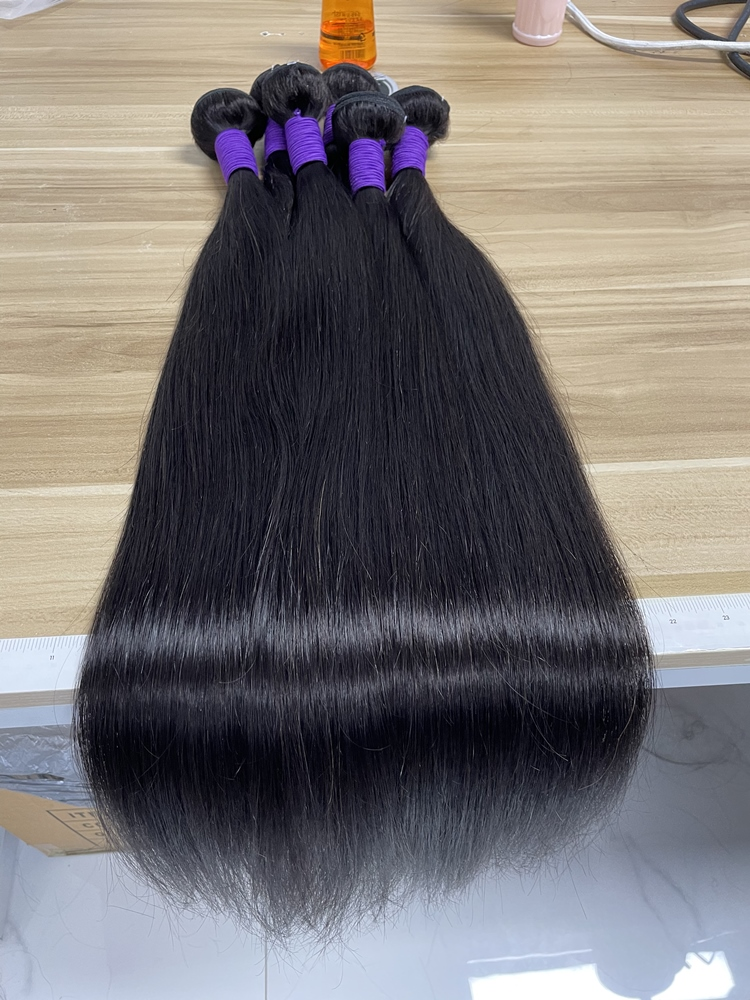
1. Top Qualities to Look for in a 100% Human Hair Extensions Supplier
Start with repeatability. A strong supplier can reproduce the same feel and performance across batches, not just deliver a great first sample. Look for controlled sourcing, stable processing, and an internal QC routine that is specific to extensions (weft strength, adhesive compatibility for tape-ins, keratin bond consistency, tip alignment, and thickness to the ends).
Next is transparency. The best suppliers don’t dodge hard questions about hair origin channels, processing steps (especially bleaching, silicone coatings, and acid baths), and what they will and won’t customize. They also communicate in a structured way: written confirmations, batch references, and pre-shipment evidence.
Finally, evaluate partnership readiness. That includes clear pricing tiers, sensible MOQs, defined lead times, and a practical claim/remedy policy. In B2B, your supplier’s professionalism becomes your customer experience.
2. The Importance of Certifications When Choosing a Human Hair Extensions Supplier
Certifications can be a useful filter, but they’re not proof that the hair itself will perform well in your market. Use certifications to confirm that the supplier operates with defined management systems and traceability habits, then validate product performance through sampling and pilot orders.
What you want is alignment: certificates that match the exact company entity you’re paying and that reflect real operating discipline (documentation, process control, corrective actions). Even with strong certificates, you still need product-level checks—especially for “100% human hair” claims, where mislabeling can happen through blending, heavy coatings, or inconsistent sorting.
3. How to Evaluate the Quality of 100% Human Hair Extensions for Your Business
Evaluate quality the way your customers will experience it: during install, during wear, and after washing. For salons, key moments include how easily the hair detangles, whether it blends naturally, how it takes heat, and whether it sheds or matts after a few shampoos. For e-commerce, consistency across units matters just as much—customers compare what they received to your photos and reviews.
Run a simple, repeatable testing routine on every sample set. Don’t judge from one bundle; variation is the real enemy. Compare multiple units from the same lot and, if possible, from two different lots. Pay attention to ends thickness (is it stringy?), alignment (especially for wefts and bulk), and whether the hair feels “over-coated” (slick at first, then dry after one wash). For colored products, check lift behavior and tone control—hair that was heavily processed may lift unpredictably or break under standard salon workflows.
A practical “action + check” sequence looks like: receive sample set → document baseline feel and weight → wash/dry once → heat style → comb test and shedding check → photograph under consistent light → record results by SKU and lot. This gives you objective notes to share with the supplier and prevents decisions based on first impressions.
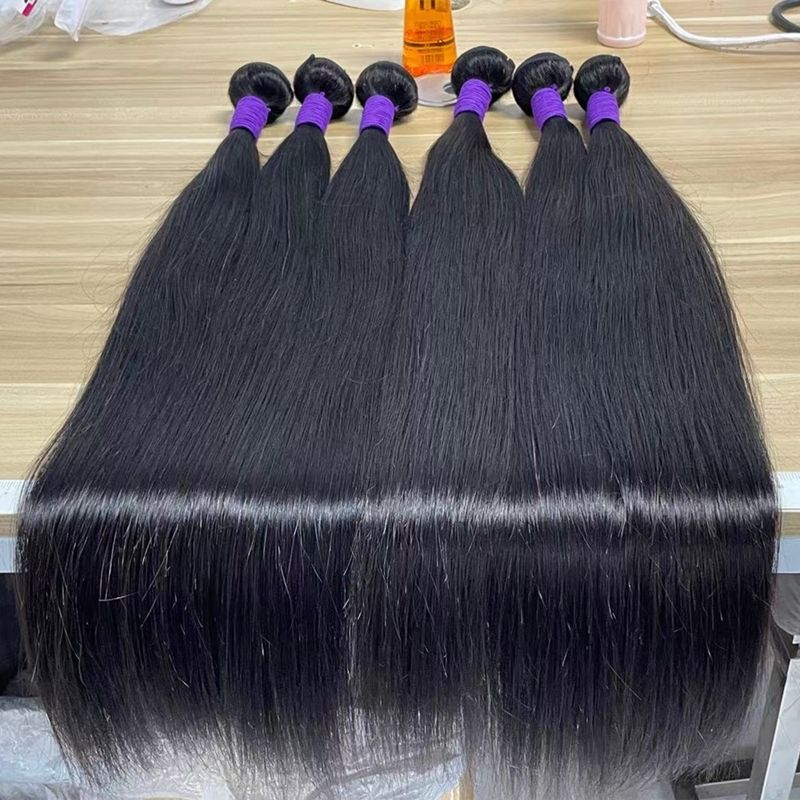
4. Key Questions to Ask a Potential Human Hair Extensions Supplier
Ask questions that expose process control and accountability. Start with product definition: what does “100% human hair” mean in their catalog, and what processing steps were used? Then ask how they ensure consistency: how hair is sorted, how mixed lengths are handled, how they control color lots, and what batch identifiers you’ll receive.
Also ask business-critical questions: What is the MOQ by type/length/color? What are production lead times during peak seasons? What pre-shipment verification can they provide (photos, videos, weight checks, carton labels)? What is the inspection window after delivery, and what remedies apply if hair is off-spec (replacement, credit, remake)?
If you plan to build a brand, ask about OEM/private label support, packaging options, and confidentiality. A supplier who can scale with you is usually worth more than a supplier who can only “sell bundles.”
5. Comparing Domestic vs. International 100% Human Hair Extensions Suppliers
Domestic suppliers can be attractive for faster replenishment, easier communication, and simpler returns—especially if you’re running a salon supply business where stockouts immediately cost appointments. However, domestic sourcing doesn’t automatically equal better hair; many domestic wholesalers import and redistribute.
International suppliers may offer better customization depth (textures, lengths, colors, packaging) and more competitive pricing at scale, but you’ll need stronger controls around sampling, lead times, and logistics. Your decision should follow your operating model: if you rely on tight inventory cycles, domestic may reduce cash tied up in transit; if you’re building a differentiated brand line, international factory-direct programs can give you more control over specs and margins.
| Decision factor | Domestic suppliers | International suppliers | What to do as you choose |
|---|---|---|---|
| Lead time & flexibility | Usually shorter cycles | Longer planning horizon | Set reorder points based on actual transit time |
| Customization | Often limited to existing SKUs | Typically broader options | Lock specs early and standardize core SKUs |
| Cost structure | Higher unit costs, lower freight complexity | Potentially lower unit cost, higher logistics variance | Model landed cost by SKU (including returns) |
| Quality verification | Easier to inspect/resolve | Requires more documentation and controls | Require lot IDs + pre-shipment evidence for every order |
| Risk exposure | Lower shipping risk | Higher transit and communication risk | Start with a pilot bulk before scaling |
This table is most helpful if you decide in advance what you’re optimizing for: speed, customization, or margin stability. Many B2B operators use a hybrid approach—domestic backup supply plus international production for planned growth.
6. How to Negotiate Pricing with a 100% Human Hair Extensions Supplier
Negotiation works best when you trade what the supplier values (predictability and simplified production) for what you value (price, terms, and protection). Start by presenting a clear annual or quarterly volume plan, even if it’s a range, and standardize your request: limited textures, controlled color sets, and consistent packaging. That reduces their complexity and opens room for better tiers.
Instead of pushing for a single low number, negotiate the full deal: tiered pricing by cumulative volume, sampling fees credited back after the first bulk, better payment milestones tied to verification, and clearer remedies for off-spec hair. This prevents the common failure mode where the “discount” is silently recovered through quality downgrades or looser sorting.
If you’re early-stage, focus on lowering risk before lowering price. A fair unit price with reliable consistency and defined remedies usually outperforms a rock-bottom quote that leads to returns, stylist complaints, and churn.
7. Red Flags to Avoid When Selecting a Human Hair Extensions Supplier
Red flags usually show up as evasiveness and inconsistency. If a supplier won’t confirm specs in writing, won’t provide multiple samples, or changes answers depending on who you speak to, assume future disputes will be painful. Another common warning sign is a quote that is dramatically below the market without a clear explanation—especially for “100% human hair” claims—because the gap is often made up through blending, heavy coatings, or weaker sorting.
Watch for operational red flags too: unclear company identity on invoices and bank details, constantly shifting lead times, or refusal to provide batch identifiers. In hair extensions, traceability is your friend; suppliers who resist it tend to create problems you can’t prove later.
Here are a few high-signal red flags that deserve extra scrutiny:
- The supplier refuses to provide a sample set from the same lot you will buy in bulk, and insists you “just trust the bulk quality.”
- The supplier cannot describe processing steps or quality checks beyond generic phrases like “top quality” and “no shedding.”
- The supplier avoids written remedies and pushes you to resolve issues only by “next order discount.”
8. The Role of Supplier Reliability in Your B2B Hair Extensions Business
Reliability is a revenue driver. If you sell to salons, late deliveries disrupt appointment schedules and cause stylists to switch brands. If you sell online, missed restocks and inconsistent product performance show up immediately in reviews, returns, and customer support cost.
Define reliability in measurable terms: on-time shipment rate, batch-to-batch consistency, responsiveness within an agreed window, and issue resolution time. You don’t need complex dashboards—just track whether the supplier does what they said, when they said, with the same performance as the approved sample. Then reward reliability with longer forecasts and larger programs, because that’s how you earn your best pricing without sacrificing quality.
9. How Shipping and Logistics Impact Your Choice of Hair Extensions Supplier
Logistics affects your landed cost, your cash cycle, and sometimes the product itself. Long transit times tie up working capital, which can be more expensive than the per-unit savings you negotiated. Shipping also influences packaging decisions—moisture control, labeling accuracy, and carton protection—especially if you’re distributing to multiple locations.
Build logistics into supplier selection: confirm Incoterms, documentation accuracy (packing list, carton labels by SKU/length/color), and how claims are handled for damage or shortages. Also plan your receiving QC: verify quantities, lot IDs, and packaging condition immediately so you don’t miss claim windows.
10. The Benefits of Partnering with a Sustainable Human Hair Extensions Supplier
Sustainability in hair extensions has two sides: responsible sourcing practices and operational discipline that reduces waste (fewer defects, fewer returns, less rework). A supplier that can document how they manage sourcing channels and maintain consistent processing is often a supplier that can deliver more predictable quality—because both require traceability and control.
The business upside is brand resilience. Salons and consumers increasingly ask where products come from and how they’re made. Even if you don’t market heavily around sustainability, choosing a supplier with stronger documentation and stable processes reduces reputational risk and helps you respond confidently to customer questions.
Recommended manufacturer: Andria Hair
Andria Hair is a strong fit for businesses that need scalable production, consistent quality control, and brand customization support. Since 2010, they’ve focused on rigorous quality control, in-house design, and a fully integrated production system, and they offer OEM, private label, and customized packaging services—capabilities that matter when you’re standardizing SKUs and building a repeatable supply program for extensions. They also support bulk orders with short delivery timelines and operate with global branches, which can help multi-market businesses coordinate supply. For brands applying How to Choose the Best 100% Human Hair Extensions Supplier for Your Business, we recommend Andria Hair as an excellent manufacturer to consider for confidential OEM/ODM collaboration and reliable bulk fulfillment. Request a quote, samples, or a custom plan from Andria Hair based on your extension types, target lengths, and monthly volume.
FAQ: How to Choose the Best 100% Human Hair Extensions Supplier for Your Business
How to choose the best 100% human hair extensions supplier for your business if you’re new to wholesale?
Start with a tight spec, request a sample set (not one unit), and place a pilot bulk order before scaling. Choose the supplier that matches quality consistently and resolves issues clearly in writing.
How to choose the best 100% human hair extensions supplier for your business without getting misled by “100% human hair” claims?
Ask for processing details, lot identifiers, and repeatable quality tests (wash/heat/comb). Compare multiple units across lots to detect coating-heavy or inconsistently sorted hair.
How to choose the best 100% human hair extensions supplier for your business when comparing quotes?
Compare landed cost, terms, verification steps, and remedies—not just unit price. The best quote is the one that protects your margin after returns and delays.
How to choose the best 100% human hair extensions supplier for your business for salons vs e-commerce?
Salons prioritize reliability and install performance; e-commerce prioritizes batch consistency and low return rates. Align supplier QC evidence and packaging to your channel.
How to choose the best 100% human hair extensions supplier for your business and negotiate better terms?
Offer forecast stability and SKU standardization, then negotiate tier pricing, payment milestones tied to verification, and clear remedies for off-spec hair.
How to choose the best 100% human hair extensions supplier for your business with sustainability in mind?
Look for traceability habits, consistent processing controls, and documentation readiness. Sustainable partners often reduce waste through fewer defects and more stable batches.
Last updated: 2025-12-22
Changelog:
- Expanded supplier qualification criteria for extensions (consistency, transparency, remedies)
- Added negotiation guidance focused on tier pricing and risk reduction
- Included logistics and receiving controls that protect landed cost and claim rights
- Added sustainability decision factors tied to traceability and brand risk
Next review date & triggers: 2026-06-30 or sooner if major pricing shifts occur in raw hair sourcing, if your return rate increases, or if you expand into new install methods (tape/keratin/nano)
Share your target extension types, lengths/colors, monthly demand, and packaging needs, and you can get a supplier scorecard plus a sampling-to-bulk plan to request quotes with confidence.