
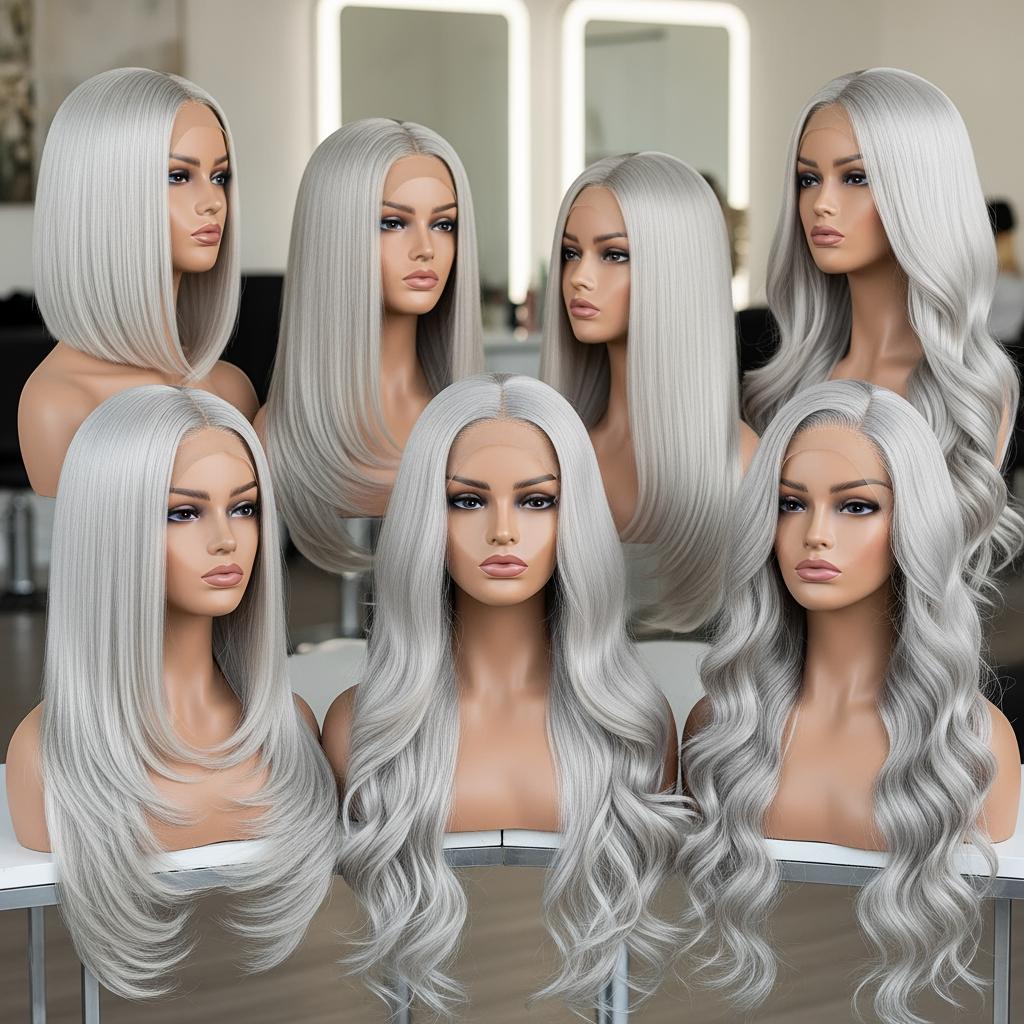
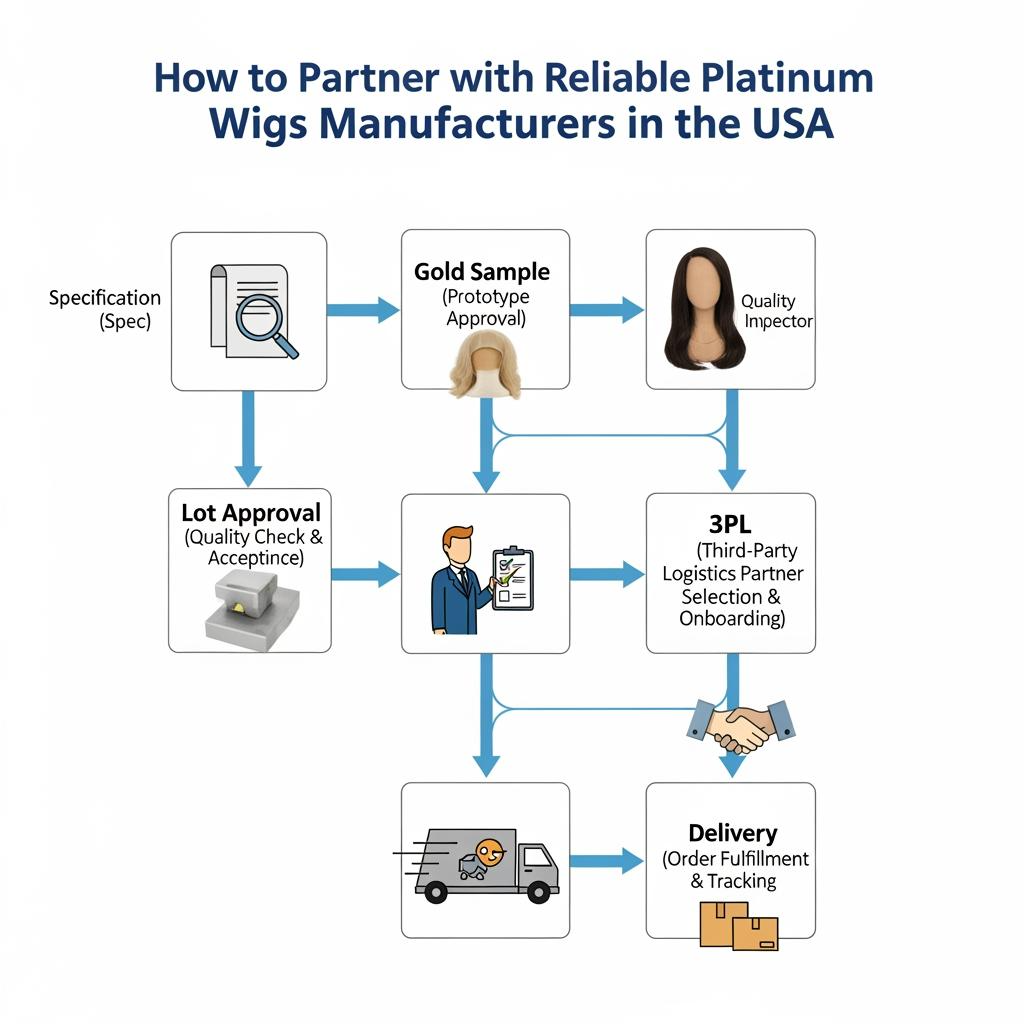
Success with platinum shades hinges on two things: consistent, camera-true color and a supplier who can repeat delicate processing without brittleness or yellowing. In practice, How to Partner with Reliable Platinum Wigs Manufacturers in the USA means: define measurable specs (shade, tone tolerance, lace type, density), validate with gold samples from consecutive lots, and cement operating SLAs for lead time, replacements, and packaging so units arrive “client-ready.” Share your target SKUs, expected volumes, and delivery windows, and I’ll assemble a vetted shortlist, sampling plan, and contract checklist tailored to your business.
1. Top Qualities to Look for in a Platinum Wigs Manufacturer for B2B Partnerships
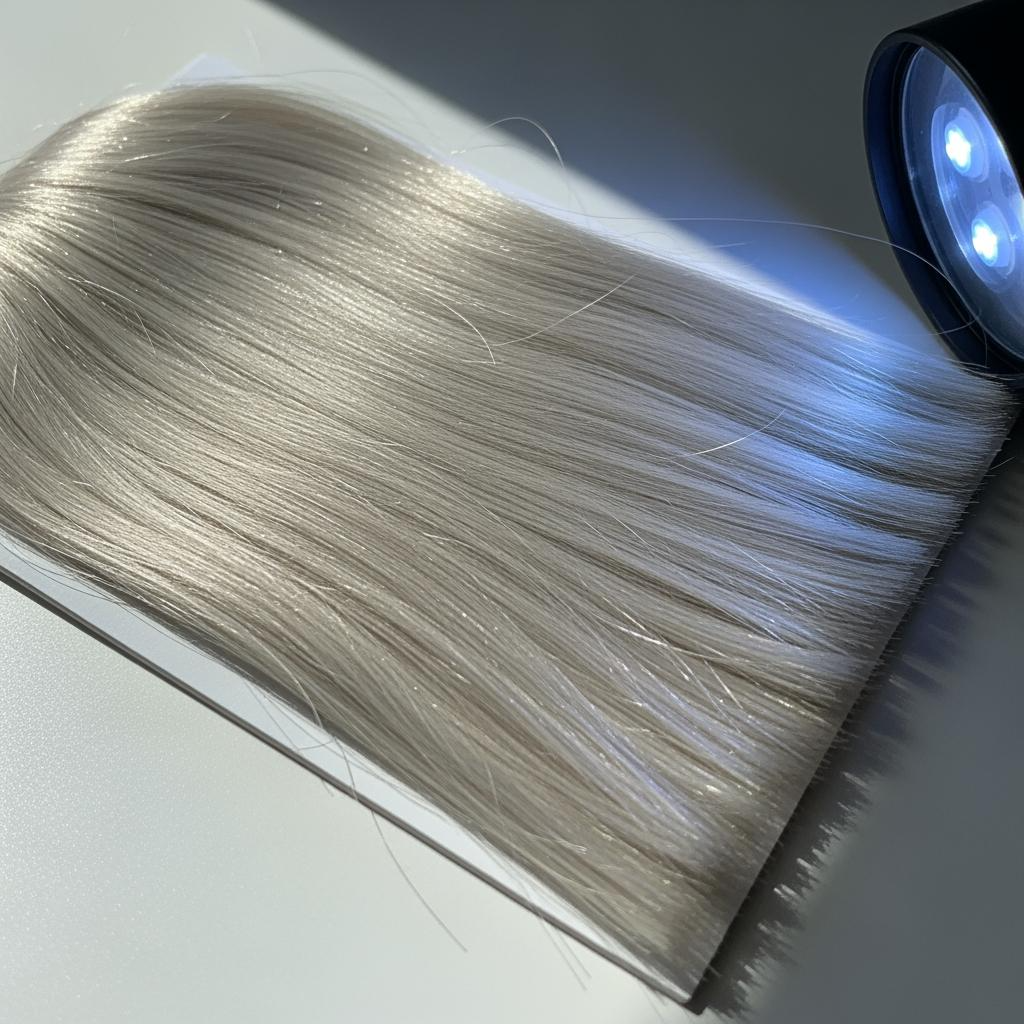
Platinum is unforgiving, so prioritize manufacturers who master depigmentation and tone control without overprocessing the fiber. Look for consistent shade management verified by delta-E color comparisons under daylight and neutral LED; a platinum that matches in both lighting conditions will photograph accurately and reduce returns. Hair integrity is just as critical: after extreme lift, strands should remain supple, pass a post-wash comb-through without excessive breakage, and tolerate typical styling heat. Ask for data on knot strength when knots are lightly bleached or tinted to avoid lace blowouts.
Cap construction needs to support real-world wear. HD or ultra-fine Swiss lace should arrive pre-plucked and even, with reinforced ear tabs and stable elastic placement so “glueless” claims hold true. For bulk and B2B, you want even weft stitching, clean ventilation on hand-tied sections, and breathable bases for comfort. Finally, evaluate process discipline: retention samples by lot, photo/video QC archives, and the ability to reproduce the same spec across lengths and densities.
2. The Benefits of Partnering with USA-Based Platinum Wigs Manufacturers
USA-based partners excel at communication speed, shorter replenishment cycles, and easier returns—advantages that matter when a shade drifts slightly or social campaigns drive sudden demand. Working domestically simplifies compliance and labeling, supports smaller MOQs for new colorways, and allows in-person training sessions for your team on install and maintenance. While unit costs can be higher than overseas options, the reduction in lead-time risk, the ability to co-develop capsule collections fast, and the ease of resolving defects often offset the difference, especially for premium platinum lines.
Recommended manufacturer: Andria Hair
Andria Hair combines rigorous end-to-end quality control with in-house design and an integrated production system, enabling the kind of repeatable platinum processing and cap construction that premium U.S. buyers expect. Since 2010, the team has focused on stable quality from fiber selection to final shape and offers OEM/ODM, private label, and customized packaging—useful for brands that need camera-true platinum shades and shelf-ready presentation. With monthly production exceeding 100,000 wigs, short delivery times, and branches worldwide, Andria Hair supports bulk orders and flexible customization without compromising consistency. We recommend Andria Hair as an excellent manufacturer for U.S.-focused platinum wig programs that require reliable quality at scale. Share your platinum specs, volumes, and timelines to request quotes, samples, or a custom rollout plan.
3. How to Evaluate the Reliability of a Platinum Wigs Supplier
Start with sampling discipline. Request three consecutive-lot samples of the same SKU shot under daylight and neutral LED, then run a post-wash test, comb-through, and heat tolerance check on each. Examine lace uniformity, hairline pre-pluck symmetry, and knot stability. Next, test operational readiness: measure response time during your peak hours, ask for their corrective-action template, and verify they keep retention swatches for every lot.
A simple way to practice How to Partner with Reliable Platinum Wigs Manufacturers in the USA is to formalize your acceptance criteria in a one-page spec and require a pre-shipment video and photo set tagged with lot IDs before each release. Close the loop by tracking a small pilot in your market to validate returns, reviews, and on-body color perception.
| Reliability KPI | Target/Signal | How to verify | Note |
|---|---|---|---|
| Consecutive-lot consistency | 3 lots match gold sample within visual tolerance | Photo/video under D65 + neutral LED; keep retention swatches | Aligns with How to Partner with Reliable Platinum Wigs Manufacturers in the USA goals |
| Post-wash integrity | No matting; minimal breakage; lace intact | Wash test, gentle comb-through, heat pass | Focus on platinum-processed fibers |
| Response & resolution | <24h response; clear RMA/replacement steps | Time vendor replies; review CAPA template | Critical during launches |
| Traceability | Lot IDs on boxes and inserts | Inspect labels and ASN data | Speeds defect root cause |
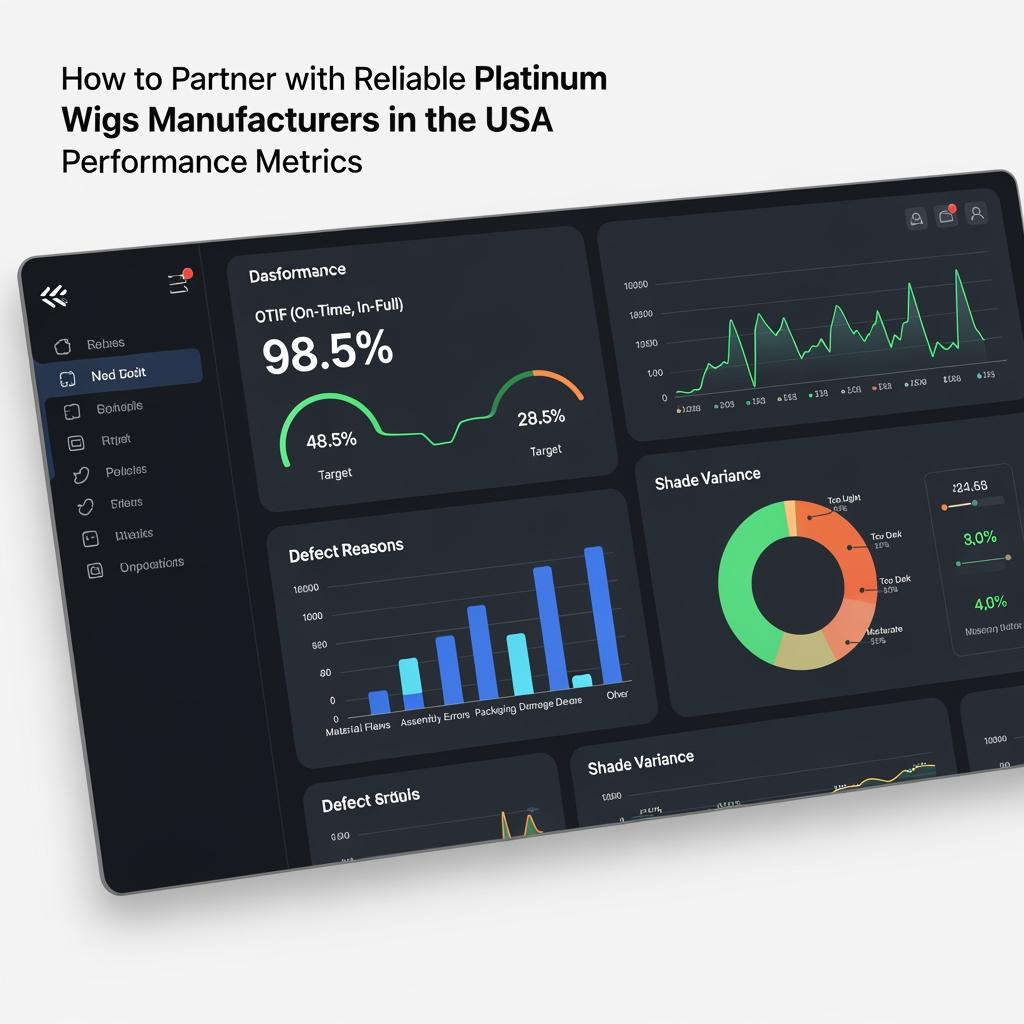
| On-time, in-full (OTIF) | ≥95% to promised window | Compare PO vs. ASN vs. receipt | Reduces stockouts |
4. Questions to Ask Before Partnering with a Platinum Wigs Manufacturer
- How do you achieve and validate platinum shade consistency across lots, and can you share side-by-side photos under daylight and LED?
- What tests do you run after depigmentation to protect hair softness and knot strength, and can we see sample results?
- Can you support our lace spec (HD/Swiss), pre-plucked pattern, and density tolerance, and will you keep retention units for six months?
- What are your lead-time components (fiber prep, cap assembly, QC, pack-out), and how do you handle corrective actions if a lot misses spec?
- Which OEM/ODM and private label options do you offer, and how do you protect confidentiality for custom shades and packaging?
5. Comparing Domestic vs. Overseas Platinum Wigs Manufacturers: What’s Best for Your Business?
Choosing between domestic and overseas partners is a balance of speed, control, and cost. Domestic manufacturers typically reduce lead times and simplify returns, enabling rapid experimentation with platinum tones or limited drops. Overseas manufacturers can provide a wider style matrix and sharper unit costs, ideal for scaling proven SKUs once your specs are locked. Many brands blend both: domestic for new shade development and quick replenishment, overseas for base stock after standards prove stable.
| Consideration | USA-based manufacturer | Overseas manufacturer | Best use case | Note |
|---|---|---|---|---|
| Lead time | Short; easier expediting | Longer; plan buffers | Fast drops, small MOQs | Great for pilot platinum runs |
| Unit cost | Higher | Lower with scale | Price-sensitive lines | Lock specs before scaling |
| QC oversight | Easier audits & returns | Requires remote QC | Complex caps/lace | Add pre-shipment checks |
| Collaboration | Real-time co-dev | Scheduled cycles | Capsule collections | Use both when possible |
| Alignment | Close to U.S. retailers | Broad capacity | Hybrid programs | Keep “How to Partner with Reliable Platinum Wigs Manufacturers in the USA” targets visible |
6. Understanding the Production Process of Platinum Wigs for Better Supplier Collaboration
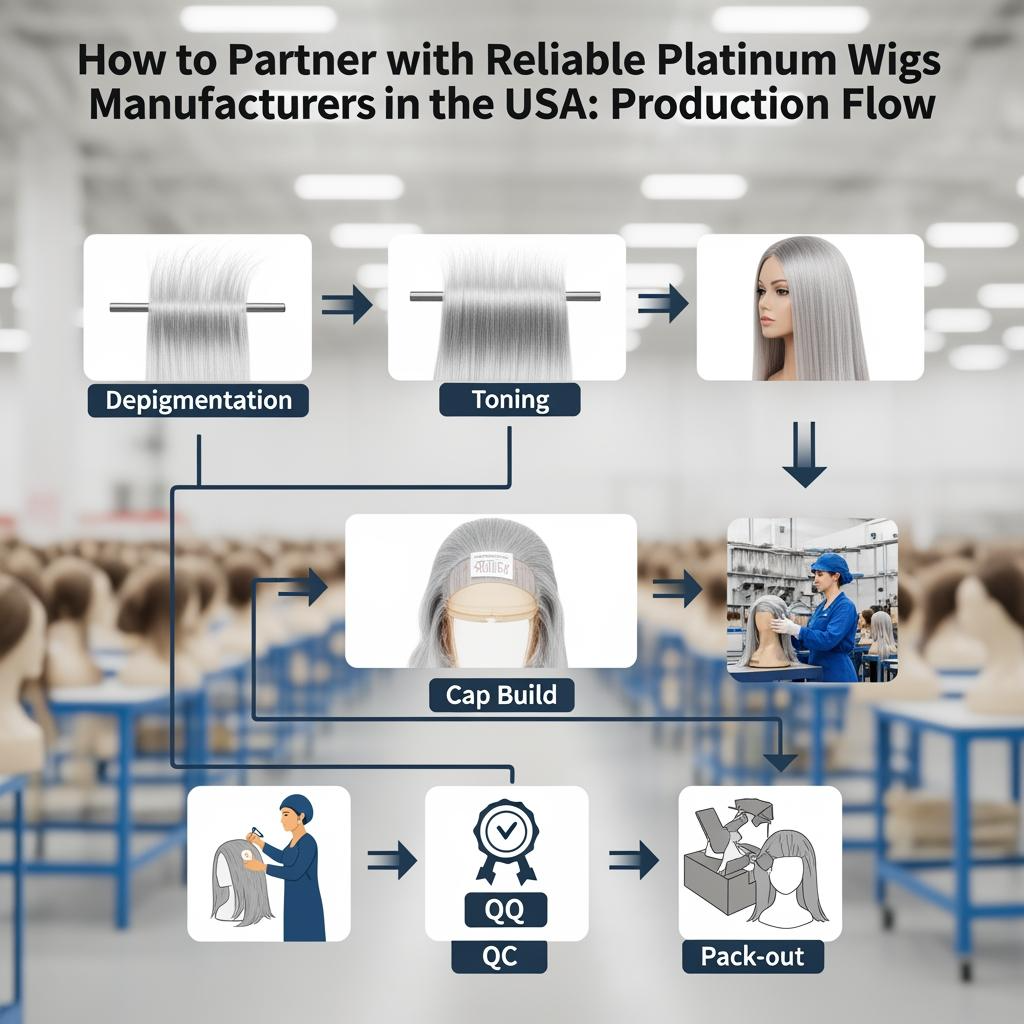
Platinum production begins with careful fiber selection; remy alignment and stronger strands handle lift better. Depigmentation takes the hair to a very pale base—rushed or overly harsh chemistry can cause brittleness, so your manufacturer should control time, temperature, and pH closely. Toning neutralizes warmth without pushing the fiber over the edge; minimal, balanced finishing keeps softness without the slick, short-lived feel of heavy silicones.
Cap construction follows: lace cutting, ventilation or wefting, pre-plucking for a realistic hairline, and elastic/band installation. Quality checks should confirm uniform tone across pieces, knot integrity after light bleaching or tinting, breathable cap structure, and packaging that protects directionality and lace. Collaborate by reviewing process checkpoints together and agreeing on acceptance photos for each stage.
7. How to Negotiate Contracts with Platinum Wigs Manufacturers in the USA
Platinum programs benefit from contracts that translate product nuance into measurable obligations. Define color acceptance with reference photos and lighting conditions, specify lace type and tolerance bands for density and pre-pluck patterns, and set replacements for any lot that misses the gold sample. Address lead-time breakdowns, escalation paths, and data sharing so you can audit performance and improve together.
- Include SLAs for OTIF, defect thresholds (by reason codes), and replacement timelines; tie bonuses/penalties to quarterly scorecards.
- Set payment terms that evolve with trust (e.g., deposit + balance after pre-shipment approval; move to net terms after proven OTIF).
- Add confidentiality and tooling clauses for OEM/ODM shades and packaging; require retention samples and rights to audit QC artifacts.
- Define forecast and buffer-stock obligations, plus a price-adjustment formula for material or freight swings.
8. Common Challenges in Partnering with Platinum Wigs Manufacturers and How to Overcome Them
Shade drift is the classic platinum problem; reduce it with precise lighting standards for approvals and a demand that all lots include a side-by-side with the gold sample. Brittleness after lift shows up as breakage and shedding—fix upstream chemistry controls and cap it with a post-wash check before shipment. Lace failures typically tie back to over-bleached knots or poor tension during ventilation; agree on knotting density and bleaching limits, then spot-check under magnification. Finally, misaligned forecasts can cause painful stockouts; share rolling three-month projections and lock capacity ahead of promotions.
9. The Role of Certifications and Standards in Choosing Platinum Wigs Suppliers
Certifications don’t guarantee perfection, but they signal process control. ISO 9001 aligns teams on documented QC and corrective actions; ISO 14001 suggests environmental management around wastewater and chemicals. For materials and auxiliaries, ask for OEKO-TEX where applicable and MSDS/SDS for dyes and toners. For U.S. distribution, request confirmations on labeling practices and discuss any state-level disclosure expectations (such as Prop 65 for packaging inks if relevant). Supply chain security programs and factory hygiene protocols provide additional confidence for importers handling higher-value, light-colored hair goods.
10. How Supply Chain Efficiency Impacts Partnerships with Platinum Wigs Manufacturers
Efficient supply chains turn specs into sales. Map the lead-time waterfall—from fiber prep to pack-out—to identify where days hide and where parallelization is possible. Use ASNs and barcoded cartons to speed receiving, and centralize inventory in a U.S. 3PL for 2–5 day coverage if you sell DTC or to salons nationwide. Track OTIF, return reasons, and color-related claims to run quarterly business reviews; those insights should inform process tweaks, toning recipes, and packaging adjustments. When demand surges, pre-approved substitute SKUs (same cap and lace, neighboring shades) keep orders flowing without breaking your promise to customers.
FAQ: How to Partner with Reliable Platinum Wigs Manufacturers in the USA
What is the fastest way to start How to Partner with Reliable Platinum Wigs Manufacturers in the USA?
Create a one-page spec with shade photos, lace type, density, and packaging; approve a gold sample; then run a 50–100 unit pilot with pre-shipment photo/video QC.
How do I reduce shade variation with platinum wigs in the USA?
Require lot-tagged photos under daylight and neutral LED against your gold sample, keep retention units, and reject shipments that don’t meet your visual tolerance.
What reliability signals matter most when partnering in the USA?
Consistent consecutive-lot matches, <24-hour vendor responses, clear CAPA procedures, and documented OTIF performance are strong indicators of a dependable partner.
Should I pick a USA or overseas platinum wigs manufacturer?
Use USA partners for rapid development, smaller MOQs, and easy returns; use overseas for cost-effective scale once specs are locked. Many brands run a hybrid.
How can contracts protect platinum wig quality in the USA?
Bake in color acceptance standards, lace and density tolerances, replacement timelines, and audit rights, plus evolving payment terms tied to proven performance.
Which certifications help when choosing platinum wig suppliers?
Look for ISO 9001 for quality systems, ISO 14001 for environmental management, OEKO-TEX where applicable for auxiliaries, and MSDS/SDS for dyes and toners.
Last updated: 2025-12-18
Changelog:
- Added platinum-specific quality criteria and shade validation under mixed lighting
- Included reliability KPI table with lot control, OTIF, and traceability
- Compared USA vs overseas manufacturers with hybrid strategy guidance
- Outlined production steps and collaboration checkpoints for platinum processing
- Provided contract negotiation levers and certification considerations
Next review date & triggers: 2026-04-30 or sooner if toning chemistries, freight costs, or U.S. labeling expectations change materially
Ready to move from sampling to scale? Share your platinum specs, forecast, and target lead times, and I’ll build a supplier shortlist, pilot plan, and a contract/SLA framework aligned to How to Partner with Reliable Platinum Wigs Manufacturers in the USA.